

Activities for Coordination in Small Spaces
What are the best activities for coordination in small spaces?
Activities for coordination in small spaces focus on balance, timing, and teamwork using minimal room and simple tools. Short drills like mini soccer games, balance walks, toss-and-catch challenges, and indoor games for family can improve motor skills in as little as 10–15 minutes a day, even in apartments.
Activities for Coordination in Small Spaces
Activities for coordination can transform even the tiniest room into a dynamic play zone that boosts balance, focus, and teamwork. From clever activities to improve coordination using everyday items to mini soccer games that burn energy safely indoors, these small games for travel and indoor games for family prove you don’t need a big backyard to build big skills. Ready to see how much progress a few square meters can unlock?
⏱ 7 min read
Living in an apartment or compact home? You’re not alone. Many families wonder how to support motor skill development without a backyard or playroom.
Which activities for coordination actually work when space is tight? Let’s break it down step by step.
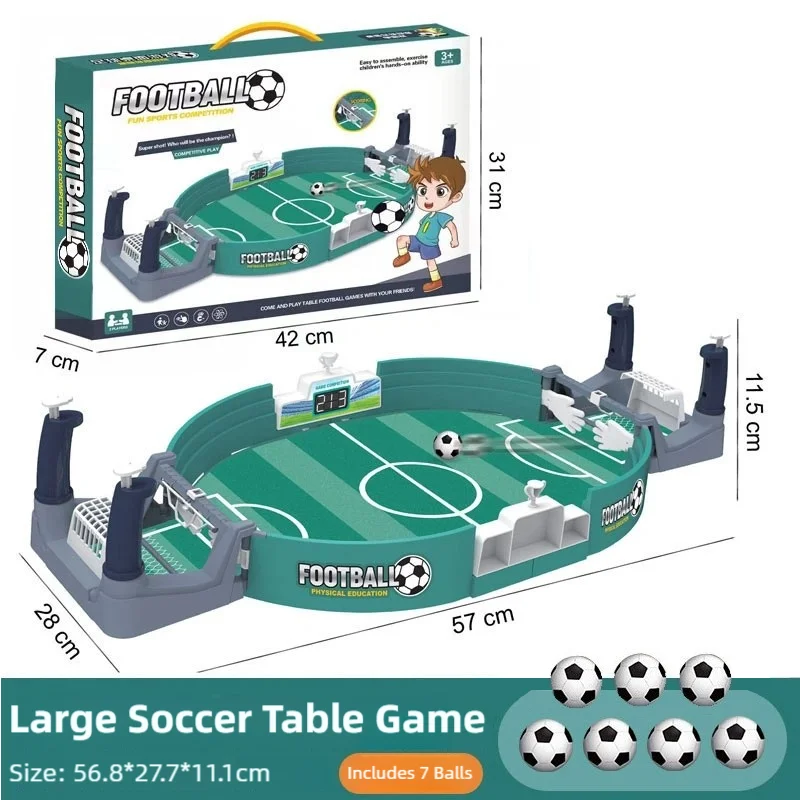
Activities for coordination and mini soccer games for indoor games for family 💡 See it in action
👉 Discover fun ways to turn your living room into a coordination zone today
Why Coordination Skills Matter for Growing Kids
Activities for coordination strengthen the connection between brain and body, helping children move with control and confidence. Regular coordination play improves balance, reaction time, posture, and teamwork skills. In small homes, short daily sessions can support motor skill development just as effectively as outdoor play.
Strong coordination supports:
- ✅ Better balance and fewer falls
- ✅ Improved focus in school tasks
- ✅ Confidence in sports and playground play
- ✅ Healthier screen-time balance
Parents exploring Baby Growth & Learning tools often notice that simple movement-based games make daily routines smoother and more joyful.
How Mini Soccer Games Boost Balance and Teamwork Indoors
Mini soccer games are one of the most effective activities to improve coordination in tight spaces. They train foot-eye coordination, timing, and strategic thinking while keeping energy levels in check. Even 6–8 feet of open floor space is enough for safe, structured play.
Unlike full-field soccer, tabletop or compact versions reduce risk while maintaining excitement.
Why Families Love Mini Soccer in Apartments
- Small footprint design
- Encourages sibling teamwork
- Quick 10-minute play sessions
- Easy storage after use
Many parents say their kids show better reaction time after two weeks of regular mini matches. One mom shared, “We live in a two-bedroom condo, and this became our go-to indoor games for family night.”
You can explore a compact option here: mini table soccer game — designed for tight spaces and fast-paced fun.
| Feature | Mini Soccer Game | Traditional Indoor Ball Play |
|---|---|---|
| Space Required | Low | Medium |
| Noise Level | Controlled | Higher |
| Coordination Focus | High | Moderate |
👉 Learn how to choose the right mini soccer setup for your home
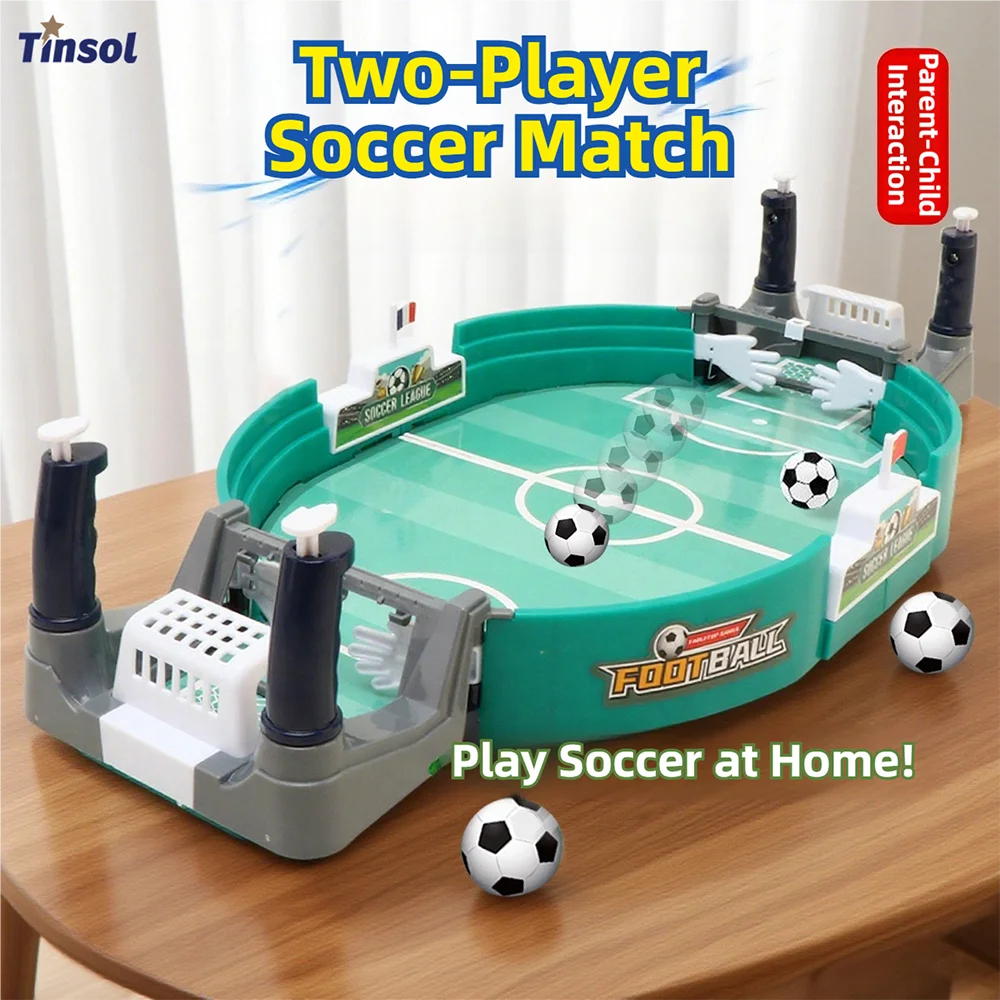
Activities to improve coordination with mini soccer games indoors 💡 See it in action
5 Easy Activities to Improve Coordination at Home
Looking for more activities for coordination beyond soccer? Try these small-space workouts that build balance and control without overwhelming your routine.
- Balance Line Walk: Tape a straight line on the floor and have kids walk heel-to-toe.
- Balloon Keep-Up: Keep a balloon from touching the ground using hands or feet.
- Toss & Catch Challenge: Use soft balls for safe indoor play.
- Obstacle Shuffle: Arrange pillows for step-over drills.
- Mini Soccer Drills: Practice quick passes using a compact table game.
Pair these with sensory-focused tools from Sensory Toys to enhance body awareness and reaction time.
Small Games for Travel That Keep Kids Active
Long car rides or hotel stays don’t have to mean endless screens. Small games for travel can double as coordination boosters.
- Hand-clap rhythm games
- Finger soccer with paper balls
- Seated reaction challenges
- Compact tabletop sports sets
Families who prioritize movement often see calmer bedtime routines, especially when paired with items from Sleep & Comfort collections that support wind-down time.
How to Choose the Right Tools for Small-Space Play
Not all coordination tools are apartment-friendly. Focus on safety, size, and durability.
Look for:
- Compact dimensions
- Rounded edges for safety
- Stable bases to prevent tipping
- Easy storage options
The mini table soccer game is ideal for families who want structured mini soccer games without clutter.
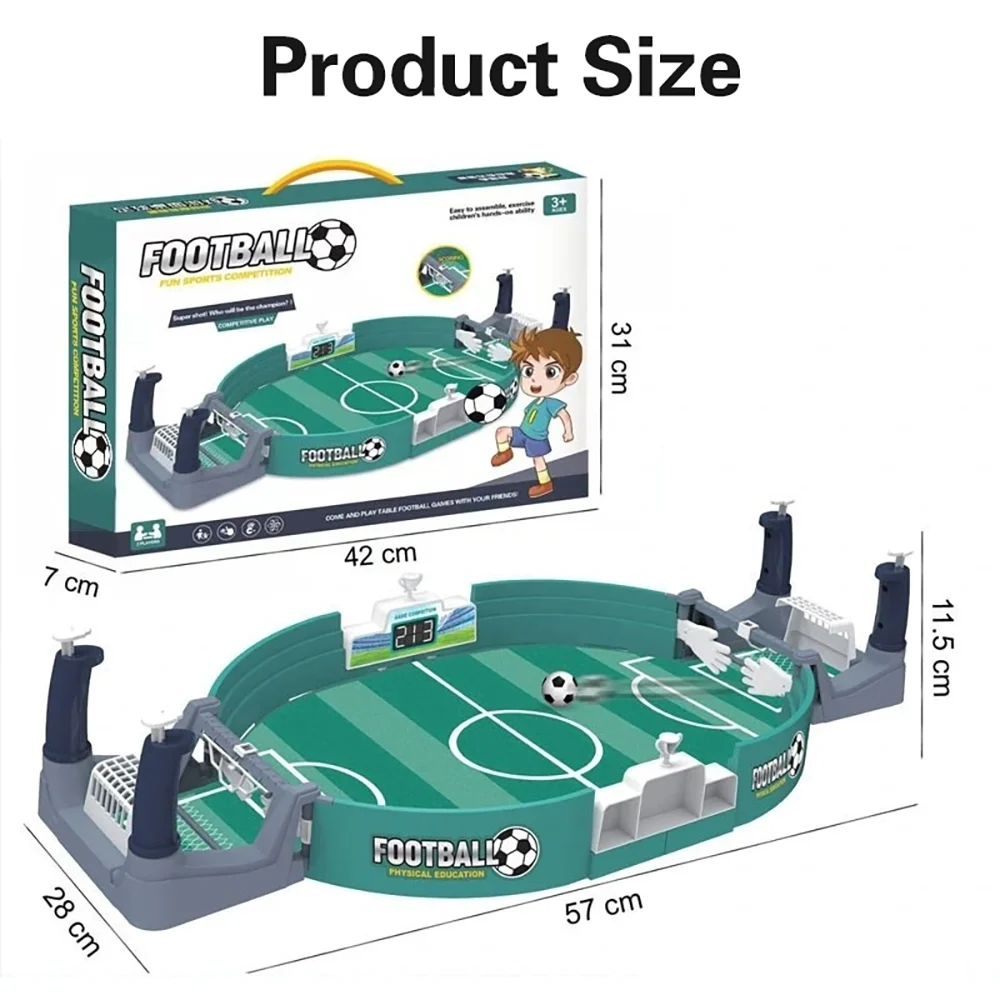
Indoor games for family and activities for coordination in compact homes 💡 See it in action
Parents browsing Mobility & Training tools often combine structured drills with free play to balance fun and skill-building.
👉 Get yours now — limited stock!
Mini FAQ
Are activities for coordination effective in small apartments?
Yes. Consistent short sessions of activities to improve coordination can strengthen balance, timing, and teamwork even in limited spaces.
At what age can kids start mini soccer games?
Many children as young as 3–4 years old can begin simplified tabletop soccer with supervision.
How often should we practice coordination games?
10–15 minutes daily is enough to see noticeable improvement within a few weeks.
Meta Description: Struggling with tight spaces? Activities for coordination make mini soccer games and indoor games for family simple and fun. Learn more inside.
Related Guide: Educational Two Player Games for Focused Kids





