

Air Dry Clay Tools Guide: Must-Have Kits, Tips & Techniques
Air Dry Clay Tools: The Ultimate Guide to Sculpting Like a Pro
Whether you're a beginner or an intermediate sculptor, achieving professional-looking results with air dry clay depends heavily on the tools you use. From precise cutting to detailed texturing, the right air dry clay tools transform ordinary clay projects into polished creations.
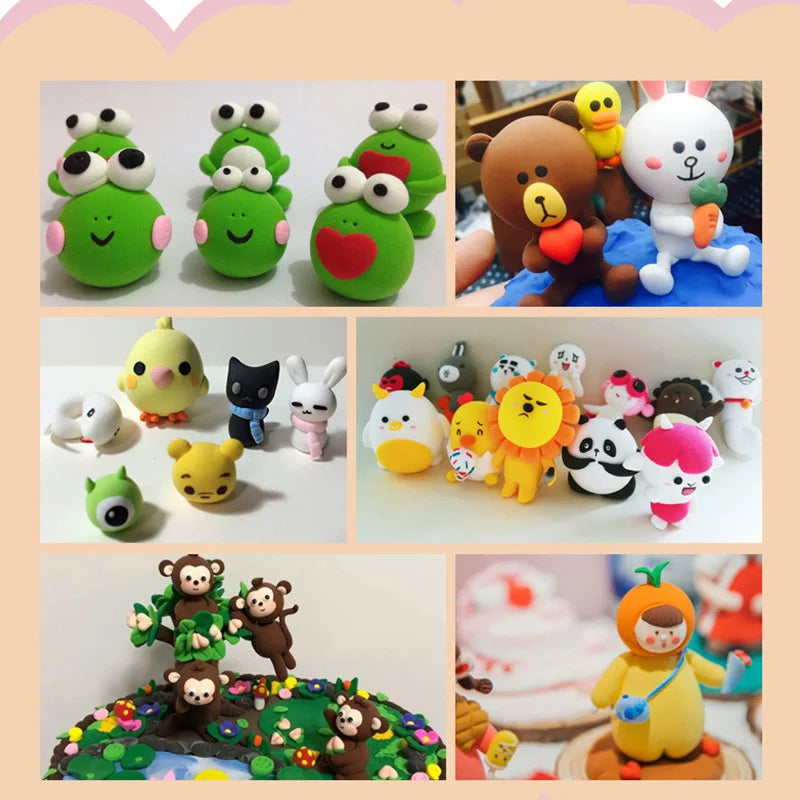
Why the Right Air Dry Clay Tools Matter
Selecting quality tools affects every stage of your clay sculpting process. Proper tools provide precision, reduce frustration, and allow you to explore creative techniques with confidence.
Common Mistakes Beginners Make Without Proper Tools
- Using household items instead of dedicated tools, leading to uneven textures.
- Relying solely on fingers for shaping, which can flatten details.
- Skipping specialized tools for smoothing, carving, or patterning, resulting in rough or cracked finishes.
Essential Air Dry Clay Sculpting Tools
Here’s a detailed roundup of must-have tools, including their primary uses, pros, and cons, along with recommended products for both beginners and advanced users.
Clay Modeling Knives
Clay modeling knives are versatile cutting tools for slicing, shaping, and detailing clay. Available in stainless steel, plastic, or wooden handles, they suit beginners and professionals alike.
- Pros: Precise cutting, durable, suitable for fine detailing.
- Cons: Can be sharp—requires careful handling, some may rust if not dried properly.

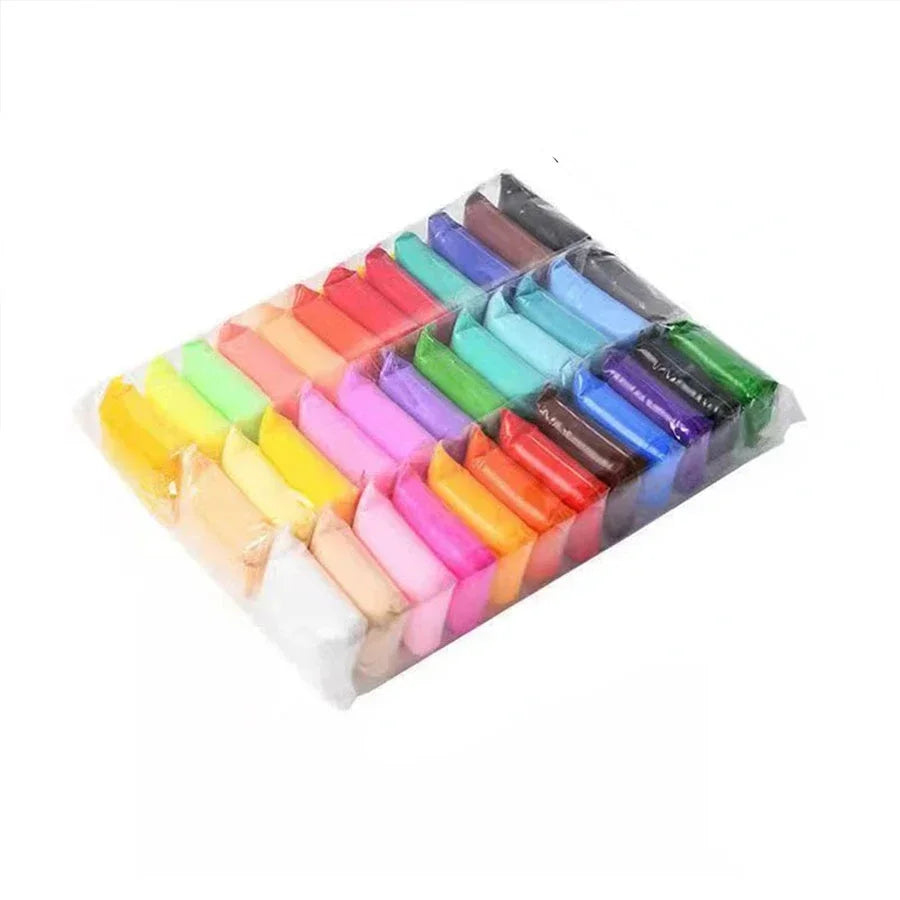
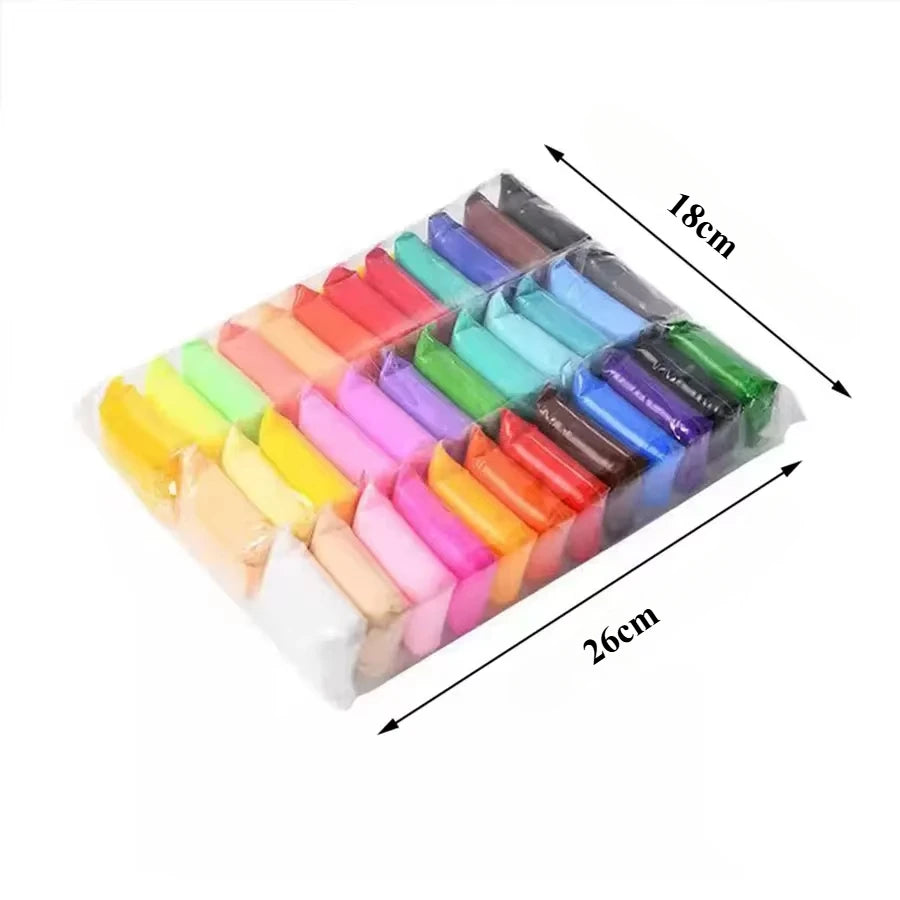
Recommended Product: 36 Colors Air Dry Clay Set – Soft, Safe & Creative Fun
Loop Tools & Ribbon Tools
These tools excel at hollowing, carving, and refining clay shapes. They are essential for sculptors aiming for smooth contours and detailed textures.
- Pros: Efficient for removing clay, ideal for 3D shaping.
- Cons: Requires steady hands, metal edges may scratch soft clay if misused.
Silicone Sculpting Tools
Silicone tools offer flexible tips that are perfect for smoothing and blending surfaces. They are especially useful for softening edges and adding subtle details.
- Pros: Flexible, easy to clean, safe for children.
- Cons: Less effective for heavy carving, may not hold fine edges as well as metal tools.
Rolling Pins & Wire Clay Cutters
These tools are designed for flattening clay evenly and cutting consistent shapes. Wire cutters allow precision slicing of larger blocks.
- Pros: Smooths clay surfaces quickly, accurate cutting, efficient for large projects.
- Cons: Requires space for rolling, wire may bend with heavy clay.
Texture Stamps & Pattern Tools
Add surface designs with texture stamps, rolling patterns, or patterned mats. These tools elevate your projects by providing consistent, repeatable textures.
- Pros: Enhances creativity, easy to use, quick results.
- Cons: Limited to preset patterns unless custom stamps are made.
Paint Brushes & Finishing Tools
Use brushes and finishing tools to smooth, paint, or apply varnish. They provide the final touch for polished, display-ready pieces.
- Pros: Smooths surfaces, blends colors, enhances details.
- Cons: Requires cleaning to prevent residue buildup, some brushes wear out quickly on rough clay.
Advanced Tips for Sculpting with Air Dry Clay
Smoothing and Refining Surfaces
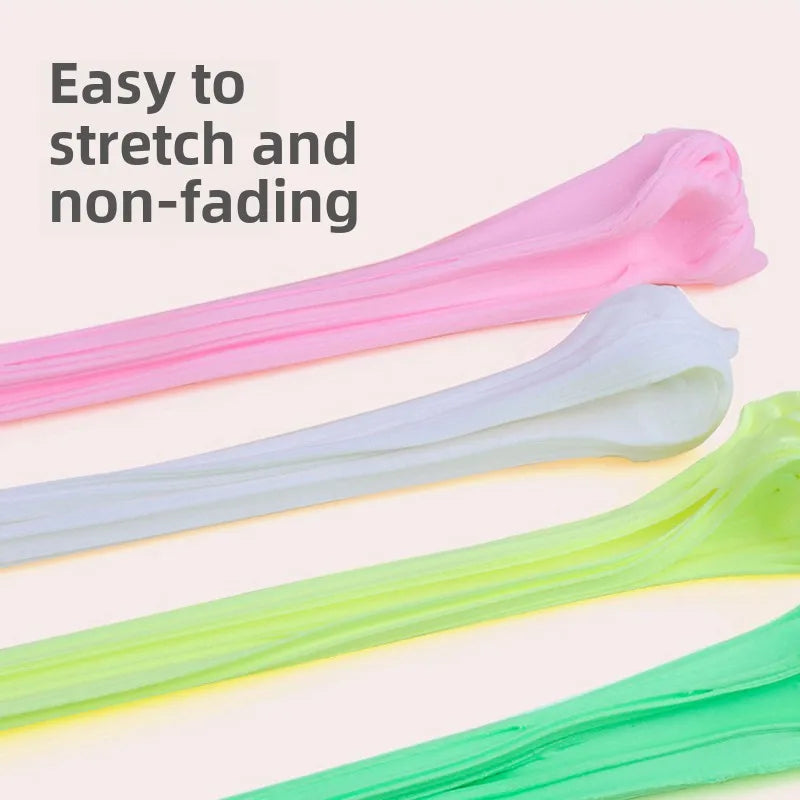
Use water, silicone tools, and fine-grit sandpaper to create polished finishes. Wetting the clay slightly allows for smoother edges and seamless blends.
Maintaining Tool Longevity
Clean tools after each use with mild soap and water. Store metal tools dry to prevent rust, and keep silicone tools away from sharp objects to avoid damage.
Combining Tools for Efficiency
Layering techniques using multiple tools simultaneously speeds up sculpting. For example, carve with loop tools and refine with silicone tips for precision.
Budget vs Premium Tools: What’s Worth Investing In
Choosing the right tools depends on your level and project goals. Budget tools suffice for beginners, while premium sets provide durability and refined results for serious sculptors.
When to Choose Budget Tools
Ideal for casual projects or learning basic techniques. Affordable options cover modeling knives, basic silicone tools, and simple texture stamps.
Premium Tools for Serious Sculptors
Invest in high-quality metal loop tools, ergonomic rolling pins, and detailed stamp sets. Premium tools last longer and provide superior precision.
Soft CTA: Ready to elevate your sculpting? Explore our 36 Colors Air Dry Clay Set for a complete beginner-to-intermediate toolkit that combines vibrant clay with essential sculpting tools.
Frequently Asked Questions
- What are the essential air dry clay tools for beginners? Clay modeling knives, loop tools, silicone sculpting tools, and rolling pins are the most versatile starter tools.
- Which tools are best for sculpting air dry clay? Combination of modeling knives, loop tools, and silicone tips provides precise shaping and finishing options.
- How do you smooth and refine air dry clay surfaces? Use water, silicone tools, and fine-grit sandpaper for a polished finish.
- Do you need special tools for air dry clay compared to polymer clay? Air dry clay requires flexible smoothing tools and water-based finishing techniques, while polymer clay may need baking-safe tools.
- How do you clean and maintain air dry clay tools? Wash with mild soap, dry thoroughly, and store metal and silicone tools separately to prevent damage.
Conclusion
Mastering air dry clay sculpting starts with selecting the right tools. From modeling knives to texture stamps, each tool plays a crucial role in shaping, refining, and finishing your projects. Whether using budget-friendly options for casual crafting or premium tools for detailed work, choosing the right set enhances creativity and efficiency.
Soft CTA: Enhance your sculpting journey today with our 36 Colors Air Dry Clay Set—perfect for beginners and intermediate artists seeking vibrant clay and essential tools in one kit.
Pillar Article: What Is Air Dry Clay? A Beginner-Friendly Guide to Uses, Safety, and How It Works





