

What Is Air Dry Clay? Benefits, Uses, and Beginner Basics
What Is Air Dry Clay? Complete Beginner Guide (Uses, Safety & Tips)
If you are looking for an easy material for DIY crafts, kids’ activities, or creative hobbies, you have probably wondered: what is air dry clay? This beginner-friendly modeling material lets you shape, sculpt, and create without an oven, kiln, or specialized equipment.
Unlike traditional ceramic clay that requires kiln firing, air dry clay hardens naturally as moisture evaporates. Its simple drying process, soft texture, and easy handling make it a popular choice for beginners, children, and anyone who wants to enjoy crafting at home.
What Is Air Dry Clay?
Air Dry Clay Meaning
The air dry clay meaning is a type of modeling clay that becomes firm and solid when left exposed to air. Instead of being baked in an oven or fired in a kiln, this clay dries through a natural moisture-loss process.
Air drying clay is designed to remain soft and flexible while you work with it, allowing you to mold shapes, add details, and create crafts with minimal tools. Once fully dry, it forms a lightweight solid piece suitable for decorative projects, learning activities, and handmade creations.
Quick Definition
Air dry clay is a soft, moldable craft material that hardens naturally without heat. It is different from kiln-fired clay because it does not need high temperatures to become solid. Instead, the water inside the clay gradually evaporates, leaving behind a hardened structure.
Because no baking or firing is required, air dry clay is commonly used for:
- Beginner sculpting projects
- Children’s craft activities
- DIY decorations and gifts
- Simple handmade art projects
Why It's Popular for Beginners
Air dry clay has become one of the most accessible crafting materials because it removes many of the challenges associated with traditional clay. Beginners do not need a pottery wheel, kiln, special studio space, or advanced skills to start creating.
Its soft texture makes it easier to shape, while its slower drying process gives users time to adjust designs and experiment with different forms. It is also lightweight, affordable, and available in many colors, making it suitable for both casual crafting and educational play.
- No baking or kiln required
- Easy for beginners and children to handle
- Works well for small DIY projects
- Affordable and widely available
- Encourages creativity and hands-on learning
What Is Air Dry Clay Made Of?
Common Ingredients
Many people ask what is air dry clay made of because its texture feels different from traditional clay. Most air dry clay formulas combine water, binders, fillers, and fibers to create a material that stays workable but becomes firm after drying.
- Water: Keeps the clay soft, flexible, and easy to shape during use.
- Binders: Materials such as PVA-based binders help hold the ingredients together and improve strength after drying.
- Fillers: Clay powders, minerals, or other particles provide structure, weight, and shape stability.
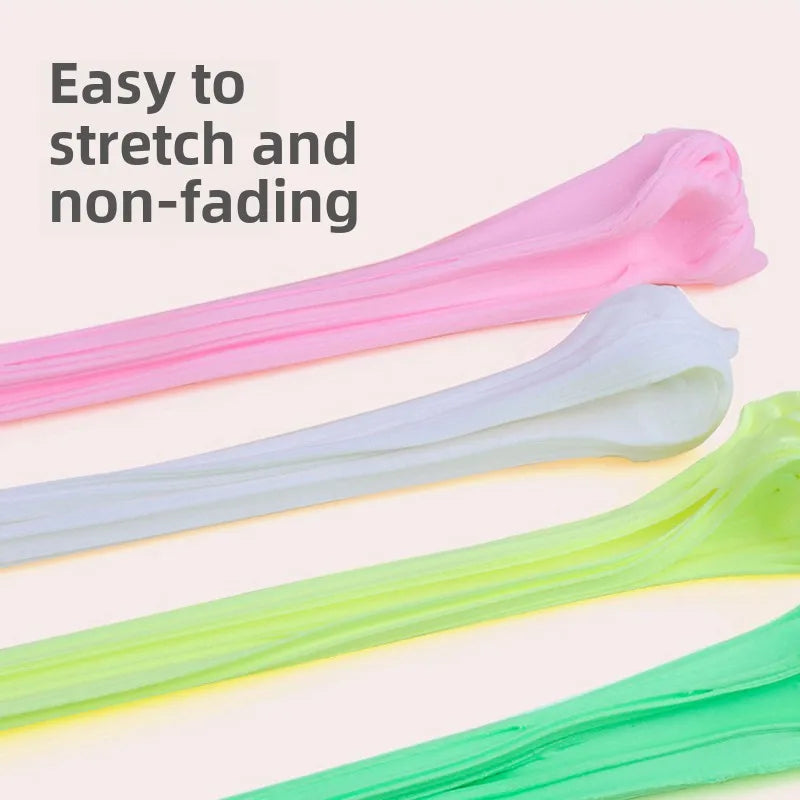
- Cellulose fibers: Help improve flexibility and reduce the chance of cracking as the clay dries.
How the Ingredients Affect Performance
Each ingredient changes how air dry clay feels and performs. More flexible formulas may be easier for children and beginners because they are softer and easier to manipulate. Stronger formulas may hold fine details better for decorative sculptures and more advanced crafts.
The balance between water, binders, and fillers affects important qualities such as:
- Texture: Softer clay is easier to knead and shape.
- Strength: Better binding helps finished pieces resist breaking.
- Flexibility: Added fibers can reduce brittleness while drying.
- Drying behavior: Different formulas may dry faster or slower depending on their ingredients.
Why Different Brands Feel Different
Not all air dry clay feels the same because manufacturers use different ingredient ratios and production methods. Some brands focus on ultra-soft textures for children, while others are designed for detailed crafting and stronger finished pieces.
When choosing air dry clay, consider the type of project you want to make. A soft, colorful clay set is often the best option for beginners, sensory play, and family crafting because it allows easy shaping and creative experimentation.
How Does Air Dry Clay Work?
How Moisture Evaporates
Air dry clay works through a natural drying process where moisture slowly leaves the clay and allows the remaining materials to harden. Unlike ceramic clay, which needs high temperatures in a kiln, air dry clay becomes solid simply by being exposed to air.
The drying process happens because:
- Water keeps the clay soft and flexible while you shape it.
- Exposure to air allows moisture to gradually evaporate.
- The binders, fillers, and fibers left behind form a firm structure.
This evaporation-based curing process is what makes air dry clay convenient for home crafting. No baking, special equipment, or heat source is required.
The Drying Process Step by Step
Understanding how air dry clay dries can help you create stronger, better-looking projects:
- Shape the clay: Mold and sculpt the clay while it is soft and workable.
- Leave it exposed to air: Place the finished piece on a flat surface where air can circulate around it.
- Moisture slowly evaporates: Water gradually leaves the clay from the surface and inside layers.
- The clay hardens: The remaining ingredients bond together, creating a solid finished piece.
Because drying happens from the outside inward, thicker projects require more time and careful drying to reduce cracking or warping.
Typical Drying Times
How long air dry clay takes to dry depends on the thickness of the piece, room temperature, humidity, and airflow. As a general guide:
- Thin pieces: Around 24 hours
- Medium-sized projects: About 1–2 days
- Thicker sculptures or larger items: Up to 3–5 days or longer
Small details may feel dry on the outside before the inside is fully hardened. Allowing extra drying time helps prevent soft spots and improves the final strength of your project.
Factors That Affect Drying
Several environmental factors can change how quickly air dry clay hardens:
- Humidity: Moist air slows evaporation and increases drying time.
- Airflow: Good ventilation helps moisture escape more evenly.
- Thickness: Thick pieces naturally take longer than thin designs.
- Room temperature: Warmer, dry environments usually speed up drying.
Avoid placing projects in direct sunlight or using high heat to force drying, as rapid moisture loss can increase the risk of cracks.
What Is Air Dried Clay Good For?
Decorative Crafts
Air dry clay is best suited for creative projects where lightweight structure and handmade details matter. Since it does not become as durable as fired ceramic clay, it is commonly used for decorative items rather than heavy-use objects.
- Decorative bowls and trays
- Wall art and ornaments
- Mini sculptures and figurines
- Clay jewelry and accessories
- Seasonal decorations
School and Kids' Projects
For children, air dry clay is a practical material for creative learning because it supports hands-on activities without requiring complicated tools. Its soft texture makes it easier for kids to practice shaping, building, and experimenting.
- Animal figures
- Handprint keepsakes
- Alphabet and learning shapes
- Simple storytelling characters
- Small craft models
Home Decor and Gifts
Many crafters use air dry clay to create personalized handmade gifts and simple home decorations. Painted and sealed pieces can become unique keepsakes for birthdays, holidays, or family projects.
Popular ideas include:
- Custom ornaments
- Photo holders
- Personalized name plaques
- Handmade gift decorations
Projects to Avoid
Although air dry clay is versatile, it is not designed for every type of project. Avoid using it for items that require high strength, constant water exposure, or food safety.
- Functional dinnerware or food containers
- Items that need to hold heavy weight
- Outdoor objects exposed to rain without proper sealing
- Projects requiring ceramic-level durability
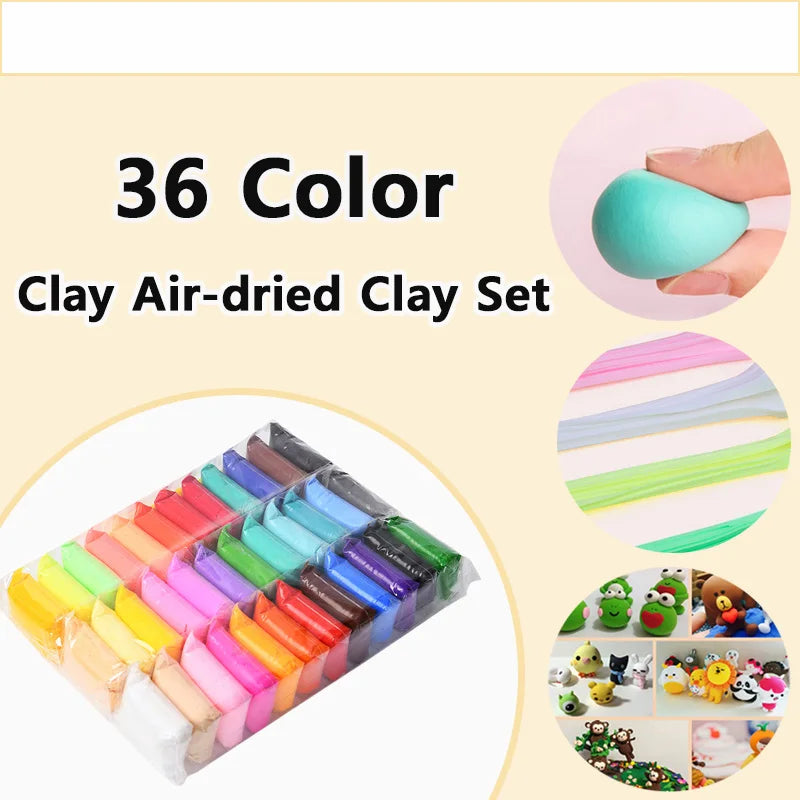
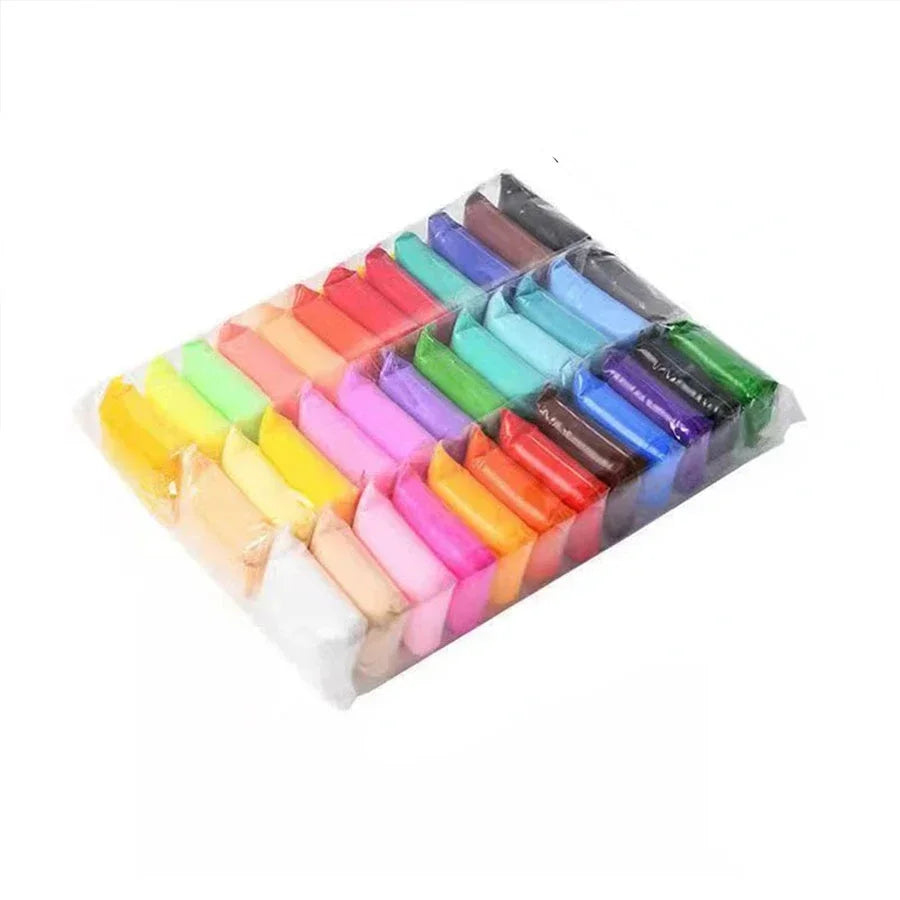
If you're just getting started, a beginner-friendly kit like the 36 Colors Air Dry Clay Set – Soft, Safe & Creative Fun can make the process easier. It offers vibrant colors, soft texture, and tools that help both kids and adults enjoy crafting without frustration.
For more creative inspiration, explore sensory toys or browse ideas in the Baby Growth & Learning Tips section.
Is Air Dry Clay Safe?
Is Air Dry Clay Toxic?
Many people ask, is air dry clay toxic , especially when choosing materials for children’s crafts. Most commercial air dry clay products are labeled non-toxic and designed for safe handling during normal use. However, non-toxic does not mean edible or suitable for consumption.
Children should always be supervised while crafting to prevent them from putting clay pieces, tools, or finished creations into their mouths. Younger children may need extra guidance because air dry clay is a craft material, not a food-safe product.
When selecting clay, look for products that provide clear safety information and meet recognized toy or art material standards, such as ASTM D-4236 labeling where applicable.
Safety Around Children
Air dry clay is generally considered a safe choice for home crafting when used correctly. Unlike materials that require heating, it does not need baking or kiln firing, which makes it easier to use during family activities.
Simple safety practices can help create a better crafting experience:
- Supervise young children during clay play
- Encourage children not to eat or lick the clay
- Wash hands after crafting sessions
- Keep unused clay sealed and stored away from very young children
- Use age-appropriate tools and materials
Air dry clay is also convenient for indoor projects because it does not produce fumes during normal drying. Keeping the workspace clean and well organized helps make crafting safer and more enjoyable.
Choosing Air Dry Clay for Kids
When deciding what should I consider when choosing air dry clay for kids , focus on safety labels, texture, and ease of use. The best clay for children should be soft enough to shape easily while providing clear product information.
- Non-toxic labeling: Choose products clearly marked as non-toxic for craft use.
- Child-friendly design: Look for clay sets made specifically for children or beginners.
- Soft texture: Softer clay is easier for small hands to mold and reduces frustration.
- No strong chemical smell: Avoid products with unusual or unpleasant odors.
- Safety standards: Check whether the product follows applicable material safety guidelines.
You can also explore safe options in Health & Safety collections for peace of mind.
Air Dry Clay vs Polymer Clay vs Ceramic Clay
Comparison Table
| Feature | Air Dry Clay | Polymer Clay | Ceramic Clay |
| Curing Method | Dries naturally through evaporation | Hardens through oven baking | Requires kiln firing |
| Ease of Use | Very beginner-friendly | Moderate skill level | Requires more experience and equipment |
| Kid-Friendly | Yes, with supervision | Usually requires adult guidance | Less suitable for casual kids' projects |
| Durability | Good for decorative items | Higher strength for detailed crafts | Highest durability when properly fired |
| Best For | Beginners, crafts, school projects | Jewelry, detailed models, collectibles | Pottery, functional ceramics, professional work |
Strength and Durability
The biggest difference between these clays is how strong the finished product becomes. Air dry clay is excellent for decorative crafts and beginner projects, but it is usually less durable than baked polymer clay or kiln-fired ceramic clay.
Polymer clay often creates stronger, more detailed pieces because it cures into a firm plastic-like material after baking. Ceramic clay can become extremely durable after kiln firing, making it suitable for functional pottery and long-lasting objects.
Which Clay Should You Choose?
For most beginners, air dry clay is the easiest place to start because it requires no special equipment and allows quick creative exploration. It works especially well for children, family activities, classroom projects, and simple handmade decorations.
Choose air dry clay if you want:
- An easy material with no baking required
- A safe option for beginner crafting
- Simple DIY decorations and learning activities
Choose polymer clay if you need more detailed designs, stronger finished pieces, or specialized craft results. Choose ceramic clay if your goal is traditional pottery and you have access to the necessary tools and firing equipment.
Pros and Cons of Air Dry Clay
Advantages
Air dry clay is a popular choice for beginners because it offers a simple way to create handmade projects without the equipment or learning curve required for traditional pottery. Its main benefits include:
- No baking or kiln required: Projects harden naturally at room temperature, making crafting easier at home.
- Beginner-friendly: The soft texture makes it simple for children, hobbyists, and first-time creators to shape.
- Affordable and accessible: It is widely available and does not require expensive tools or supplies.
- Lightweight and versatile: It works well for decorations, school projects, gifts, and creative experiments.
- Easy to customize: Finished pieces can be painted, decorated, and sealed for improved appearance and protection.
Limitations
Although air dry clay is convenient, it has some limitations that are important to understand before starting a project:
- May crack during drying: Pieces can develop cracks if they are too thick, dry too quickly, or lose moisture unevenly.
- Not naturally waterproof: Finished creations can soften or become damaged when exposed to water unless properly sealed.
- Less durable than fired clay: It is better suited for decorative items than heavy-use objects or functional pottery.
- Requires careful drying: Larger projects need patience because the outside may dry before the inside is fully hardened.
Who Should Use It?
Air dry clay is a great choice for anyone who wants an easy, low-cost way to explore creativity without specialized equipment. It is especially suitable for:
- Kids and families: A simple material for supervised creative play and learning activities.
- Beginners: Ideal for practicing sculpting techniques without the pressure of complex tools or processes.
- DIY crafters: Useful for making decorations, handmade gifts, and personalized projects.
- Teachers and classrooms: A practical option for art activities and hands-on learning.
If you want a material that is easy to start with and enjoyable for creative exploration, air dry clay offers a good balance of convenience, flexibility, and affordability.
Beginner Tips and Common Mistakes
How to Prevent Cracks
Cracking is one of the most common challenges beginners experience with air dry clay. These simple techniques can help create smoother, stronger finished pieces:
- Keep the thickness of your project as even as possible.
- Avoid making very thick solid pieces that dry unevenly.
- Let clay dry slowly in a shaded area instead of direct sunlight.
- Smooth rough areas with a small amount of water while shaping.
- Allow enough drying time before painting or moving the finished piece.
How to Store Air Dry Clay
Proper storage helps prevent unused clay from becoming hard and unusable. To keep air dry clay soft:
- Store opened clay in an airtight container.
- Wrap leftover clay tightly with plastic before placing it in storage.
- Keep clay away from heat and direct sunlight.
- Add a few drops of water and gently knead if clay begins to lose moisture.
Mistakes Beginners Should Avoid
Many first-time crafters can improve their results by avoiding a few common mistakes:
- Adding too much water: Excess moisture can make clay sticky and difficult to shape.
- Drying too quickly: Fast drying can cause uneven shrinkage and cracks.
- Making unsupported shapes: Thin parts may break if they are not properly attached or reinforced.
- Skipping preparation: A clean workspace and basic tools make projects easier and more successful.
Simple First Projects
Beginners often get the best results by starting with small projects that do not require complex techniques. Good first ideas include:
- Mini animals and simple characters
- Keychains and small accessories
- Decorative bowls or trays
- Handprint keepsakes
- Simple ornaments and gift decorations
Using a soft, ready-to-use kit like the 36 Colors Air Dry Clay Set can make your first projects smoother and more enjoyable—especially for kids learning through play.
For more beginner-friendly ideas, check out Baby Care Tips & Advice or explore Baby Growth & Learning tools.
Conclusion
Air dry clay is one of the most beginner-friendly crafting materials available because it combines simple handling with endless creative possibilities. It does not require baking or kiln firing, making it a convenient choice for kids, families, students, and anyone exploring handmade projects for the first time.
Understanding how air dry clay works, what it is made of, how long it takes to dry, and how to care for finished pieces helps you create better results. For the best experience, choose projects that match the material’s strengths, allow enough drying time, and use proper storage and sealing techniques when needed.
Whether you are creating small decorations, learning activities, handmade gifts, or creative keepsakes, air dry clay offers an easy way to turn ideas into real objects. Start with simple projects, experiment with different shapes and techniques, and enjoy the creative process.
Looking for an easy beginner option? A complete starter kit like the 36 Colors Air Dry Clay Set can help you begin crafting with colorful, ready-to-use clay designed for creative fun.
Related Articles:
- Air Dry Clay Tools Guide: Must-Have Kits, Tips & Techniques
- How to Soften Air Dry Clay: Easy Methods That Actually Work
- DIY Air Dry Clay Projects: Step-by-Step Crafts & Ideas
- Sensory Play Activities: 50+ Fun Ideas by Age, Theme & Setup Time
- Learning Educational Toys Guide for Safe, Age-Appropriate Play
- Air Dry Clay Instructions: Step-by-Step Guide for Beginners
- Clay Craft Ideas: 25 Easy Projects for Beginners
- How to Preserve Air Dry Clay: Complete Guide to Prevent Cracks, Warping & Damage
- Easy Clay Ideas for Beginners: 12 Simple DIY Projects





