

Children's Bicycle Frame Materials Durability Explained
Is aluminum the best children's bicycle frame material for durability?
For most toddlers and young children, an aluminum alloy frame offers the best balance of durability, low weight, corrosion resistance, and value. While steel is exceptionally tough and carbon fiber is lighter, aluminum is easier for children to control, resists rust, and withstands everyday bumps without adding unnecessary weight. The ideal choice still depends on your child's age, riding style, and budget, but an alloy frame is the best all-around option for most families.
Alloy Frame Toddler Bike Comparison: Durability vs Weight
⏱ 9 min read
Choosing an alloy frame toddler bike isn't just about picking the lightest model. Frame material affects how easily your child learns to ride, how well the bike survives years of use, and whether it can be handed down to younger siblings. This guide compares children's bicycle frame materials, explains aluminum vs steel kids bike frame differences, and helps you choose the best option for your family.
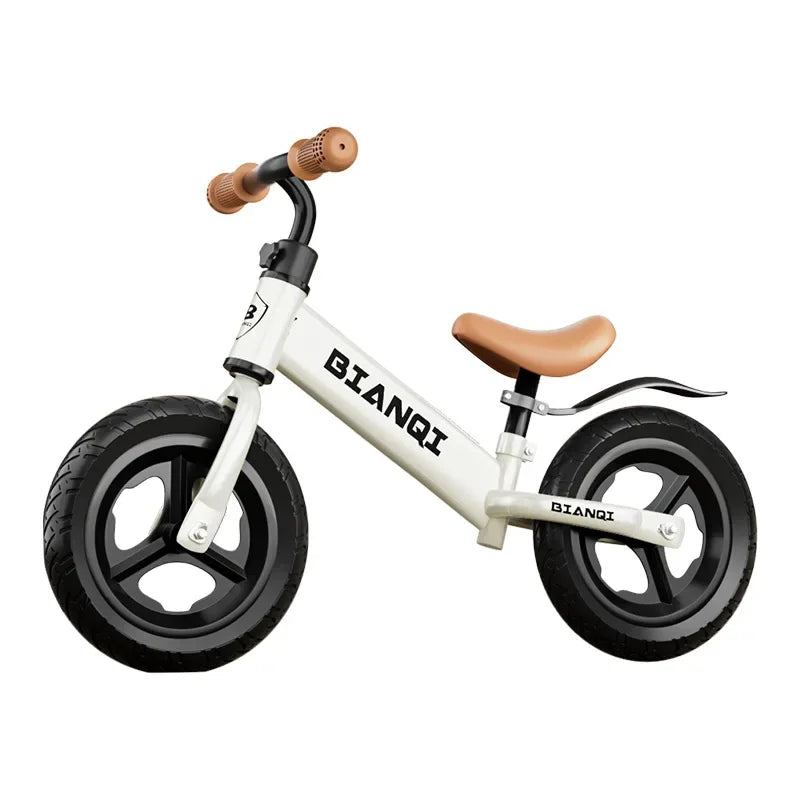
Alloy frame toddler bike design showing lightweight balance and strength. See it in action.
Understanding Children's Bicycle Frame Materials
Modern kids' bikes are made from several frame materials, each with unique strengths. Understanding these differences makes it easier to balance weight, durability, maintenance, and price.
Steel
Steel remains one of the strongest bicycle frame materials for kids. It absorbs impacts well and is often found on entry-level bikes. However, steel weighs more than aluminum and requires better rust protection if exposed to moisture.
Aluminum Alloy
An alloy frame toddler bike uses aluminum blended with other metals to increase strength while keeping weight low. Aluminum alloy resists corrosion, is easy for children to maneuver, and offers excellent long-term value. For most families, it represents the best bike frame material for children because it combines durability with manageable weight.
Carbon Fiber
Carbon fiber delivers exceptional weight savings but comes at a significantly higher price. While extremely stiff and efficient, it is uncommon on children's bikes because impact damage can be more difficult to detect and repair.
Magnesium
Magnesium frames have become more common on premium balance bikes. They are lightweight, naturally dampen vibration, and often feature one-piece molded construction. They typically cost more than aluminum models.
Composite Materials
Some children's bikes use engineered composite plastics or hybrid materials for specific components. These are usually reserved for lightweight beginner bikes and should come from reputable manufacturers that meet recognized safety standards.
Comparison Table: Durability, Weight, Maintenance, and Lifespan
| Frame Material | Weight | Durability | Maintenance | Corrosion Resistance | Repairability | Typical Lifespan |
|---|---|---|---|---|---|---|
| Aluminum Alloy | Light | Excellent for everyday use | Low | Excellent | Moderate | Many years with normal care |
| Steel | Heavy | Very high | Moderate | Fair | Excellent | Very long if rust is prevented |
| Carbon Fiber | Very light | Strong but impact-sensitive | Low | Excellent | Limited | Long with careful use |
| Magnesium | Very light | Good | Low | Good | Limited | Long with proper care |
How Frame Material Affects Weight and Handling
Bike weight has a direct impact on learning. A lighter bike requires less effort to push, steer, and stop, helping young riders develop confidence more quickly.
- Toddlers benefit most from lightweight bikes that are easier to balance.
- Preschool children gain better control when the bike is proportionally light for their size.
- Older children may prioritize durability if riding more aggressively.
- Extremely heavy bikes can slow learning because children spend more energy controlling the bike than developing riding skills.
An alloy frame toddler bike typically offers the best balance between lightweight handling and everyday durability, making it one of the most practical choices for first-time riders.
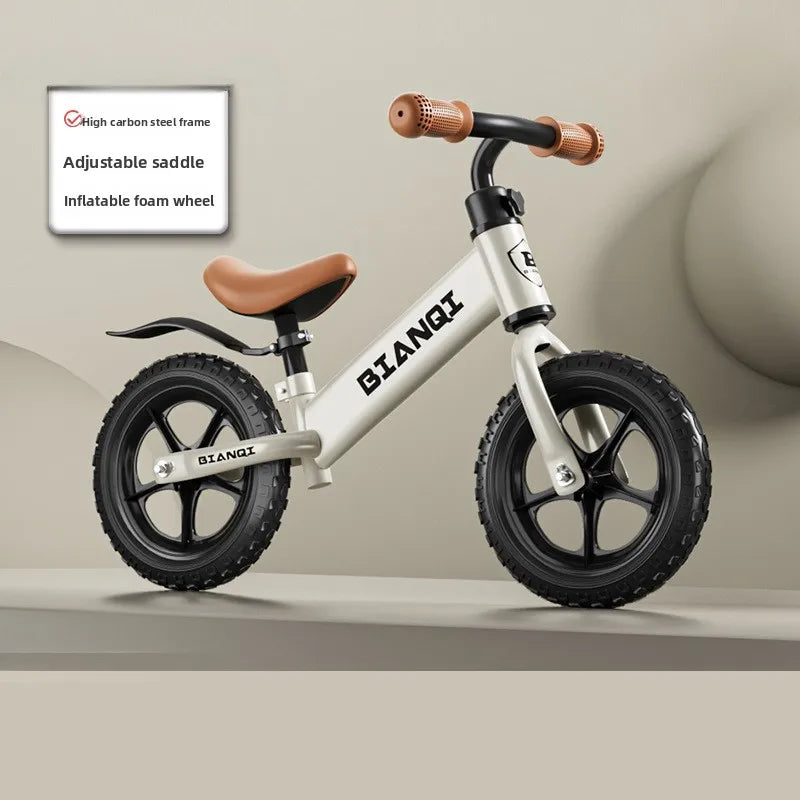
Comparing frame materials and their impact on handling and durability.
Durability Beyond Material: Frame Design and Manufacturing Quality
The frame material is only one part of the equation. High-quality manufacturing has a major influence on long-term reliability.
Weld Quality
Smooth, consistent welds improve structural integrity and reduce stress points that may develop cracks over time.
Tube Shaping
Manufacturers often shape aluminum tubing to reduce weight while reinforcing areas that experience greater stress during riding.
Heat Treatment
Many premium aluminum frames undergo heat treatment to restore strength after welding, improving fatigue resistance and overall lifespan.
Quality Control
A well-designed frame from a trusted manufacturer is generally more durable than a poorly manufactured frame made from a premium material.
Steel vs Aluminum vs Carbon vs Magnesium
| Material | Pros | Cons | Best For |
|---|---|---|---|
| Steel | Extremely durable, repairable | Heavier, can rust | Budget bikes and rough everyday use |
| Aluminum Alloy | Lightweight, corrosion resistant, excellent value | Slightly less forgiving than steel | Most toddlers and young children |
| Carbon Fiber | Very light and efficient | Expensive, less practical for young riders | High-performance older riders |
| Magnesium | Lightweight, vibration absorbing | Higher cost, fewer choices | Premium balance bikes |
For nearly every family purchasing a first balance bike, aluminum delivers the strongest combination of performance, durability, and cost of ownership.
Which Frame Material Is Best for Your Child?
Toddlers
An alloy frame toddler bike is usually the best option because the lighter weight helps children build balance and steering skills with less effort.
Aluminum continues to be an excellent choice as riding sessions become longer and confidence improves.
School-Age Riders
Children riding frequently on sidewalks, parks, or neighborhood streets benefit from aluminum's low maintenance and comfortable handling.
Trail and BMX Riders
Older children who ride aggressively may choose heavier-duty aluminum or steel frames depending on riding style and intended terrain.
Families browsing Mobility & Training often prioritize equipment that encourages independent movement while remaining easy for children to control.
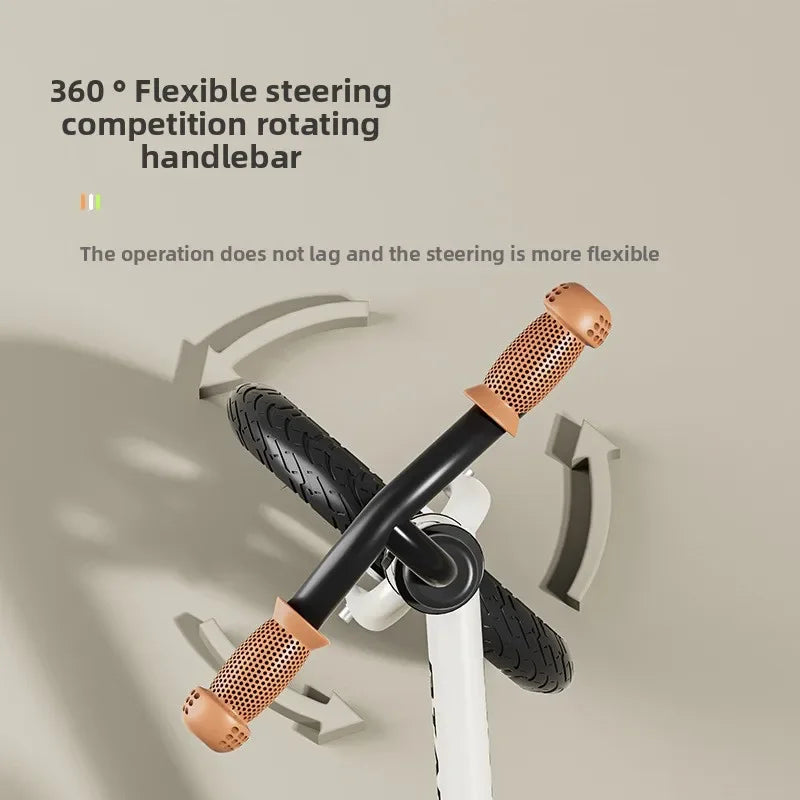
A lightweight alloy frame helps young riders build confidence through everyday practice.
Maintenance Tips to Maximize Frame Lifespan
- Wash dirt and mud from the frame after outdoor rides.
- Dry the bike before storing it to reduce corrosion on steel components.
- Inspect welds, handlebars, wheels, and the fork regularly for signs of damage.
- Store the bike indoors or under cover whenever possible.
- Tighten loose bolts according to the manufacturer's recommendations.
For more riding advice, families may also find these resources helpful:
- Children's bike sizing guide
- Balance bike vs pedal bike
- Kids bike safety checklist
- How to maintain a children's bicycle
- Best helmets for kids
Parents exploring Baby Growth & Learning can also discover additional resources that support healthy movement and skill development.
Frequently Asked Questions
Which children's bicycle frame material lasts the longest?
Both steel and aluminum can last for many years when properly maintained. Steel may tolerate repeated impacts slightly better, while aluminum resists corrosion and requires less maintenance.
Is aluminum or steel better for a child's first bike?
For most beginners, aluminum is the better choice because its lighter weight helps children steer, balance, and maneuver more easily.
Does a lighter bike help children learn faster?
Generally yes. A lighter bike is easier to control, allowing young riders to focus on balance instead of managing unnecessary weight.
Are carbon fiber kids' bikes worth buying?
Usually not. Carbon fiber provides minimal practical benefit for toddlers while costing considerably more than quality aluminum bikes.
How durable are magnesium bike frames for children?
Magnesium frames are lightweight and durable enough for everyday riding, although aluminum typically offers a broader selection and better overall value.
What frame material is easiest to repair?
Steel is generally the easiest material to repair, while aluminum repairs require specialized equipment. Carbon and magnesium repairs are more limited.
Can a quality alloy frame last through multiple children?
Yes. A well-made alloy frame can easily last through several children if it is maintained properly and inspected after significant crashes.
How does rider weight affect frame durability?
Children's bikes are designed within specific weight limits. Staying within the manufacturer's recommendations helps maximize frame life and overall safety.
Related Guide: Best Balance Bike for Toddlers: Side-by-Side Comparison





