

Baby Rattles for Auditory Stimulation: What Really Helps?
Do baby rattles for auditory stimulation really help infant development?
Baby rattles for auditory stimulation support healthy sensory learning by helping infants notice sounds, locate where they come from, and connect movement with noise. They do not improve hearing ability or treat hearing problems. Instead, when used gently during everyday play, they encourage age-appropriate listening, visual attention, motor development, and caregiver interaction in a safe, engaging way.
⏱ 9 min read
Auditory Stimulation Baby Rattles: How to Use Them Safely
Auditory stimulation baby rattles are more than simple toys—they introduce babies to gentle sounds while encouraging early sensory exploration. Used appropriately, they support infant auditory development, strengthen attention, and teach cause-and-effect through play. Choosing a wooden rattle made from safe toys for newborns can also help minimize overstimulation. The key isn't simply owning a rattle—it's understanding when, why, and how to use one safely.
Concerned about introducing sound toys too early? Most healthy newborns can safely enjoy gentle rattle play when sessions are brief, supervised, and adapted to their developmental stage. Here's what current child development guidance suggests.
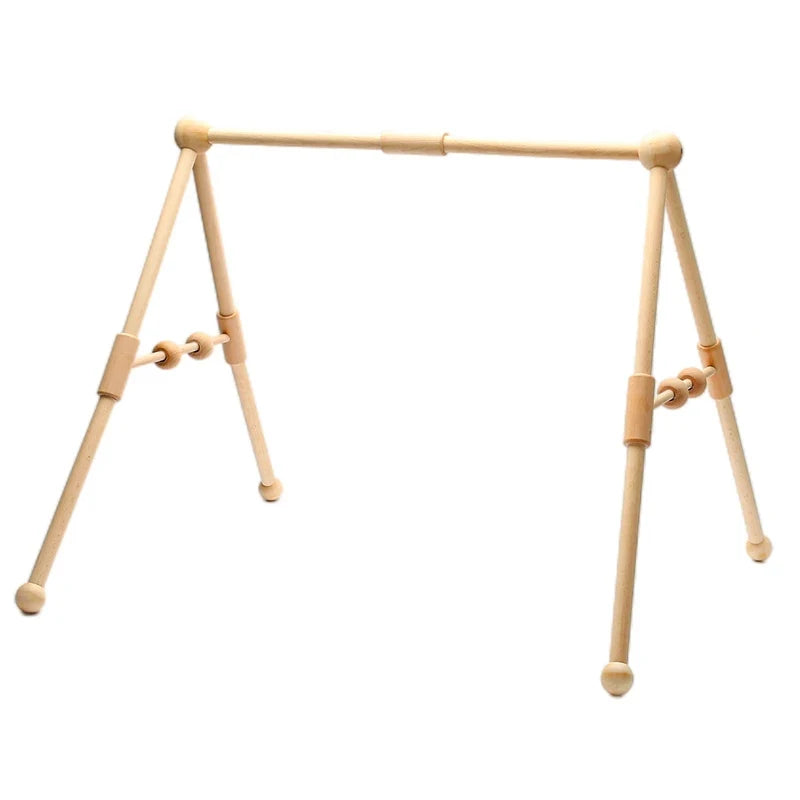
Auditory stimulation baby rattles supporting infant auditory development with gentle sound play. See it in action.
Why Auditory Stimulation Matters in the First Year
During the first year of life, babies rapidly develop the ability to recognize voices, locate sounds, and connect what they hear with what they see and feel. Responsive interaction with caregivers plays a much larger role than any single toy, but auditory stimulation for babies can become part of healthy daily routines.
Birth to 3 months
Newborns typically respond to familiar voices and sudden sounds. Gentle rattles encourage babies to briefly focus, listen, and begin turning their heads toward interesting noises.
3 to 6 months
Babies become better at tracking sounds while improving vision and hand movements. Reaching for a rattle combines hearing, sight, and touch into one multisensory learning experience.
6 to 12 months
Older infants intentionally shake rattles to produce sounds, strengthening cause-and-effect understanding while supporting early communication and motor skills.
Pairing sound play with calm routines such as tummy time or diaper changes helps babies feel secure. Many parents also explore resources in Baby Growth & Learning for additional age-appropriate developmental activities.
How Baby Rattles Support Hearing, Sensory, and Motor Development
Direct answer: Infant auditory development toys such as rattles support healthy sensory learning by encouraging babies to notice sound direction, coordinate vision with movement, strengthen grasping skills, and discover that their actions create predictable results.
Sound localization
Moving a rattle slowly from one side to another encourages babies to turn toward the sound, helping them practice locating where noises originate.
Visual tracking
Following both the sound and movement of a rattle helps infants coordinate hearing with visual attention.
Grasping and hand-eye coordination
As babies begin reaching and holding lightweight rattles, they strengthen fine motor control while learning to coordinate their movements.
Cause-and-effect learning
When babies discover that shaking the rattle creates sound, they begin understanding simple cause-and-effect relationships—an important cognitive milestone.
Rather than "improving hearing," rattles simply provide repeated opportunities for babies to practice listening and interacting with their environment in a developmentally appropriate way.
When to Use Rattles for Babies
Newborns (0–3 months)
Use the rattle yourself instead of placing it in your baby's hands. Keep it at arm's length and shake it gently once or twice during short, quiet interactions lasting just a few minutes.
3–6 months
As babies begin reaching, allow supervised opportunities to touch or briefly hold lightweight rattles with easy-to-grip handles.
6–12 months
Older babies usually enjoy independently shaking rattles, passing them between hands, and incorporating them into songs or simple games.
Development matters more than age alone. If your baby becomes tired, fussy, or overwhelmed, it's perfectly appropriate to end the activity and try again later.
How to Use Baby Rattles Safely
Direct answer: To use baby rattles safely, keep the toy several inches away from your baby's ears, supervise every play session, use short periods of play, and stop if your baby shows signs of overstimulation.
Safe play techniques
- Keep distance: Never shake a rattle directly beside your baby's ears.
- Choose quiet surroundings: Reduce background television or music so babies can focus on one sound.
- Use short sessions: Around 2–5 minutes is usually enough for newborns.
- Let your baby participate: Allow babies to observe, reach, and eventually shake the rattle themselves.
Signs of overstimulation
- Turning away repeatedly
- Crying or fussiness
- Yawning or rubbing eyes
- Arching the back or becoming unusually tense
When to stop play
End the activity whenever your baby loses interest or appears uncomfortable. Short, positive experiences are more beneficial than extended stimulation.
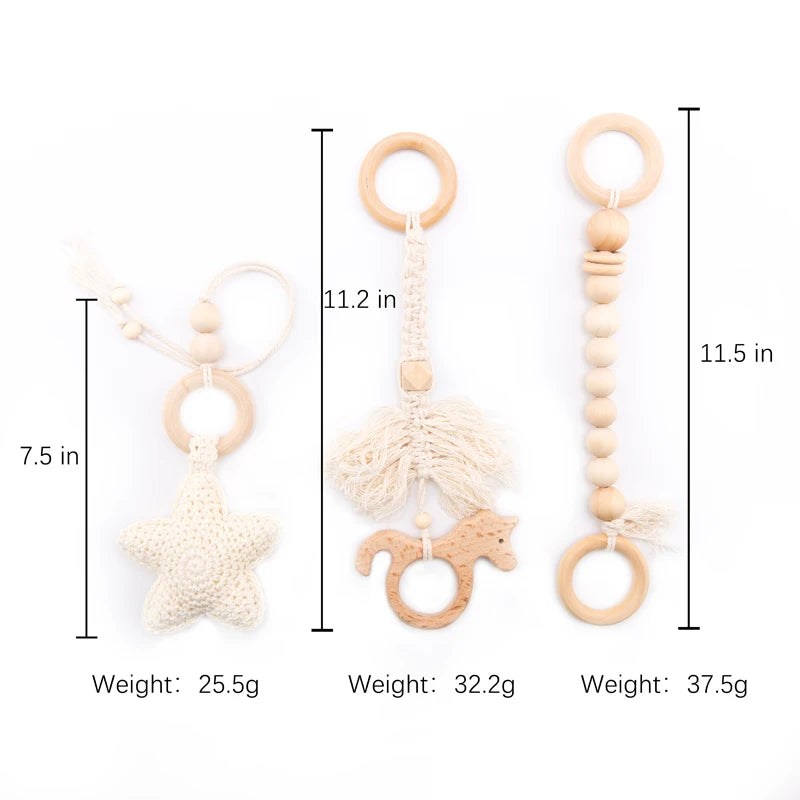
Using a wooden rattle to encourage infant auditory development safely. See it in action.
How to Choose the Best Baby Rattles
The best rattles for newborns combine gentle sound, safe construction, and an easy-to-hold design. Simplicity often provides the most appropriate sensory experience.
Wooden vs. plastic rattles
Wooden rattles often produce softer, more natural sounds, while quality plastic rattles may be lighter and easier to sanitize. Either material can be safe if it meets appropriate safety requirements.
Sound level
Select rattles with soft, pleasant sounds rather than loud or sharply rattling designs.
Size and grip
Choose lightweight rattles with rounded edges that are easy for little hands to grasp.
Safety certifications
Look for products that comply with applicable toy safety regulations in your region, use child-safe finishes, and have securely attached components.
| Feature | Why It Matters |
|---|---|
| Natural wood | Produces gentle, calming sounds |
| Water-based finish | Safer if babies mouth the toy |
| One-piece or securely constructed design | Helps reduce choking hazards |
| Lightweight handle | Easier for developing grip strength |
Parents often combine sensory play with bedtime routines using products from Sleep & Comfort.
You can explore a thoughtfully designed option here: Baby Wooden Rattle Play Gym.
Wooden Baby Rattles: Benefits and Considerations
Advantages
- Gentle natural sound
- Durable construction
- Simple design that reduces sensory overload
- Often made with fewer electronic components
Potential drawbacks
- Can be heavier than some plastic alternatives
- Require regular inspection for cracks or splinters
- Not all wooden toys use child-safe finishes, so check product information carefully
Cleaning and maintenance
Follow the manufacturer's instructions. Most wooden rattles should be wiped with a slightly damp cloth and dried immediately rather than submerged in water. Inspect regularly and replace any damaged toy.
Common Mistakes Parents Make With Sound Toys
Using toys too close to the ears
Always maintain a comfortable distance. Babies have sensitive hearing, and loud sounds at close range may be uncomfortable.
Overstimulation
Avoid using multiple noisy toys simultaneously or extending play sessions after your baby loses interest.
Ignoring age recommendations
Select toys designed for your baby's developmental stage and inspect them frequently for signs of wear.
- Don't assume louder toys provide better learning.
- Replace rattles that become cracked or damaged.
- Always supervise playtime.
Simple Activities to Encourage Auditory Development With Rattles
Tracking sounds
Slowly move the rattle from left to right while giving your baby time to follow the sound and movement with their eyes.
Turn-taking games
Shake the rattle, pause, smile, and talk to your baby. These back-and-forth interactions encourage communication and social engagement.
Tummy time activities
Place the rattle within your baby's visual field during supervised tummy time to encourage lifting the head, reaching, and listening at the same time.

Safe toys for newborns that support auditory stimulation baby rattles. See it in action.
Frequently Asked Questions
Do baby rattles improve hearing?
No. Baby rattles do not improve hearing ability. They support healthy auditory stimulation for babies by providing opportunities to practice listening, tracking sounds, and interacting with caregivers.
How early can I introduce rattles to my baby?
Many babies can enjoy gentle rattle sounds within the first few weeks of life when sessions are brief, supervised, and the toy is kept away from the ears.
When should babies start responding to rattle sounds?
Many newborns react to familiar or gentle sounds from birth, while more consistent sound tracking often develops over the first few months.
What are the best rattles for newborns?
Choose lightweight rattles with soft sounds, rounded edges, safe finishes, and age-appropriate construction designed specifically for young infants.
Are wooden baby rattles safe?
Yes, when they are made from child-safe materials, use non-toxic finishes, meet applicable safety standards, and are regularly inspected for damage.
Can rattles overstimulate babies?
Yes. Loud sounds, long play sessions, or multiple noisy toys at once may overwhelm some babies. Keep sessions short and watch for signs of fatigue.
How long should rattle play sessions last?
For newborns, 2–5 minutes is often enough. Older babies may enjoy somewhat longer sessions if they remain engaged and comfortable.
How do I know if a rattle is too loud?
If the sound seems uncomfortably loud when held close to your own ear, it is probably too loud to shake near your baby's head. Choose toys with softer, gentler sounds.
What safety standards should baby rattles meet?
Look for rattles that comply with recognized toy safety regulations in your country, have securely attached parts, and are free from obvious defects before each use.
Related Guide: How to Stimulate Newborns With Simple Daily Play Routines





