

How to Choose the Right Size Hip Seat Carrier for Back Relief
Does a baby carrier hurt your back?
A baby carrier can hurt your back when most of your child's weight rests on your shoulders or pulls your body forward. A properly fitted hip seat carrier transfers more of that load to your hips and core, helping improve posture, reduce pressure on the lower back, and keep your baby in a healthy seated position. In many cases, correct sizing and adjustment matter just as much as the carrier design.
Baby Carrier Hurts Back? Hip Seat Options Ranked
⏱ 9 min read
If your baby carrier hurts back muscles after only a short walk, the problem often isn't babywearing itself—it's an incorrect fit, poor weight distribution, or the wrong style of carrier. This guide explains how to choose the right size hip seat carrier for back pain relief, compare the most supportive options, avoid common sizing mistakes, and understand when a hip seat is the right solution.
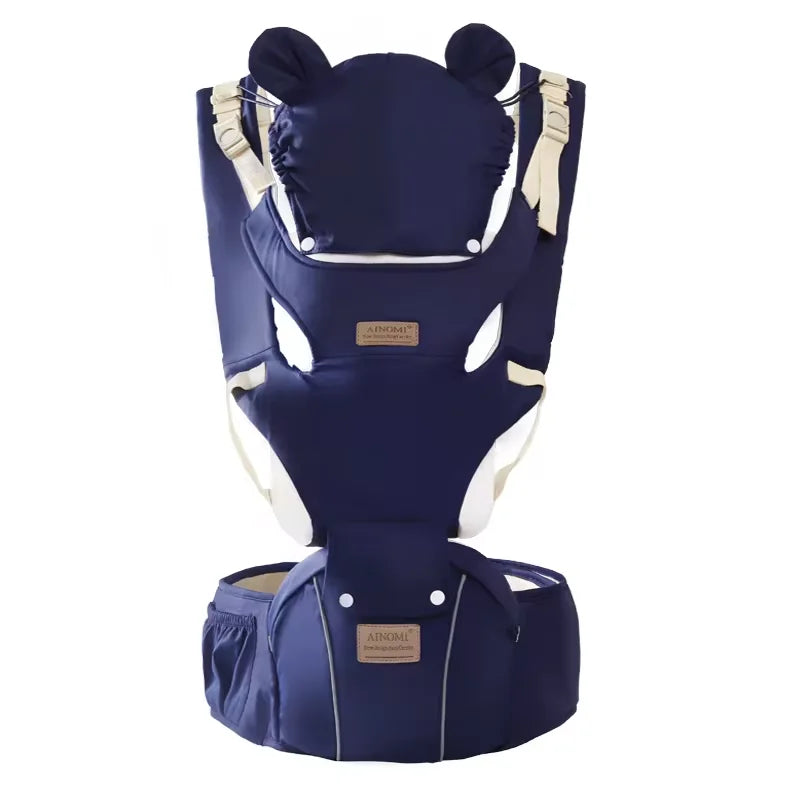
Baby carrier hurts back? A properly fitted hip seat helps distribute weight more evenly.
How to Choose the Right Size Hip Seat Carrier for Back Pain Relief
Choosing the correct size is one of the most important factors for reducing discomfort while babywearing. Even the highest-rated carrier cannot provide proper support if the waist belt is too loose, the seat sits too low, or the baby's weight isn't centered.
This guide is especially helpful for parents experiencing lower back soreness, shoulder fatigue, or neck tension after carrying their baby. The goal is to create even weight distribution across the hips and core rather than concentrating pressure on the spine.
Why the Wrong Hip Seat Carrier Size Causes Lower Back Pain
A poorly fitted carrier changes your posture without you realizing it. As your body compensates, muscles fatigue more quickly and pressure builds in the lower back.
- Loose waist belts allow the seat to slide downward.
- Oversized belts reduce load transfer to the hips.
- Incorrect seat height pulls your center of gravity forward.
- Uneven shoulder straps create twisting through the spine.
Common signs of poor fit include shoulder pressure, numb hips, frequent repositioning, lower back soreness, and feeling like you need to lean backward while walking.
Step-by-Step Hip Seat Carrier Sizing Guide
Measure Your Waist Correctly
Measure around the area where the waist belt will sit—not your trouser waist. Most parents achieve the best support when the belt rests above the hips and below the rib cage.
Check Waist Belt Adjustment Range
Choose a carrier with sufficient adjustment to allow a snug fit while wearing everyday clothing or thicker winter layers. A secure waist belt should stay in place without excessive tightening.
Match Carrier Size to Baby Weight and Age
Always verify the manufacturer's recommended weight and age range. Babies who have gained weight rapidly may need a different adjustment even if they still fit within the stated limits.
Test the Fit Before Long Carrying Sessions
Wear the carrier for 10 to 15 minutes indoors before extended outings. Walk, bend gently, and climb a few stairs. If you notice pressure points or shifting, make small adjustments before heading outside.
Most parents begin using a hip seat around 4 to 6 months, once their baby has developed reliable head and neck control. As babies grow, regular fit adjustments become increasingly important.
| Baby Stage | Typical Use | Sizing Consideration |
|---|---|---|
| 4-6 months | Supported carrying | Proper head and neck support |
| 6-12 months | Daily outings | Adjust belt as baby gains weight |
| 12+ months | Frequent up-and-down carrying | Ensure seat remains level and stable |
Maintaining an ergonomic "M" leg position supports healthy hip positioning while improving carrying comfort for parents.
What Is a Hip Seat Carrier?
A hip seat carrier combines a supportive waist belt with a structured platform that allows your hips—not your shoulders—to carry much of your baby's weight. This design reduces forward pulling, encourages a healthy sitting posture, and makes frequent pick-ups easier.
Hip seat carriers work particularly well for parents who frequently alternate between carrying and setting their child down. However, they are not ideal for every situation. Long hikes, hands-free activities, or newborn carrying may sometimes be better served by another ergonomic carrier depending on the baby's age and your needs.
Hip Seat Carrier vs Other Carrier Types for Back Pain
Hip Seat Carrier vs Baby Carrier
Traditional baby carriers typically rely on shoulder straps to support more of the baby's weight, while hip seats shift a larger portion onto the waist belt.
Hip Seat vs Soft Structured Carrier
Soft structured carriers often provide excellent all-day support, especially for younger babies. Hip seat carriers excel during frequent lifting because they reduce the effort needed to repeatedly position the child.
Hip Seat Carrier vs Ergonomic Carrier
An ergonomic carrier generally offers better support for long-distance walking, while a hip seat carrier is often preferred for short trips, errands, and toddlers who frequently want to be picked up and put down.
Hip Seat Carrier Options Ranked by Support
1) Structured Hip Seat with Back Panel (Best Overall)
A structured hip seat with a supportive back panel offers the best combination of stability, comfort, and even weight distribution for parents experiencing back discomfort.
- ✅ Excellent lower back support
- ✅ Wide waist belt improves load distribution
- ✅ Suitable for longer carrying sessions
- ❌ Slightly bulkier than minimalist models
Best for: Daily walks, travel, older babies, and parents managing recurring back pain.
See the baby hip seat carrier details
2) Minimal Hip Seat (Best for Short Trips)
Minimal hip seats are lightweight and convenient for quick errands or carrying toddlers for short periods.
- ✅ Lightweight
- ✅ Quick to put on
- ❌ Less lumbar support
- ❌ Better suited to shorter carrying sessions
3) Shoulder-Only Sling with Seat (Least Supportive)
Although compact, shoulder-supported designs frequently create uneven loading across one side of the body, making them a poor choice for parents already experiencing back pain.
- ❌ Uneven weight distribution
- ❌ Increased shoulder fatigue
- ❌ Higher chance of posture imbalance
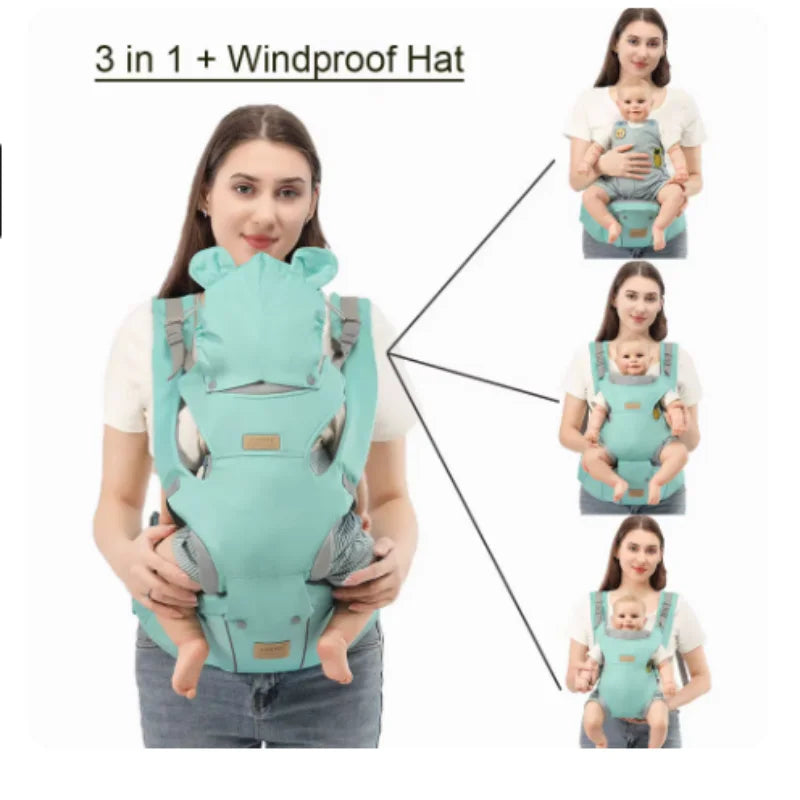
Comparing hip seat styles helps identify the best support for your back.
Side-by-Side Comparison
| Design | Back Comfort | Weight Distribution | Sizing Flexibility | Best Use |
|---|---|---|---|---|
| Structured Hip Seat | High | Excellent | Excellent | Daily use |
| Minimal Hip Seat | Medium | Good | Moderate | Short outings |
| Soft Structured Carrier | High | Excellent | Good | Long walks |
| Sling with Seat | Low | Poor | Limited | Occasional use |
How to Adjust a Hip Seat Carrier for Maximum Back Pain Relief
- Position the waist belt high around your waist.
- Keep the seat level rather than angled downward.
- Tighten shoulder straps until your baby stays close to your body.
- Ensure most of the weight feels supported by your hips instead of your shoulders.
- Recheck the fit as your baby grows.
Pairing supportive carriers with recovery tools from Massage & Relaxation can help tired muscles recover after longer outings.
Common Sizing and Adjustment Mistakes That Make Back Pain Worse
- Wearing the waist belt too loosely.
- Positioning the seat too low on the hips.
- Ignoring adjustments as your baby gains weight.
- Overtightening shoulder straps while leaving the waist belt loose.
- Skipping fit checks before longer walks.
Supportive sleep routines from Sleep & Comfort can also reduce how long you need to carry during the day.
Hip Seat Carrier Disadvantages
Hip seat carriers provide excellent support for many parents, but they are not perfect for every situation.
- Can feel bulky under jackets.
- Not ideal for long-distance hiking.
- Weight still increases as babies become toddlers.
- Some minimalist designs provide limited lumbar support.
- Parents with chronic back conditions may still benefit from alternating with a fully ergonomic carrier.
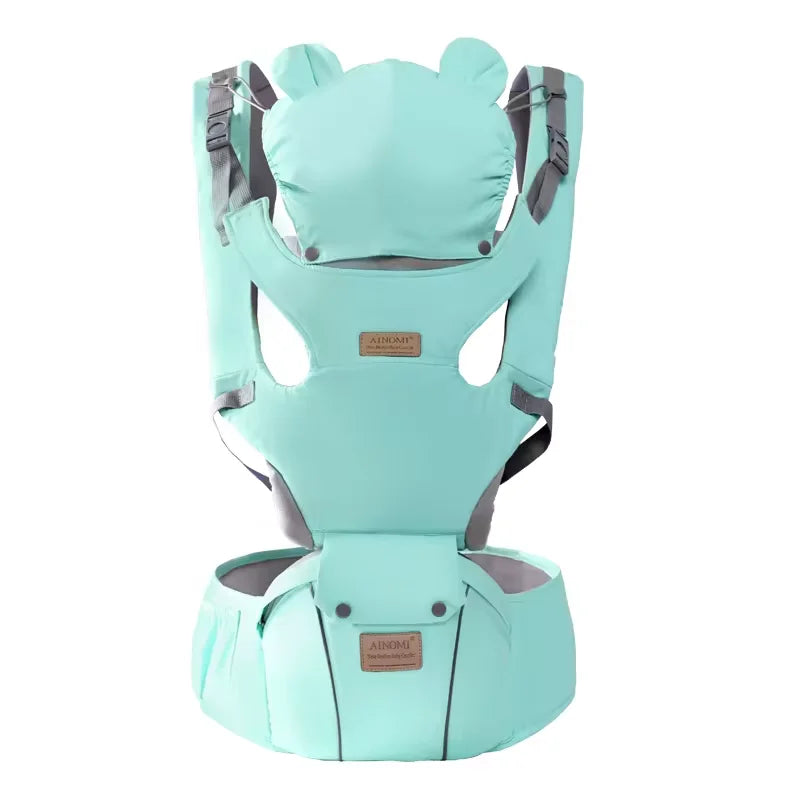
Proper sizing and adjustment help maximize comfort during everyday carrying.
Frequently Asked Questions
How do I measure my waist for a hip seat carrier?
Measure around the area where the waist belt will sit during use, usually slightly above your hips. Compare that measurement with the manufacturer's adjustment range before purchasing.
What size hip seat carrier should I buy?
Select a carrier with a waist belt that comfortably fits your measurement while leaving room for seasonal clothing. Also confirm the carrier supports your baby's current weight.
Can the wrong carrier size worsen lower back pain?
Yes. A loose or incorrectly sized carrier allows the baby's weight to shift away from your center of gravity, increasing pressure on the lower back and shoulders.
Are hip seat carriers better than ergonomic carriers for chronic back pain?
It depends on how you use them. Hip seat carriers are excellent for frequent lifting and shorter outings, while ergonomic carriers may provide greater comfort during longer continuous walks.
When should I size up or replace a hip seat carrier?
Review the fit whenever your child experiences a significant growth spurt or approaches the carrier's maximum weight recommendation. Replace the carrier if adjustments no longer provide a secure, comfortable fit.
Related Guide: Best Baby Hip Seat Carrier: Side-by-Side Comfort Tests





