

Do Babies Knees Hurt When They Crawl? What Parents Should Know
Do babies' knees hurt when they crawl?
In most cases, babies' knees do not hurt when they crawl. Their knees are naturally protected by soft cartilage, fatty tissue, and flexible joints that are designed for early movement. However, crawling on rough, hard, or hot surfaces can cause temporary redness or skin irritation. If your baby has persistent pain, swelling, refuses to bear weight, or develops unexplained bruising, it's worth contacting your pediatrician.
⏱ 8 min read
Baby Knees Hurt Crawling: Simple Fixes That Work at Home
Watching your baby crawl is exciting—until you notice red knees, fussing, or hesitation during floor play. It's natural to wonder whether crawling is uncomfortable. Fortunately, healthy crawling is normally painless. While some babies develop mild redness or skin irritation from friction, simple adjustments like softer play surfaces and properly fitted knee protection can keep them comfortable while supporting healthy motor development.
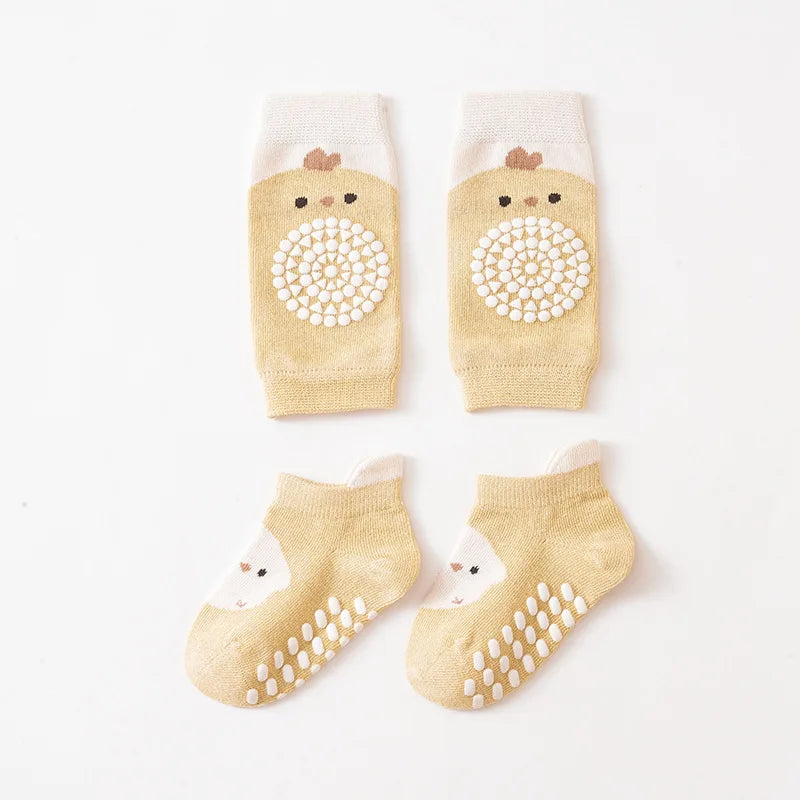
Protect baby knees during crawling with simple home solutions that encourage confident movement.
Why crawling usually does not hurt babies' knees
Many parents assume crawling must be uncomfortable because babies spend so much time on their hands and knees. In reality, healthy infants are built for this stage of development, and crawling rarely causes true knee pain.
Natural fat pads and cartilage protect the knees
Unlike adult knees, babies have thick layers of soft tissue and developing cartilage that cushion pressure during crawling. Their lower body weight also places far less stress on the knees than adults experience when kneeling.
Most babies may experience:
- Mild redness after extended crawling sessions
- Temporary skin marks from textured carpets
- Slight rubbing on hardwood or tile floors
These changes typically fade shortly after playtime and are considered a normal response to friction rather than injury.
How babies crawl differently from adults
Babies distribute their weight across their hands, knees, and lower legs instead of placing all of it directly onto the kneecaps. Their movements are also shorter, slower, and naturally cushioned by flexible joints, making crawling an efficient way to develop strength and coordination.
Rather than avoiding crawling because of concerns about discomfort, supervised floor time is one of the best ways to encourage healthy physical development.
Normal redness vs bruising: What parents should know
When red knees are normal
Red knees after crawling are common, especially on hardwood, tile, or textured rugs. Mild redness usually appears immediately after play and fades within minutes to a couple of hours without treatment.
- Skin looks pink or slightly red
- No swelling or warmth
- Your baby continues crawling happily
- Redness improves after rest
Signs of bruising or injury that need attention
Bruising is much less common than redness. While occasional minor bruises can happen as babies become more mobile, parents should monitor symptoms that seem unusual.
- Dark purple or blue bruises that appear without obvious bumps
- Swelling around the knee
- Your baby refuses to crawl or bear weight
- Persistent crying when the knee is touched
- Warmth, redness, or fever that could indicate infection
If these symptoms develop or worsen, seek medical advice rather than assuming they are caused by normal crawling.
When should you contact a pediatrician?
Most crawling-related skin irritation can be managed at home. However, you should contact your pediatrician if your baby experiences:
- Persistent knee pain lasting more than a day
- Significant swelling or limited movement
- Repeated unexplained bruising
- Fever alongside knee redness or swelling
- Complete refusal to crawl after previously crawling comfortably
These symptoms may indicate an injury or another medical condition that requires professional evaluation.
Do babies need crawling knee pads?
Crawling knee pads are not essential for every baby, but they can be helpful in certain situations. Most babies crawl perfectly well without them, especially on carpeted or foam-covered floors.
Benefits and limitations
Properly fitted knee pads can:
- Reduce friction on hardwood and tile floors
- Help prevent skin irritation during long play sessions
- Provide extra grip on smooth surfaces
- Offer comfort for babies with sensitive skin
However, knee pads should never be so tight that they restrict circulation or movement.
When they may be helpful
Consider using crawling knee pads or reinforced knee pants if your baby:
- Frequently crawls on hardwood or tile
- Develops repeated redness despite softer play areas
- Has sensitive skin or mild eczema around the knees
- Enjoys long crawling sessions throughout the day
| Option | Best For | Benefits |
|---|---|---|
| Crawling Knee Pads | Short play sessions | Adjustable, breathable, easy to remove |
| Reinforced Knee Pants | Longer daily wear | Built-in cushioning with less slipping |
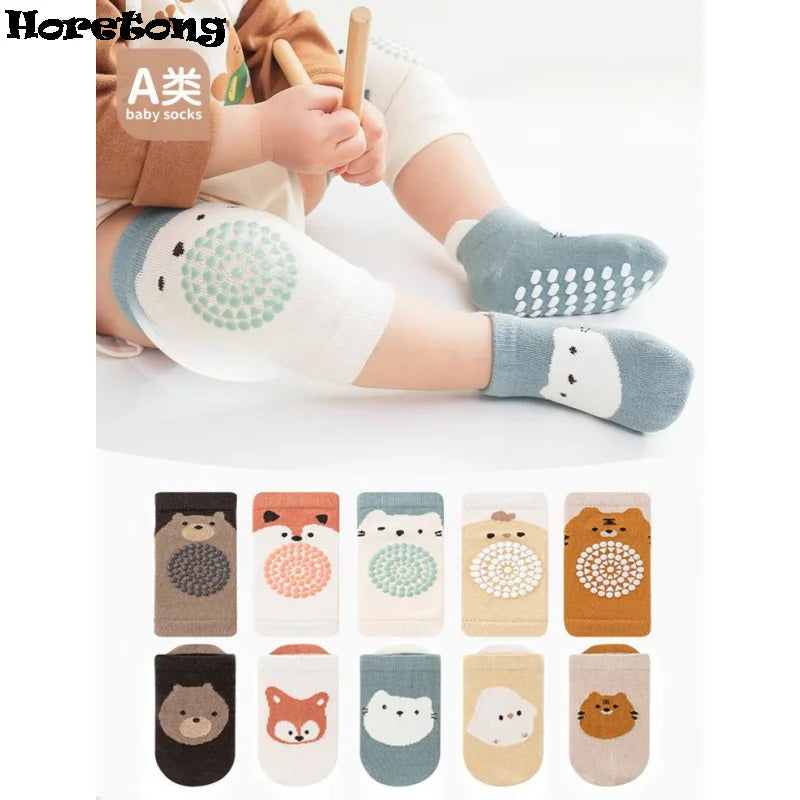
Soft knee protection can reduce friction while allowing natural crawling movement.
Tips for safe and comfortable crawling
Carpet vs hardwood floors
Both surfaces are safe when properly maintained, but softer flooring generally provides more cushioning.
- Foam mats offer excellent cushioning during play.
- Clean carpet provides natural padding.
- Hardwood and tile are safe but may increase skin friction.
- Avoid rough concrete, hot patios, or abrasive outdoor surfaces.
Keeping crawling areas safe
Create an environment that encourages exploration while reducing unnecessary irritation.
- Vacuum and clean floors regularly.
- Remove small objects and sharp debris.
- Keep your baby's skin clean and moisturized if it becomes dry.
- Allow plenty of supervised floor time for practice.
- Use clothing that stretches freely without restricting movement.
For developmental support ideas, explore Baby Growth & Learning resources that encourage movement safely.
Explore everyday safety essentials inside Baby Care Essentials and Health & Safety.
How crawling supports healthy development
Crawling is much more than a way to move around. It helps babies build the physical and neurological skills needed for future milestones.
- Strengthens shoulders, arms, hips, and core muscles
- Develops balance and coordination
- Improves communication between the left and right sides of the brain
- Supports visual tracking and spatial awareness
- Prepares babies for pulling up, standing, and walking
Providing safe opportunities for daily crawling allows babies to practice these skills at their own pace while building confidence through exploration.
Comfortable crawling helps babies explore, strengthen muscles, and prepare for walking.
Frequently asked questions
Do babies' knees hurt when they crawl?
Usually not. Healthy babies are naturally built for crawling, and most experience little more than temporary skin redness from friction on certain surfaces.
Why are my baby's knees red after crawling?
Mild redness is commonly caused by friction against hardwood, tile, or textured carpet. It should fade shortly after crawling stops and is usually not a sign of injury.
Is it normal for babies to get bruised knees from crawling?
Small bruises may occasionally occur as babies become more active, but frequent, unexplained, or severe bruising should be evaluated by a healthcare professional.
Do babies need crawling knee pads?
Not always. Most babies crawl comfortably without them, but knee pads can help reduce friction on hard floors or protect babies with sensitive skin.
Can crawling on hardwood floors hurt a baby's knees?
Hardwood floors usually do not cause knee pain, but they may lead to mild skin irritation during long crawling sessions. Foam mats or knee protection can improve comfort.
When should I call a doctor about my baby's knees?
Contact your pediatrician if your baby develops persistent pain, swelling, limited movement, unexplained bruising, fever, or suddenly refuses to crawl after previously doing so comfortably.
Related Guide: Prevent Baby Slipping Indoors Step by Step Safety Guide





