

Baby Learning to Walk Safely: Simple Daily Practice Guide
How can baby learning to walk safely every day?
Baby learning to walk safely happens when daily movement is supported by balance-focused play, clear floor space, and steady guidance. Short practice sessions, paired with a walker push toy like a wooden push walker or activity center walker, help babies build coordination, confidence, and muscle strength while reducing slips and falls.
Baby Learning to Walk Safely: Simple Daily Practice Guide
Baby learning to walk safely doesn’t have to feel stressful for parents or overwhelming for little ones. With the right daily habits and support tools, babies can build balance, confidence, and coordination faster than many expect. Simple routines paired with a walker push toy, a sturdy wooden push walker, or an engaging activity center walker help reduce falls while encouraging natural movement. Curious how a few minutes a day can change everything?
⏱ 7 min read
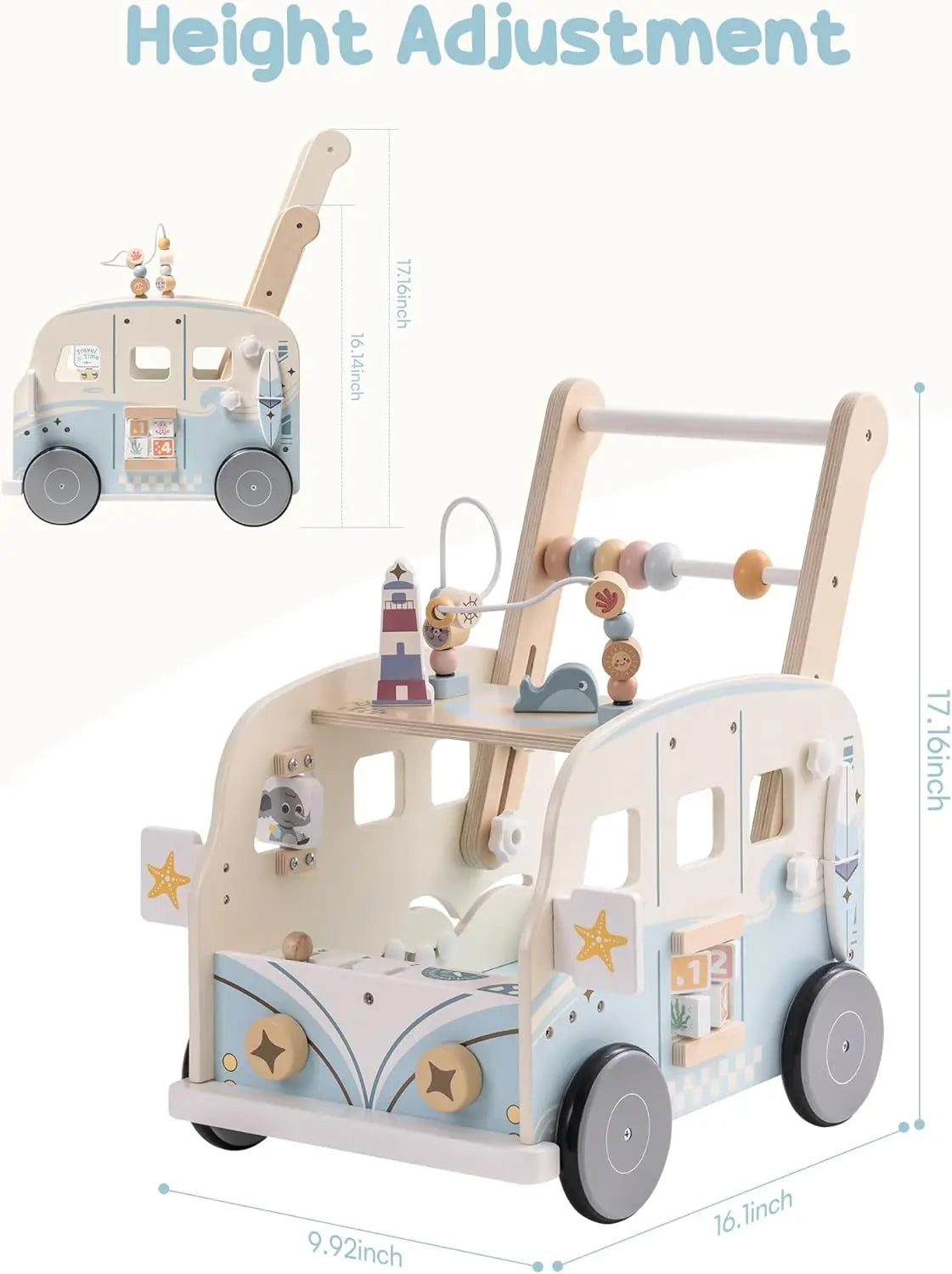
Baby learning to walk safely with a walker push toy — 💡 See it in action
Why Walking Safety Matters in Early Development
Baby learning to walk safely is not just about avoiding bumps. It directly affects posture, balance habits, and long-term coordination. When babies feel secure, they take more steps, try new movements, and develop trust in their own abilities.
Unsafe environments or rushed practice can lead to hesitation, frequent falls, or fear of movement. A calm, supportive setup allows babies to explore at their own pace while strengthening legs and core muscles.
Parents often worry about:
- Slipping on smooth floors
- Furniture edges at walking height
- Lack of balance when standing up
- Over-reliance on being held
That’s why pairing daily practice with guidance from Health & Safety solutions and age-appropriate mobility tools makes such a difference.
A Simple Daily Walking Practice Routine That Works
Baby learning to walk safely improves fastest with short, consistent routines instead of long sessions. Five to ten minutes, two or three times a day, is often enough.
- Clear the space – Use a flat, uncluttered area with non-slip flooring.
- Warm up with floor play – Crawling and kneeling activate key muscles.
- Introduce supported standing – Let baby pull up using a stable object.
- Practice forward movement – A walker push toy encourages controlled steps.
- End with praise and rest – Positive feedback builds confidence.
Choosing the Right Support Tools for Safer First Steps
Baby learning to walk safely is much easier when babies can hold onto something designed for balance, not speed.
Walker Push Toy
A walker push toy gives babies a stable surface to grip while moving forward. Unlike ride-on walkers, push styles promote upright posture and controlled pacing.
Wooden Push Walker
Many parents prefer a wooden push walker because of its weight and stability. The added resistance helps prevent tipping and encourages steady, intentional steps.
Activity Center Walker
An activity center walker combines movement with sensory engagement. Buttons, shapes, and textures keep babies interested while practicing balance.
For mobility-focused options that support growth milestones, explore Mobility & Training and Baby Growth & Learning collections.
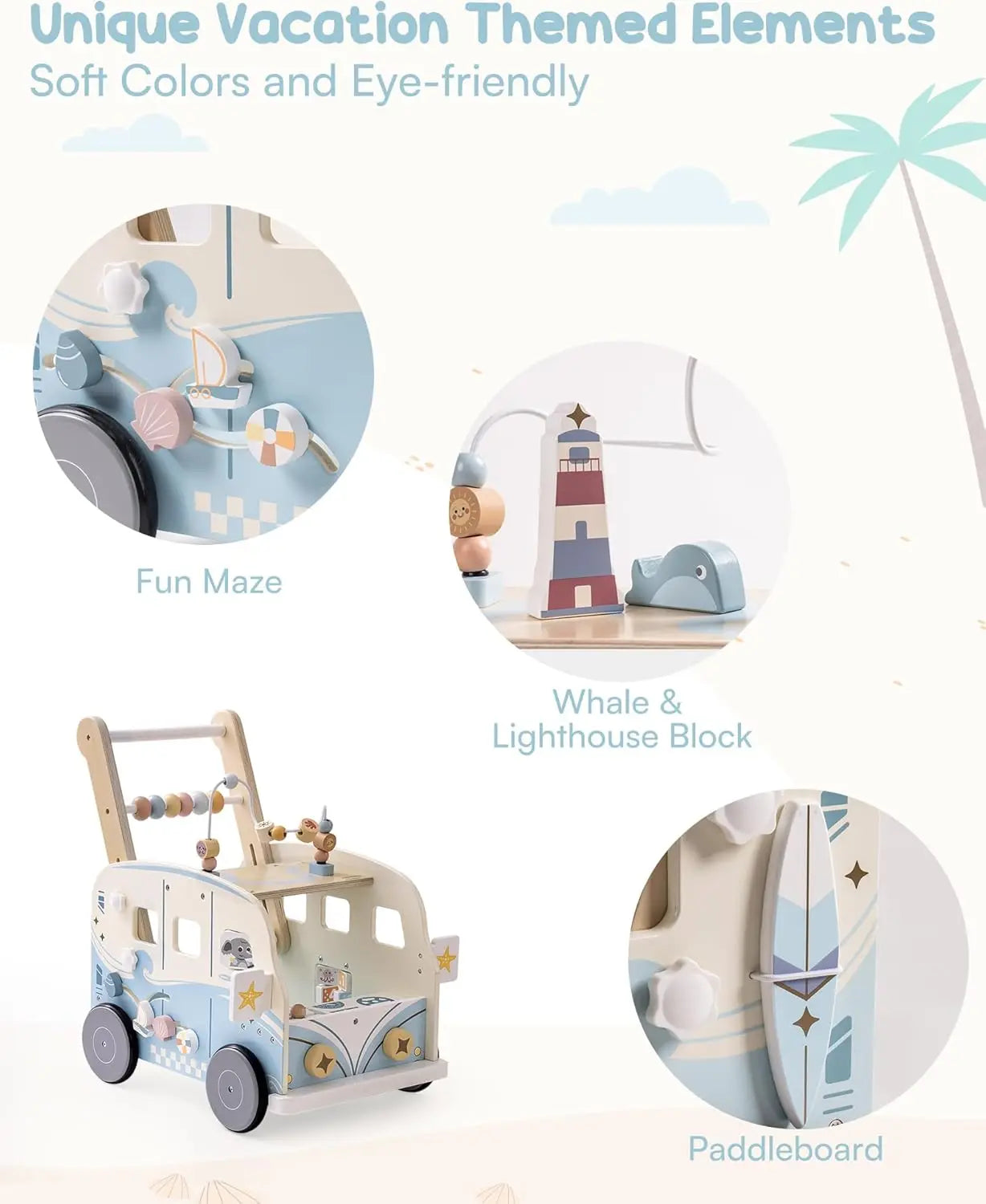
Wooden push walker and activity center walker supporting baby learning to walk safely — 💡 See it in action
Common Mistakes That Increase Falls
Baby learning to walk safely can be delayed by well-meaning but counterproductive habits.
| Common Habit | Why It’s Risky |
|---|---|
| Using wheeled ride-on walkers | Encourages speed over balance |
| Holding both hands constantly | Limits natural balance learning |
| Long practice sessions | Causes fatigue and more falls |
| Cluttered walking space | Increases tripping hazards |
Instead, focus on fewer supports that encourage independence, and use safety-focused accessories from Baby Care Essentials.
How to Build Confidence Without Pressure
Baby learning to walk safely depends as much on emotional comfort as physical strength.
- Let babies initiate movement instead of pushing them forward.
- Smile, clap, and stay close without hovering.
- Accept falls as part of learning, not failure.
- Use familiar toys or an activity center walker to motivate steps.
Parents often notice that once fear is removed, progress happens quickly. Supportive routines and calm reactions make walking feel like play, not practice.
Real Parent Experiences and Results
Many parents report noticeable improvements within one to two weeks of consistent daily practice.
“After introducing a wooden push walker, my daughter stopped rushing and started balancing herself. Falls dropped almost immediately.”
“The activity center walker kept my son focused. He went from standing to walking across the room in days.”
These experiences highlight how the right tools, combined with simple routines, support baby learning to walk safely without stress.
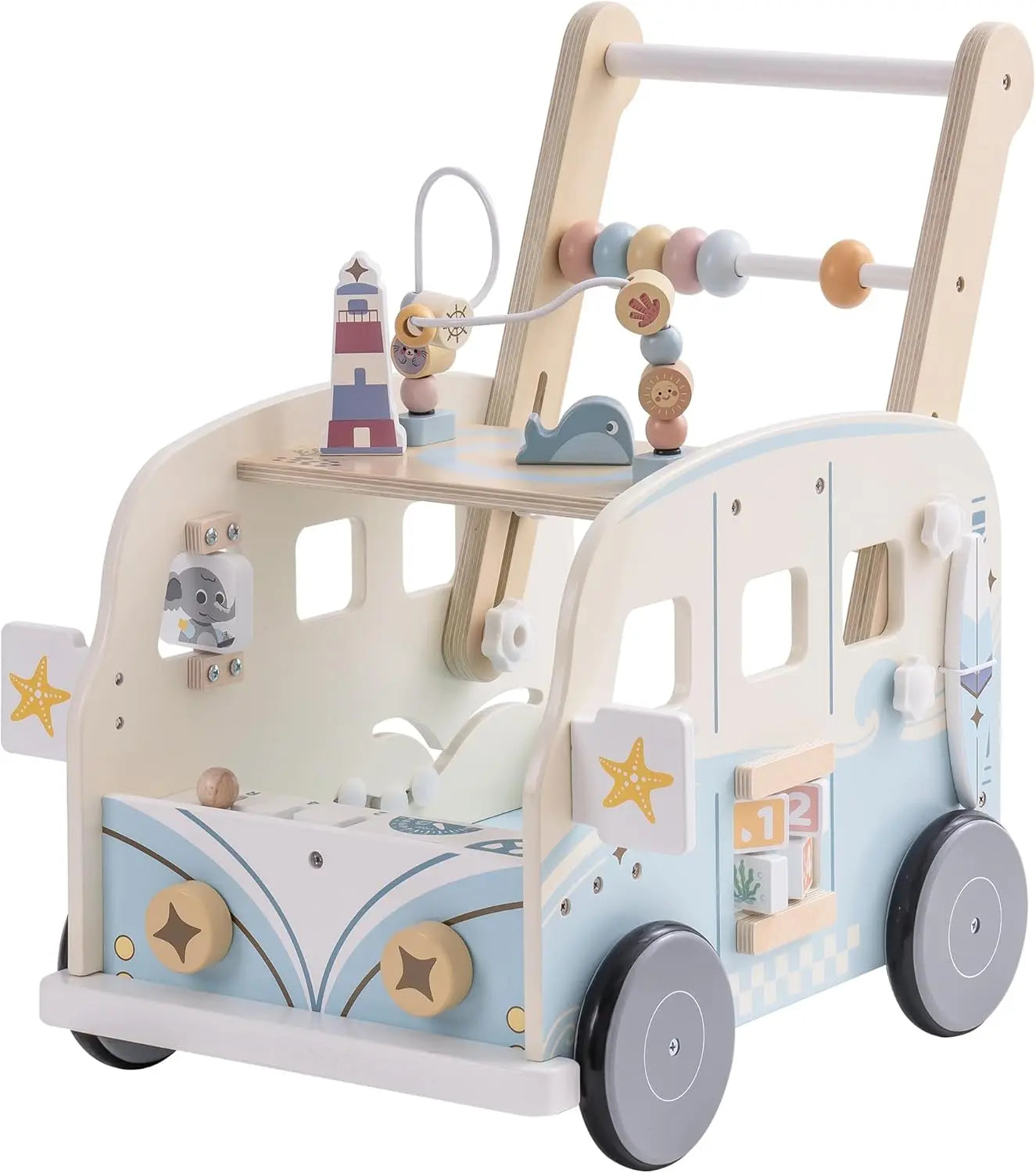
Supporting baby learning to walk safely with a wooden push walker — 💡 See it in action
View Wooden Baby Walker
Mini FAQ
How often should I practice walking with my baby?
Short sessions two or three times a day work best. Consistency matters more than duration for baby learning to walk safely.
Is a wooden push walker better than plastic?
A wooden push walker is often heavier and more stable, which can help babies control speed and maintain balance.
When should I stop using a walker push toy?
Once your baby walks confidently without support, gradually reduce use and encourage free walking in a safe space.
Related Guide: How to Teach Infant to Walk Step by Step at Home





