

Baby Remote Control Toy Comparison: Learning Features That Matter
Baby Remote Control Toy Comparison: Learning Features That Matter
⏱ 7 min read
Does a baby remote control toy really support early learning?
A baby remote control toy encourages early learning by supporting imitation, cause-and-effect discovery, and sensory engagement. With buttons that trigger sounds and lights, a toy tv remote control helps infants copy adult actions safely. Choosing the right infant remote control toy promotes screen-free play while building attention, motor skills, and curiosity.
Baby remote control toy choices can feel overwhelming, especially when you want something that truly helps your child learn while keeping play simple and safe. Many parents notice their baby reaching for the TV remote—so why not offer a version designed just for them? Below, we break down what features actually matter, how different designs compare, and which option fits your child’s stage best.
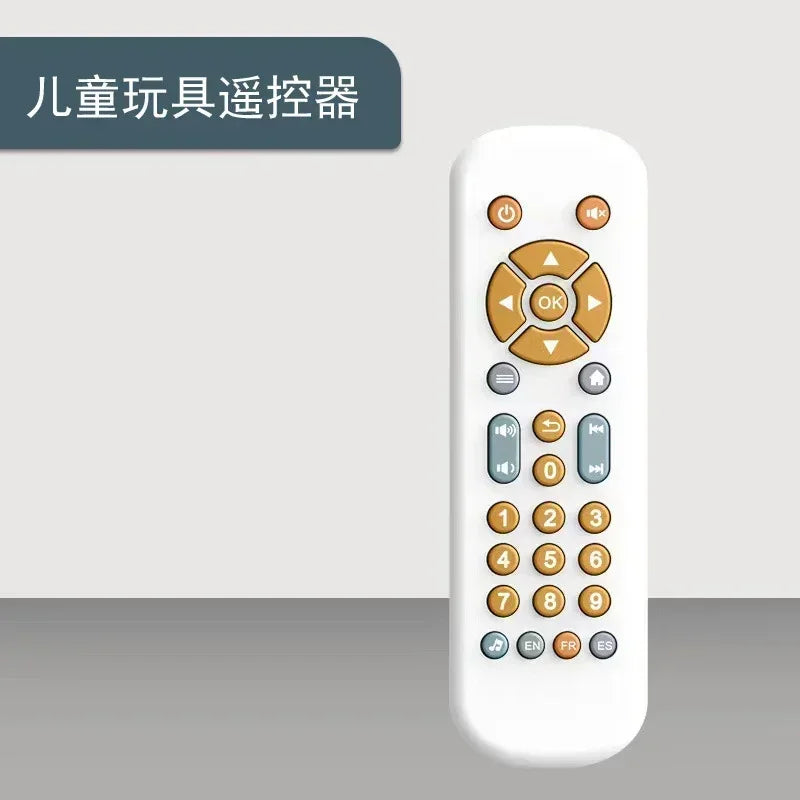
Baby remote control toy with simple buttons supports imitation activities for infants — 💡 See it in action
Curious why babies are so drawn to remotes? It’s not random—this interest is deeply connected to how infants learn by watching and copying adults.
Why Babies Love Remote-Style Toys
Babies are natural imitators. When they see parents pressing buttons daily, they want to copy that behavior. A baby remote control toy transforms this curiosity into purposeful play.
- Encourages imitation activities for infants
- Introduces cause and effect in a clear way
- Feels familiar yet safe for small hands
- Offers engagement without screen exposure
Many families pair these toys with other learning options from Baby Growth & Learning to create balanced daily play routines.
Key Learning Features That Matter Most
A baby remote control toy may look simple, but the right features make a big difference in how much your child gains from play.
Cause-and-Effect Buttons
Buttons that respond instantly with sound or light teach babies that their actions matter. This builds early confidence and problem-solving skills.
Sensory Balance
Too many lights or loud sounds can overwhelm infants. The best infant remote control toy uses gentle audio cues and soft lighting.
Easy Grip Design
Rounded edges and textured backs support developing motor skills and make the toy comfortable to hold.
Imitation Without Screens
A toy tv remote control allows role play without introducing real screen time, supporting healthier habits early on.
For babies who crave tactile feedback, combining a remote-style toy with options from Sensory Toys can extend engagement.
Side-by-Side Comparison of Popular Options
Not all baby remote control toys offer the same learning value. This overview highlights where each style fits best.
| Feature | Basic Sound Remote | Light & Sound Remote | Interactive Learning Remote |
|---|---|---|---|
| Cause & Effect | ✔ | ✔✔ | ✔✔✔ |
| Sensory Stimulation | Low | Moderate | Balanced |
| Imitation Play | Basic | Strong | Strong + Guided |
| Longevity | Short-term | Mid-term | Longer-term |
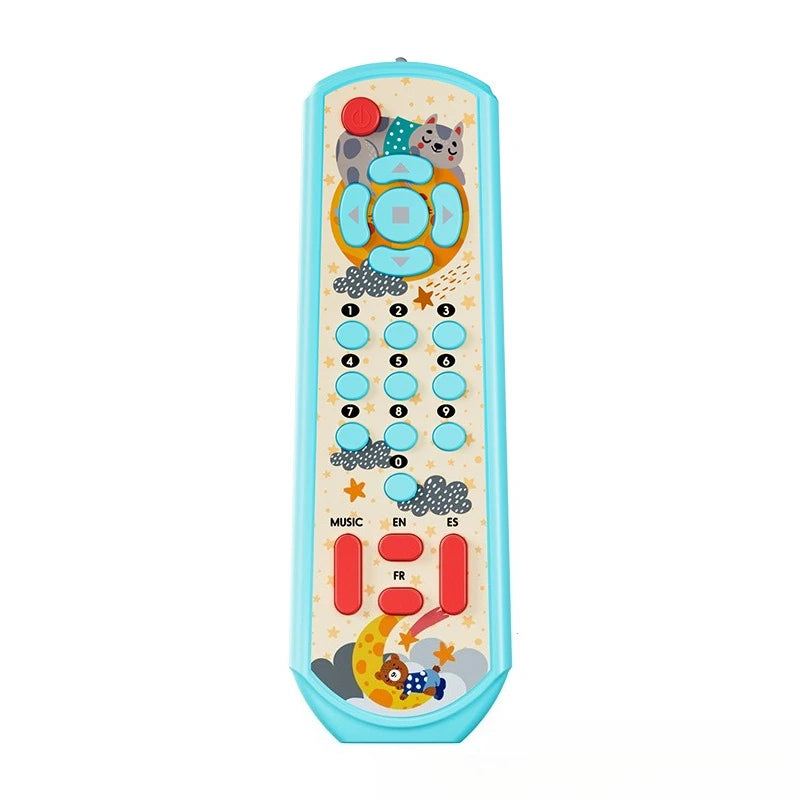
Toy tv remote control comparison shows how learning features vary — 💡 See it in action
Which Toy Fits Your Baby’s Stage?
Direct answer: A baby remote control toy fits best when matched to developmental stage. Younger infants benefit from simple sound responses, while older babies enjoy multi-button designs that support imitation and memory. Choosing the right infant remote control toy helps extend interest and learning over time.
- 6–9 months: Simple buttons, soft sounds
- 9–12 months: Light and sound combinations
- 12+ months: Interactive patterns and pretend play
Parents often rotate toys from Baby Care Essentials to keep play fresh without overload.
Safety, Durability, and Materials
Because babies mouth everything, safety matters as much as learning.
- BPA-free, non-toxic plastics
- Secure battery compartments
- Rounded edges and sealed buttons
- Drop-tested durability
For peace of mind, many families explore complementary safety-focused items from Health & Safety.
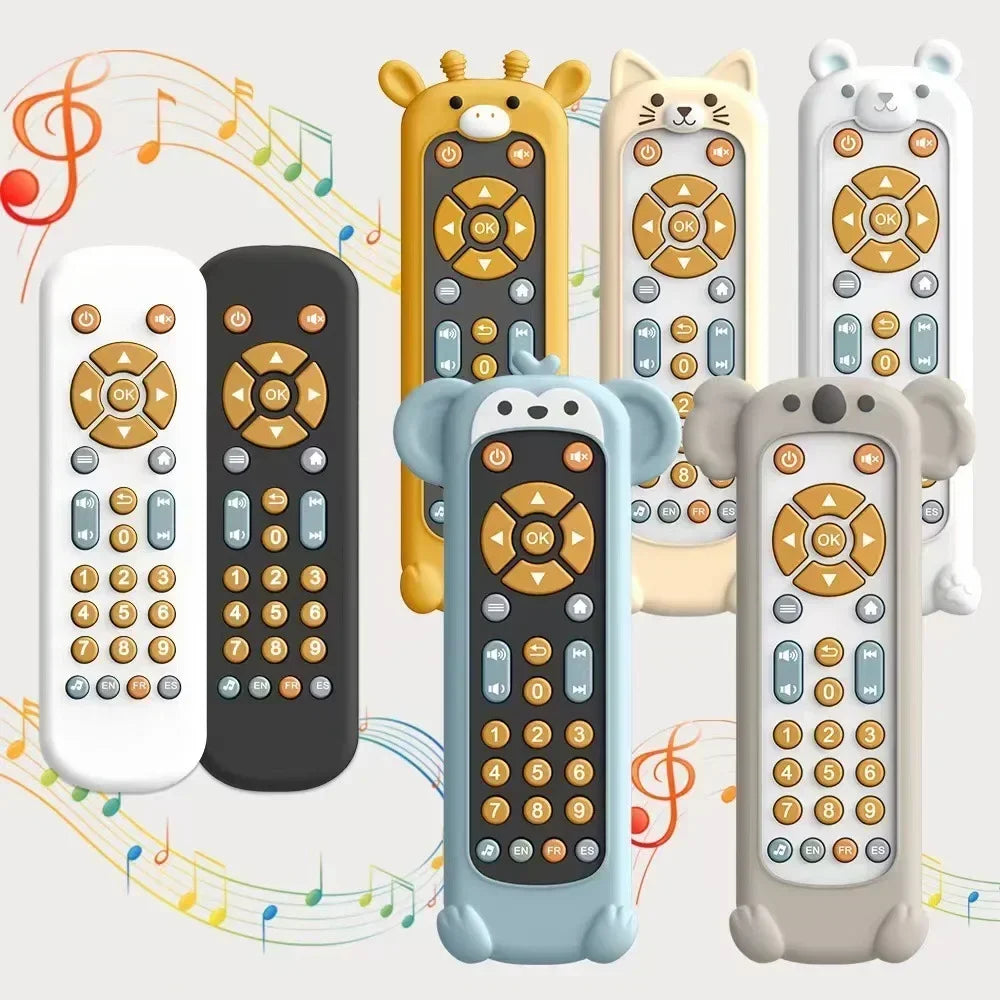
Infant remote control toy built for safe, durable play — 💡 See it in action
What Real Parents Notice Over Time
Many parents report that a baby remote control toy becomes a “go-to” item during independent play. Babies press buttons repeatedly, smile at familiar sounds, and gradually explore new functions.
Several caregivers note improved focus during short play sessions and less interest in real remotes—an unexpected but welcome change.
Frequently Asked Questions
Is a baby remote control toy better than electronic screens?
Yes. It supports imitation and cause-and-effect learning without visual overload, helping babies engage actively rather than passively.
At what age can babies use an infant remote control toy?
Most babies can enjoy simple versions around 6 months, with more interactive designs suited for older infants.
How long will my child stay interested?
When features grow with the child, many babies stay engaged for several months, especially when toys are rotated thoughtfully.
Related Guide: Infant Interactive Toys: Best Options Compared for Safe Play





