

Balance Bike Age: Signs Your Child Is Ready to Ride
What is the best balance bike age to start?
The best balance bike age is typically between 18 months and 2 years , provided your child can walk confidently, place both feet flat on the ground while seated, and comfortably push themselves forward. While age offers a useful starting point, your child's height, inseam measurement, coordination, and confidence are even more important when selecting the right bike.
Most children begin with low-seat, lightweight balance bikes during toddlerhood, then progress to larger adjustable models as they grow. Choosing the correct fit from the start helps build confidence, improves balance naturally, and makes the eventual transition to a pedal bike much easier.
Balance Bike Age Recommendations Compared Across Popular Models
Choosing the right balance bike age is about much more than birthdays. The ideal bike depends on your child's height, inseam, physical development, and confidence level. This guide explains what age is best for a balance bike, how to size one correctly, when children are ready to ride, and how to help them progress confidently toward a pedal bike.
⏱ 8 min read
Browse Mobility & Training
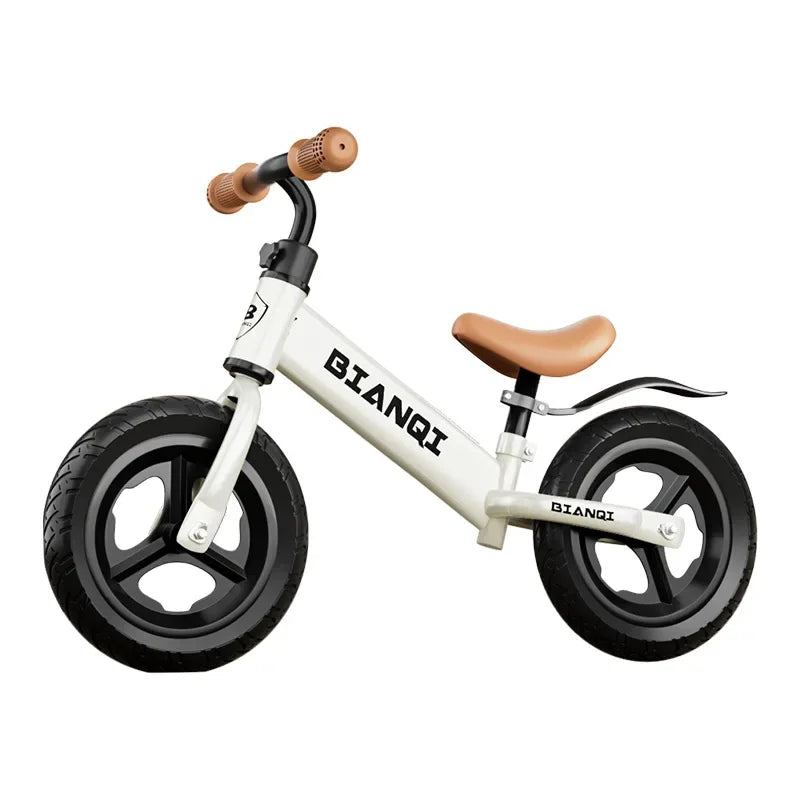
Choosing the correct balance bike begins with your child's size and developmental stage.
Balance bike age chart by child age
The following guide combines age, typical physical development, and riding ability to help parents determine when to start and when to move up to the next size.
| Child Age | Typical Height | Recommended Bike | Skills to Expect |
|---|---|---|---|
| 18–24 months | 30–34 in (76–86 cm) | Ultra-low seat, lightweight frame | Walking while pushing, basic steering |
| 2–3 years | 34–38 in (86–97 cm) | 10–12 inch wheels | Gliding, better balance, longer rides |
| 3–4 years | 38–41 in (97–104 cm) | Adjustable balance bike | Confident steering and cornering |
| 4–5 years | 41–44 in (104–112 cm) | Larger adjustable model | Ready for pedal bike transition |
| 5+ years | 44+ in (112+ cm) | Larger balance bike if needed | Quick transition to pedals |
18–24 months
This is the earliest age many toddlers can begin riding. Choose an extremely lightweight bike with a low seat so both feet remain flat on the ground. Sessions should be short and supervised.
2–3 years
Many children begin gliding for longer distances during this stage. Their coordination improves rapidly, making this one of the best ages to introduce regular riding.
3–4 years
Children typically gain confidence with steering, braking using their feet, and navigating gentle turns. Adjustable seats become especially valuable as growth accelerates.
4–5 years
Most riders are approaching pedal-bike readiness. If they can coast with both feet lifted for several seconds, they may soon be ready to skip training wheels entirely.
5+ years
Older beginners can still benefit from balance bikes. Many children who start later learn balancing skills quickly before transitioning directly to a standard bicycle.
How to tell if your child is ready for a balance bike
Instead of asking only "What age are balance bikes suitable for?" , look for developmental milestones that indicate your child is prepared.
- Walks and runs confidently
- Can climb small steps without assistance
- Shows interest in ride-on toys
- Can follow simple safety instructions
- Feels comfortable exploring independently
If your child is hesitant around moving toys, struggles with balance while walking, or cannot place both feet securely on the ground while seated, waiting a few more months is often beneficial.
How to choose the right balance bike size
Measure inseam
Your child's inseam measurement is the most accurate way to size a balance bike. Measure from the floor to the crotch while your child stands barefoot. The minimum seat height should be slightly lower than this measurement.
When seated, your child should comfortably place both feet flat on the ground with knees slightly bent. This position provides stability while learning and encourages confidence.
Wheel size vs child size
Wheel size is helpful but should never replace proper sizing.
| Wheel Size | Typical Child | Best Use |
|---|---|---|
| 8–10 inches | 18 months–2 years | First balance bike |
| 10–12 inches | 2–4 years | Everyday riding |
| 12–14 inches | 4–6 years | Transition preparation |
Common sizing mistakes include buying a bike to "grow into," ignoring inseam measurements, or choosing a heavier frame than your child can comfortably handle.
Parents shopping for related skill-building toys often explore Baby Growth & Learning items that complement riding practice through play.
Why age, height, and size all matter
Chronological age provides only a general guideline. Two children of the same age may differ significantly in height, confidence, and physical coordination.
A properly fitted balance bike allows children to:
- Keep both feet flat on the ground
- Push comfortably without overreaching
- Steer naturally without stretching
- Build confidence through successful practice
Oversized bikes often slow learning because children feel unstable, while bikes that are too small can limit stride length and comfort.
How balance bikes support early childhood development
Balance bikes help children develop the fundamental movement skills needed for cycling while encouraging independent exploration at their own pace.
- Develops dynamic balance
- Improves coordination between arms and legs
- Strengthens core and lower-body muscles
- Builds confidence through self-directed movement
- Makes the transition to pedal bikes smoother
Parents frequently notice improved body awareness during everyday activities such as running, climbing playground equipment, and stopping safely.
Common balance bike models by age group
18 months–2 years
Look for lightweight frames, low seat heights, and narrow handlebars designed specifically for toddlers beginning to explore independent movement.
2–4 years
Adjustable seat posts, puncture-resistant tires, and durable construction become increasingly valuable as children ride farther and more frequently.
4–6 years
Older riders benefit from larger frames that resemble pedal bikes, helping them become comfortable with similar riding positions before making the transition.
Read Baby Care Tips & Advice
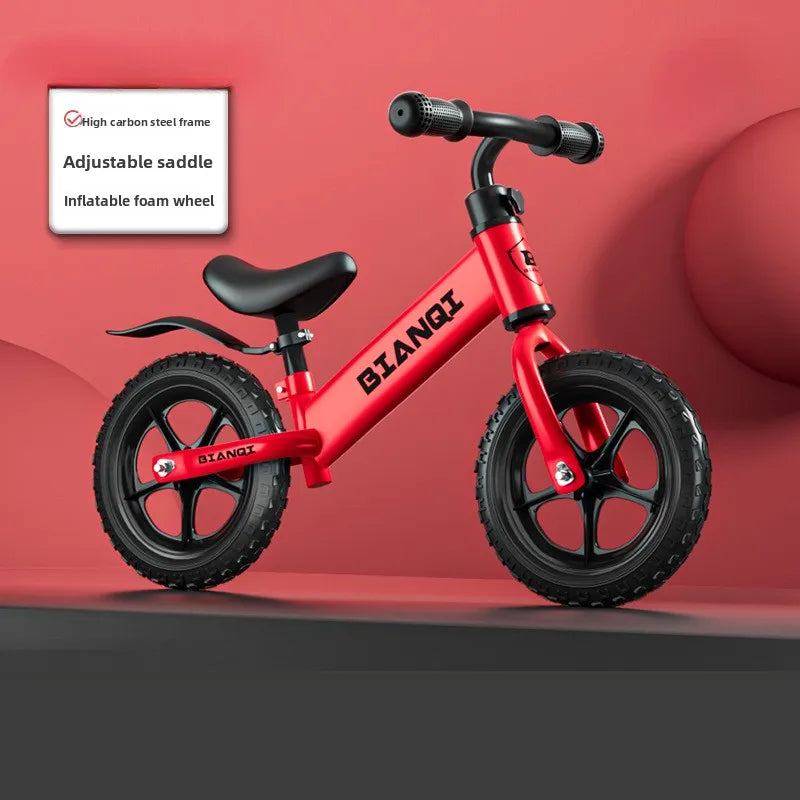
Comparing common balance bike styles helps parents choose a model that matches their child's stage of development.
When should a child move from a balance bike to a pedal bike?
Most children transition between 3½ and 5 years old, although readiness varies more by skill than age.
Your child is likely ready when they:
- Glide for long distances with both feet lifted
- Steer confidently around obstacles
- Brake smoothly using their feet
- Start asking to ride a "big kid" bicycle
Because balance bikes teach steering and balance first, many children can skip training wheels completely and learn pedal bikes in just a few practice sessions.
Balance bike safety checklist
Before every ride, take a few moments to check both the rider and the bike.
- Helmet fits snugly and sits level on the head.
- Seat height allows both feet to rest flat on the ground.
- Handlebars tighten securely and turn smoothly.
- Choose smooth, traffic-free riding surfaces.
- Always provide active adult supervision.
- Inspect tires and frame for damage before riding.
Simple adjustments often improve both comfort and safety while encouraging children to ride more confidently.
View the toddler balance bike here to see specifications and sizing details.
Check availability now
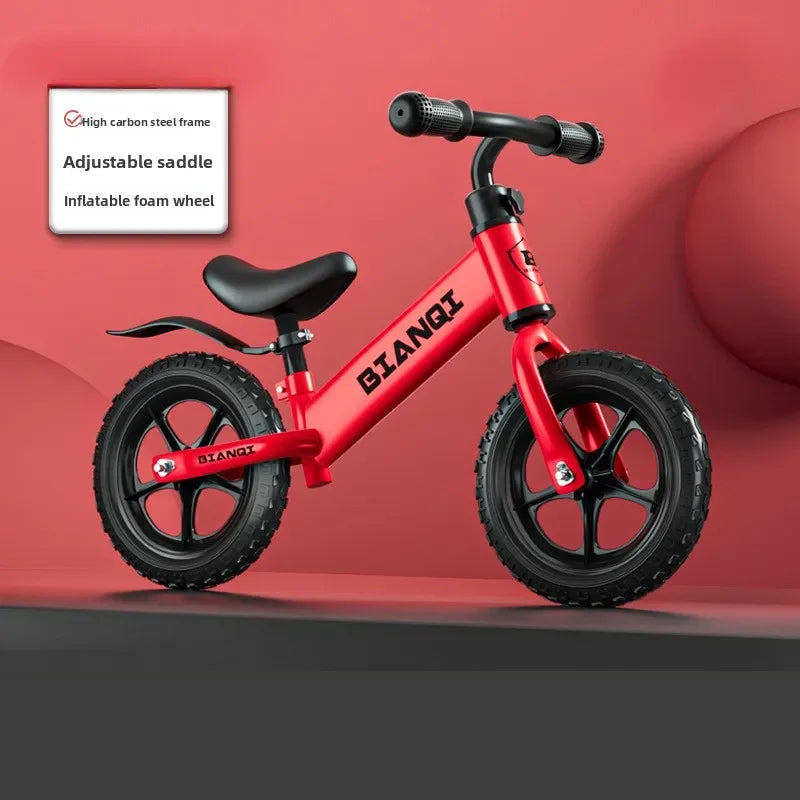
A properly fitted balance bike helps children develop confidence before moving to a pedal bicycle.
Frequently asked questions
What is the best balance bike age?
Most children start successfully between 18 months and 2 years old, but height, inseam, and developmental readiness are more important than age alone.
What age should a child start using a balance bike?
Children can begin once they walk confidently, can push themselves with both feet, and fit comfortably on a properly sized bike.
Can an 18-month-old ride a balance bike?
Yes. Many 18-month-olds can use a lightweight balance bike with a very low seat, provided they can place both feet flat on the ground and ride under close supervision.
Is a 5-year-old too old for a balance bike?
No. Older beginners often learn balancing skills quickly on a balance bike before transitioning directly to a pedal bicycle without training wheels.
How do I know if my child is ready for a balance bike?
Look for confident walking, curiosity about ride-on toys, good coordination, and the ability to follow simple safety instructions.
Should I choose a balance bike by age or height?
Height and inseam are the best measurements. Age provides only a general guideline because children grow at different rates.
Can children skip training wheels after using a balance bike?
Yes. Many children transition directly to pedal bikes because they have already mastered balancing and steering.
What size balance bike does my child need?
Choose a bike that allows your child to sit comfortably with both feet flat on the ground. Always use inseam measurement before relying on wheel size alone.
Related Guide: Best Balance Bike for Toddlers: Side-by-Side Comparison





