

Can Balance Bike Be Used Indoors and Outdoors Safely?
Can balance bike be used indoors and outdoors?
Yes. A balance bike can be used indoors and outdoors when it has a lightweight frame, floor-friendly wheels, durable tires, and an adjustable fit. Safe balance bike indoor use requires smooth surfaces, enough riding space, and adult supervision, while balance bike outdoor use is best on flat, predictable terrain. One well-designed bike can support children through multiple stages without needing separate riding toys.
Balance Bike Indoor Outdoor Use Explained: One Bike, More Value
⏱ 6 min read
Balance bike indoor outdoor use gives families more flexibility, year-round practice, and better long-term value. Instead of switching between different ride-on toys, children can develop the same balancing and steering skills in both indoor and outdoor settings. With proper balance bike height adjustment, one quality bike can comfortably support multiple balance bike ages while fitting naturally into everyday routines.
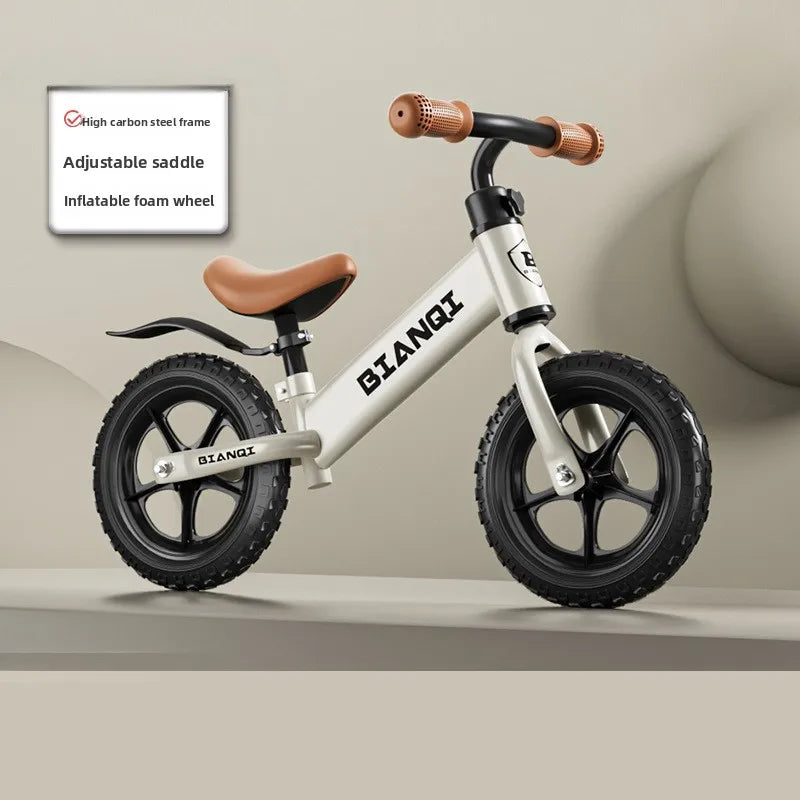
Balance bike indoor outdoor use across daily routines. See it in action.
Why using a balance bike indoors and outdoors benefits toddlers
Using the same balance bike in different environments helps toddlers build consistent riding skills. Rather than learning separate movement patterns for indoor and outdoor toys, children practice balancing, steering, stopping, and turning wherever conditions are appropriate.
This regular practice often leads to stronger coordination, greater confidence, and smoother progression toward riding a pedal bike. Parents also benefit because riding remains possible during rainy weather, cold seasons, or busy weekdays.
- Encourages daily movement regardless of weather.
- Builds confidence through regular practice.
- Develops coordination on different surfaces.
- Reduces storage needs by replacing multiple ride-on toys.
Can balance bike be used indoors and outdoors?
Yes, provided the bike is designed for both environments. The best models combine lightweight construction, stable geometry, durable wheels, and adjustable sizing without requiring additional accessories.
For balance bike indoor use, smooth, non-marking wheels help protect flooring while maintaining quiet operation. For balance bike outdoor use, tires should provide enough grip for sidewalks, paved trails, driveways, and similar beginner-friendly terrain.
- Lightweight frame for easier handling.
- Stable steering geometry that reduces tipping.
- Quiet wheels suitable for indoor floors.
- Durable construction for frequent outdoor riding.
- Adjustable seat height to grow with the child.
How to use a balance bike safely indoors
Balance bike indoor use works best when the riding area is clear, open, and free from hazards. Young riders should always remain within view of an adult, especially while learning to start, stop, and turn.
Best indoor surfaces
- Hardwood floors in good condition.
- Laminate flooring.
- Tile with dry, non-slippery surfaces.
- Low-pile rugs with secure edges.
Surfaces to avoid
- Wet or freshly cleaned floors.
- High-pile carpet that restricts wheel movement.
- Areas with loose rugs.
- Crowded spaces filled with furniture.
Indoor safety checklist
- Clear toys and obstacles before riding.
- Leave enough room for turning.
- Keep stairways blocked with safety gates.
- Ride at walking speed indoors.
- Provide close adult supervision.
For parents building safe indoor environments, combining riding toys with items from Health & Safety collections creates a more secure play space.
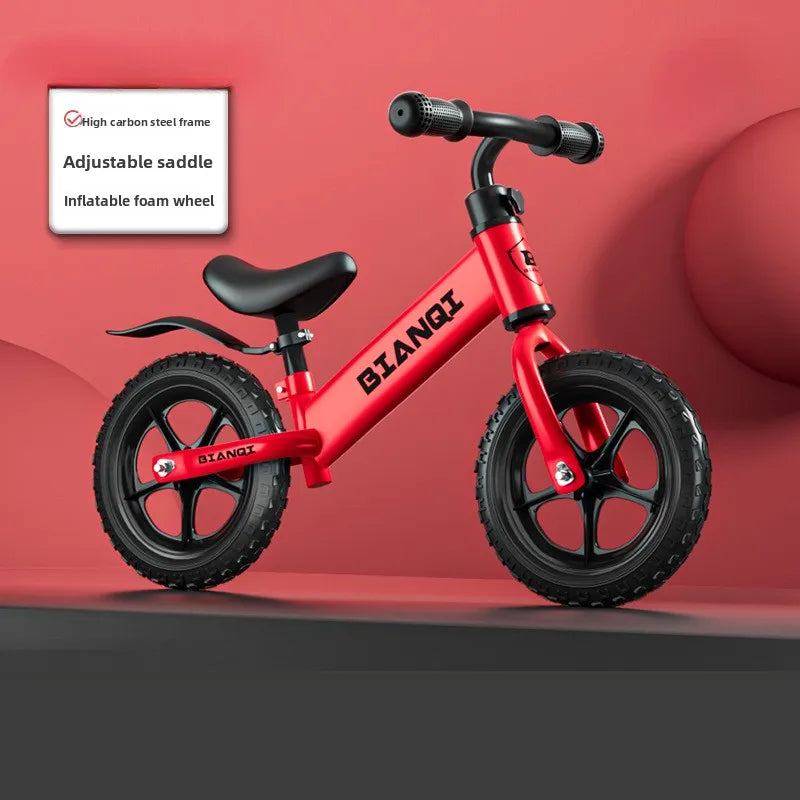
Smooth indoor riding helps children practice balance safely.
How to use a balance bike safely outdoors
Balance bike outdoor use introduces gentle challenges that strengthen coordination while allowing toddlers to gain confidence in real-world settings.
Best outdoor terrains for beginners
- Smooth sidewalks.
- Paved walking paths.
- Level driveways.
- Playground paths with firm surfaces.
Terrains to avoid
- Busy roads.
- Loose gravel.
- Steep hills.
- Muddy or slippery trails.
Helmet and weather considerations
- Wear a properly fitted helmet during outdoor rides.
- Avoid riding during heavy rain.
- Watch for wet leaves and slippery pavement.
- Dress appropriately for seasonal temperatures.
Indoor vs. outdoor balance bike comparison
| Feature | Balance Bike Indoor Use | Balance Bike Outdoor Use |
|---|---|---|
| Best surfaces | Wood, laminate, tile, low-pile rugs | Sidewalks, paved paths, driveways |
| Main skills | Starting, stopping, steering | Balance, turning, terrain awareness |
| Safety focus | Obstacle-free space | Helmet and traffic awareness |
| Ideal riding time | Bad weather or daily practice | Longer active play sessions |
Choosing the right balance bike for growing toddlers
What age for a balance bike?
Many toddlers are ready to begin between 18 months and 2 years, provided they can comfortably walk, keep both feet flat on the ground while seated, and show interest in independent movement. An adjustable bike often remains suitable into the preschool years.
Balance bike adjustable height is one of the most important features for long-term comfort and safety. As children grow, correct seat height allows them to push off confidently, stop easily, and maintain proper posture.
- Supports natural balance development.
- Improves confidence during starts and stops.
- Promotes comfortable riding posture.
- Extends the usable life of the bike.
Cleaning and maintaining a balance bike after outdoor rides
Routine maintenance helps keep a balance bike safe while preventing dirt from being carried indoors after outdoor adventures.
- Wipe tires before bringing the bike inside.
- Remove mud from the frame and wheels.
- Check that the seat and handlebars remain securely tightened.
- Inspect wheels regularly for smooth rolling.
- Store the bike in a dry location when not in use.
Balance bike vs. training wheels
A balance bike teaches children to balance naturally from the beginning instead of depending on side support. Many children who master balancing first find the transition to pedal bikes smoother because steering and balance already feel familiar.
| Balance Bike | Training Wheels |
|---|---|
| Teaches natural balance early. | Focuses on pedaling before balance. |
| Encourages confidence through self-control. | Can create dependence on side wheels. |
| Often leads to an easier pedal bike transition. | May require relearning balance later. |
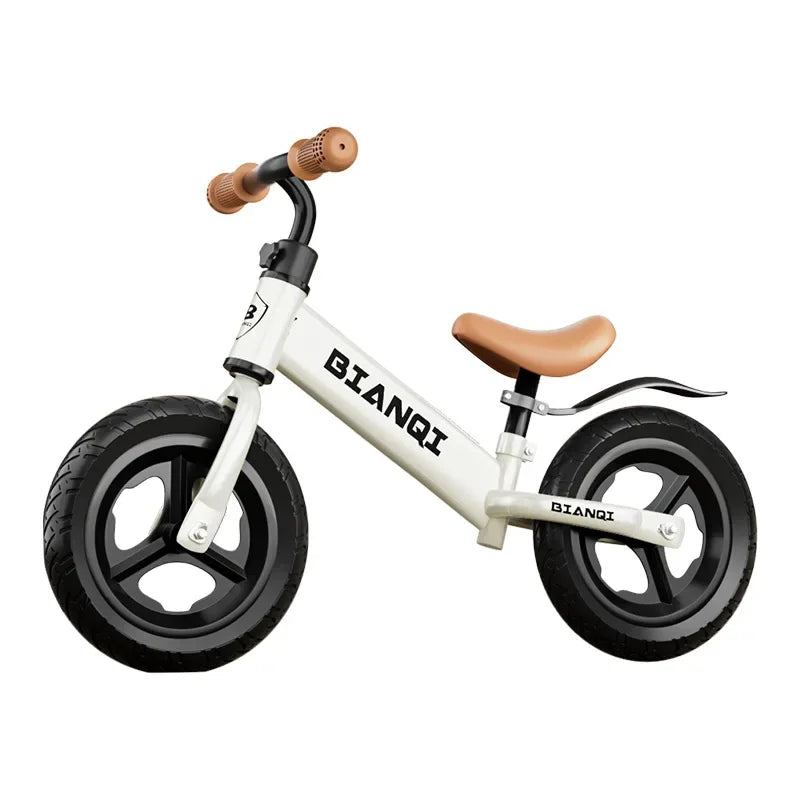
One balance bike supports learning from the living room to neighborhood paths.
Frequently asked questions
Can balance bikes be used indoors and outdoors?
Yes. Models built with durable construction and floor-friendly wheels can safely transition between indoor and outdoor environments when used appropriately.
Are balance bikes safe to use inside the house?
Yes, when children ride in open spaces, away from stairs and fragile furniture, with adult supervision and controlled speeds.
What is the best surface for a balance bike?
Smooth hardwood, laminate, tile, and paved sidewalks provide predictable traction and help beginners develop confidence.
What age should a toddler start using a balance bike?
Many children begin between 18 months and 2 years, although readiness depends more on physical coordination and proper bike fit than age alone.
Do toddlers need a helmet when riding indoors?
While many families reserve helmets for outdoor riding, a helmet can provide additional protection during indoor practice, especially for beginners or when riding in larger indoor spaces.
Can outdoor tires damage hardwood floors?
Clean, non-marking tires are generally safe for hardwood floors, but dirty wheels can carry grit that may scratch flooring. Wiping the tires before riding indoors helps prevent damage.
How do I clean a balance bike before bringing it indoors?
Use a damp cloth to remove dirt from the tires and frame, then dry the bike before storing or using it inside.
Is a balance bike better than training wheels?
For many children, yes. Learning balance first often makes the transition to a standard bicycle quicker and more natural than relying on training wheels.
Related Guide: Safe Riding Toys Toddlers Need for Confident First Rides





