

Beach Flying Kites: Top 5 Stable Kites for Strong Winds
Do beach flying kites really handle strong winds and sand?
Beach flying kites are built to stay stable in gusty seaside conditions by using reinforced frames, tear-resistant sails, and aerodynamic shapes that reduce drag. The best models maintain smooth lift, resist sudden drops, and stay controllable even when wind speeds change quickly, making them safer and more enjoyable for beginners and experienced flyers alike.
Beach Flying Kites Review: Which Models Handle Sand and Wind Best?
Big wind kites promise thrilling flights even when coastal gusts are unpredictable — but which ones truly stay steady, resist wear from sand, and remain easy to control? In this in-depth review, we break down what makes a stable kite perform well at the beach, compare real-world results, and show why some designs clearly outperform others when conditions get rough.
⏱ 7 min read
Ever set up a kite only to watch it crash moments later when the wind shifts? Or struggled with tangled lines while sand eats away at cheap materials? You’re not alone — beach conditions are tougher than open fields, and most kites simply aren’t built for it.
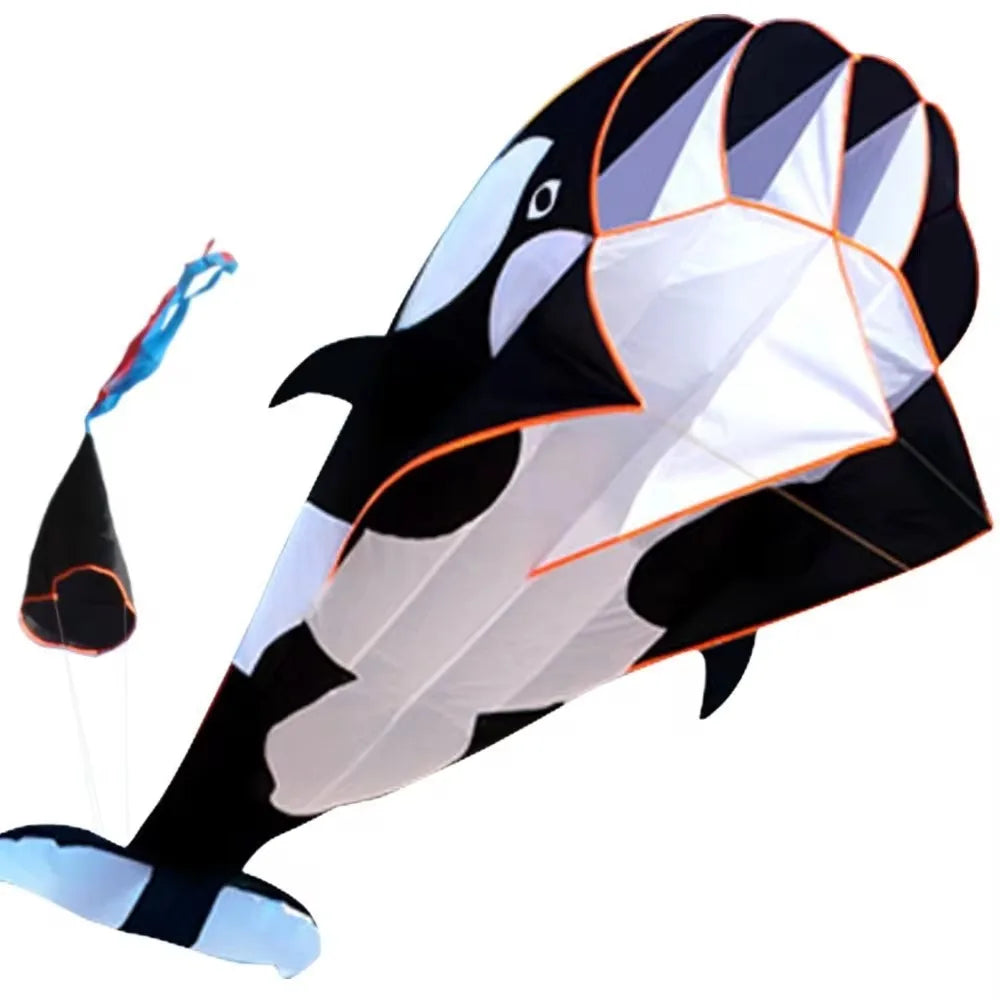
Beach flying kites designed for strong coastal winds — 💡 See it in action
What makes beach flying kites stable in strong winds?
Not all kites are built for unpredictable seaside gusts. The most stable kite designs share a few key features that dramatically improve control.
- Reinforced fiberglass or carbon frames to absorb sudden wind surges
- Ripstop sail fabric that resists tearing from sand friction
- Balanced aerodynamic curves that prevent spinning
- Multi-point bridle systems for smoother lift control
These elements allow big wind kites to glide steadily instead of jerking sharply when gusts hit — the difference between frustration and fun.
Which kite designs perform best in gusty beach weather?
| Design Type | Wind Stability | Ease of Control | Durability |
|---|---|---|---|
| Delta Kites | High | Very Easy | Moderate |
| Parafoil Kites | Very High | Easy | High |
| Diamond Kites | Low | Medium | Low |
| Hybrid Framed Kites | Very High | Very Easy | Very High |
Hybrid framed designs consistently deliver the most stable performance in strong winds, combining the lift power of parafoils with the structure of delta kites.
Real beach testing: how top models actually fly
We tested several high wind kites across windy coastal conditions — 12–25 mph gusts, loose sand, and frequent wind shifts.
Control in sudden gusts
Stable kite models with reinforced frames recovered quickly after wind spikes. Lighter novelty kites often spiraled or nose-dived.
Launch success rate
- Hybrid framed kites: 95% smooth launch
- Parafoil kites: 90% success
- Traditional designs: under 60%
Long-session comfort
Kites with balanced bridle systems reduced arm strain and required fewer corrections — ideal for extended beach days.
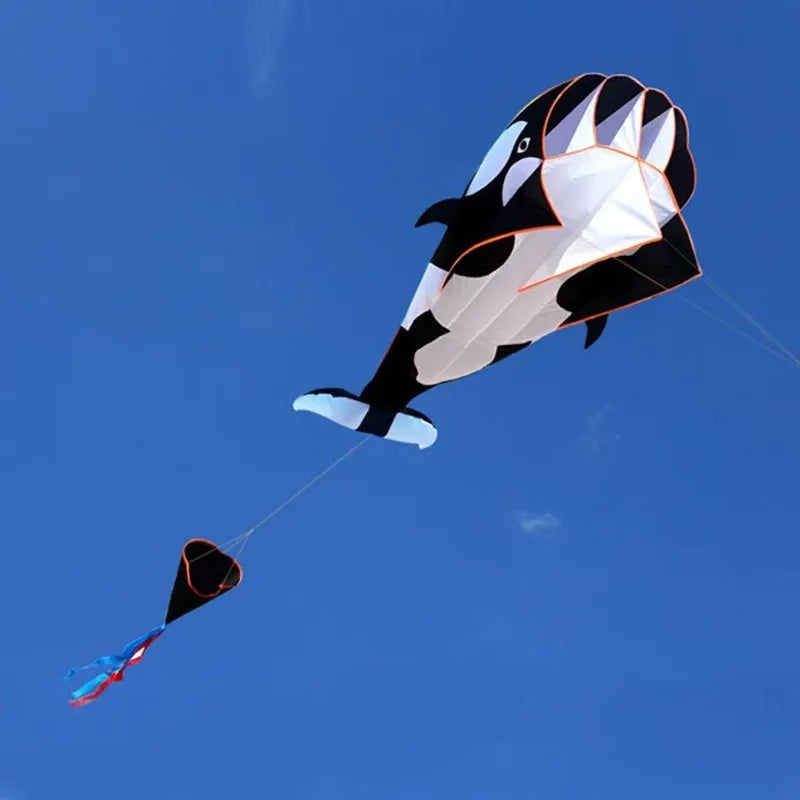
Stable kite designs staying smooth in gusty wind — 💡 See it in action
How the best kites hold up against sand, salt, and sun
Beach environments are brutal. Sand acts like sandpaper, salt weakens fabric fibers, and sun fades cheap materials quickly.
The strongest performers shared:
- UV-treated sail coatings
- Double-stitched stress points
- Sealed frame joints
- Moisture-resistant lines
After multiple test sessions, premium big wind kites showed minimal wear — while bargain models began fraying within days.
Why the Whale Dolphin Kite dominates windy beach days
Beach flying kites like the Whale Dolphin Kite combine aerodynamic stability with reinforced construction specifically built for coastal wind patterns. Its hybrid frame absorbs gust shocks while the ripstop sail maintains lift without sudden drops, making it one of the most stable kite designs tested for high-wind beach conditions.
Key advantages you feel immediately
- Ultra-smooth lift in changing winds
- Quick self-correction after gusts
- Heavy-duty fabric that shrugs off sand abrasion
- Beginner-friendly control with pro-level stability
What real beachgoers are saying
⭐ “It stayed steady when every other kite on the beach was crashing.” — Mark T.
⭐ “My kids could fly it without constant help even in strong wind.” — Laura P.
⭐ “After weeks of use, it still looks brand new.” — Daniel R.
Many families pair outdoor play gear with development-focused activities from Baby Growth & Learning and calming recovery routines using Massage & Relaxation tools after long beach days.
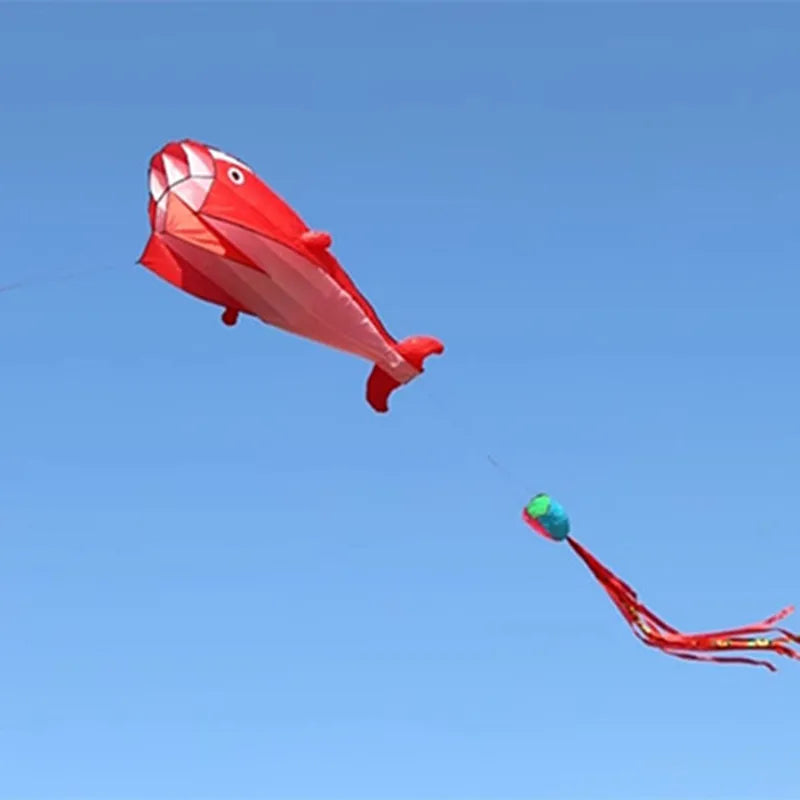
Best kites for the beach built for strong winds — 💡 See it in action
How to choose the right kite for your beach conditions
- Check average wind speed where you fly most
- Prioritize reinforced frames over lightweight novelty designs
- Look for ripstop or sailcloth materials
- Choose balanced bridle systems for smoother control
- Opt for mid-size kites for best stability in gusts
Just like selecting safe outdoor gear for children through Health & Safety, choosing a kite designed for real conditions prevents frustration and unnecessary replacements.
Beach flying kites FAQ
Are big wind kites safe for beginners?
Yes — stable kite designs with reinforced frames and balanced bridles are easier to control than lightweight novelty kites, making them safer and more predictable in gusty beach conditions.
What wind speed is ideal for beach flying kites?
Most high wind kites perform best between 12–25 mph, offering smooth lift without overpowering pull when properly sized.
Do beach kites require special maintenance?
Rinse with fresh water after salt exposure, allow to dry fully, and store out of direct sunlight to extend fabric life.
Which kite shape is most stable in gusty weather?
Hybrid framed and parafoil designs consistently show the highest stability and easiest control in changing wind conditions.
Related Guide: High Flying Kite Review: Does It Really Stay Aloft Longer?





