

Best Kites for Beginners and Families for Beach Use
Does a single line parafoil kite really deliver smoother lift?
Yes. A single line parafoil kite creates smooth, predictable lift by using a flexible air-filled canopy instead of rigid spars. Its bridled design distributes airflow evenly, helping the kite recover from light gusts while reducing sudden dives. That's why many beginners and families choose parafoil designs as one of the easiest and most stable kites for casual flying.
Single Line Parafoil Kite: The Design That Delivers Smooth Lift
A single line parafoil kite replaces rigid frames with a lightweight fabric wing that inflates naturally in the wind. The result is steady lift, simple handling, compact storage, and fewer frustrating crashes. Whether you're introducing children to kite flying or looking for a relaxing beach activity, this style remains one of the most beginner-friendly options available.
⏱ 8 min read
Looking for a beach kite that's easy to launch, forgiving in changing winds, and enjoyable for the whole family? The recommendations below compare the best options for beginners, parents, kids, and casual beach flyers.
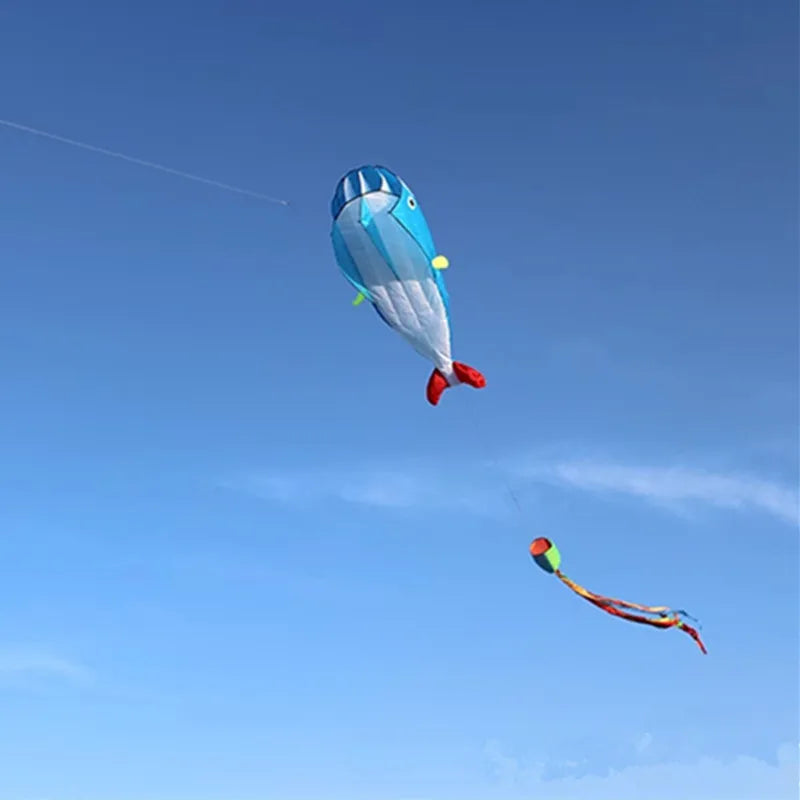
Single line parafoil kite showing smooth lift and easy control — See it in action
Best Kites for Beginners and Families for Beach Use (2026)
The best kites for beginners and families for beach use share several important characteristics: stable flight, quick setup, forgiving handling, and durable construction. Rather than focusing solely on appearance, choosing a kite that matches your experience level and typical wind conditions will make every outing more enjoyable.
Quick comparison table
| Category | Best Choice | Best For | Wind Range |
|---|---|---|---|
| Best Overall | Single-line parafoil kite | Families and beginners | Light to moderate |
| Budget Pick | Small delta kite | Occasional flyers | Moderate |
| Kids | Whale Dolphin Kite | Children and family outings | Light to moderate |
| Adults | Large parafoil | Longer beach sessions | Moderate |
| Strong Wind | Compact framed delta | Experienced flyers | Moderate to strong |
Our top picks by category
Best Overall Beach Kite
A single-line parafoil kite stands out because it launches easily, remains stable through gentle wind changes, packs into a small bag, and has no rigid spars that can break during transport.
Best Budget Beach Kite
Simple delta kites offer excellent value for families who only fly occasionally. They're inexpensive, lightweight, and widely available, although they usually require steadier wind than parafoils.
Best Kite for Kids and Families
The Whale Dolphin Kite combines colorful graphics with a forgiving single-line design, making it an approachable option for supervised children and first-time flyers.
Best Beach Kites for Adults
Larger parafoil kites generate stronger pull while maintaining smooth, predictable flight, making them ideal for adults who want longer beach sessions without moving to dual-line stunt kites.
Best Stable Kite for Beginners
Soft parafoil designs remain among the most stable kite options because the flexible canopy absorbs small gusts instead of transmitting every change directly to the flying line.
Best Kite for Flying in Strong Winds
When winds become stronger, smaller framed delta kites generally provide better control. Regardless of kite type, avoid flying when gusts exceed the manufacturer's recommended wind range.
How We Chose the Best Beach Kites
Testing criteria
Our recommendations prioritize the qualities that matter most for recreational beach flying:
- Stable flight in varying coastal breezes
- Easy setup with minimal assembly
- Durable materials that tolerate sand and repeated use
- Good value for beginners and families
- Safe, predictable handling
Who these recommendations are for
This guide is designed for first-time kite buyers, parents introducing children to kite flying, travelers who want compact gear, and casual beach visitors looking for a relaxing outdoor activity.
Understanding Beach Kite Types
Single-line kites
The simplest design to launch and control, making them ideal for family kite flying and young beginners.
Known for broad wind ranges and reliable performance once properly assembled.
Parafoil kites
Soft canopies eliminate rigid frames while providing smooth lift, compact storage, and excellent portability.
Dual-line stunt kites
Built for steering, tricks, and advanced control rather than relaxed recreational flying.
Soft kites
Frame-free soft kites generally survive travel better because there are no spars to crack or snap inside luggage.
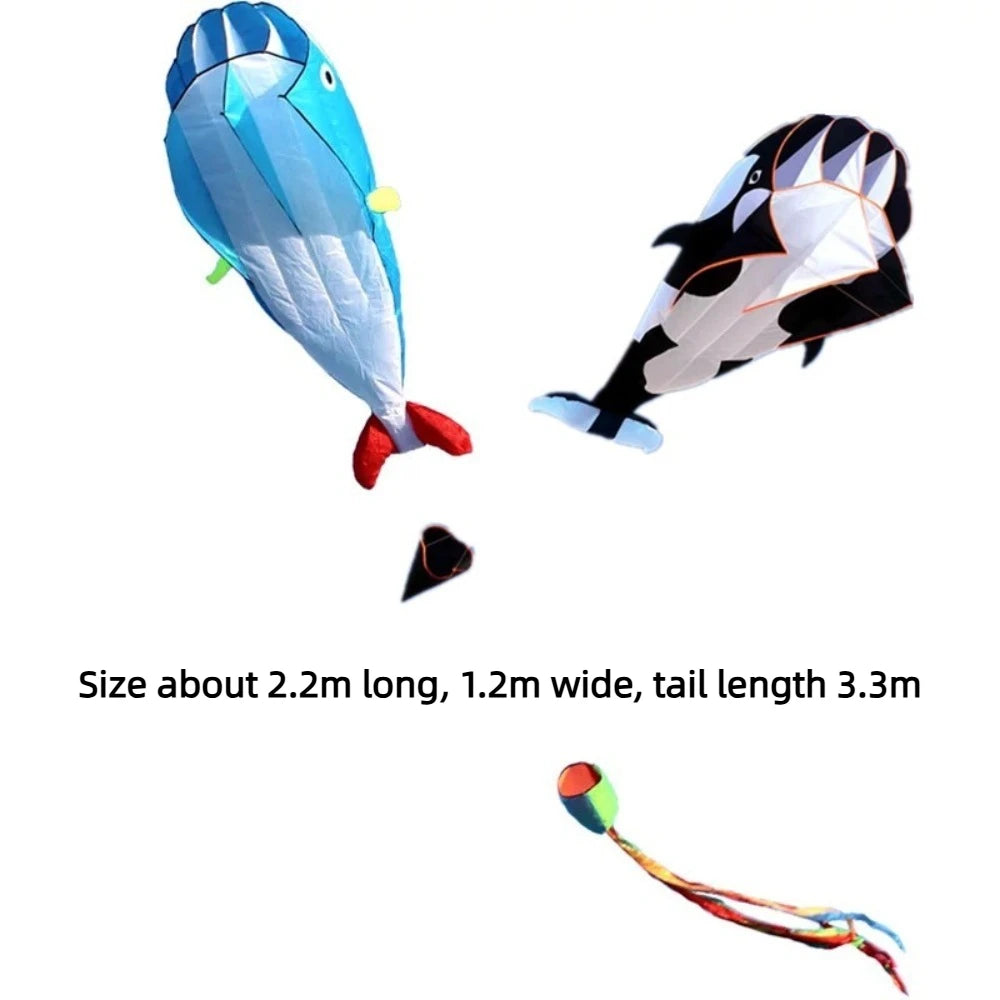
Stable parafoil kite performing smoothly in light coastal winds
How to Choose the Right Beach Kite
Choose by age
Children generally enjoy lightweight single-line kites, while teenagers and adults may appreciate larger models with stronger pull.
Choose by wind conditions
Light coastal breezes favor parafoil designs, while consistent moderate winds allow delta kites to perform well.
Choose by portability
If you travel frequently, soft parafoil kites fold into compact carrying bags without rigid pieces.
Choose by durability
Look for reinforced stitching, quality flying line, durable ripstop fabric, and readily available replacement line if needed.
For families wanting a colorful, travel-friendly option, the Whale Dolphin Kite offers easy handling and compact storage.
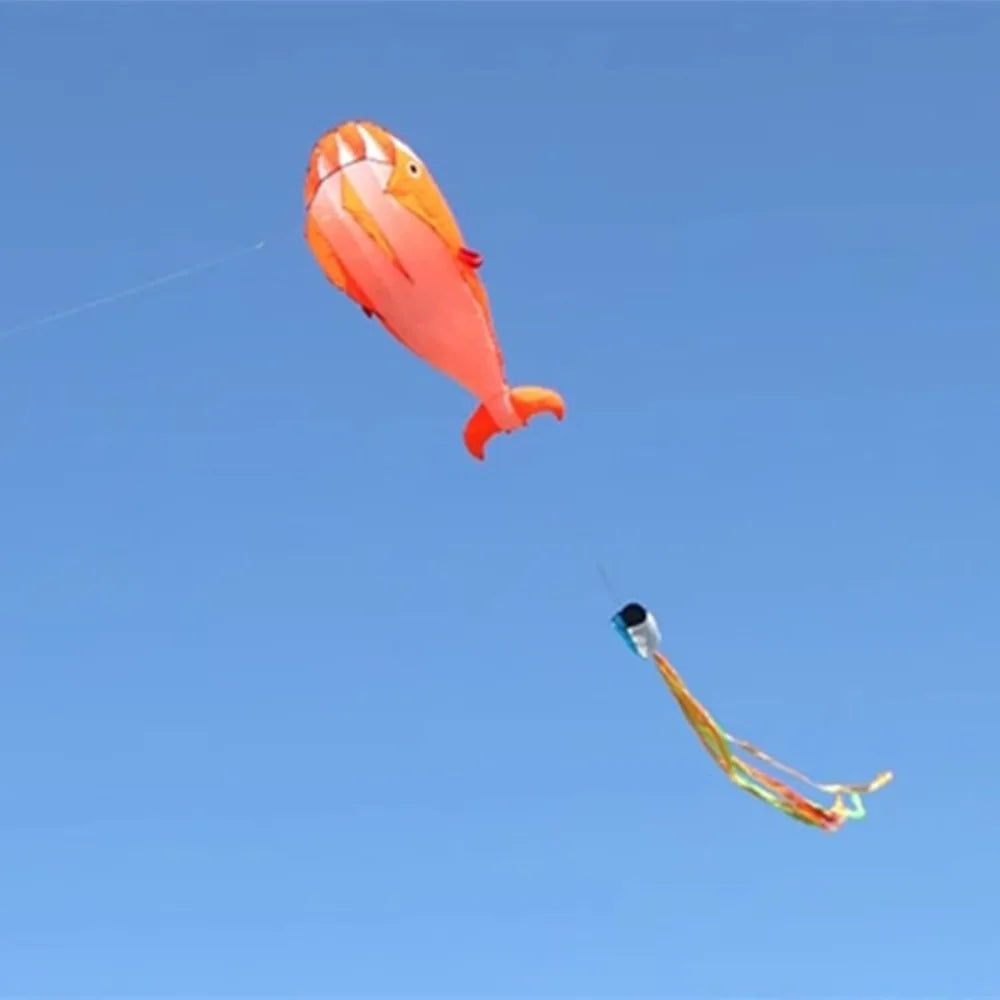
Easy-to-fly parafoil design for relaxed family beach outings
Comparison Table: Which Beach Kite Is Right for You?
| Kite Type | Skill Level | Best Wind | Best For | Travel Friendly |
|---|---|---|---|---|
| Single-line parafoil | Beginner | Light to moderate | Families | Excellent |
| Delta | Beginner to intermediate | Moderate | General recreation | Good |
| Dual-line stunt | Intermediate | Moderate | Tricks | Moderate |
| Large parafoil | Intermediate | Moderate | Adults | Excellent |
Beach Kite Safety and Beginner Flying Tips
Safe launch areas
Choose open beaches away from roads, trees, power lines, and crowded picnic areas.
Understanding the wind window
Launching with the wind directly behind you improves stability and reduces unnecessary line tension.
Common beginner mistakes
- Flying during gusty storms or strong winds
- Using damaged flying line
- Launching too close to obstacles
- Allowing unsupervised children to manage larger kites
Always monitor weather conditions before flying, especially if winds continue strengthening throughout the afternoon.
Setup, Storage, and Maintenance
Shake sand from the canopy before packing, allow damp fabric to dry completely, inspect bridles for tangles, and store the kite in a cool, dry location. Regular inspections help prevent worn lines or loose stitching from shortening the kite's lifespan.
Frequently Asked Questions
What type of kite is easiest for beginners at the beach?
Single-line parafoil kites are generally considered the easiest because they launch easily, recover well from small gusts, and require minimal control.
What wind speed is best for flying a beach kite?
Most recreational beach kites perform well in light to moderate winds. Always check the recommended wind range provided by the manufacturer.
Are parafoil kites better than delta kites for families?
For many families, yes. Parafoil kites typically offer easier storage, smoother pull, and fewer breakable components.
Can adults and kids share the same beach kite?
Yes, provided the kite size matches the wind conditions and children are supervised while flying.
Which beach kites pack down the smallest for travel?
Frame-free parafoil kites fold into compact carrying bags, making them excellent for vacations and beach trips.
How do I fly a kite safely in strong winds?
Use a kite rated for stronger wind, keep plenty of open space around you, wear gloves if necessary, and stop flying if gusts become difficult to control.
What size kite should a beginner buy?
A medium-sized single-line kite usually provides the best balance between easy launching, manageable pull, and stable flight.
How do I keep a beach kite from crashing?
Choose steady wind, launch from an open area, maintain consistent line tension, and avoid overcorrecting with sudden movements.
Related Guide: Best Kite for Beginners: Top Picks Compared for Easy Flying





