

Best Kite for Beginners That’s Easy to Fly From Day One
Is the Best Beginner Single Line Kite Easy to Control?
Yes. The best beginner single line kite is designed to be easy to control thanks to stable aerodynamic shapes, lightweight materials, and balanced construction. These features improve kite stability, reduce tangles, and make launching much easier in light to moderate winds. For most first-time flyers, a well-designed single-line model is the easiest kite to fly because it stays steady with minimal input and allows beginners to focus on enjoying the experience rather than constantly correcting the kite.
Best Beginner Single Line Kite: Which Is Easiest to Control?
Choosing the best beginner single line kite can transform a frustrating first outing into an enjoyable outdoor adventure. The best kite for beginners combines dependable kite stability, simple setup, and forgiving flight characteristics, making it an easy to fly kite for both children and adults. Whether you're visiting a local park or spending the day at the beach, the right one line kite requires little experience while delivering consistent performance in light to moderate winds.
⏱ 7 min read
Flying a kite is a classic family activity that encourages outdoor play, coordination, and confidence. However, beginners often struggle with kites that are difficult to launch or unstable once airborne. Selecting a beginner-friendly recreational kite with a forgiving design helps reduce crashes, shortens the learning curve, and keeps the focus on having fun together.
If you're wondering which beginner kite offers the easiest control and the smoothest first flying experience, this guide covers everything you need to know.
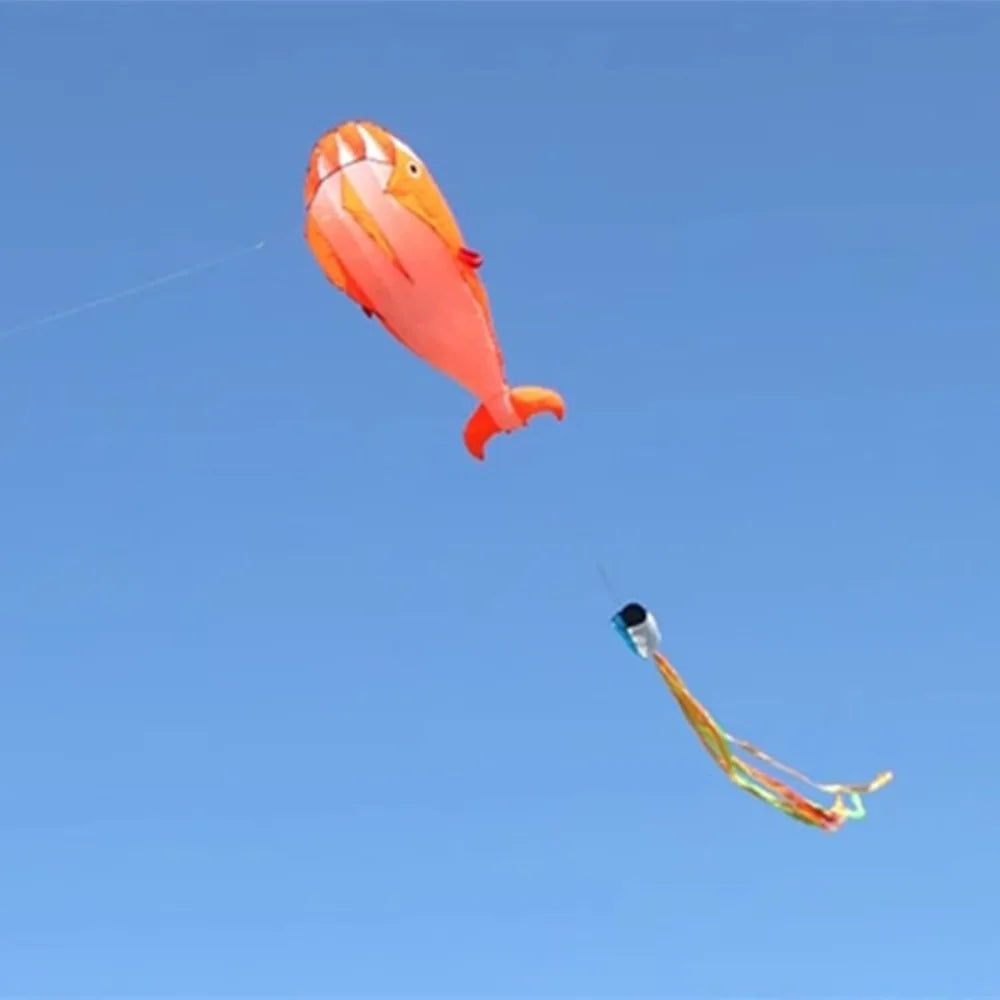
Easy to fly kite with excellent kite stability for first-time flyers. See it in action.
Curious which outdoor toys help kids build coordination and creativity?
Why Single Line Kites Are Easiest for Beginners
A single-line kite is the most common recommendation for new flyers because it prioritizes stability over maneuverability. Unlike dual-line or stunt kites that require constant steering, a one line kite naturally aligns with the wind, allowing beginners to concentrate on launching, flying, and landing with confidence.
Simple Control Means Faster Learning
The easiest kite to fly removes unnecessary complexity. With only one flying line, beginners spend less time learning controls and more time enjoying steady flight.
- Only one control line to manage
- Quick to assemble and launch
- Lower chance of tangled flying lines
- Suitable for young children with adult supervision
- Builds confidence within the first few flying sessions
Many parents exploring outdoor developmental activities also browse Baby Growth & Learning to discover activities that encourage motor skills, coordination, and sensory development. Kite flying naturally complements those goals while providing active outdoor fun.
Improved Stability Helps Build Confidence
Stable flight is one of the biggest advantages of a beginner single-line kite. Wider wings, balanced tails, and lightweight frames help the kite recover from small wind changes instead of diving or spinning. This predictable behavior allows beginners to experience longer flights with fewer interruptions, making every session more enjoyable.
An easy to fly kite that remains stable also helps children develop confidence because they spend more time successfully controlling the kite and less time restarting after crashes.
When to Choose a Dual-Line Kite Instead
Although single-line kites are the best beginner kite choice for most families, dual-line kites become a good option once basic flying skills are established. They offer greater maneuverability and allow flyers to perform turns, loops, and tricks, but they require continuous steering and more coordination.
If your goal is relaxed family recreation, teaching young children, or enjoying reliable flights in typical park conditions, a single-line recreational kite remains the easiest and most forgiving option. Save dual-line models for when you're ready to learn advanced control techniques and more dynamic flying.
Features That Improve Kite Stability and Control
The easiest kite to fly shares several design characteristics that improve lift, balance, and durability. Whether you're shopping for a child's first kite or looking for a dependable family model, understanding these features will help you identify designs that remain stable across a range of beginner-friendly flying conditions.
Wide Wing Surface for Strong Lift
A wider wing surface captures more airflow, allowing the kite to generate lift with less wind. This makes launching easier and helps maintain altitude during gentle breezes between approximately 5 and 15 mph. Broad-wing designs are especially forgiving for beginners because they recover more smoothly from small wind changes.
Balanced Tail Design
The tail acts as a stabilizer by adding controlled drag behind the kite. A properly balanced tail reduces unwanted spinning, improves directional tracking, and helps the kite point naturally into the wind. Longer tails often perform better in variable conditions, while lightweight ribbon tails keep overall weight low without sacrificing kite stability.
Lightweight Durable Materials
Modern beginner kites commonly use ripstop polyester or nylon sails paired with flexible fiberglass frames. These materials resist tearing, hold their shape after repeated use, and withstand occasional beginner crashes without adding unnecessary weight. Lightweight construction also allows the kite to fly in lighter winds where beginners typically experience the greatest success.
Quick Setup Frames
Simple assembly is another hallmark of a quality beginner kite. Pre-attached bridles, clearly marked frame components, and quick-connect spars reduce setup time while minimizing mistakes before launch. Parents and first-time flyers can spend less time assembling equipment and more time enjoying outdoor activities together.
The most stable kite design depends on the intended flyer and typical wind conditions, but several styles consistently perform well for beginners:
- Single-line delta kites provide excellent lift and remain stable across a broad range of light to moderate winds.
- Large animal-shaped kites combine generous wing surfaces with balanced profiles, making them easy for children to launch and control.
- Modified diamond kites remain a reliable traditional option when flown in steady breezes, though they may require slightly more attention than modern beginner designs.
When evaluating beginner models, prioritize predictable flight behavior over maneuverability. A kite that launches consistently, remains balanced, and recovers naturally from wind gusts will deliver a far more enjoyable first flying experience than one designed primarily for speed or tricks.
Looking for beginner recreational kites designed for smoother launch and stable flight?
Learn how this beginner-friendly kite supports easier control
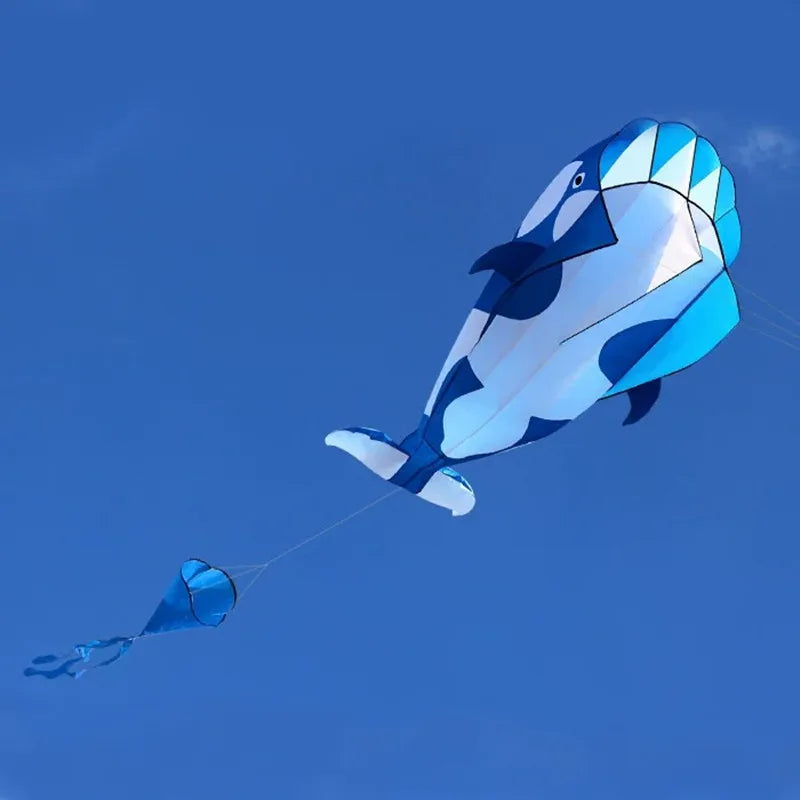
An easy-to-fly kite with excellent stability helps beginners enjoy smoother launches, fewer tangles, and longer flights.
How to Choose the Right Beginner Kite
The best beginner kite depends on the flyer's age, experience, typical wind conditions, and where the kite will be flown. Choosing the right combination of size, stability, and construction makes learning easier while increasing the chances of a successful first flight.
Choose by Age
Different age groups benefit from different kite characteristics. Matching the kite to the flyer helps create a safer and more enjoyable experience.
- Young children: Look for highly stable single-line kites with simple assembly and bright, easy-to-follow designs.
- School-age kids: Larger beginner kites provide longer flights while remaining easy to control.
- Teenagers and adults: Choose models that balance stability with slightly greater responsiveness as flying skills improve.
Choose by Wind Conditions
Most beginner kites perform best in steady winds between 5 and 15 mph. Flying in this range provides enough lift for reliable launches without creating excessive pull that can make control difficult.
Lightweight designs such as the Whale Dolphin Kite are well suited to these beginner-friendly conditions, making it easier to achieve stable, consistent flights.
Choose by Flying Location
Your flying location has a significant impact on kite performance.
- Open beaches usually provide the smoothest, most consistent wind.
- Large parks and sports fields work well when free from trees and buildings.
- Avoid small backyards or crowded areas where wind turbulence can make launching difficult.
The more open the space, the easier it is for a beginner kite to develop steady lift and maintain stable flight.
Choose by Kite Type
Single-line kites remain the preferred choice for beginners because they require minimal control while offering dependable stability. Delta and large animal-shaped kites are especially forgiving, making them excellent options for family recreation.
If your primary goal is relaxed outdoor fun rather than performing tricks, a beginner-friendly single-line model offers the best balance of ease of use, durability, and value. Products such as the Whale Dolphin Kite combine stable flight characteristics with colorful designs that keep children engaged throughout longer flying sessions.
Safety Tips for Family Kite Flying
Following a few simple safety practices helps beginners enjoy longer flying sessions while reducing the risk of accidents or equipment damage. Adult supervision is especially important when young children are learning to launch, fly, and retrieve a kite.
Safe Locations
Choose large, open spaces with steady wind and plenty of room to maneuver. Beaches, sports fields, and spacious parks are ideal because they provide fewer obstacles that can interfere with flight.
- Stay well away from power lines and utility poles.
- Avoid trees, buildings, roads, and crowded public areas.
- Leave enough space between your kite and other flyers.
Weather Awareness
Weather conditions have a major impact on both safety and performance. Fly only when winds are appropriate for your kite and avoid rapidly changing conditions.
- Ideal beginner wind speeds are generally between 5 and 15 mph.
- Do not fly during thunderstorms or when lightning is possible.
- Avoid strong gusts that can overpower lightweight beginner kites.
Power Line Safety
If a kite becomes tangled in a power line or electrical equipment, never attempt to retrieve it yourself. Leave the area immediately and contact the appropriate utility company if necessary. Using non-conductive kite line does not eliminate the dangers associated with electrical infrastructure.
Parents planning longer outdoor play sessions may also explore comfort-supporting items in Sleep & Comfort for post-play relaxation routines.
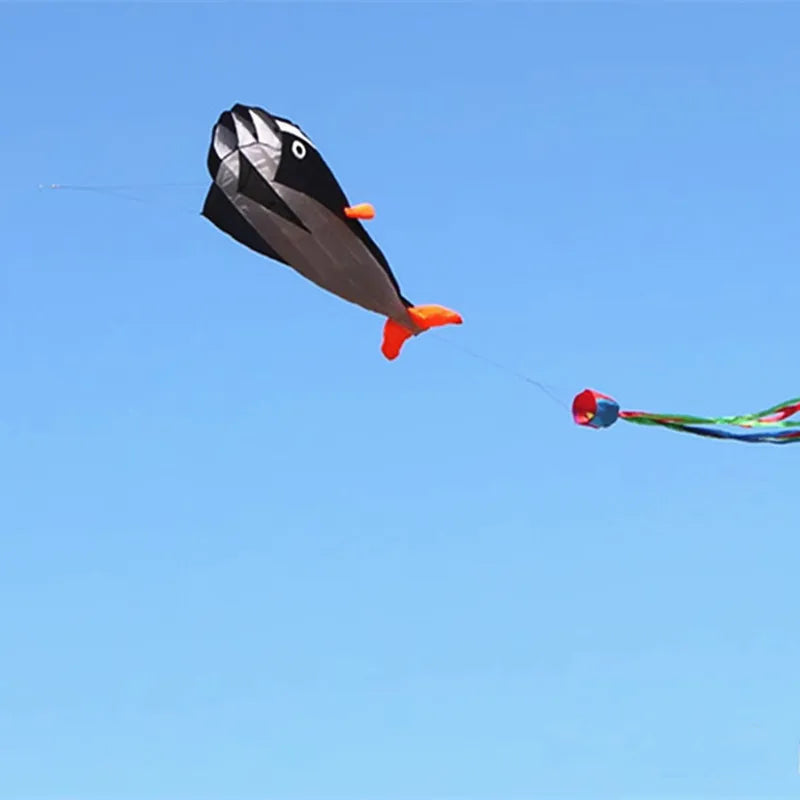
A stable beginner single-line kite helps families enjoy longer, more relaxing outdoor flying sessions.
Ready to make outdoor play easier and more exciting for your child?
Frequently Asked Questions
What is the easiest kite to fly?
A single-line delta kite or a large animal-shaped single-line kite is generally the easiest kite to fly. These designs generate steady lift, recover well from minor wind changes, and require very little steering, making them ideal for first-time flyers of all ages.
Are single-line kites better for beginners?
Yes. A one line kite is usually the best choice for beginners because it emphasizes stability instead of maneuverability. Unlike stunt kites that require constant steering with two lines, single-line models are easier to launch, simpler to control, and less likely to become tangled.
What wind speed is best for beginner kites?
Most beginner kites perform best in steady winds between 5 and 15 mph. Winds below this range may not provide enough lift, while stronger or gusty conditions can make controlling the kite more challenging for inexperienced flyers.
Can adults use beginner kites?
Absolutely. Beginner kites are suitable for adults who are learning to fly as well as parents who want an easy, relaxing outdoor activity with their children. Stable single-line designs provide an enjoyable experience regardless of age.
How do I choose a kite for a child?
Choose a lightweight single-line kite that matches your child's age and is designed for light to moderate winds. Look for durable materials, simple assembly, bright colors for visibility, and stable flight characteristics that help build confidence during the first few flying sessions.
What is the most stable kite design?
Delta kites and well-balanced animal-shaped single-line kites are among the most stable kite designs for beginners. Their broad wing surfaces and aerodynamic shapes help maintain smooth, predictable flight while reducing unwanted spinning or sudden dives.
How long do beginner kites typically last?
A quality beginner kite can last for many seasons when flown in suitable weather and stored properly after each use. Cleaning the sail, allowing it to dry before storage, and protecting the frame and flying line from damage will help extend its lifespan.
Related Guide: Best Kite for Beginners: Top Picks Compared for Easy Flying





