

Best Creative Play Piano Toy for Kids: Age-Based Buying Guide for Performance & Musical Growth
Creative Play Piano Toy for Kids: Ultimate Buying Guide for Future Performers
It starts with a familiar moment—your child tapping on tables, toys, or anything that makes noise. That curiosity is more than just play. It’s the early spark of creativity and rhythm. The challenge? Turning that random noise into meaningful creative expression without overwhelming your home (or your ears).
A well-designed creative play piano toy for kids bridges that gap—helping children explore music, build confidence, and even perform—all while keeping things fun and age-appropriate.
If you're comparing options and unsure what actually matters, this guide will help you make a confident choice based on age, features, and real-life use.
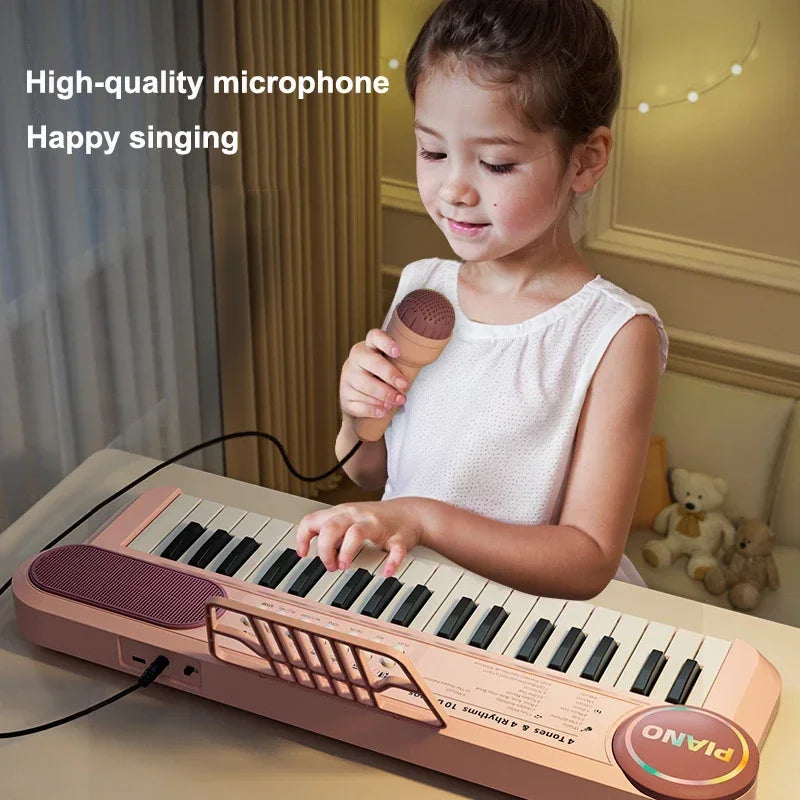
Quick tip: If you want a balanced option that supports both creativity and performance play, consider a beginner-friendly keyboard with interactive features like a microphone and multiple sound modes.
Quick Picks: Best Creative Play Piano Toys by Age (2026)
Best for Toddlers (Ages 1–3): Sensory & Exploration
At this stage, children learn through touch, sound, and color. Look for:
- Large, soft keys
- Bright colors and lights
- Simple sound outputs
Best for: Sensory play and early coordination
Best for Preschoolers (Ages 3–5): Creative Play & Role Play
This is where imagination kicks in. Kids love pretending to be performers.
- Microphone for singing
- Multiple sound effects
- Recording and playback features
Top pick: A 37-key keyboard with mic strikes the perfect balance between play and learning.
👉 Explore this interactive kids electric piano designed for creative performance and early music skills.
Best for Early Learners (Ages 5–7): Skill Building
- Light-up keys or guided modes
- Built-in songs
- Rhythm and tempo controls
Best for: Developing rhythm, memory, and coordination
Best for Aspiring Performers (Ages 7+): Realistic Experience
- More keys (49+)
- Advanced sound modes
- Headphone support
Best for: Kids showing strong interest in music and performance
Why Creative Play Piano Toys Matter for Child Development
How Music Supports Brain Development
Music activates multiple areas of the brain simultaneously. With regular interaction, children improve:
- Memory and pattern recognition
- Hand-eye coordination
- Auditory processing
Creative Play vs STEM Toys: Why Balance Matters
While STEM toys build logic and problem-solving, creative toys like piano keyboards encourage emotional expression and imagination. A balanced play environment supports both analytical and creative growth.
Performance Play: Building Confidence Early
Giving children a “stage”—even a small one—can be powerful. Microphones, recording features, and pretend concerts help kids:
- Express themselves confidently
- Develop social skills
- Overcome shyness
What to Look for in a Creative Play Piano Toy
Key Features That Enhance Creative Expression
- Multiple sound modes (piano, drums, animals)
- Recording and playback
- Rhythm and beat options
- Light-up keys for engagement
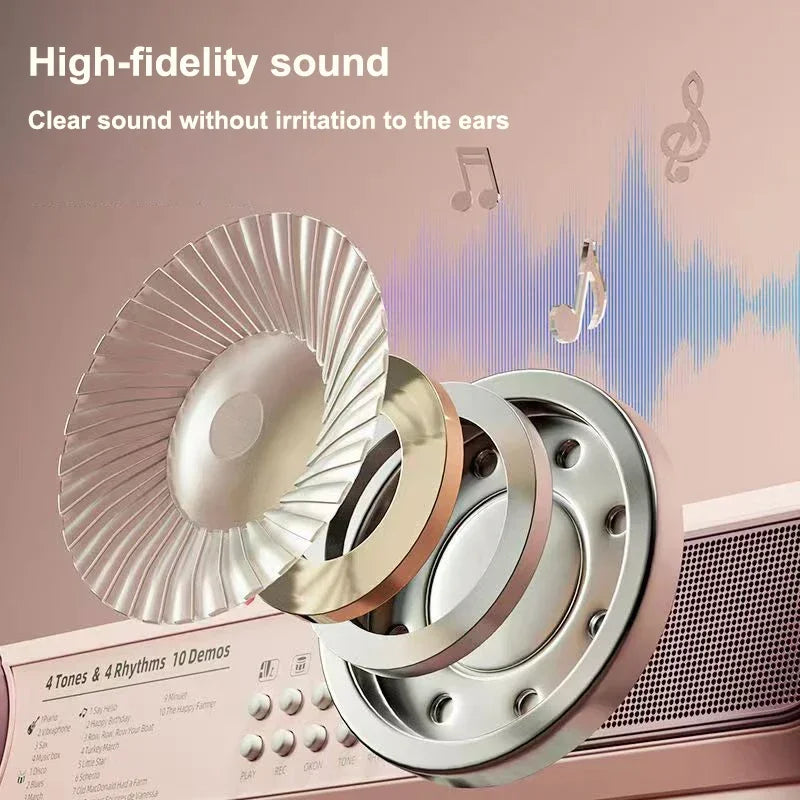
Sound & Volume Control (Important for Small Spaces)
Noise is one of the biggest concerns for parents. Look for:
- Adjustable volume
- Headphone compatibility
- Soft-touch keys
Battery vs Rechargeable Toy Instruments
- Battery-powered: Easy but requires replacements
- Rechargeable: More eco-friendly and cost-efficient long term
Durability, Safety, and Build Quality
Always check for:
- Non-toxic ABS plastic
- Rounded edges
- Compliance with safety standards like ASTM or CPSC
👉 For more child-safe product ideas, browse Baby Growth & Learning essentials.
Toy Piano vs Beginner Keyboard: What’s the Difference?
When to Choose a Toy Piano
- For ages under 5
- Focus on play and exploration
- Simple features
When to Upgrade to a Beginner Keyboard
- For structured learning
- More keys and control
- Better sound quality
Quick Comparison Matrix
| Feature | Toy Piano | Beginner Keyboard |
| Age Range | 1–5 years | 5+ years |
| Keys | Small (10–25) | 37–61+ |
| Purpose | Play & exploration | Learning & performance |
| Sound Quality | Basic | Enhanced |
| Features | Lights, sounds | Modes, recording, rhythm |
Real-Life Use Cases: Choosing Based on Your Home & Lifestyle
Best for Small Apartments or Shared Spaces
Choose compact keyboards with volume control or headphone support.
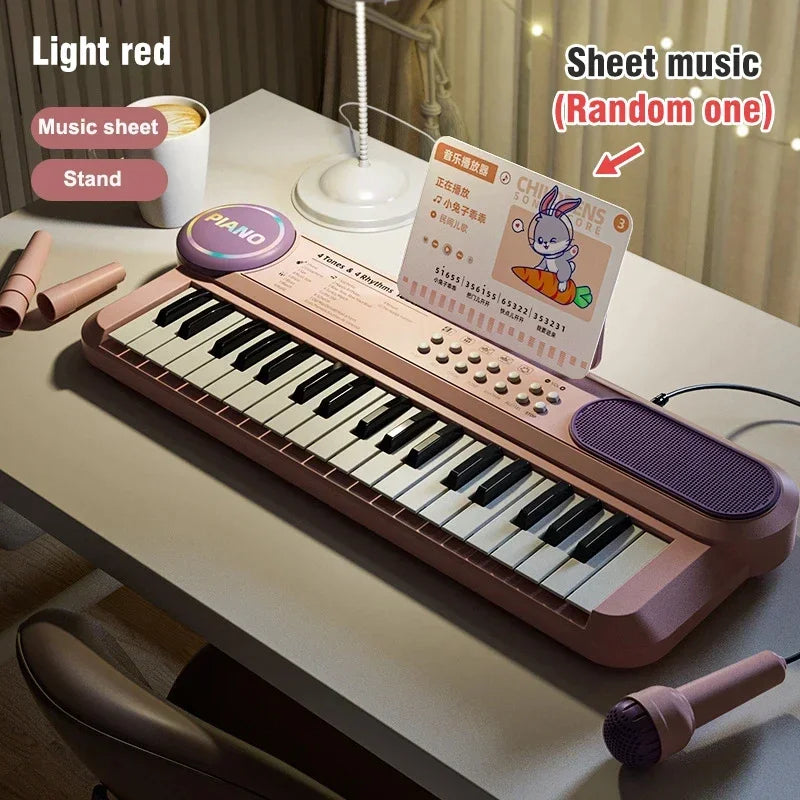
Best for Outgoing Kids Who Love Performing
Look for toys with microphones and stage-like features.
👉 A great example is this 37-key kids electric piano with microphone, designed to encourage performance and creativity.
Best for Quiet, Focused Learners
Opt for structured keyboards with guided modes and minimal distractions.
Explore more calming and focused toys in the Sensory Toys collection.
Top Features Comparison Table (Quick Decision Guide)
| Product Type | Best Age | Key Features | Pros | Cons |
| Basic Toy Piano | 1–3 | Lights, sounds | Safe, simple | Limited learning |
| 37-Key Keyboard with Mic | 3–6 | Mic, modes, portable | Creative + performance | Battery dependent |
| Learning Keyboard | 5–7 | Guided keys, songs | Skill development | Less imaginative play |
| Advanced Beginner Keyboard | 7+ | Full features | Realistic experience | Higher cost |
👉 Ready to upgrade your child’s playtime? Browse more smart picks in Smart Baby Gadgets.
Frequently Asked Questions
What is the best creative play piano toy for kids by age?
It depends on developmental stage. Toddlers need simple sensory toys, while preschoolers benefit from keyboards with microphones and interactive features.
Are piano toys good for child development and creativity?
Yes. They support coordination, memory, emotional expression, and early musical skills.
What features should I look for in a mini performer toy?
Look for microphones, recording modes, multiple sounds, and portability.
How loud are kids piano toys?
Most include adjustable volume, making them suitable for apartments or shared spaces.
What is the difference between a toy piano and a beginner keyboard?
Toy pianos focus on play, while beginner keyboards introduce structured learning and performance features.
Conclusion: Choosing the Right Piano Toy for Your Child
The best creative play piano toy for kids isn’t just about features—it’s about matching your child’s age, personality, and environment.
If your goal is:
- Exploration: Choose simple sensory toys
- Creativity & performance: Go for interactive keyboards with microphones
- Skill development: Upgrade to learning-focused keyboards
For most families, a mid-range option like a 37-key keyboard offers the best balance—fun, educational, and engaging enough to grow with your child.
👉 Discover a fun and interactive kids piano toy that turns everyday play into musical creativity.
Pillar Article: Beginner Music Instruments for Kids: Best Picks by Age, Budget & Learning Goals (2026 Guide)





