

Beginner Music Instruments for Kids: Best Picks by Age, Budget & Learning Goals (2026 Guide)
Beginner Music Instruments for Kids: Best Picks by Age, Budget & Learning Goals (2026 Guide)
Choosing the right beginner music instrument for your child can feel overwhelming. With so many options—from keyboards to ukuleles to toy percussion—it’s easy to second-guess your decision. The good news? You don’t need to overthink it.
This guide simplifies everything using three key factors: age, learning goals, and budget. Whether your child is just exploring sounds or ready for structured practice, you’ll find the best starting point here.
If you're looking for a simple, engaging place to start, a beginner-friendly keyboard can be one of the easiest wins for early musical development.
What Is the Best Beginner Music Instrument for Kids? (Quick Answer)
Best Picks by Age
- Ages 2–4: Xylophone, shaker, toy drums
- Ages 4–6: Keyboard toys, recorder
- Ages 6–9: Ukulele, beginner drum set, small keyboard
- Ages 9+: Digital piano, guitar, violin
Best Picks by Learning Goal
- Rhythm & Energy: Drums, percussion
- Melody & Foundation: Keyboard, xylophone
- Creativity & Expression: Ukulele, guitar
How to Choose the Right Instrument for Your Child
Step 1: Choose Based on Age Group
Young children need simple, sensory-friendly instruments. As motor skills develop, they can handle more structured instruments like keyboards or string instruments.
Step 2: Match Instrument to Learning Goals
If your goal is fun and exploration, go with percussion. If you want foundational music skills, keyboards are ideal. For creativity, string instruments offer flexibility.
Step 3: Consider Budget, Durability & Noise Level
Durability matters for younger kids. Noise level is also key—drums can be loud, while keyboards often include volume control or headphones.
Best Beginner Instruments for Kids by Age
Ages 2–4: Sensory & Rhythm Exploration
At this stage, kids benefit from tactile and sound-based play.
- Xylophones
- Shakers
- Mini drums
Pros: Safe, simple, fun
Cons: Limited musical structure
Ages 4–6: First Structured Musical Play
This is where structured learning begins. A beginner keyboard is one of the best choices.
Recommended Pick:
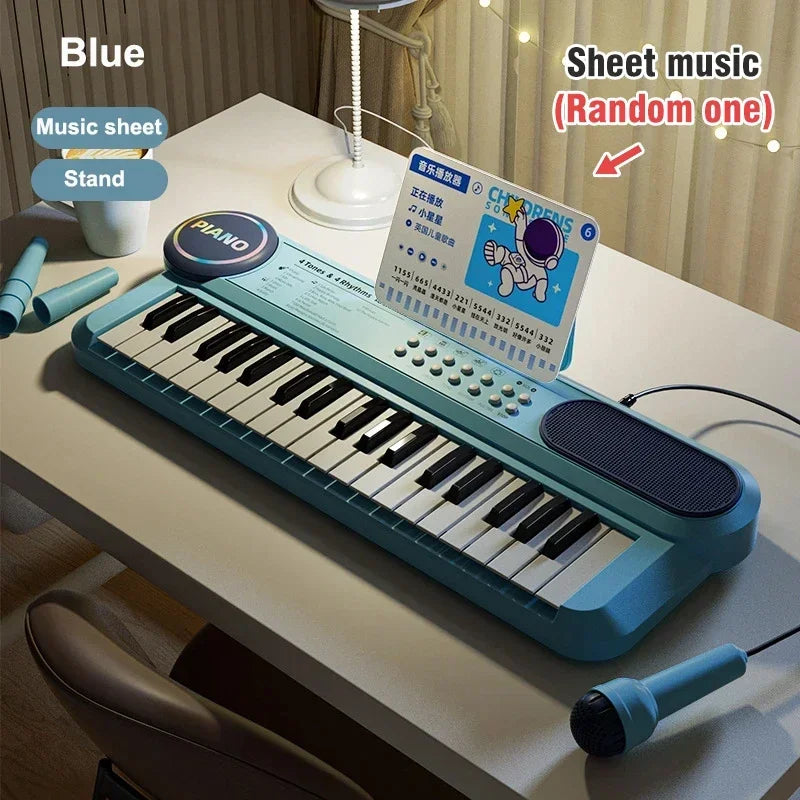
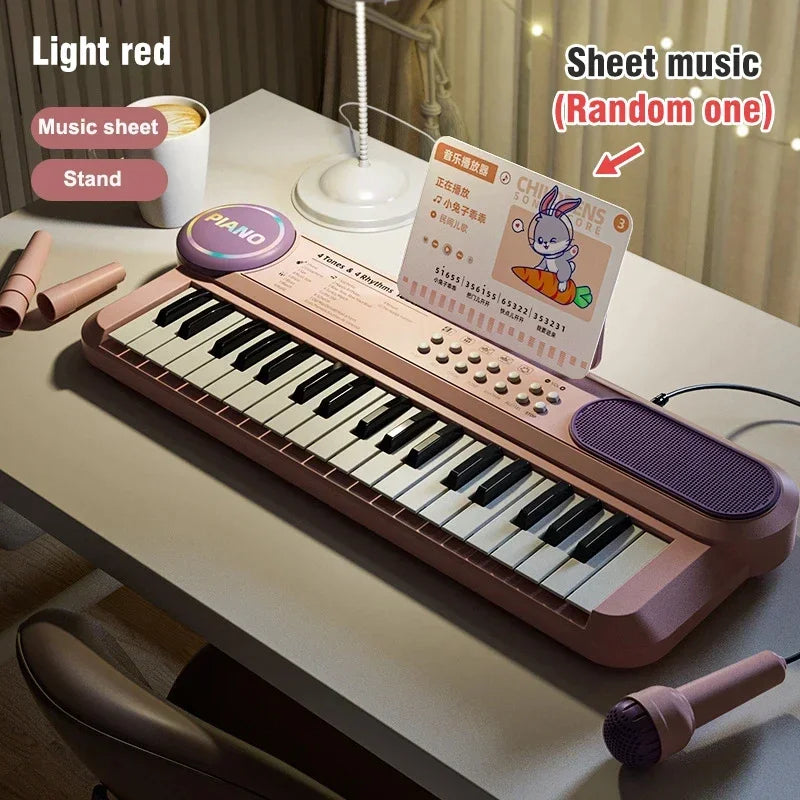
Kids Electric Piano 37-Key with Mic – Fun Learning Toy
- 37 keys for beginner learning
- Microphone for singing and performance
- Interactive sound modes
Pros:
- Encourages creativity and coordination
- Easy to learn basic melodies
- Portable and lightweight
Cons:
- Not a full piano range
- Battery dependency
Ages 6–9: Real Instrument Introduction
- Ukulele
- Beginner drum kits
- Entry-level keyboards
Pros:
- Builds real musical skills
- Improves coordination
Cons:
- Requires more patience
- Steeper learning curve
Ages 9+: Skill Development & Practice
- Digital piano
- Acoustic guitar
- Violin
Pros:
- Long-term skill development
- Structured learning possible
Cons:
- Higher cost
- Requires consistent practice
👉 Explore more learning-friendly tools in our Baby Growth & Learning collection.
Best Beginner Instruments by Learning Goal
Best for Rhythm & Energy
- Drum sets
- Percussion kits
Best for Melody & Musical Foundations
- Keyboards
- Xylophones
- Recorders
Best for Creativity & Self-Expression
- Ukulele
- Guitar
Comparison Matrix: Choosing the Right Instrument
| Instrument | Ease of Learning | Noise Level | Budget | Best For |
| Keyboard | Easy | Low | $30–$100 | Melody & basics |
| Drums | Medium | High | $20–$80 | Rhythm |
| Ukulele | Medium | Low | $40–$100 | Creativity |
| Xylophone | Easy | Low | $15–$40 | Early learning |
Budget Guide: How Much Should You Spend?
Under $30: Toy-Level Musical Exploration
Best for toddlers exploring sound.
$30–$80: Beginner Learning Instruments
This is the sweet spot for most parents. The 37-key keyboard falls into this range and offers excellent value.
$80+: Serious Beginner Setup
Ideal for long-term learning instruments like digital pianos.
👉 Browse affordable options in our Sensory Toys collection.
What to Expect in the First Week of Learning
Typical Progress by Instrument Type
- Keyboard: Basic notes and simple songs
- Drums: Simple rhythms
- Ukulele: Basic chords
Tips to Keep Kids Engaged
- Keep sessions short (10–15 minutes)
- Focus on fun, not perfection
- Encourage singing and creativity
Common Mistakes Parents Make When Buying Kids Instruments
Choosing Too Advanced Too Early
Leads to frustration and loss of interest.
Ignoring Noise Levels
Drums can quickly become overwhelming in small spaces.
Overpaying for Short-Term Use
Start simple before investing heavily.
👉 Need more parenting tips? Visit our Baby Growth & Learning Tips.
Conclusion
The best beginner music instrument for kids isn’t about choosing the “perfect” option—it’s about starting simple and matching your child’s age, interests, and energy level.
A beginner-friendly keyboard is often the easiest and most versatile starting point. From there, you can explore more specialized instruments as your child grows.
👉 Ready to get started? Check out the Kids Electric Piano 37-Key with Mic and turn playtime into a fun musical journey.
Related Articles:
- Buy Kids Keyboard with Microphone: Best Portable Picks for Travel & Learning (2026)
- Best Kids Electric Piano with Microphone: Singing Toys That Kids Love (2026 Guide)
- Early Childhood Music Education: How Music Shapes Brain Development in Kids
- Best Interactive Learning Toys for Music, Brain & Skill Development (2026 Guide)
- Best Electronic Musical Toy Picks for Kids (2026 Buyer’s Guide by Age & Skill)
- Best Educational Piano Toys for Age 3+: Expert Picks & Comparison Guide
- Best Creative Play Piano Toy for Kids: Age-Based Buying Guide for Performance & Musical Growth
- Best Kids Piano Gift Age 3: Top Picks for Learning & Fun (2026 Guide)
- Educational Toys for 3 Year Olds (2026): Milestone-Based Picks That Actually Build Skills





