

Infant Learning Toys: Sensory Development Secrets That Work
15 Best Infant Learning Toys for Sensory Development (0–12 Months)
The first year of life is a period of extraordinary brain development. During this time, babies build millions of neural connections through sensory experiences—touching, seeing, hearing, and exploring the world around them. The right infant learning toys can help support this development by stimulating curiosity and encouraging early motor skills.
From tummy time activity mats to textured sensory balls and musical toys, carefully chosen learning toys help babies develop essential skills like hand-eye coordination, fine motor control, and early cognitive awareness. In this guide, we’ll explore the best infant learning toys organized by developmental stages (0–3, 3–6, 6–9, and 9–12 months) and sensory learning benefits.
Quick Answer: Best Infant Learning Toys for Sensory Development
- Tummy time activity mats
- Baby activity gyms
- High-contrast sensory cards
- Textured sensory balls
- Crinkle books and fabric toys
- Soft rattles and grasping toys
- Stacking rings and nesting cups
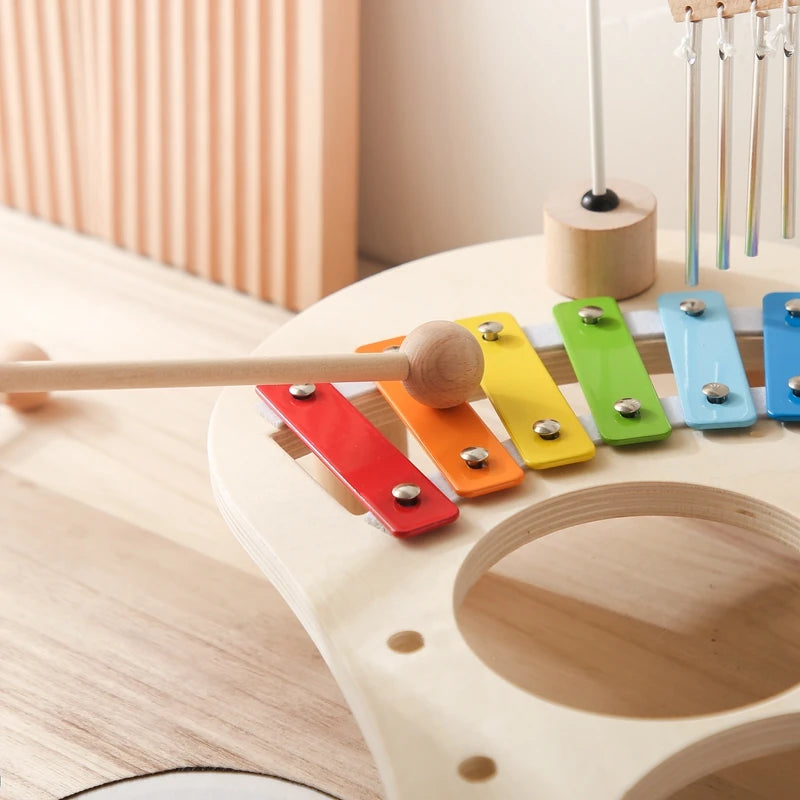
- Musical toys like baby xylophones
- Montessori wooden sensory toys
These toy types stimulate different senses while supporting early developmental milestones such as visual tracking, auditory recognition, and grasp coordination.
Explore more developmental products in our Baby Growth & Learning collection where you can find toys designed to support early learning.
Why Sensory Toys Are Important for Infant Brain Development
How Sensory Development Shapes Early Cognitive Growth
During infancy, the brain develops primarily through sensory input. When babies see colors, hear sounds, or touch new textures, their brains build neural pathways that support learning and memory.
Sensory toys provide structured stimulation that encourages exploration. For example:
- Bright colors stimulate visual development
- Textured toys improve tactile awareness
- Musical toys introduce sound recognition
- Manipulative toys develop coordination
These experiences contribute to early cognitive development and prepare babies for later skills like problem-solving and language learning.
Key Developmental Skills Supported by Infant Learning Toys
The best infant learning toys encourage several foundational skills:
- Fine motor skills – grasping, reaching, manipulating objects
- Gross motor skills – rolling, pushing, and crawling movements
- Hand-eye coordination – aligning visual focus with physical movement
- Object permanence – understanding that objects exist even when hidden
- Cause-and-effect learning – recognizing that actions create results
Parents looking for developmental guidance can also explore helpful resources in our Baby Growth & Learning Tips blog.
How to Choose Infant Learning Toys by Developmental Stage
Sensory Skills Babies Develop in the First Year
Infant development follows a general pattern. Matching toys to each stage helps babies practice age-appropriate skills.
- 0–3 months: visual tracking and early sensory awareness
- 3–6 months: grasping and reaching
- 6–9 months: object exploration and coordination
- 9–12 months: problem-solving and manipulative play
Safety and Material Considerations for Infant Toys
Safety is critical when choosing toys for babies. Look for products that meet established safety guidelines such as ASTM and CPSC standards.
- Non-toxic materials
- Smooth edges and safe finishes
- No small detachable parts
- Durable construction
Natural wooden toys and soft fabric toys are especially popular because they provide sensory textures while remaining safe for infants.
Best Infant Learning Toys by Age
Best Toys for Babies 0–3 Months
Newborns are just beginning to process visual and sensory input.
Recommended toys:
- High-contrast visual cards
- Soft rattles
- Tummy time mats
- Hanging activity gym toys
Pros
- Encourages visual tracking
- Stimulates early curiosity
- Supports neck strength during tummy time
Cons
- Limited interaction at this stage
- Babies tire quickly during play
Best Toys for Babies 3–6 Months
At this stage babies begin reaching, grabbing, and exploring objects with their hands.
Recommended toys:
- Textured sensory balls
- Soft crinkle books
- Grasping rings
- Musical toys
Example sensory toy:
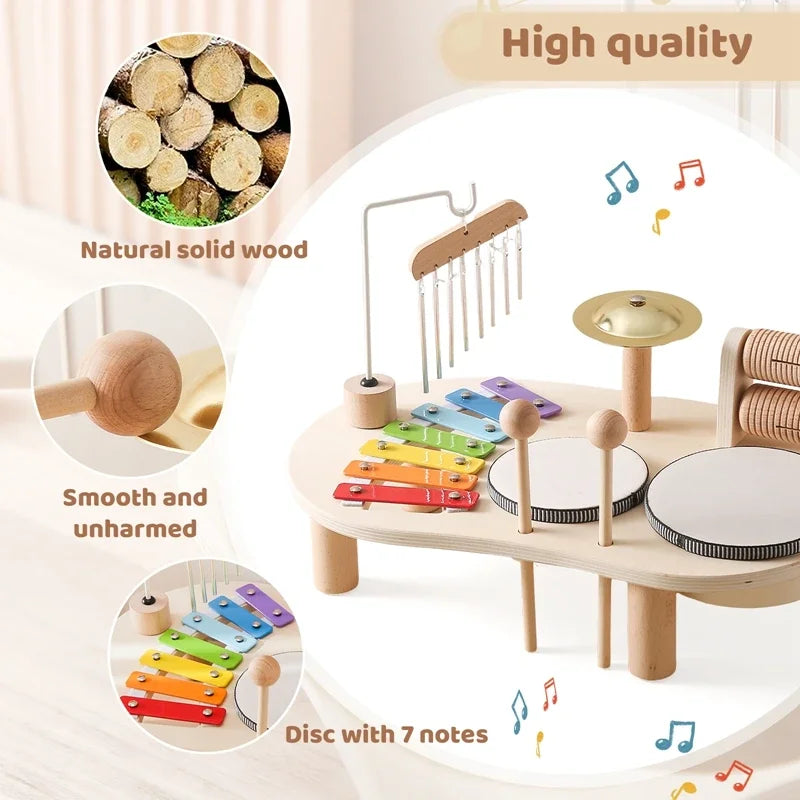
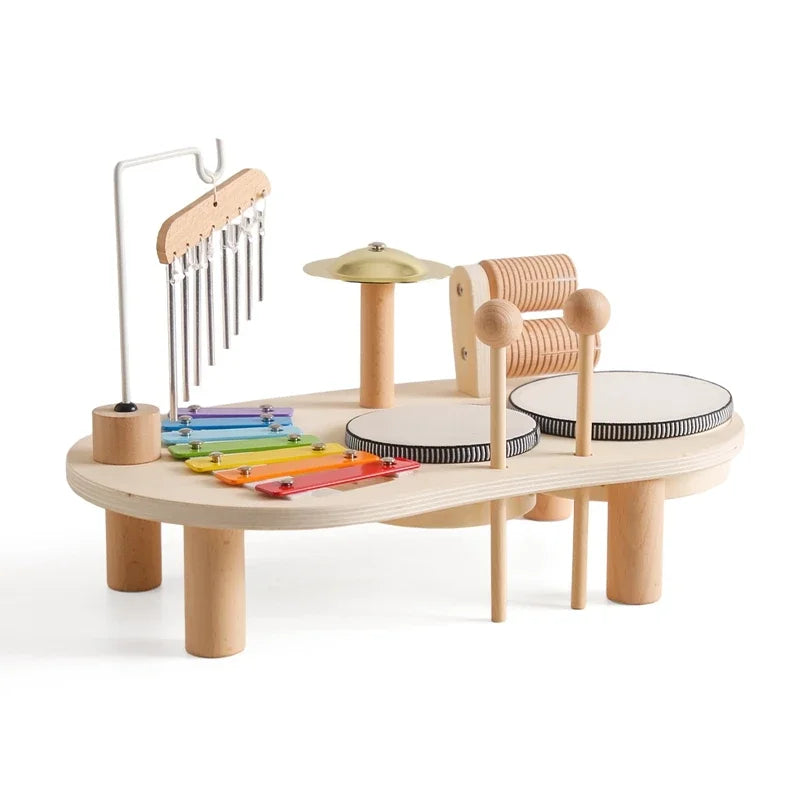
The Wooden Baby Xylophone Toy introduces babies to rhythm and sound through simple tapping movements. Musical toys like this help strengthen hand-eye coordination while also stimulating auditory learning.
Pros
- Encourages reaching and grasping
- Introduces sound recognition
- Supports motor development
Cons
- Requires supervision
- Babies may mouth toys frequently
Best Toys for Babies 6–9 Months
Babies at this stage become active explorers. They start transferring objects between hands and investigating cause-and-effect relationships.
Recommended toys:
- Stacking cups
- Sensory blocks
- Interactive musical toys
- Rolling balls
Pros
- Supports object exploration
- Improves coordination
- Encourages crawling movement
Cons
- Toys may scatter easily
- Some babies lose interest quickly
Best Toys for Babies 9–12 Months
By this stage babies enjoy problem-solving and experimenting with objects.
Recommended toys:
- Stacking rings
- Nesting cups
- Shape sorters
- Montessori wooden toys
Pros
- Develops coordination and planning
- Encourages independent play
- Improves fine motor skills
Cons
- May require demonstration
- Some toys have a learning curve
Best Types of Sensory Toys for Infants (Comparison Guide)
| Toy Type | Primary Skill | Best Age | Key Benefit |
| Tummy Time Mats | Gross motor | 0–6 months | Strengthens neck and core muscles |
| Sensory Balls | Tactile exploration | 3–9 months | Encourages grasping and texture recognition |
| Crinkle Toys | Auditory learning | 3–8 months | Teaches cause and effect |
| Stacking Toys | Coordination | 6–12 months | Builds problem-solving skills |
| Musical Toys | Sound recognition | 3–12 months | Develops rhythm and auditory processing |
Tummy Time Mats and Activity Gyms
These toys encourage babies to lift their heads, reach for objects, and develop upper-body strength necessary for crawling.
Sensory Balls and Textured Toys
Textured toys stimulate tactile exploration and help babies practice grasping.
Crinkle Toys and Sound Toys
Crinkle materials produce sounds that teach babies the concept of cause and effect.
Stacking and Manipulative Toys
Stacking toys encourage coordination and early problem-solving as babies experiment with different shapes.
How to Use Infant Learning Toys for Developmental Play
Simple Sensory Play Activities for Each Age Stage
- 0–3 months: Show high-contrast toys during tummy time
- 3–6 months: Encourage reaching with soft rattles
- 6–9 months: Roll sensory balls across the floor
- 9–12 months: Practice stacking games
Rotating toys every few days keeps babies engaged and encourages new exploration.
You can also explore our Sensory Toys collection to discover more developmental play options.
Encouraging Exploration and Independent Play
Babies learn best through repetition. Allowing them to experiment with toys freely encourages confidence and independent learning.
Simple activities such as tapping a musical toy or stacking rings repeatedly help babies strengthen neural pathways responsible for motor coordination.
Are Montessori Toys Good for Infant Learning?
Montessori toys focus on simple, purposeful play. Many parents prefer these toys because they encourage exploration without overwhelming babies with lights or electronic stimulation.
Montessori infant toys typically feature:
- Natural materials like wood
- Minimalist design
- Hands-on learning experiences
- Self-directed exploration
Musical toys like wooden xylophones are a great example because they combine sensory exploration with early creativity.
Conclusion
The best infant learning toys support natural developmental milestones while encouraging sensory exploration. From tummy time mats to textured balls and Montessori musical toys, each type of toy plays a unique role in helping babies build essential cognitive and motor skills.
Choosing safe, well-designed toys and using them intentionally during playtime can help babies develop confidence, curiosity, and early learning abilities.
If you're building a developmental play environment for your baby, explore the full Baby Growth & Learning collection to find thoughtfully designed toys that support early childhood development.
Pillar Article: 15 Best Musical Toys for Infants (0–12 Months) That Support Early Development





