

Best Musical Toys for Babies That Inspire Early Learning
15 Best Infants Musical Toys for 0–12 Months (Parent-Tested Picks)
The best infants musical toys do much more than entertain. During the first year of life, babies rapidly develop the neural pathways responsible for hearing, movement, memory, and early communication. Age-appropriate musical play introduces gentle sounds, rhythm, and interactive exploration that support sensory development while encouraging curiosity in a safe and engaging way.
Choosing the right toy, however, can be challenging. Some musical toys are designed with newborn hearing sensitivity in mind, while others better suit older babies developing fine motor skills and hand-eye coordination. Materials, sound levels, durability, and developmental value all play an important role.
This guide highlights the best musical toys for infants aged 0–12 months, organized by developmental stage. You'll also learn how music supports early brain development, which safety features deserve the highest priority, and how to choose toys that encourage learning without overstimulating young babies.
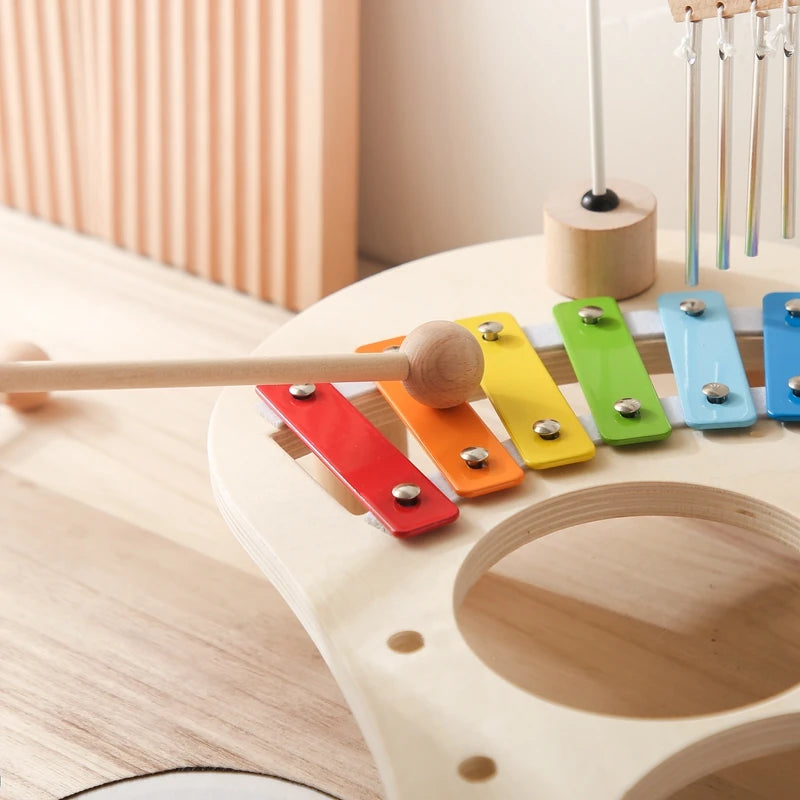
Why Musical Toys Matter for Baby Development
How Music Supports Sensory Development
From birth, babies constantly absorb sounds from voices, household environments, and everyday routines. Purpose-built musical toys introduce gentle, predictable sounds that help infants distinguish different tones, rhythms, and sound directions without overwhelming their developing hearing.
Soft rattles, bells, chimes, and beginner xylophones encourage babies to listen, observe, and eventually interact. Repeated exposure to these simple sounds strengthens auditory processing while laying the groundwork for future language development and listening skills.
How Musical Play Builds Language, Motor Skills, and Cause-and-Effect
Research in early childhood development suggests that musical activities stimulate several areas of the brain simultaneously. As babies listen, shake, tap, or press musical toys, they process rhythm, movement, timing, and sensory feedback together, creating rich learning experiences during a critical developmental period.
Simple musical play helps encourage:
- Early cognitive development
- Pattern recognition
- Language readiness
- Memory formation
- Hand-eye coordination
- Fine motor control
- Grip strength
- Understanding of cause-and-effect relationships
Even straightforward interactions—such as shaking a rattle or tapping a drum—teach babies that their actions create predictable sounds. This discovery strengthens intentional movement while building confidence during play.
What Pediatric Experts Recommend About Early Music Exposure
Pediatric and child development specialists generally recommend introducing music through gentle, age-appropriate experiences rather than loud electronic stimulation. Toys with moderate volume, simple interactions, and safe materials encourage exploration without overwhelming sensitive hearing.
Parents should look for musical toys that match their baby's developmental stage, are easy to grasp, and encourage active participation instead of passive entertainment. Combining musical play with talking, singing, and face-to-face interaction further supports early communication and social development.
For parents looking for developmental toys, many options in the Baby Growth & Learning collection emphasize these foundational skills.
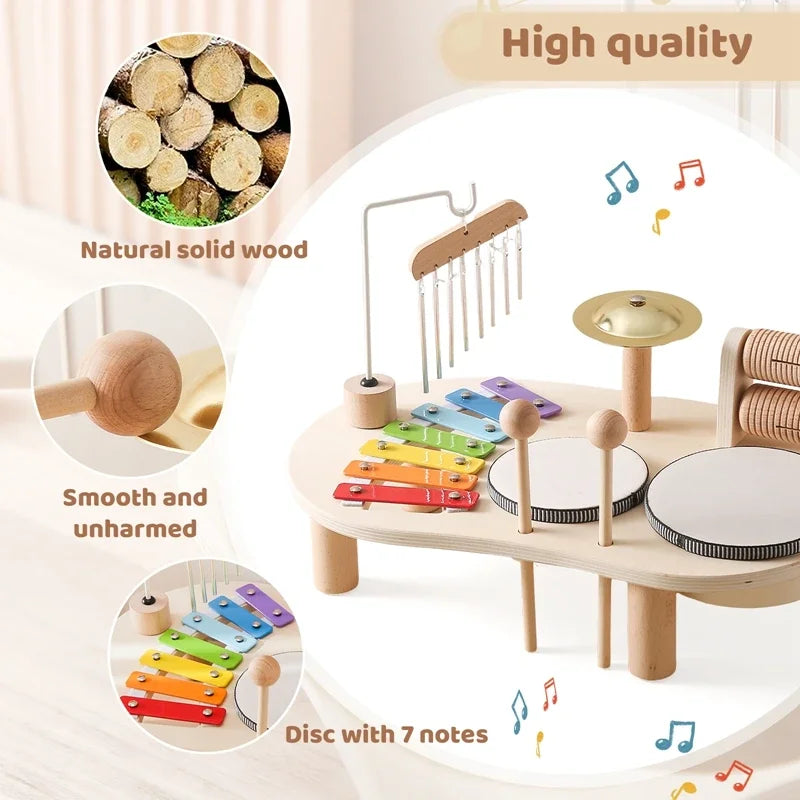
Quick Comparison Table: Best Musical Toys for Babies
| Toy | Best Age | Type | Sound Type | Key Developmental Benefit | Power Source | Best For |
| Soft Musical Rattle | 0–3 months | Rattle | Soft acoustic | Gentle auditory stimulation | Manual | Everyday sensory play |
| Crib Musical Mobile | 0–3 months | Mobile | Melodies | Visual tracking and calming routines | Battery or wind-up | Nursery and naps |
| Baby Drum Pad | 3–6 months | Interactive toy | Electronic | Cause-and-effect learning | Battery | Active floor play |
| Shake-and-Play Maracas | 3–6 months | Handheld instrument | Acoustic | Grip strength and coordination | Manual | Travel and tummy time |
| Mini Baby Piano | 6–12 months | Interactive instrument | Electronic | Rhythm exploration | Battery | Independent play |
| Wooden Baby Xylophone | 6–12 months | Montessori instrument | Natural acoustic | Early musical creativity | Manual | Montessori-inspired learning |
If you're exploring developmental toys that combine music and sensory learning, browsing curated options in the Sensory Toys collection can help you discover age-appropriate designs.
Best Musical Toys for Newborns and Babies 0–3 Months
Best Overall
For newborns, the safest and most beneficial musical toys prioritize soft sounds, lightweight construction, and simple sensory experiences. Babies in this age range respond best to gentle auditory stimulation rather than complex interactive features.
Recommended choices include:
- Plush musical rattles
- Fabric crinkle toys with soft sounds
- Small bell toys designed for infants
Pros
- Gentle sound levels suitable for newborn hearing
- Easy for parents to introduce during supervised play
- Supports early auditory awareness and sensory exploration
Cons
- Limited interactive features
- Most babies outgrow them within a few months
Best Sensory Toy
Soft sensory toys that combine textures with subtle sounds encourage babies to explore using both touch and hearing. Crinkle fabrics, plush materials, and lightweight rattles provide enough stimulation without becoming overwhelming.
Look for toys that are washable, BPA-free where applicable, and free of detachable small parts. High-contrast colors can also help support visual tracking during the newborn stage.
Best Crib and Tummy Time Toy
Musical crib mobiles and tummy time mats are excellent additions for babies who are primarily observing their surroundings. Slow-moving mobiles paired with calming melodies encourage visual tracking, while tummy time mats with gentle musical elements can motivate babies to lift their heads and remain engaged for longer periods.
Choose products with adjustable volume and the ability to switch music off when babies simply need visual stimulation.
Best Musical Toys for Babies 3–6 Months
Best Shake-and-Play Toy
Between three and six months, babies intentionally grasp, shake, and transfer objects between their hands. This makes musical toys for babies under 6 months especially effective for teaching cause-and-effect while strengthening fine motor skills.
Top recommendations include:
- Baby maracas
- Rolling musical balls
- Light-up drum pads
Pros
- Encourage purposeful reaching and grasping
- Reinforce cause-and-effect learning through sound
- Bright colors promote visual engagement alongside auditory play
Cons
- Electronic models may produce louder sounds than acoustic toys
- Battery-powered options require occasional maintenance
Best Soft Musical Instrument
Many musical baby toys for 3–6 months are designed with soft edges and lightweight materials to match developing motor skills. Padded drums, beginner xylophones, and fabric percussion toys allow babies to experiment with rhythm while minimizing the risk of bumps during play.
Parents often find that these instruments remain engaging longer than simple rattles because babies can interact with them in several different ways as coordination improves.
Best Travel-Friendly Option
Compact musical toys are ideal for car rides, stroller walks, and visits with family. Small rattles, clip-on musical toys, and lightweight handheld instruments provide familiar entertainment without taking up much space in a diaper bag.
When choosing travel toys, prioritize models that are easy to clean, durable enough for daily use, and quiet enough to avoid overstimulation in public settings.
Parents often combine musical toys with developmental routines like play sessions after feeding. You can also find useful parent resources in the Baby Growth & Learning Tips blog for structured play ideas.
Best Musical Toys for Babies 6–12 Months
Best Interactive Instrument
By six months, babies begin exploring toys with greater intention. They enjoy pressing buttons, striking surfaces, shaking instruments, and repeating actions that produce interesting sounds. The best musical toys for 6 month old babies encourage independent exploration while strengthening fine motor skills and rhythm recognition.
Popular options include:
- Mini baby pianos
- Drum pads
- Musical activity cubes
- Push-button sound toys
Pros
- Highly engaging and interactive
- Encourage rhythm exploration and sound recognition
- Strengthen hand-eye coordination and finger control
- Support independent play as babies become more mobile
Cons
- Some electronic toys may overstimulate sensitive babies
- Lower-quality models can produce excessively loud sounds
Best Montessori Wooden Toy
Many parents prefer quieter Montessori-inspired toys that encourage open-ended exploration instead of relying on flashing lights or prerecorded music. Natural materials, simple designs, and real acoustic sounds allow babies to experiment at their own pace while developing creativity and coordination.
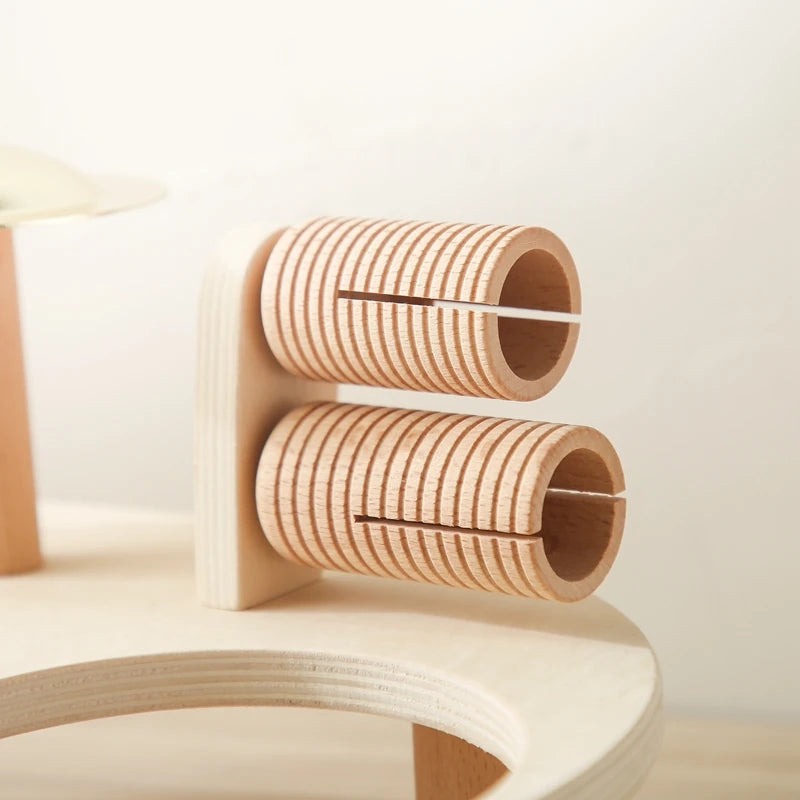
One excellent example is the Wooden Baby Xylophone Toy – Montessori Musical Learning.
This wooden instrument introduces rhythm through colorful bars that produce gentle acoustic notes when tapped with a child-friendly mallet. Rather than overwhelming babies with electronic effects, it rewards exploration through natural sound, making it an excellent choice for parents seeking musical sensory toys for babies.
Pros
- Montessori-inspired sensory learning
- Natural wood construction
- Encourages creativity, rhythm, and independent discovery
- Supports fine motor development and hand-eye coordination
- Requires no batteries
Cons
- Adult supervision is recommended for younger babies using the mallet
- Less interactive than electronic musical toys
Parents often choose Montessori-style toys when building a balanced developmental environment alongside other products from the Baby Care Essentials collection.
Best Electronic Learning Toy
Electronic learning toys can also be valuable for older infants when designed with adjustable volume, large buttons, and age-appropriate music. Interactive pianos and activity centers often introduce colors, numbers, animal sounds, and simple melodies while encouraging repeated exploration.
When selecting electronic options, prioritize toys that offer volume controls, durable construction, and opportunities for active participation rather than passive listening.
Best Musical Toy Awards by Category
Best Overall
Mini Baby Piano — A versatile choice that combines music, interactive buttons, and fine motor practice for babies approaching their first birthday.
Best Budget
Soft Musical Rattle — Affordable, lightweight, and ideal for introducing newborns to gentle auditory stimulation.
Best Montessori
Wooden Baby Xylophone Toy – Montessori Musical Learning — A durable wooden instrument that encourages creativity, rhythm exploration, and sensory learning without electronic distractions.
Best Electronic
Interactive Baby Piano — Best suited for older infants who enjoy pressing buttons, hearing musical responses, and practicing intentional movements.
Best Gift
A complete musical play set combining rattles, beginner instruments, and sensory toys provides long-term developmental value throughout the first year.
How to Choose the Best Musical Toys for Babies
Choose by Developmental Stage
Matching toys to your baby's developmental milestones helps keep play engaging and safe. Newborns benefit from soft sounds and visual stimulation, while older babies are ready for interactive instruments that encourage grasping, tapping, and independent exploration.
Infant hearing is especially sensitive, so musical toys should produce comfortable sound levels. Many pediatric experts recommend toys that remain below approximately 85 decibels when used close to the ear.
Look for toys that:
- Produce soft acoustic sounds whenever possible
- Include adjustable volume settings
- Avoid sudden loud effects or harsh electronic noises
Materials and Certifications
Since babies frequently explore toys with their mouths, material quality is just as important as entertainment value.
Look for products featuring:
- BPA-free plastics
- Non-toxic paints and finishes
- Smooth, rounded edges
- ASTM and CPSC compliant designs where applicable
Wooden musical toys remain a popular choice because they are durable, naturally quieter, and often contain fewer synthetic materials.
Battery vs Manual Toys
Both manual and battery-powered musical toys have advantages.
- Manual wooden toys: quieter, durable, encourage creativity, and never require batteries.
- Electronic toys: provide interactive sounds, lights, and learning activities that can maintain engagement as babies grow.
Many families choose a combination of both to create a balanced collection that supports different types of play and developmental milestones.
How to Clean and Maintain Baby Musical Toys
Cleaning Electronic Toys
Electronic musical toys should never be submerged in water. Instead, wipe exterior surfaces with a soft cloth lightly dampened with mild soap and water, then dry thoroughly before use. Remove batteries whenever recommended by the manufacturer before cleaning.
Regularly inspect battery compartments for corrosion and check that buttons, speakers, and moving parts remain securely attached.
Cleaning Wooden Toys
Wooden musical toys require gentle care to preserve their finish and sound quality. Wipe them with a slightly damp cloth and dry immediately. Avoid soaking wooden instruments, using harsh chemicals, or placing them in the dishwasher, as excessive moisture may damage the wood.
Choose toys finished with child-safe, non-toxic coatings and periodically inspect them for splinters or loose parts.
Storage Tips
Keeping musical toys clean and organized extends their lifespan while maintaining a safe play environment.
- Store toys in a clean, dry location.
- Separate electronic toys from wooden instruments when possible.
- Rotate toys every few weeks to maintain interest without overwhelming babies.
- Inspect toys regularly for signs of wear or damage.
Ways to Use Musical Toys for Learning and Bonding
Tummy Time Activities
Tummy time becomes more engaging when babies have interesting sounds to explore. Place a soft rattle or lightweight musical instrument just within reach to encourage reaching, head lifting, and upper-body strength.
Changing the toy's position occasionally also encourages babies to turn their heads and visually track objects, supporting both physical and sensory development.
Interactive Music Games
Interactive play helps babies connect sounds with social interaction while strengthening communication skills.
Simple activities include:
- Tap simple rhythms and pause for your baby to respond.
- Shake rattles while singing familiar nursery rhymes.
- Allow supervised exploration of age-appropriate musical instruments during floor play.
- Practice gentle call-and-response sound games using different tones and rhythms.
Daily Learning Routines
Short musical play sessions naturally fit into everyday routines such as after naps, following feedings, or before bedtime. Consistent exposure to songs and simple instruments helps babies recognize familiar sounds while encouraging language development and predictable daily rhythms.
Combining musical toys with calming environments—like those found in the Sleep & Comfort collection—can also help babies wind down after play.
Frequently Asked Questions
What are the best musical toys for babies?
The best musical toys vary by age. Soft rattles and crib mobiles are ideal for newborns, while older babies benefit from interactive pianos, drum pads, and Montessori-style wooden instruments that encourage active exploration.
Are musical toys safe for newborns?
Yes, provided they are designed specifically for newborns, produce gentle sounds, contain no small detachable parts, and are made from baby-safe materials.
What age can babies start using musical toys?
Many babies can begin using age-appropriate musical toys from birth. Newborns primarily enjoy listening and watching, while babies around three to six months begin actively grasping and shaking toys.
Can musical toys help language development?
Musical play supports early listening skills, sound recognition, rhythm awareness, and parent-child interaction, all of which contribute to language development during infancy.
How loud should baby musical toys be?
Musical toys should remain comfortably below levels that could stress developing hearing. Adjustable volume controls and naturally quieter acoustic toys are excellent choices.
Are battery-powered or manual musical toys better?
Both have advantages. Manual toys encourage creativity and independent exploration, while electronic toys often provide additional interactive learning features. A balanced combination works well for many families.
How do I clean musical baby toys?
Most plastic toys can be wiped with a damp cloth and mild soap, while wooden instruments should only be lightly wiped and dried immediately. Always follow the manufacturer's cleaning instructions.
What features should I look for in a musical toy for a 6-month-old?
Choose toys with easy-to-grasp designs, safe materials, gentle sound levels, durable construction, and interactive features that encourage tapping, pressing, or shaking. For parents seeking a Montessori-inspired option, the Wooden Baby Xylophone Toy offers natural acoustic play while supporting rhythm, creativity, and fine motor development.
Related Articles:
- Best Percussion Xylophone Instrument Toys for Kids: Complete Buyer’s Guide
- Best Wooden Musical Instrument Toys for Babies & Toddlers (2026 Parent Guide)
- Best Wooden Instrument Toys for Kids: Age-Based Picks & Buying Guide
- Wooden Baby Xylophone Toy: Safe Musical Learning for Infants
- Best Sensory Musical Toy for Babies by Age (0–12 Months)
- Toys That Develop Motor Skills: Best Picks by Age and Play Type
- Best Infant Learning Toys by Age: Sensory Development Guide (0–12 Months)
- Best Educational Toys for Infants by Age (0–12 Months): A Developmental Toy Guide
- 12 Toys That Improve Fine Motor Skills by Age (Therapist-Backed Guide)





