

Best Interactive Learning Toys for Music, Brain & Skill Development (2026 Guide)
15 Interactive Learning Toys That Boost Music Skills & Brain Development
Music-based play isn’t just fun—it’s one of the most powerful tools for early childhood development. Research shows that interactive learning toys, especially those with sound and music features, help strengthen memory, coordination, and language skills during critical growth years. If you’re looking for the best interactive learning toys that combine fun with real developmental benefits, this expert-backed guide breaks down the top picks by age and learning goals.
Why Interactive Music Toys Are Powerful for Early Brain Development
How Music Stimulates Cognitive Development in Children
Music activates multiple areas of the brain simultaneously. When children play with musical toys, they engage in pattern recognition, memory recall, and problem-solving. This helps strengthen neural connections, especially during early developmental stages.
The Role of Sensory Play and Sound Recognition
Interactive toys combine touch, sound, and visual feedback, creating a multi-sensory learning experience. This type of play helps children understand cause-and-effect relationships—press a key, hear a sound—which is essential for early cognitive growth.
How Rhythm Learning Supports Language and Motor Skills
Rhythm is closely linked to language development. Clapping, tapping, and musical repetition help children recognize speech patterns, improve timing, and build coordination between hands, ears, and voice.
How to Choose the Best Interactive Learning Music Toy
Choose Based on Age and Development Stage
Toddlers need simple cause-and-effect toys, while preschoolers benefit from structured musical learning. Older kids can explore creativity through more advanced instruments.
Match Toys to Learning Goals (Rhythm, Language, Motor Skills)
Some toys are better for rhythm training, while others focus on sound recognition or coordination. Choosing based on learning goals ensures better developmental outcomes.
Safety, Durability, and Ease of Interaction
Look for toys made from non-toxic materials that meet safety standards like ASTM and CPSC guidelines. Durable, easy-to-use designs encourage independent play.
Best Interactive Music Toys by Age & Learning Goal (2026 Picks)
Toddlers (Age 1–3): Sensory Play & Sound Exploration
Top Picks for Toddlers
-
Baby Musical Activity Table
Encourages tapping, spinning, and sound discovery.
- Pros: Multi-sensory, durable
- Cons: Limited advanced features
How this toy teaches: Builds cause-effect understanding and sensory exploration.
-
Soft Musical Plush Toy
Plays gentle sounds when squeezed.
- Pros: Safe and comforting
- Cons: Limited interactivity
How this toy teaches: Supports early sound recognition and emotional bonding.
-
Light-Up Drum Toy
Introduces rhythm through tapping.
- Pros: Encourages motor skills
- Cons: Can be repetitive
How this toy teaches: Develops timing and coordination.
How These Toys Teach
At this stage, children learn through repetition and sensory input. These toys focus on sound exploration, tactile engagement, and early motor coordination.
Preschoolers (Age 3–5): Rhythm & Language Development
Top Picks for Preschoolers
-
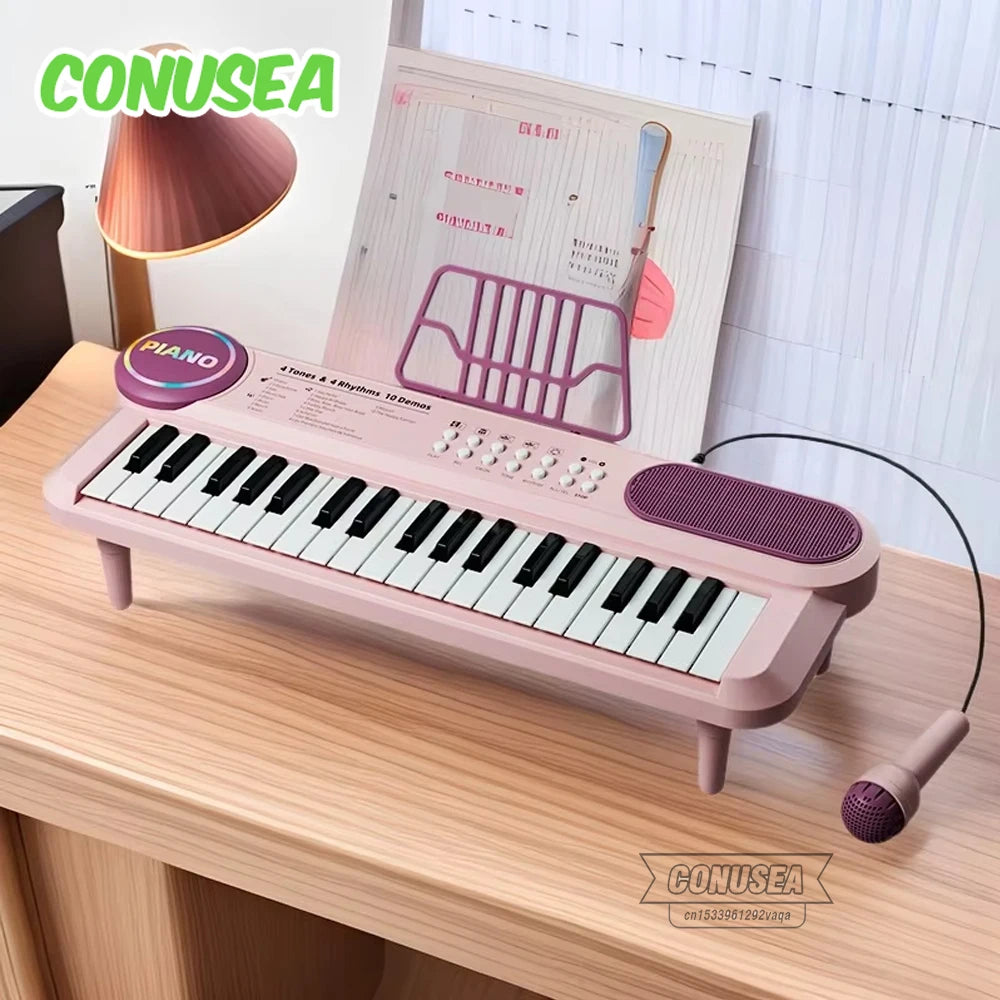
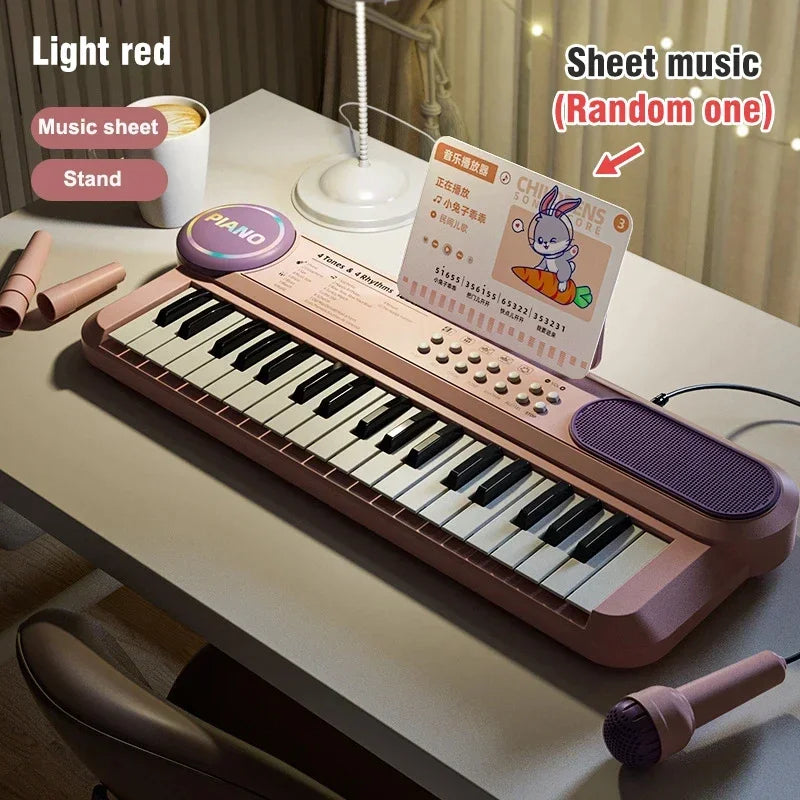
Kids Electric Piano 37-Key with Microphone
This beginner-friendly keyboard transforms playtime into an interactive learning experience with music and singing.
- Pros: Encourages creativity, includes microphone, multiple sound modes
- Cons: Requires batteries or USB power
How this toy teaches: Helps children develop rhythm, confidence, and early musical skills through active participation and vocal expression.
-
Alphabet Music Learning Board
Combines letters with sounds.
- Pros: Supports early literacy
- Cons: Less musical variety
How this toy teaches: Reinforces phonics through sound association.
-
Interactive Drum Set for Kids
Includes multiple pads and rhythms.
- Pros: Great for coordination
- Cons: Larger footprint
How this toy teaches: Enhances rhythm and motor skills.
How These Toys Teach
Preschoolers begin structured learning. These toys promote rhythm recognition, language development, and memory through repetition and guided interaction.
Early Learners (Age 5+): Music Skills & Creative Expression
Top Picks for Early Learners
-
Beginner Electronic Keyboard
- Pros: Realistic sound, scalable learning
- Cons: Slight learning curve
How this toy teaches: Introduces basic music theory and coordination.
-
Digital Music Pad
- Pros: Creative freedom
- Cons: Less structured learning
How this toy teaches: Encourages creativity and composition.
-
Interactive Guitar Toy
- Pros: Engaging and fun
- Cons: Limited realism
How this toy teaches: Develops rhythm and finger coordination.
How These Toys Teach
Older children benefit from creative exploration and structured play. These toys support musical creativity, coordination, and early performance skills.
Quick Comparison: Best Interactive Music Toys by Skill Focus
Best for Rhythm Learning
- Interactive Drum Set
- Light-Up Drum Toy
Best for Language Development
- Alphabet Music Board
- Kids Electric Piano with Microphone
Best for Motor Skill Development
- Musical Activity Table
- Beginner Keyboard
Looking for more developmental toys? Browse our Baby Growth & Learning collection or explore Sensory Toys for additional options.
Expert Tips: Maximizing Learning with Interactive Music Toys
How to Turn Playtime into Learning Time
Engage with your child during play—sing along, clap rhythms, and encourage imitation. Active participation enhances learning outcomes.
Combining Music Toys with Montessori Learning Approaches
Montessori-inspired play emphasizes independence and exploration. Choose toys that allow open-ended interaction rather than fixed outcomes.
Avoiding Overstimulation: Choosing Balanced Toys
Too many lights and sounds can overwhelm children. Opt for toys that balance stimulation with simplicity to maintain focus.
Conclusion: Choosing the Right Interactive Learning Toy
The best interactive learning toys are those that align with your child’s developmental stage and learning goals. Whether it’s sensory exploration for toddlers or creative expression for older kids, music-based toys offer long-term benefits for brain development and confidence.
Start with a toy that matches your child’s interests, and gradually introduce more complex options as their skills grow. For more parenting insights, visit our Baby Growth & Learning Tips.
Ready to support your child’s development through music? Discover engaging, educational toys designed to inspire learning and creativity today.
Pillar Article: Beginner Music Instruments for Kids: Best Picks by Age, Budget & Learning Goals (2026 Guide)





