

Best Baby Xylophone for Every Age: Safe Picks Worth Buying
Best Percussion Xylophone Instrument Toys for Kids (2026 Buyer’s Guide)
Choosing the right percussion xylophone instrument for a child is about more than finding a colorful musical toy. A quality baby or toddler xylophone can introduce rhythm, pitch, and creative expression while supporting fine motor development, sensory exploration, and early problem-solving skills through hands-on play.
Today's children's xylophones range from simple beginner instruments to Montessori-inspired wooden designs with accurately tuned metal bars. Understanding differences in materials, construction quality, safety certifications, and age recommendations makes it easier to select an instrument that encourages both safe play and meaningful learning.
This guide explains what a children's percussion xylophone is, how it works, and why it remains one of the most recommended first musical instruments for babies, toddlers, and preschoolers.
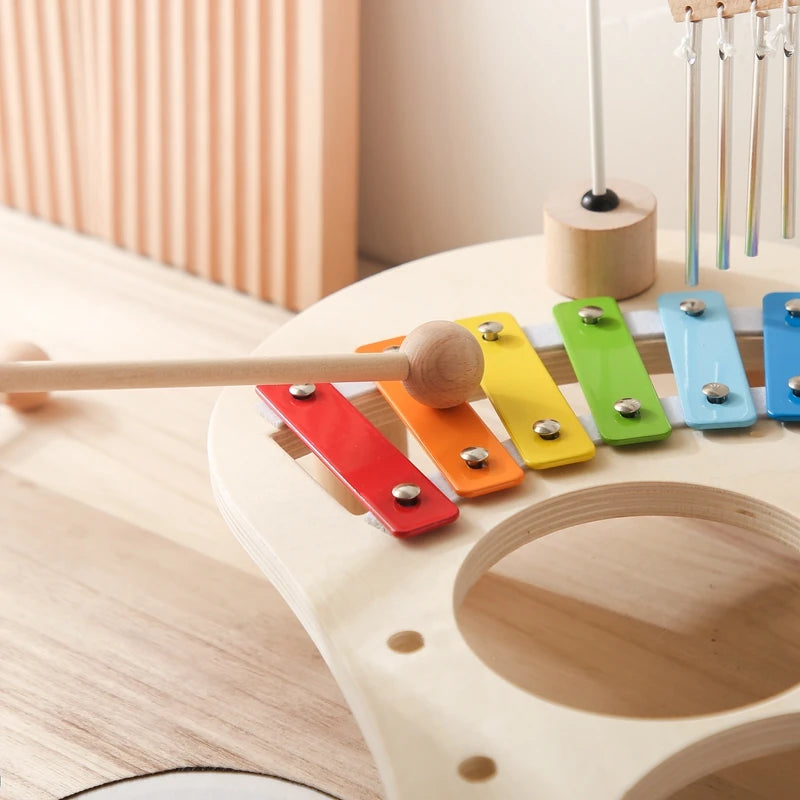
What Is a Baby Xylophone?
A baby xylophone is a child-friendly version of a traditional percussion instrument. Most models feature a sturdy frame with a row of tuned metal bars that produce different musical notes when tapped using a lightweight mallet. The simplified design allows young children to experiment with sound while building confidence through independent play.
Unlike electronic musical toys that rely on prerecorded sounds, a xylophone creates music through vibration. Each strike produces a natural tone, helping children connect their movements with the sounds they create.
How a Baby Xylophone Works
Every metal bar is manufactured to produce a specific pitch. When children strike the bars with a mallet, vibrations create clear musical notes. Shorter bars generally produce higher notes, while longer bars create lower tones, introducing basic music concepts through hands-on exploration.
Because every action creates an immediate result, children quickly begin experimenting with rhythm, note order, and simple melodies while strengthening hand-eye coordination.
Xylophone Instrument Family
Xylophones belong to the percussion instrument family, alongside instruments such as glockenspiels, marimbas, and vibraphones. Children's toy xylophones simplify these designs into durable, easy-to-use instruments that encourage musical discovery without requiring previous experience.
Many early childhood music programs, including Montessori-inspired classrooms and Orff-based learning environments, use xylophones because they encourage active participation, listening skills, and creative exploration.
Benefits of Baby Xylophones for Early Development
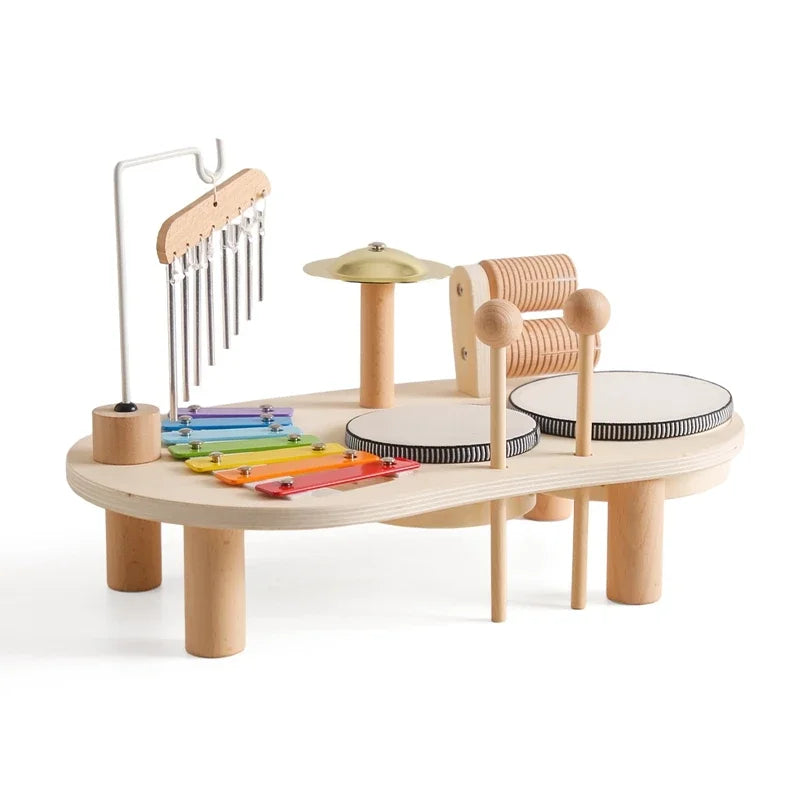
Fine Motor and Hand-Eye Coordination
Holding a mallet, aiming at individual bars, and repeating controlled striking motions helps children refine hand-eye coordination and fine motor control. These foundational skills support everyday developmental milestones, including drawing, writing, stacking, and self-feeding.
As children gain confidence, they naturally improve movement accuracy while learning to coordinate both hands during play.
Sensory and Musical Learning
A baby xylophone provides a rich sensory experience by combining colorful visuals, tactile interaction, and real musical sounds. Children begin recognizing differences in pitch, volume, and rhythm while exploring cause-and-effect relationships through repeated play.
Regular exposure to musical play also encourages listening skills, memory, and creative expression in an enjoyable, low-pressure environment.
Montessori and Independent Play
Many wooden xylophones follow Montessori-inspired principles by encouraging children to learn through exploration rather than electronic prompts or screens. Simple, open-ended play allows young learners to experiment freely at their own pace while developing curiosity and confidence.
Because there are no complicated rules or instructions, a quality xylophone continues to engage children as their coordination, creativity, and musical understanding grow.
Wooden vs Plastic Baby Xylophones: Which Material Is Better?
Both wooden and plastic xylophones can introduce children to music, but each offers different advantages depending on your child's age, developmental stage, and how the instrument will be used. Comparing sound quality, durability, maintenance, and overall value can help narrow your choice.
Sound Quality
Wooden xylophones paired with metal bars generally produce a clearer, brighter tone that makes it easier for children to distinguish individual notes. Better resonance also supports early pitch recognition and simple melody practice.
Plastic models usually generate softer tones and are designed more for sensory play than musical accuracy. They remain a good entry point for very young babies who are just beginning to explore cause and effect.
Durability
Quality wooden frames are built to withstand years of enthusiastic play. Their sturdy construction helps keep the bars securely mounted while resisting everyday bumps and drops.
Plastic xylophones are lightweight and easy to carry but may show signs of wear sooner if used frequently. Higher-quality plastic models can still provide excellent durability for everyday family use.
Both materials are easy to maintain with regular care. Wooden instruments should be wiped using a slightly damp cloth and dried immediately to protect the finish. Avoid soaking wood in water or using harsh cleaners.
Plastic frames can typically be cleaned with mild soap and water, making them convenient for babies who frequently mouth their toys.
Which Material Fits Your Child?
- Choose a wooden xylophone if: you want longer-lasting quality, clearer sound, and a Montessori-inspired learning experience.
- Choose a plastic xylophone if: your baby is very young, portability is important, or you're looking for an affordable first musical toy.
| Feature | Wooden Xylophone | Plastic Xylophone |
|---|---|---|
| Sound Quality | Bright, clear, and resonant | Softer and less precise |
| Durability | Excellent | Good |
| Cleaning | Wipe clean only | Easy to wash |
| Weight | Heavier and more stable | Lightweight and portable |
| Recommended Age | 12 months to 5 years | 6 to 18 months |
How to Choose the Best Baby Xylophone
The best children's xylophone balances safety, durability, sound quality, and ease of use. Looking beyond appearance helps ensure your child receives an instrument that remains enjoyable and educational as their skills develop.
Age Recommendations
Select a model designed for your child's developmental stage. Babies benefit from large, securely attached components and easy-to-grip mallets, while toddlers and preschoolers can enjoy instruments with additional notes for more advanced musical exploration.
Safety Certifications
Always check that the toy complies with recognized safety standards before purchasing. Reliable certifications include:
- ASTM F963 for toy safety in the United States
- CPSC compliance for children's product safety requirements
- EN71 certification for toys sold in Europe
These standards help verify that materials, coatings, and construction meet established safety requirements for young children.
Number of Notes and Tuning
Accurately tuned metal bars provide a better musical experience and help children recognize differences in pitch. Instruments with six to eight notes offer enough range for beginners while remaining easy to play.
Well-tuned bars are especially valuable if you plan to introduce simple songs or basic music lessons later.
Mallet Design and Storage
Look for smooth, rounded mallets sized for small hands. Some xylophones include built-in storage or secure holders that help prevent lost pieces when the toy is not in use.
Build Quality and Materials
Inspect the frame, bar attachments, and overall finish. Smooth edges, securely fastened metal bars, and durable construction improve both safety and longevity, making the instrument suitable for years of regular play.
If you're exploring developmental toys designed to support early learning, you can also browse the Baby Growth & Learning collection , which features educational products built for sensory development.
For more parenting insights on early childhood learning tools, visit the Baby Growth & Learning Tips section.
Quick tip: Prioritize safety certifications, accurate tuning, sturdy construction, and age-appropriate design over electronic features or flashy lights. These qualities provide greater long-term educational value and a more rewarding musical experience.
Best Percussion Xylophone Instrument Toys for Kids (2026 Picks)
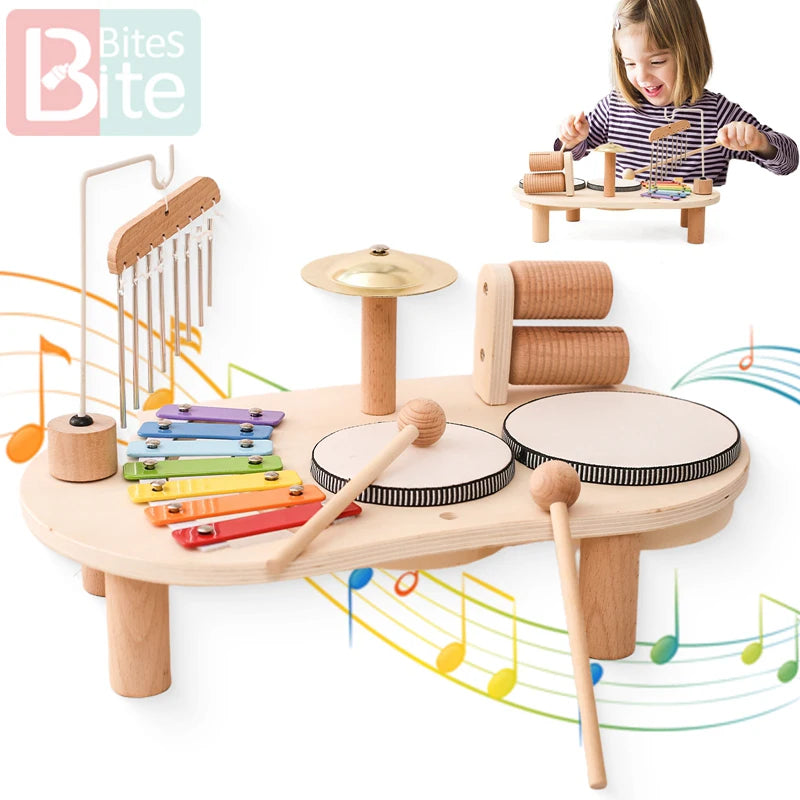
| Product | Material | Recommended Age | Best For |
| Wooden Baby Xylophone Toy – Montessori Musical Learning | Natural wood + metal bars | 0–6 years | Overall learning and sensory play |
| Classic Toddler Xylophone | Plastic frame | 1–3 years | Lightweight everyday play |
| Budget Kids Xylophone | Plastic | 2–4 years | Affordable first instrument |
| Educational Music Xylophone | Wood + metal | 3–5 years | Learning simple melodies and pitch |
Best Overall Wooden Xylophone Toy
The Wooden Baby Xylophone Toy – Montessori Musical Learning is an excellent choice for families looking for a percussion xylophone instrument that combines educational value with durable construction. Its wooden frame, smooth finish, and metal tone bars encourage children to explore rhythm, sound, and cause-and-effect through hands-on play.
Unlike many novelty musical toys that focus on lights or electronic sounds, this model promotes active learning. Children create music by striking each bar themselves, helping strengthen coordination, concentration, and listening skills while naturally introducing musical concepts.
Why we recommend it:
- Montessori-inspired open-ended play
- Natural wooden construction with sturdy metal keys
- Smooth, child-friendly finish
- Supports sensory exploration and fine motor development
- Produces clear musical notes that encourage rhythm practice
Pros
- Excellent build quality for everyday play
- Supports early music education
- Easy for babies and toddlers to hold and use
- Durable enough for years of use
Cons
- Heavier than lightweight plastic models
- Costs more than entry-level toy xylophones
Parents building a complete early learning environment can also pair this instrument with products from the Sensory Toys collection to encourage tactile exploration, coordination, and imaginative play.
Best Xylophone Toy for Toddlers
For children between one and three years old, the best percussion xylophone instrument emphasizes durability, stability, and ease of use. Models with wide metal bars, thick mallets, and sturdy frames allow toddlers to strike confidently without requiring precise control.
Look for rounded corners, securely attached components, and enough spacing between the bars to reduce frustration while developing hand-eye coordination and rhythm.
Best Budget Xylophone Toy
Budget-friendly xylophones provide an accessible introduction to music for families who are unsure whether their child is ready for a higher-end instrument. While inexpensive plastic models may not offer perfectly tuned notes, many still encourage creativity, listening skills, and active play.
Prioritize safety certifications and solid construction over extra electronic features when shopping in this price range.
Best Educational Xylophone Toy
Educational xylophones are ideal for preschoolers beginning to recognize musical patterns, note sequences, and simple songs. Instruments with accurately arranged metal bars help children hear consistent pitch differences while making early music lessons more meaningful.
These models also complement classroom learning and can grow with children as they begin exploring melody, timing, and basic musical confidence.
Age Guide: Choosing the Right Xylophone Toy for Your Child
Best Xylophone Toys for Babies (6–12 Months)
Babies benefit most from simple, durable instruments with oversized bars, lightweight mallets, and non-toxic finishes. At this stage, the goal is sensory discovery rather than learning songs. Supervised play helps babies connect movement with sound while strengthening early motor skills.
Best Xylophone Toys for Toddlers (1–3 Years)
Toddlers enjoy repeating striking motions, experimenting with different sounds, and creating their own rhythms. Wooden percussion xylophone instruments with stable bases and securely mounted bars stand up well to energetic daily use while supporting coordination and independent exploration.
Best Xylophone Toys for Preschool Kids (3–5 Years)
Preschoolers are ready for instruments with a wider range of notes and improved tuning accuracy. These xylophones help children practice simple melodies, develop listening skills, and gain confidence as they begin understanding rhythm, sequencing, and basic music concepts through play.
Final Recommendation
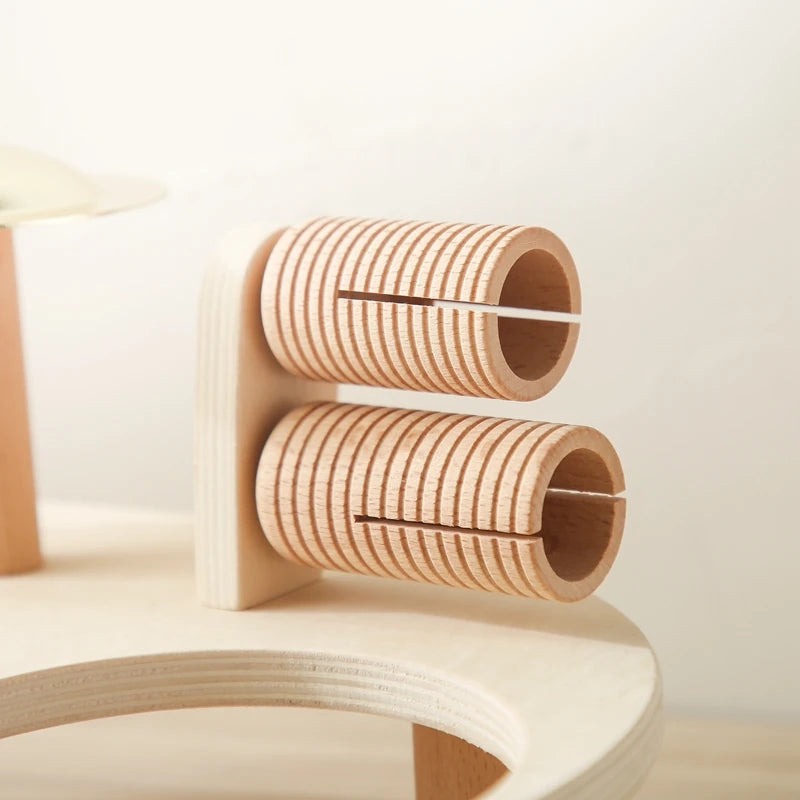
If you're looking for the best baby xylophone , the right choice depends on your child's age, developmental stage, and how the instrument will be used. Prioritizing safety, durable construction, and meaningful play provides better long-term value than choosing toys based solely on appearance or electronic features.
Best Overall
The Wooden Baby Xylophone Toy – Montessori Musical Learning stands out as the strongest overall recommendation thanks to its sturdy wooden construction, child-friendly design, and ability to encourage rhythm, coordination, and sensory exploration from infancy through the preschool years.
Best Budget
A simple plastic xylophone with securely mounted metal bars can be an excellent budget-friendly first instrument. Choose models that meet recognized toy safety standards and avoid unnecessary electronic features that may distract from active musical play.
Best Montessori Choice
Parents following Montessori-inspired learning will appreciate wooden xylophones that encourage independent exploration, open-ended play, and hands-on music making without batteries or screens. Natural materials and accurately arranged tone bars support meaningful learning through discovery.
Best for Growing Toddlers
For toddlers and preschoolers who are beginning to recognize simple melodies, choose a percussion xylophone instrument with durable construction, well-spaced bars, and reliable tuning. These features help children build confidence as their musical skills continue to develop.
Frequently Asked Questions
What is the best baby xylophone for beginners?
A wooden xylophone with smooth edges, securely attached metal bars, and easy-to-grip mallets is usually the best option for beginners. Simple designs encourage exploration while helping children develop coordination and an understanding of basic musical concepts.
Are wooden baby xylophones safer than plastic ones?
Both wooden and plastic xylophones can be safe when manufactured to recognized toy safety standards. High-quality wooden models often offer greater durability, while plastic versions may be lighter for younger babies. Always check for non-toxic finishes, smooth edges, and securely attached components.
What age can a baby use a xylophone?
Many baby xylophones are suitable from around six months of age when used under adult supervision. Babies benefit from supervised sensory exploration, while toddlers and preschoolers can begin experimenting with rhythm and simple melodies.
How many notes should a baby xylophone have?
Five to eight notes are sufficient for most young children. A smaller range keeps the instrument easy to use while still allowing children to recognize differences in pitch and practice simple musical patterns.
Do baby xylophones help with development?
Yes. Playing a xylophone encourages hand-eye coordination, fine motor development, listening skills, rhythm recognition, creativity, and cause-and-effect learning. These benefits make musical toys valuable additions to early childhood play.
Are Montessori xylophones worth buying?
Montessori-inspired xylophones are often a worthwhile investment because they emphasize real-world exploration rather than passive entertainment. Durable materials and open-ended play encourage children to learn through experimentation and repetition.
What safety certifications should I look for?
Look for products that comply with recognized standards such as ASTM F963, EN71, or applicable CPSC safety requirements. These certifications indicate that the toy has been tested for important safety considerations including materials and construction.
How do I clean and maintain a baby xylophone?
Wipe wooden surfaces with a slightly damp cloth and dry immediately. Avoid soaking wooden toys or using harsh cleaning chemicals. Periodically inspect the instrument to ensure the bars remain securely attached and that the mallets show no signs of damage.
If you are building a complete safe play environment, exploring products in the Health & Safety collection can help support everyday child safety alongside educational toys.
Conclusion
A quality percussion xylophone instrument introduces children to music through hands-on play while supporting creativity, coordination, sensory development, and early cognitive growth. Selecting a toy made from safe materials with durable construction and age-appropriate features helps ensure years of enjoyable learning.
For families seeking an excellent balance of educational value, durability, and musical exploration, the Wooden Baby Xylophone Toy – Montessori Musical Learning remains one of the strongest choices for introducing young children to rhythm and melody.
With thoughtful guidance and regular play, a well-made xylophone can become one of a child's first meaningful musical experiences and help inspire a lifelong appreciation for music.
Pillar Article: 15 Best Musical Toys for Infants (0–12 Months) That Support Early Development





