

Best Sensory Musical Toy for Babies by Age (0–12 Months)
Best Sensory Musical Toy for Babies: Top Picks by Age (0–12 Months)
The first year of life is a period of incredible brain development. During this stage, babies rapidly build connections between their senses and the world around them. Sound, texture, movement, and color all play a major role in shaping early learning experiences.
A sensory musical toy for babies combines these stimuli to support infant sensory development. These toys introduce rhythm, encourage tactile exploration, and provide visual engagement — all essential elements for healthy early learning.
However, not all musical toys are equally beneficial. Some are designed purely for entertainment, while others actively support developmental milestones like hand-eye coordination, auditory recognition, and motor skill development.
This guide highlights the best sensory musical toys for babies, organized by developmental stage from newborn to 12 months. Each recommendation is chosen based on safety, sensory stimulation, and developmental benefits.
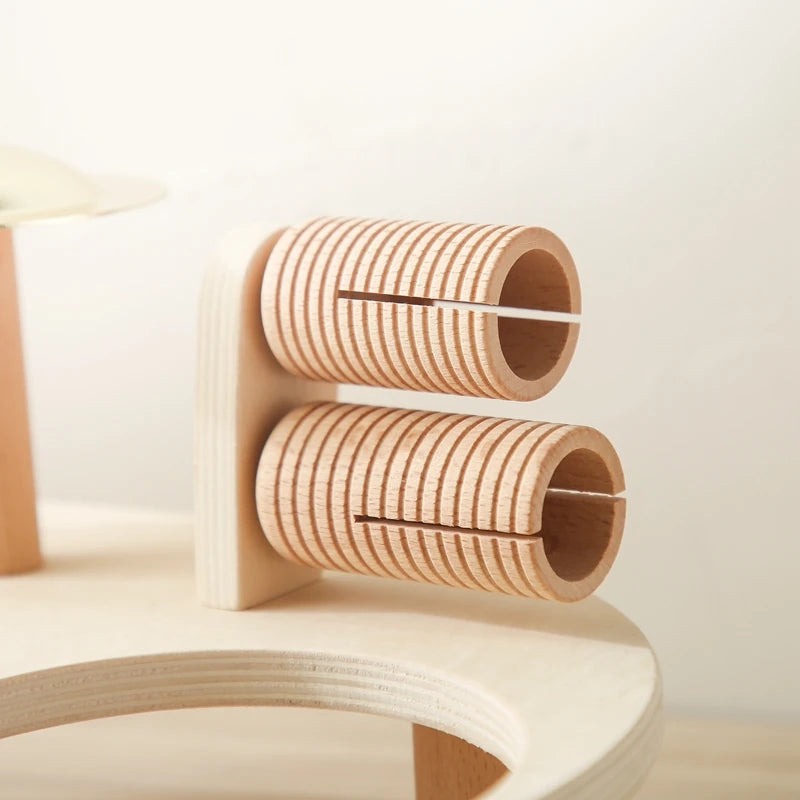
Quick Comparison: Best Sensory Musical Toys for Babies
| Toy | Best Age | Sensory Stimulation | Material | Best For |
| Wooden Baby Xylophone Toy | 3–12 months | Auditory, Tactile | Natural wood | Rhythm discovery |
| Soft Musical Rattle | 0–3 months | Auditory, Tactile | Plush fabric | Early sensory awareness |
| Baby Drum Toy | 6–12 months | Auditory, Visual | Plastic | Interactive play |
| Musical Activity Cube | 6–12 months | Auditory, Visual, Tactile | Wood | Multi-sensory learning |
| Bell Stick Instrument | 3–6 months | Auditory, Visual | Plastic/metal | Grasping practice |
What Is a Sensory Musical Toy for Babies?
A sensory musical toy is designed to stimulate multiple senses at once — primarily sound, touch, and sight. These toys help babies explore cause-and-effect relationships while strengthening early neural connections.
Unlike simple rattles or electronic toys, sensory musical toys encourage babies to actively interact with sound and movement. This interaction helps support early cognitive and motor development.
How Sensory Musical Toys Stimulate Baby Development
When babies shake, tap, or grasp musical toys, they begin to understand how their actions create sound. This process builds foundational learning skills including:
- Auditory processing
- Motor coordination
- Rhythm recognition
- Hand-eye coordination
- Early problem solving
These activities are essential components of early childhood sensory play.
Key Types of Sensory Stimulation in Musical Toys
- Auditory stimulation: bells, chimes, drums, and xylophones that introduce rhythm and sound recognition
- Tactile stimulation: textured surfaces that encourage touch exploration
- Visual stimulation: bright colors and moving components that capture attention
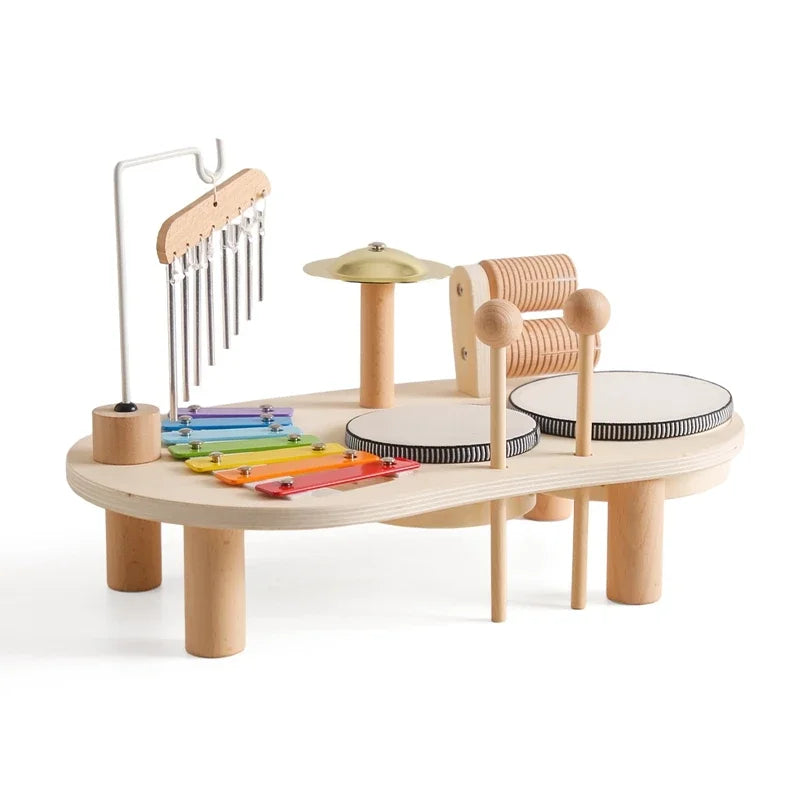
Benefits of Sensory Musical Toys for Infant Development
Auditory Stimulation and Early Sound Recognition
Exposure to music and rhythmic sounds supports the development of auditory pathways in the brain. Babies begin to recognize patterns in sound, which later contributes to language development and listening skills.
Tactile Exploration and Fine Motor Skill Development
Musical toys that require grasping, shaking, or tapping help strengthen the small muscles in a baby’s hands. These actions build the foundation for future skills like writing and manipulating objects.
Visual Stimulation Through Color and Motion
Bright colors and moving components attract a baby's attention and help train their visual tracking abilities — a crucial milestone in early development.
Best Sensory Musical Toys for Babies 0–3 Months
What Babies Need at the 0–3 Month Stage
Newborns primarily respond to gentle sounds, soft textures, and simple visual contrast. Toys at this stage should focus on comfort and light sensory stimulation rather than complex interaction.
- Soft Musical Rattle
A plush musical rattle provides gentle sound and soft textures suitable for newborn sensory exploration.
Pros
- Lightweight and safe for newborns
- Soft tactile stimulation
- Encourages early grasp reflex
Cons
- Limited long-term engagement
- Less auditory variety
Best Sensory Musical Toys for Babies 3–6 Months
Development Milestones in the 3–6 Month Stage
Between 3 and 6 months, babies begin grasping objects intentionally and experimenting with movement. This is the perfect time to introduce musical toys that respond to tapping or shaking.
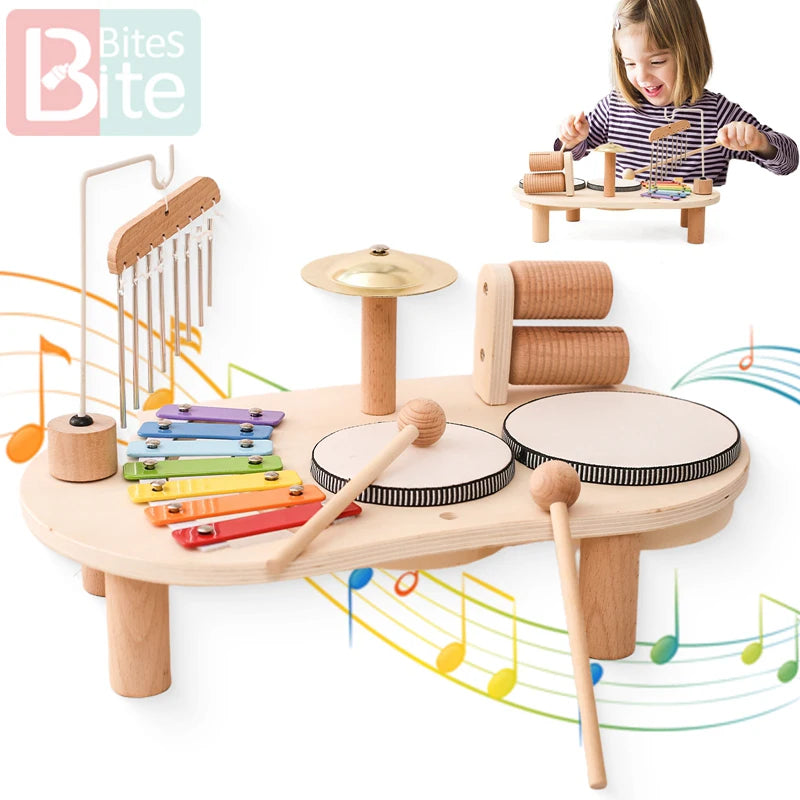
- Wooden Baby Xylophone Toy – Montessori Musical Learning
This Montessori-inspired musical instrument encourages babies to explore rhythm and sound through hands-on play. The natural wooden construction offers safe tactile stimulation while producing pleasant musical tones.
Unlike many electronic toys, this design encourages babies to discover music independently while strengthening coordination.
Pros
- Encourages early rhythm recognition
- Natural wood construction
- Supports hand-eye coordination
- Montessori-inspired exploration
Cons
- Requires supervision for very young babies
- Less visual stimulation than electronic toys
Parents looking for safe developmental toys can explore more options in the Baby Growth & Learning collection.
Soft Recommendation:
If you're introducing music during early development, this wooden baby xylophone toy is a simple and engaging way for babies to experience rhythm through touch and sound.
Best Sensory Musical Toys for Babies 6–12 Months
Development Milestones in the 6–12 Month Stage
During this stage, babies begin sitting, crawling, and exploring objects more actively. Musical toys that encourage hitting, shaking, or pressing buttons help strengthen coordination and curiosity.
- Baby Drum Toy
Interactive drum toys allow babies to create sound through tapping and movement.
Pros
- Encourages active play
- Strong auditory feedback
- Improves motor coordination
Cons
- Often electronic
- May produce loud sounds
- Musical Activity Cube
This multi-sensory toy combines spinning gears, bells, and musical elements for exploration.
Pros
- Multiple sensory activities
- Longer engagement
- Supports problem solving
Cons
- Bulky
- Less portable
More developmental toys can be found in the Sensory Toys collection.
Soft Recommendation:
If you're looking for a simple instrument that grows with your child, wooden musical toys like the Montessori xylophone often remain engaging from infancy into toddlerhood.
How to Choose the Best Sensory Musical Toy for Your Baby
Choose Toys That Stimulate Multiple Senses
The most beneficial toys combine auditory, tactile, and visual stimulation. These experiences help babies build stronger neural connections through multisensory learning.
Prioritize Safe Materials and Baby-Friendly Design
Always choose toys that follow safety standards such as ASTM and CPSC guidelines. Materials should be non-toxic, BPA-free, and designed without small detachable parts.
Parents can also explore safe baby essentials in the Health & Safety collection.
Consider Montessori-Inspired Musical Toys
Montessori toys focus on independent exploration and natural materials. Wooden instruments like xylophones encourage babies to discover sound and rhythm without relying on electronic stimulation.
For more parenting insights, visit the Baby Growth & Learning Tips blog.
Soft Tip: Many parents prefer natural wooden instruments because they provide rich sound while encouraging hands-on sensory play.
Safety Tips for Sensory Musical Toys
- Choose age-appropriate toys recommended for infants
- Avoid small detachable parts that may cause choking hazards
- Inspect toys regularly for damage
- Clean toys frequently to maintain hygiene
- Always supervise babies during playtime
Conclusion
The best sensory musical toy for babies depends largely on your child’s developmental stage. Newborns benefit from gentle sounds and soft textures, while older infants enjoy interactive toys that respond to movement and tapping.
When choosing a musical toy, focus on products that encourage sensory exploration, safe materials, and age-appropriate interaction. These features help babies develop essential skills like rhythm recognition, coordination, and curiosity.
If you're building a collection of developmental toys, natural instruments such as wooden xylophones can provide long-lasting educational value while keeping playtime engaging and creative.
Explore more baby learning products in the Baby Growth & Learning collection to support your baby's early development.
Pillar Article: 15 Best Musical Toys for Infants (0–12 Months) That Support Early Development





