

Childrens Wooden Instruments That Kids Actually Love
10 Best Wooden Instrument Toys for Kids (Age-Based Picks for 2026)
Choosing the right wooden instrument toys can introduce children to music while supporting creativity, coordination, and sensory development. Unlike many electronic toys that rely on prerecorded sounds, wooden musical instruments for kids encourage hands-on exploration, allowing babies, toddlers, and preschoolers to experiment with rhythm, pitch, and movement at their own pace.
From beginner xylophones and maracas to complete percussion sets, well-made children's wooden musical instruments combine durable natural materials with open-ended play. They also promote fine motor development, listening skills, and imaginative expression without overwhelming young learners with flashing lights or excessive electronics.
This guide reviews the best wooden instrument toys for babies, toddlers, and preschoolers , explains how to choose safe, high-quality options, and highlights the features that matter most—including sound quality, non-toxic finishes, durable construction, and recognized toy safety standards.
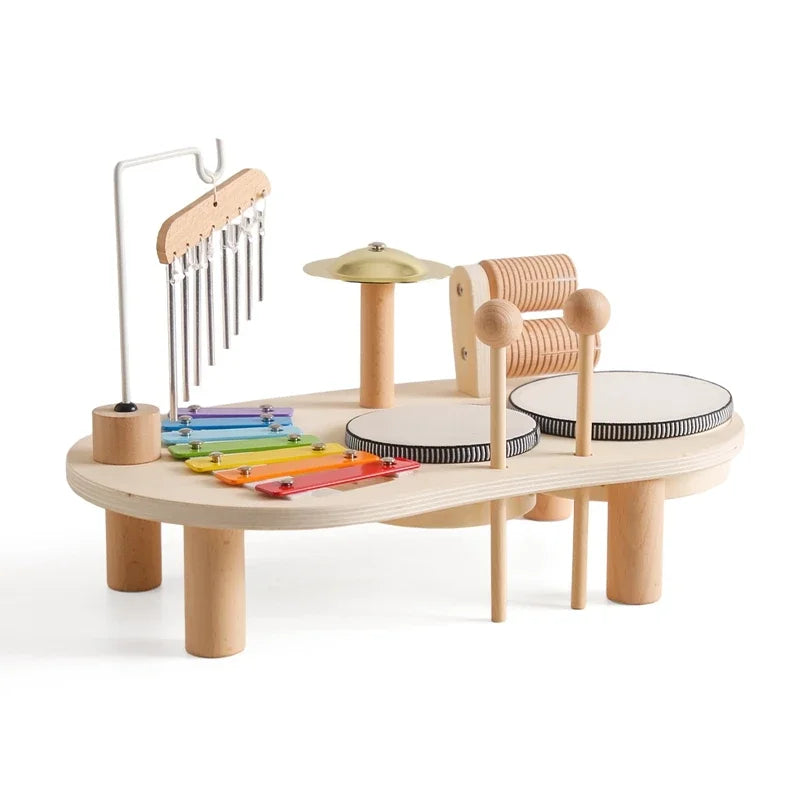
Why Wooden Instrument Toys Are Better for Early Childhood Music Development
Children's wooden musical instruments combine music, movement, and sensory exploration in a way that supports healthy development through play. Whether used at home, in preschool classrooms, or during music therapy sessions, these toys encourage active participation instead of passive entertainment.
Benefits for Early Childhood Music Education
Introducing music during infancy and the preschool years helps children develop important foundational skills. Playing simple wooden instruments such as xylophones, drums, bells, or shakers encourages children to recognize patterns, understand cause and effect, and become familiar with different sounds.
- Rhythm recognition
- Cause-and-effect learning
- Auditory processing
- Creative expression
- Listening and concentration
These early musical experiences can make children more confident exploring sounds while laying the groundwork for future music learning.
How Wooden Toys Support Fine Motor Skill Development
Playing musical instruments naturally combines movement with coordination. Striking a xylophone, shaking maracas, or tapping a drum requires controlled hand movements that strengthen both fine and gross motor skills.
- Hand-eye coordination
- Grip strength
- Finger dexterity
- Bilateral coordination
- Timing and controlled movement
These abilities transfer to everyday activities such as drawing, writing, dressing, self-feeding, and using classroom tools.
Why Parents Prefer Montessori and Waldorf Wooden Toys
Many Montessori and Waldorf-inspired environments recommend simple, thoughtfully designed toys that invite children to create rather than simply press buttons. Wooden musical instruments align well with these principles because they encourage independent discovery and imaginative play.
- Natural wooden materials
- Open-ended musical exploration
- Long-lasting durability
- Minimal reliance on electronic features
Home, Classroom, and Therapy Use
Wooden instrument toys are versatile enough for a variety of learning environments. Families often use them during interactive playtime, while teachers incorporate rhythm activities into early childhood education. Occupational and music therapists may also use percussion instruments to encourage coordination, sensory engagement, turn-taking, and communication during guided sessions.
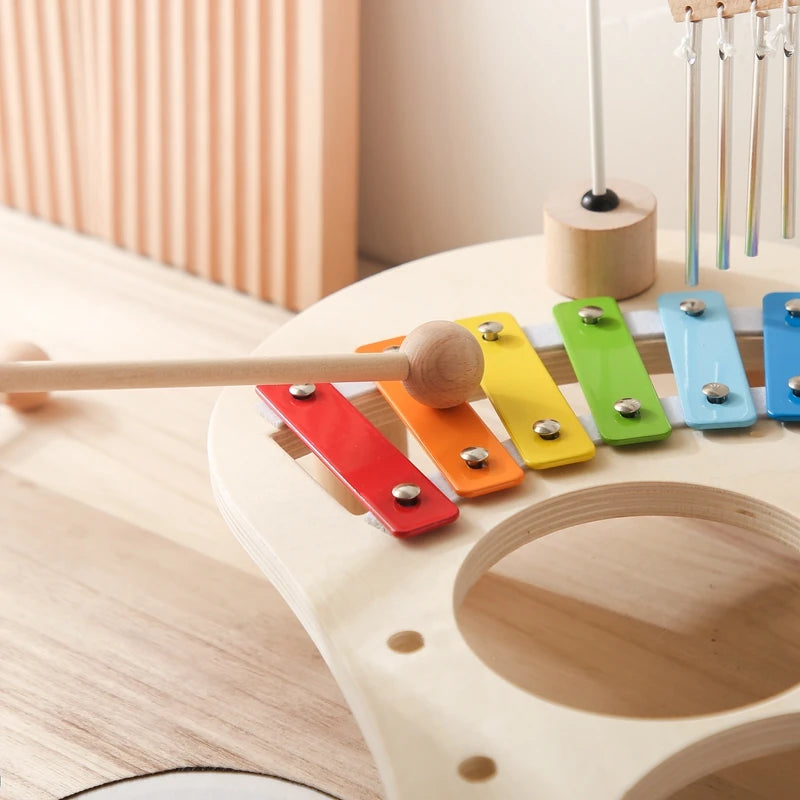
How to Choose the Best Wooden Instrument Toys for Kids
Not all wooden toy instruments offer the same quality or educational value. Before purchasing, consider safety, construction, sound quality, durability, and whether the instrument matches your child's developmental stage.
Look for FSC Certified Wood Toys
FSC-certified wood comes from responsibly managed forests and is commonly used by reputable toy manufacturers. High-quality hardwood generally provides greater durability, smoother finishes, and better sound resonance than inexpensive composite materials or thin plywood.
Choose Non Toxic Toy Paint and Safe Finishes
Babies and toddlers frequently mouth toys, making safe finishes essential. Look for water-based paints, non-toxic coatings, and products that comply with recognized toy safety standards such as ASTM F963 and CPSIA requirements. Smooth edges and securely attached components further improve overall safety.
Sound Quality and Real Instrument Tones
Well-designed wooden instruments produce clearer, more consistent notes that help children distinguish pitch differences. Tuned xylophones and quality percussion instruments provide a more satisfying musical experience while encouraging repeated practice.
Single Instruments vs Musical Toy Sets
Both individual instruments and complete music sets offer unique advantages depending on your child's age and interests.
- Single instruments: ideal for focused skill development, better tuning, and learning one instrument at a time.
- Instrument sets: provide greater variety, encourage cooperative play, and offer excellent value for siblings, classrooms, or playgroups.
Consider Durability, Storage, and Gift Value
Well-crafted wooden musical toys often last through years of play and can be passed to younger siblings. Compact storage, sturdy construction, and timeless designs also make children's wooden instruments thoughtful birthday or holiday gifts that continue supporting creative development long after the initial excitement of unboxing.
Best Wooden Instrument Toys by Age Group
Matching children's wooden musical instruments to a child's developmental stage helps maximize learning while ensuring safe, enjoyable play. As coordination, attention span, and creativity grow, children are ready to explore increasingly complex instruments and musical activities.
Best Wooden Musical Toys for Babies (6–12 Months)
Babies are just beginning to understand that their actions create sounds. Lightweight wooden instruments with smooth edges and immediate sound feedback encourage sensory exploration without overwhelming young learners.
The Wooden Baby Xylophone Toy – Montessori Musical Learning is an excellent first instrument for introducing rhythm and cause-and-effect learning through simple, hands-on play.
- Natural wood construction
- Smooth, rounded edges for safer handling
- Encourages rhythm recognition and sensory exploration
- Supports hand-eye coordination and reaching skills
Pros:
- Easy for babies to explore independently
- Sized appropriately for early learners
- Durable wooden construction for everyday use
Cons:
- Designed for introductory musical play rather than advanced note learning
Parents looking for additional educational toys can also explore the Sensory Toys collection designed for early development.
Best Wooden Musical Toys for Toddlers (1–2 Years)
Toddlers become more confident experimenting with rhythm, movement, and sound. At this stage, wooden toy instruments that can be shaken, tapped, or struck help build coordination while encouraging active participation.
Popular choices include:
- Wooden tambourines
- Hand drums
- Maracas and rhythm sticks
- Beginner xylophones
- Simple percussion sets
Complete music sets are often a great value for toddlers because they encourage children to compare sounds, practice turn-taking, and discover favorite instruments through open-ended play.
Best Wooden Musical Toys for Kids (3–5 Years)
Preschoolers are ready for children's wooden instruments that offer greater variety and more structured musical play. Many begin recognizing simple rhythms, repeating patterns, and creating their own songs.
Excellent choices include:
- Multi-instrument music tables
- Wooden percussion kits
- Toy guitars and ukuleles
- Higher-quality wooden xylophones
- Music centers combining several instruments
These instruments encourage cooperative play, listening skills, confidence, and creative expression while preparing children for future music lessons if they develop a lasting interest.
Best Wooden Musical Toys for Kids (6+ Years)
Older children often enjoy instruments that more closely resemble real musical equipment. Tuned xylophones, beginner ukuleles, hand percussion sets, and classroom rhythm collections help children practice timing, follow simple songs, and develop performance confidence.
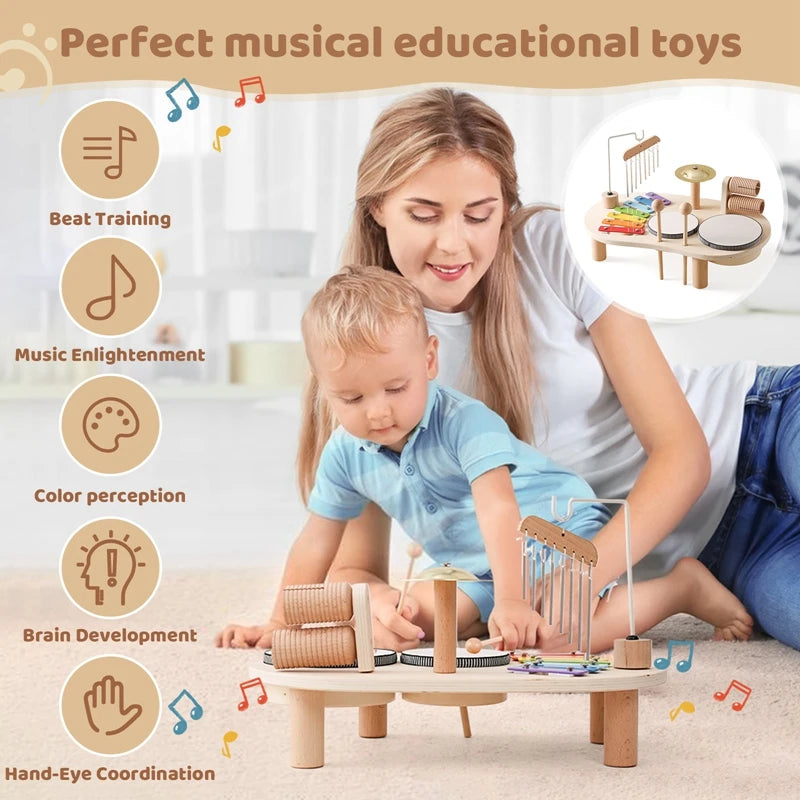
10 Best Wooden Instrument Toys for Kids in 2026
1. Wooden Baby Xylophone Toy – Montessori Musical Learning
Best for: Babies and young toddlers beginning musical exploration.
This beginner-friendly wooden xylophone introduces children to rhythm, sound recognition, and sensory play through durable natural materials and an easy-to-use design.
Pros:
- Excellent first musical instrument
- Natural wood construction
- Supports sensory and motor development
- Compact and easy to store
Cons:
- Smaller musical range than larger xylophones
2. Hape Pound & Tap Bench with Xylophone
Best for: Toddlers developing hand-eye coordination.
This dual-purpose toy combines pounding activities with a removable xylophone, encouraging active play while introducing basic musical concepts.
3. Melissa & Doug Wooden Band-in-a-Box
Best for: Group play and introducing multiple percussion instruments.
The collection includes a variety of wooden percussion instruments that allow children to experiment with different sounds and rhythms.
4. PlanToys Wooden Melody Xylophone
Best for: Families seeking sustainably made wooden musical instruments.
Crafted from eco-friendly rubberwood, this xylophone offers improved note clarity and durable construction for long-term use.
5. Battat Wooden Drum Set
Best for: Active toddlers who enjoy energetic rhythm play.
A sturdy wooden drum encourages coordination, timing, and creative movement while providing satisfying percussion sounds.
6. Hape Early Melodies Tambourine
Best for: Introducing rhythm and beat patterns.
Its lightweight design makes it easy for young children to shake, tap, and explore music independently.
7. KidKraft Deluxe Wooden Rhythm Set
Best for: Families with multiple children or classroom music activities.
The large assortment of percussion instruments promotes collaborative play and musical discovery.
8. Classic World Wooden Music Center
Best for: Children who enjoy exploring several instruments in one activity station.
Combining drums, cymbals, and xylophone components, this music center supports imaginative, open-ended play.
9. Manhattan Toy Musical Lili Llama
Best for: Sensory exploration with varied textures and sounds.
This creative activity center combines music with tactile play, making it appealing for younger preschoolers.
10. B. Toys Wooden Orchestra Set
Best for: Family music sessions and collaborative rhythm games.
The colorful collection encourages children to experiment with percussion while sharing instruments during group play.
If you're exploring more developmental toys for infants and toddlers, the Baby Growth & Learning collection includes a variety of early learning tools.
Quick Comparison Matrix: Best Wooden Musical Toys
| Product | Recommended Age | Instrument Type | Material Quality | Best For | Price Tier |
| Wooden Baby Xylophone Toy | 6 months–3 years | Xylophone | Natural wood | Early rhythm learning | $ |
| Hape Pound & Tap Bench | 12+ months | Xylophone & pounding bench | Hardwood | Motor skill development | $$ |
| Melissa & Doug Band Set | 3+ years | Percussion set | Mixed wood | Group play | $$ |
| PlanToys Melody Xylophone | 18+ months | Xylophone | Sustainable rubberwood | Music exploration | $$ |
When comparing children's wooden musical instruments, consider more than the number of pieces included. A well-built instrument with durable construction, smooth finishes, and clear sound often provides better long-term value than a larger set made with lower-quality materials.
Parents can also explore additional safety-focused products in the Health & Safety collection to support safe play environments.
Benefits of Musical Toys for Toddler Brain Development
Rhythm and Cognitive Development
Keeping a steady beat and repeating simple rhythms helps children practice listening, sequencing, and timing. As they imitate patterns and anticipate musical changes, they also strengthen attention, memory, and early language processing skills.
Sensory Musical Toys and Early Learning
Wooden musical instruments engage several senses at once, creating meaningful play experiences that support overall development.
- Auditory: recognizing differences in pitch, rhythm, and volume.
- Tactile: exploring natural wood textures and instrument shapes.
- Kinesthetic: coordinating hand movements while tapping, shaking, or striking instruments.
This combination of sensory input encourages active learning and helps children connect movement with sound in a fun, age-appropriate way.
Encouraging Creativity and Self-Expression
Unlike toys that follow a single programmed outcome, wooden musical instruments invite children to experiment freely. They can invent rhythms, accompany songs, create pretend performances, or collaborate with siblings and friends, making each play session unique.
How Musical Skills Progress With Wooden Instruments
Children typically develop musical confidence through gradual, hands-on practice. Choosing age-appropriate instruments allows skills to build naturally over time.
Beginner Rhythm
Young children first learn that their actions create sound. Simple percussion toys help establish rhythm awareness and basic timing.
Coordination and Timing
As children grow, they become better at alternating hands, following beats, and striking instruments with greater control and accuracy.
Group Play
Playing alongside siblings, classmates, or caregivers teaches important social skills such as turn-taking, listening, and keeping a shared rhythm during musical activities.
Transition to Real Instruments
Early experience with wooden toy instruments can make future music lessons feel more familiar. Children who enjoy xylophones, percussion, or beginner string instruments often transition more comfortably to age-appropriate musical instruction when they are ready.
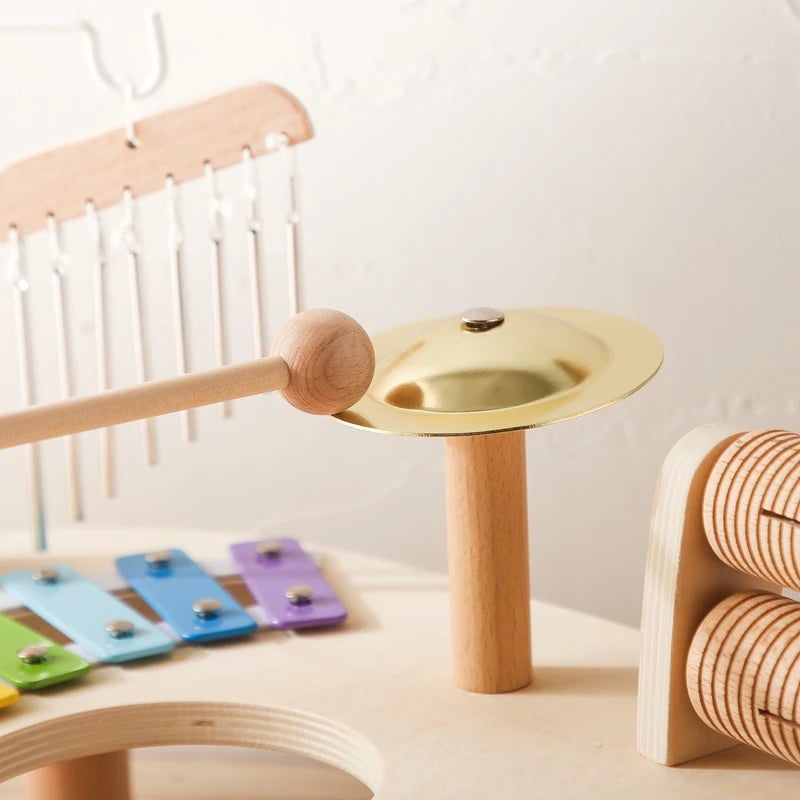
Safety Guide: Are Wooden Musical Toys Safe for Toddlers?
Safe Materials and Finishes
High-quality wooden musical instruments are designed to withstand years of play, but safety should always be the first consideration when choosing toys for babies and young children. Select products made by reputable manufacturers that clearly state the materials and safety testing used.
Look for instruments that include:
- Non-toxic, water-based paints and finishes
- Smooth, rounded edges without splinters
- Securely attached components that resist loosening during play
- Compliance with recognized toy safety standards such as ASTM F963 or CPSIA requirements
- Durable wood that resists cracking or breaking
Cleaning and Maintenance
Regular cleaning helps keep children's wooden musical instruments safe and looking their best. Wipe surfaces with a soft cloth lightly dampened with mild soap and water, then dry immediately. Avoid soaking wooden toys or using harsh chemical cleaners, as excess moisture can damage the wood or protective finish.
Storage Tips
Store wooden instruments in a cool, dry location away from direct sunlight and excessive humidity. Using baskets, shelves, or dedicated storage boxes helps protect instruments from unnecessary wear while making cleanup easier after playtime.
When to Replace Toys
Inspect musical toys regularly for loose pieces, chipped paint, cracked wood, or damaged hardware. Replace any instrument that develops structural damage or no longer meets safety expectations, particularly if it is used by babies or toddlers who may still mouth toys.
Choosing Age-Appropriate Musical Toys
Always follow the manufacturer's recommended age guidelines. Instruments with detachable parts, small mallets, or loose accessories should not be given to babies under 12 months because they may present a choking hazard. Selecting toys that match your child's developmental stage creates a safer and more enjoyable learning experience.
Frequently Asked Questions
What are the best children's wooden instruments for toddlers?
For toddlers, beginner xylophones, tambourines, maracas, hand drums, and simple percussion sets are excellent choices. They are easy to use, encourage active movement, and help develop rhythm and coordination.
Which wooden musical instruments are Montessori approved?
Montessori-inspired environments commonly include simple wooden xylophones, rhythm sticks, bells, maracas, and percussion instruments that encourage independent exploration without electronic distractions.
Are wooden musical instruments safer than plastic ones?
Both wooden and plastic toys can be safe when manufactured to recognized safety standards. Many parents prefer wooden instruments because they are durable, use fewer synthetic materials, and often feature sturdy construction with long-lasting finishes.
What age should children start using wooden musical instruments?
Many babies can begin exploring age-appropriate wooden musical toys around 6 months of age under adult supervision. As children grow, they can gradually progress to more advanced percussion sets, music centers, and beginner string instruments.
How do I clean and maintain wooden musical instruments for kids?
Clean wooden instruments using a soft damp cloth and mild soap when needed. Dry them immediately, avoid prolonged exposure to water, and inspect them regularly for signs of wear or loose components.
What certifications should I look for when buying wooden instruments for children?
Look for products that comply with ASTM F963 and CPSIA toy safety requirements. FSC-certified wood is also a valuable indicator that the timber was responsibly sourced, while non-toxic water-based finishes provide additional peace of mind for families with young children.
Buying Guidance
When choosing children's wooden musical instruments, prioritize safety, age-appropriate design, durable construction, and clear sound quality over the number of accessories included. A well-made instrument that encourages regular play often provides greater educational value than a larger set with lower-quality materials.
For families introducing music for the first time, a simple wooden xylophone or beginner percussion instrument offers an engaging way to build confidence, coordination, and creativity through everyday play.
Explore more developmental toys and parenting resources in the Baby Growth & Learning Tips section for additional guidance.
Pillar Article: 15 Best Musical Toys for Infants (0–12 Months) That Support Early Development





