

Boredom at work solved with smart desk fidget habits
Does boredom at work mean you’re unproductive?
Boredom at work often signals under-stimulation, not laziness. When the brain lacks light engagement, focus drops and mental fatigue rises. Simple boredom fidgeting at work—like using a focus enhancing desk toy as a portable stress reliever—can redirect restless energy, improve concentration, and help you stay engaged during slow or repetitive tasks.
Boredom at work solved with smart desk fidget habits
⏱ 7 min read • Boredom at work doesn’t mean you lack motivation—it often means your mind needs the right kind of stimulation. With smart desk fidget habits, you can turn idle moments into focused energy, reduce mental strain, and make long desk hours feel lighter and more productive.
Have you ever stared at your screen, clicking aimlessly, feeling mentally stuck even though you still have hours left at your desk? That uneasy restlessness is common, especially during repetitive tasks or slow workdays. The good news: small, intentional habits can make a noticeable difference—starting with how you use your hands.
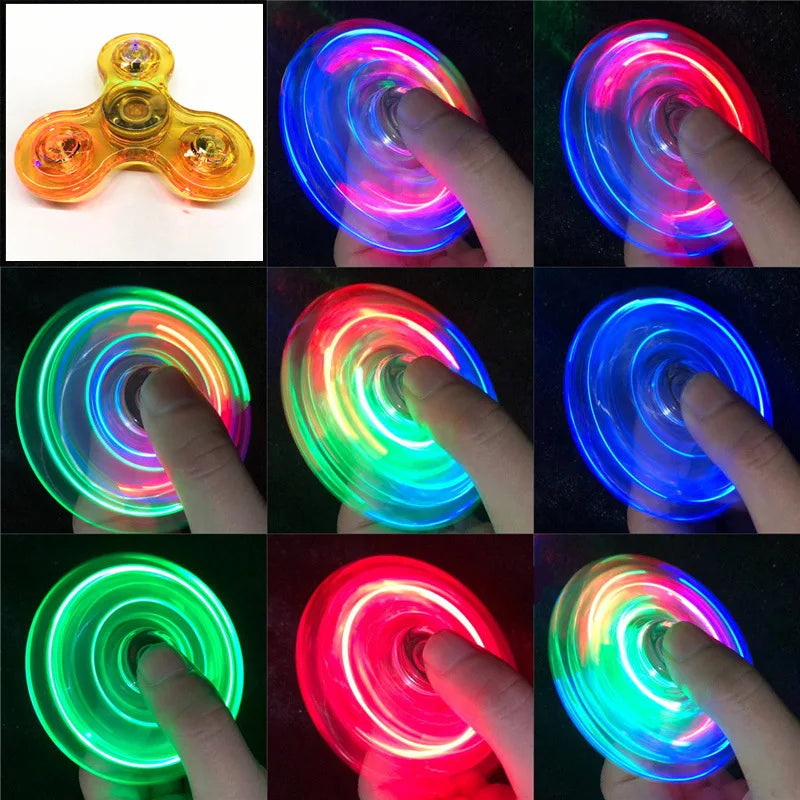
Boredom at work meets boredom fidgeting at work—discover a focus enhancing desk toy in action 💡
Why boredom at work happens—even when you’re busy
Boredom at work isn’t always about having nothing to do. It often shows up when tasks feel repetitive, lack challenge, or don’t fully engage your senses. Your brain craves mild stimulation to stay alert, and without it, attention drifts.
- Repetitive mouse and keyboard movements
- Long meetings with minimal interaction
- Waiting periods between tasks
- Mental fatigue from constant screen time
This is where boredom fidgeting at work becomes useful—not as a distraction, but as controlled stimulation that supports focus.
How boredom fidgeting at work helps focus
Boredom at work can be reduced when your hands are gently occupied. Light physical movement sends feedback to the brain, helping regulate attention and stress levels without pulling focus away from your main task.
- Keeps the brain lightly engaged during slow moments
- Reduces restless movements like leg shaking or pen clicking
- Supports longer attention spans during desk work
- Helps release tension from hands and wrists
Many people find that a focus enhancing desk toy becomes a quiet companion—present, but not distracting.
Smart desk fidget habits you can start today
Not all fidgeting is equal. The goal is subtle, intentional movement that supports productivity rather than interrupting it.
1. Set boundaries for use
Use your desk fidget during reading, calls, or thinking phases—not while typing intensively. This keeps it helpful rather than disruptive.
2. Pair fidgeting with focus blocks
During 25–45 minute focus sessions, allow gentle hand movement. When the session ends, pause and reset.
3. Keep it within arm’s reach
A portable stress reliever that fits neatly on your desk avoids clutter and visual distraction.
For workers who balance wellness and comfort at home and the office, tools from the Massage & Relaxation collection often complement these habits by easing overall tension.
Choosing a focus enhancing desk toy that actually works
Boredom at work improves most when your desk tool matches your environment and needs. The right option feels natural in your hand and quiet enough for shared spaces.
| Feature | Why it matters |
|---|---|
| Silent or low-noise | Respects coworkers and meetings |
| Smooth motion | Prevents overstimulation |
| Compact size | Easy to store and carry |
| Durable build | Withstands daily use |
Some office workers also explore calming accessories from the Beauty & Wellness collection to support a balanced workday routine.
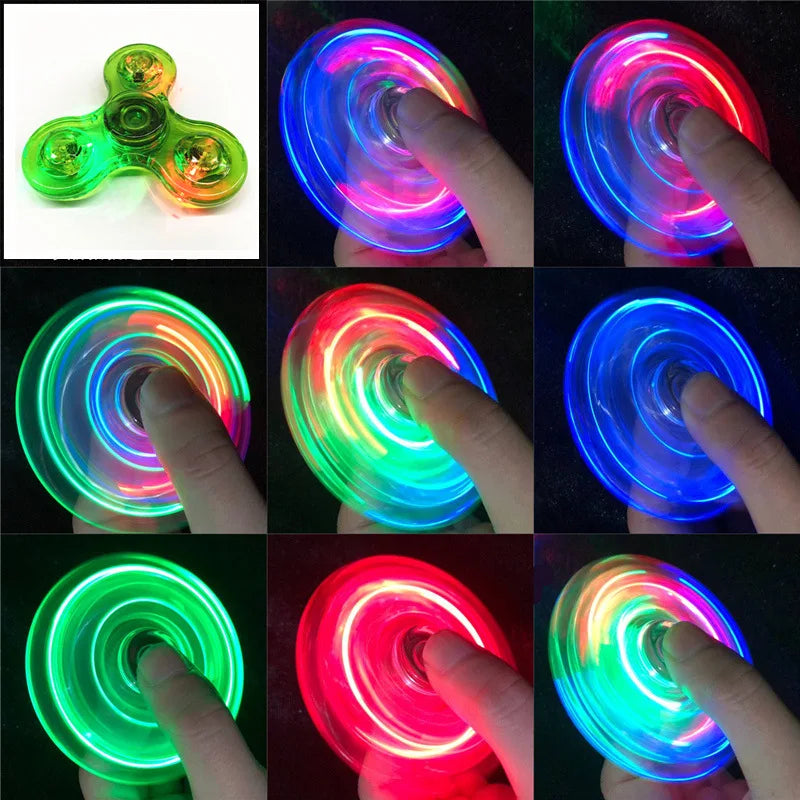
Boredom fidgeting at work with a portable stress reliever—see how focus improves 💡
Using a portable stress reliever during work hours
Boredom at work becomes easier to manage when your tool fits seamlessly into your routine. A compact option like the LED fidget spinner offers gentle motion that keeps hands busy without pulling attention away.
- Use during conference calls or listening tasks
- Spin lightly while brainstorming ideas
- Pause use during typing-heavy moments
- Store it away during face-to-face meetings
This balanced approach turns a simple object into a reliable focus enhancing desk toy.
Real experiences from office workers
Many professionals report subtle but meaningful changes after adopting smart desk fidget habits.
- “Afternoon slumps feel shorter and easier to push through.”
- “I fidget less with random objects and stay calmer in meetings.”
- “My hands stay relaxed, and my mind wanders less.”
These small shifts often add up to steadier productivity and less end-of-day fatigue.

A focus enhancing desk toy as a portable stress reliever—experience it yourself 💡
Quick questions people ask about boredom at work
Can boredom at work really affect productivity?
Yes. When the brain is under-stimulated, attention drops and tasks take longer. Light stimulation through boredom fidgeting at work can help maintain steady focus.
Is fidgeting distracting for coworkers?
Not when you choose a quiet, compact tool. A focus enhancing desk toy designed for subtle use blends easily into shared workspaces.
How often should I use a desk fidget?
Use it during low-engagement moments or thinking tasks. Short, intentional use works better than constant movement.
Does a portable stress reliever replace breaks?
No. It supports focus between breaks, but regular movement, stretching, and rest remain important for overall well-being.
Related Guide: How to improve concentration using simple fidget techniques





