

BPA Free Baby Toys Worth Buying for Safe Everyday Play
Are BPA free infant play equipment and BPA free baby toys safer choices?
BPA free infant play equipment helps reduce babies’ exposure to bisphenol A (BPA), a chemical traditionally used in some plastics. Since infants frequently touch, chew, and explore toys with their mouths, choosing carefully tested materials can provide extra confidence during early development. The best BPA free baby toys combine safer materials, age-appropriate designs, durability, and easy cleaning for everyday use.
BPA Free Infant Play Equipment: Why Materials Matter
⏱ 6 min read
BPA free infant play equipment is more than a product label; it represents a growing demand for safer, more thoughtful baby products. During the first years of life, babies explore through touching, grabbing, and mouthing objects, making the materials used in toys and play equipment an important consideration. Choosing
safe toys for newborns
,
best non toxic toys for babies
, and eco friendly baby toys can help parents create a cleaner play environment while supporting healthy sensory development. But which materials are truly worth choosing, and what should parents look for before buying?
Which baby toy materials offer the best balance of safety, durability, and developmental value? Let’s explore what makes a smarter choice.

bpa free infant play equipment made with safer materials for everyday newborn play See it in action
Explore safer play solutions designed for growing babies. Many parents begin by comparing cleaner options through Baby Growth & Learning and Sensory Toys to find age-appropriate designs.
Best BPA Free Baby Toys for Every Age
The best BPA free baby toys depend on a baby’s age, developmental stage, and how the toy will be used. Newborns need soft sensory stimulation, while older babies benefit from toys that encourage grasping, chewing, movement, and problem-solving.
Best BPA Free Toys for Newborns (0–3 Months)
Newborns primarily explore through touch, sound, and visual tracking. The safest choices are lightweight toys with smooth surfaces, gentle textures, and simple designs.
- Wooden rattle play gyms: Support early sensory exploration with natural materials and engaging movement.
- Food-grade silicone teethers: Provide soft textures for early mouthing stages.
- Fabric sensory toys: Offer different textures without unnecessary plastic components.
One option designed for early sensory development is the baby wooden rattle play gym , which combines natural materials with visual and tactile stimulation for newborn play.
Best Non Toxic Toys for Babies 3–12 Months
As babies begin grabbing, rolling, and chewing more actively, durable materials become increasingly important. Look for toys that can handle frequent washing and repeated use.
- Silicone stacking toys
- BPA-free teething rings
- Natural rubber sensory toys
- Wooden activity toys with smooth finishes
These best non toxic toys for babies support developmental milestones while reducing exposure to unnecessary additives.
Best BPA Free Toddler Toys (12+ Months)
Toddlers need toys that encourage movement, imagination, and coordination. Durable construction becomes especially valuable because toys experience more impact, dropping, and active play.
- Wooden puzzles with child-safe finishes
- Stacking and sorting toys
- Durable silicone activity toys
- Eco friendly baby toys that transition into toddler years
Quick Comparison Table: Top BPA Free Baby Toys
| Toy Type | Material | Recommended Age | Safety Features | Best Use |
|---|---|---|---|---|
| Wooden Rattle Play Gym | Natural wood | 0–12 months | Smooth surfaces, sensory movement | Newborn development and floor play |
| Silicone Teether | Food-grade silicone | 3+ months | Soft, chew-friendly texture | Teething comfort |
| Natural Rubber Toy | Natural rubber | 3+ months | Flexible and lightweight | Sensory exploration |
| BPA-Free Plastic Toy | BPA-free plastic | 6+ months | Lightweight and washable | Everyday play |
Why BPA Matters in Baby Toys
What Is BPA in Plastic Baby Products?
BPA, or bisphenol A, is a chemical historically used to make certain plastics stronger and more durable. It has been used in many consumer products, including some plastic containers and baby products.
Because babies often place toys in their mouths and have frequent skin contact with play equipment, many parents prefer products labeled BPA free to reduce unnecessary chemical exposure.
Are BPA Free Toys Safe for Infants?
BPA free toys are generally considered a better choice than products containing BPA, but the BPA free label alone does not guarantee that a toy is completely non toxic. Parents should also consider:
- Material quality and transparency from the manufacturer
- Safety testing and certifications
- Durability and resistance to cracking
- Non-toxic finishes and coatings
Choosing well-designed chemical free baby toys means looking beyond one ingredient and evaluating the entire product.
Which Materials Are Safest for Babies?
Different materials offer different benefits. The safest choice depends on the baby’s age, cleaning routine, and intended use.
Food-Grade Silicone
Food-grade silicone is popular for teethers and feeding products because it is soft, flexible, and easy to clean. It is especially useful for babies who frequently chew on toys.
Natural Rubber
Natural rubber provides a soft, flexible texture that works well for sensory toys. Parents should look for trusted manufacturing standards and clear material information.
Untreated Wood
Untreated or responsibly finished wood is a common choice for eco friendly baby toys. Wooden toys can be highly durable, though parents should check that finishes are child-safe and surfaces are smooth.
BPA-Free Plastic
BPA-free plastic remains a practical option because it is lightweight, affordable, and easy to sanitize. High-quality BPA-free plastics can work well when properly designed and maintained.
| Material | Benefits | Considerations | Best Uses |
|---|---|---|---|
| Food-Grade Silicone | Soft, washable, flexible | Choose verified food-grade materials | Teethers and chew-friendly toys |
| Natural Rubber | Flexible and sensory-friendly | Check quality certifications | Early sensory toys |
| Untreated Wood | Durable and eco-friendly | Needs smooth, safe finishes | Rattles and developmental toys |
| BPA-Free Plastic | Lightweight and practical | Quality varies by manufacturer | Everyday washable toys |
How We Selected These BPA Free Baby Toys
Choosing safer baby toys requires more than checking a single label. Our evaluation focuses on factors that influence real everyday use.
- Material quality: Preference for BPA-free, food-grade, natural, or clearly disclosed materials.
- Safety features: Smooth edges, secure construction, and age-appropriate designs.
- Ease of cleaning: Toys should support regular washing and maintenance.
- Durability: Materials should withstand repeated handling, chewing, and play.
- Parent usability: Practical designs that fit daily routines.
How to Choose BPA Free Baby Toys
With many products marketed as “safe,” parents should look deeper than packaging claims. The best bpa free infant play equipment combines safe materials with thoughtful construction.
Age Recommendations
- 0–3 months: Choose lightweight sensory toys with soft textures.
- 3–12 months: Prioritize chew-safe, washable, interactive designs.
- 12+ months: Select durable toys that encourage movement and learning.
Safety Labels to Look For
- Clear material information
- BPA-free statements
- Child safety testing information
- Non-toxic finish descriptions
Features Worth Paying For
- Strong construction that lasts longer
- Easy-to-clean surfaces
- Natural or premium materials
- Multi-stage developmental value
Parents building a safer home environment can also explore Health & Safety resources for additional guidance.
How to Clean and Maintain BPA Free Baby Toys
Even the safest materials need proper care. Regular cleaning helps prevent buildup from saliva, food residue, and everyday handling.
- Silicone toys: Wash with warm water and mild soap. Many are dishwasher-safe, but check manufacturer instructions.
- Wooden toys: Wipe with a damp cloth and avoid soaking to protect the material.
- Plastic toys: Clean regularly and inspect for cracks or damage.
- Natural rubber toys: Keep dry after cleaning and replace if deterioration appears.
Replace toys when you notice deep cracks, peeling finishes, broken parts, or changes in texture.
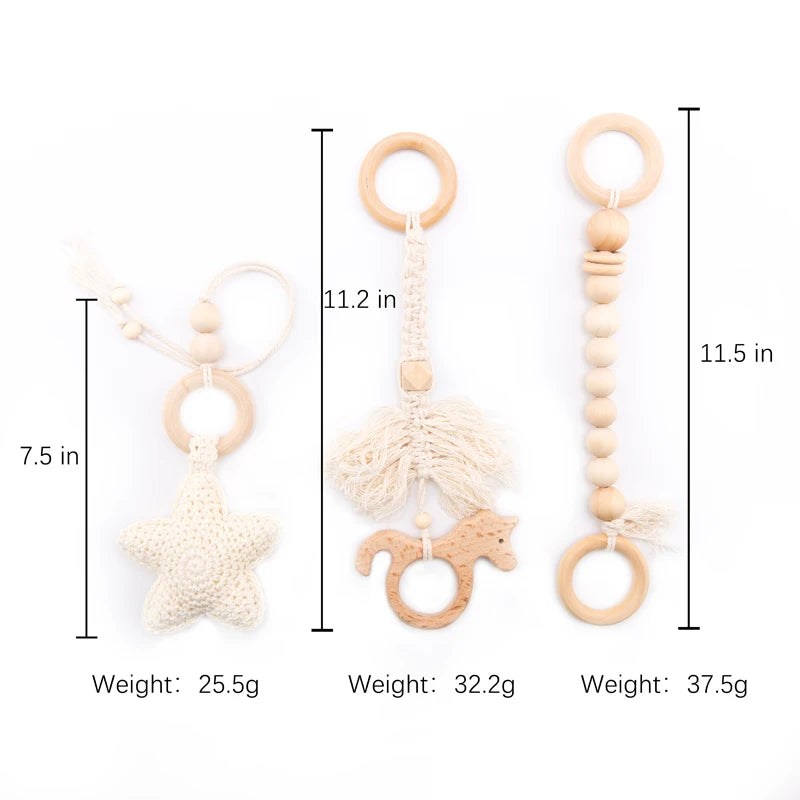
safe toys for newborns designed for daily touch and mouthing See it in action
Looking for play options that grow with your baby? Parents often combine play products with items from Baby Care Essentials to support comfort and safety throughout the day.
Frequently Asked Questions
Are BPA free toys completely non toxic?
BPA free toys reduce exposure to bisphenol A, but the term does not automatically mean every material or coating is completely non toxic. Parents should also check overall material quality, safety testing, and manufacturing information.
How do I know if a baby toy is BPA free?
Look for clear BPA-free labeling, detailed material descriptions, and information from the manufacturer. Avoid products with vague claims that do not explain what materials are used.
What are the safest toy materials for newborns?
Food-grade silicone, natural rubber, and responsibly finished wood are commonly preferred materials for newborn toys. High-quality BPA-free plastic can also be a practical option when properly manufactured.
Can BPA free plastic still contain other chemicals?
BPA-free plastic does not contain BPA, but different plastics may use different additives. Choosing products with transparent material information and trusted safety testing is the best approach.
How often should baby toys be replaced?
Replace baby toys when they show signs of damage, including cracks, peeling surfaces, loose parts, or worn materials that cannot be cleaned properly.
Are BPA free toys safe for infants?
When made with quality materials and appropriate designs, BPA free toys can be a safer option for infants. Parents should consider age suitability, construction quality, and cleaning requirements.
What is BPA free plastic in baby products?
BPA free plastic refers to plastic products manufactured without bisphenol A. It is commonly used in baby products where parents want to reduce BPA exposure.
What materials are safest for baby toys?
The safest materials depend on the toy type, but food-grade silicone, natural rubber, untreated wood, and high-quality BPA-free plastic are commonly chosen for baby products.
How should BPA free baby toys be cleaned?
Cleaning methods depend on the material. Silicone and plastic toys are often washable, while wooden toys usually require gentle wiping and careful drying.
What safety certifications should baby toys have?
Parents should look for products that provide clear safety testing information and comply with applicable child product safety standards in their region.
Related Guide: Infant Sensory Motor Development Features That Drive Real Growth





