

Build Hand Eye Coordination Using Simple Ball Activities
Does build hand eye coordination with simple ball games really work?
Build hand eye coordination improves when children repeatedly track, reach, and catch moving objects. Simple ball activities—like tossing into a mini basketball hoop and ball set—strengthen timing, focus, and motor planning. Just 10–15 minutes of daily practice can noticeably improve accuracy, balance, and reaction speed within weeks.
Build Hand Eye Coordination Using Simple Ball Activities
Build hand eye coordination faster than you think with simple ball games at home. Using a mini basketball hoop and ball or compact indoor mini hoops, kids turn everyday movement into powerful skill-building moments. These active play toys strengthen focus, timing, balance, and confidence—all while burning energy indoors. The best part? You don’t need complicated drills to see real progress. Ready to discover the easiest activities that spark big developmental gains?
⏱ 6 min read
Is your child missing easy catches, getting frustrated with simple throws, or struggling to stay focused during play?
You’re not alone. Many parents worry about coordination delays—especially in a world filled with screens and limited outdoor time.
The good news? You can build hand eye coordination right at home with easy, playful ball activities that feel like fun—not therapy.
👉 Discover playful ways to strengthen coordination and confidence today
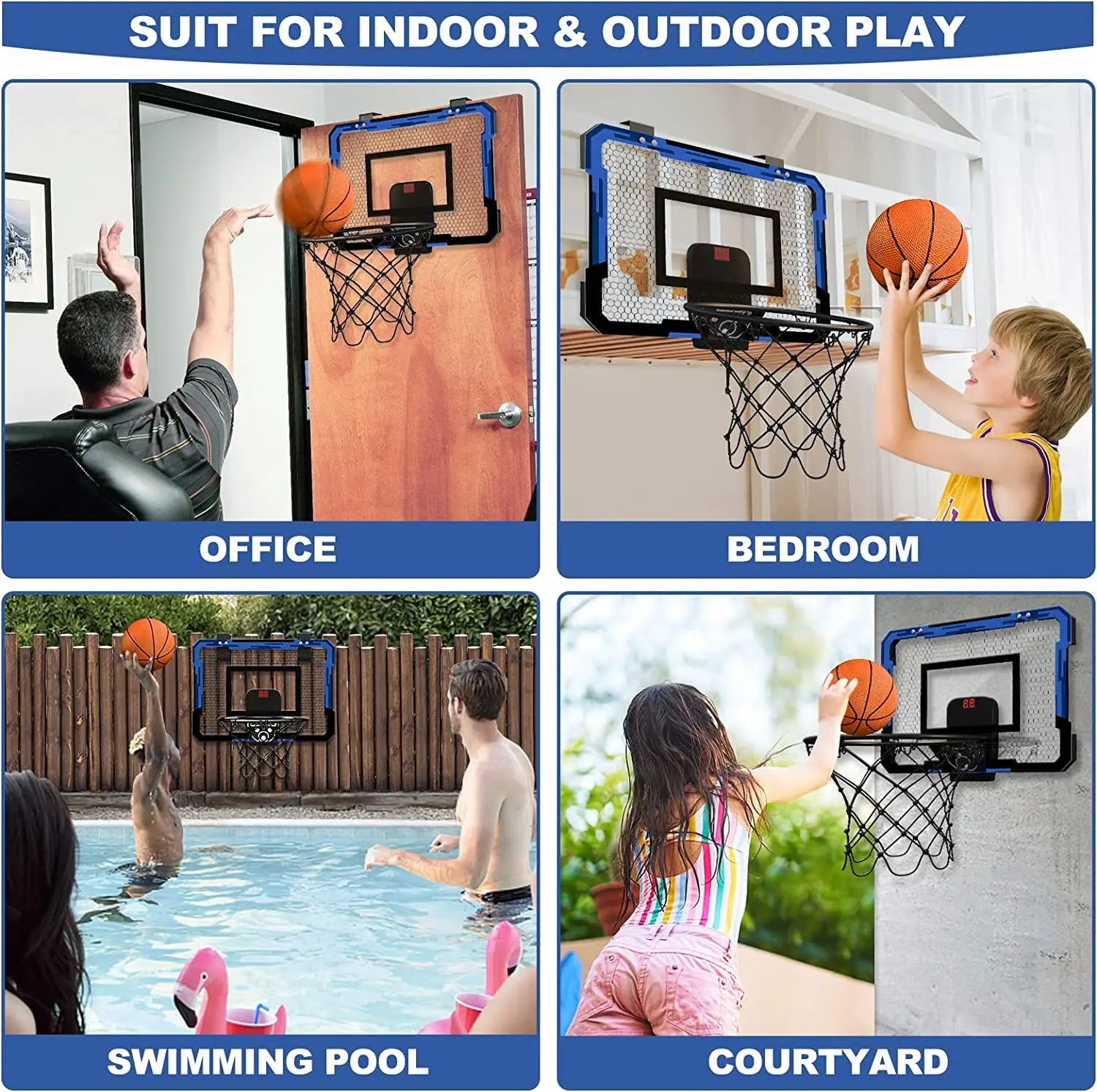
Build hand eye coordination with a mini basketball hoop and ball 💡 See it in action
Why Build Hand Eye Coordination Early?
Build hand eye coordination early to support writing, sports, self-feeding, and even reading readiness. When children learn to track movement and respond accurately, they strengthen neural connections that support lifelong motor skills development.
Coordination affects:
- ✏️ Pencil control and handwriting
- ⚽ Catching and throwing in sports
- 🧠 Attention span and visual tracking
- 👟 Balance and body awareness
According to pediatric development research, repeated movement practice improves motor planning and reaction time. The earlier kids engage in structured but playful coordination exercises, the smoother everyday tasks become.
Looking for more growth-focused tools? Explore Baby Growth & Learning for age-appropriate developmental toys.
How Mini Basketball Hoops Make Skill Practice Fun
Build hand eye coordination more effectively when practice feels like play. A mini basketball hoop and ball transforms ordinary indoor time into exciting skill training.
Why indoor mini hoops work so well:
- 🏀 Clear visual target improves aim
- 👀 Encourages eye tracking
- 🤲 Strengthens hand control
- 🎯 Immediate feedback builds motivation
- 🔥 Burns energy during indoor physical activity
| Activity | Skill Developed | Difficulty Level |
|---|---|---|
| Toss into hoop (close range) | Aiming accuracy | Beginner |
| Step-back shots | Strength control | Intermediate |
| Timed shooting game | Focus & reaction speed | Advanced |
Compact active play toys like this also reduce screen dependency and encourage movement even in small apartments.
👉 Learn step-by-step how to choose the right indoor mini hoops for your child
Step-by-Step Ball Activities That Show Real Progress
1. Start with Target Touch
- Hold the ball at chest level.
- Ask your child to tap it with both hands.
- Gradually increase speed.
- Count successful touches.
2. Gentle Toss & Catch
- Stand 3 feet apart.
- Toss underhand slowly.
- Encourage soft hands when catching.
- Increase distance weekly.
3. Mini Hoop Score Challenge
- Set up your mini basketball hoop and ball.
- Start at close range.
- Track successful shots out of 10.
- Celebrate improvement.
4. Moving Target Game
- Gently shift the hoop side to side.
- Have your child adjust aim.
- Encourage quick visual tracking.
- Keep sessions short (10–15 minutes).
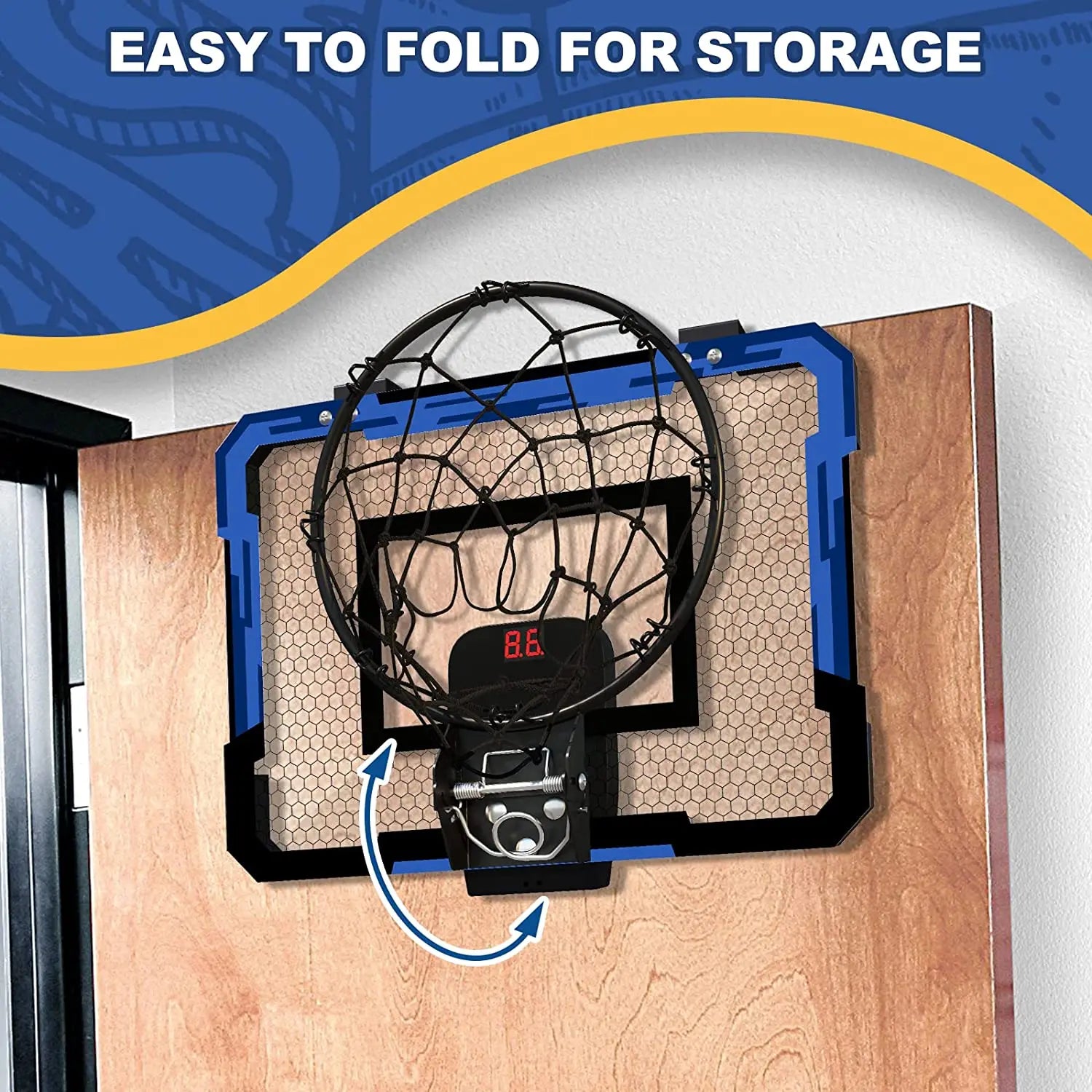
Indoor mini hoops make coordination exercises exciting 💡 See it in action
Benefits Beyond Coordination: Focus, Balance & Confidence
Build hand eye coordination and you’ll notice surprising changes in other areas too.
- ✅ Better posture and balance
- ✅ Longer attention span during homework
- ✅ Improved self-esteem after mastering skills
- ✅ Reduced frustration during sports
Parents often report fewer meltdowns during team games once their child feels more confident catching and aiming.
Pair coordination toys with calming recovery routines from Massage & Relaxation to support muscle recovery and relaxation after active play.
How to Choose the Right Indoor Setup for Faster Progress
Not all indoor mini hoops are created equal. To build hand eye coordination efficiently, choose features that match your child’s age and ability.
- ✔️ Adjustable height for growth
- ✔️ Lightweight, soft ball for safety
- ✔️ Stable backboard for accurate rebounds
- ✔️ Easy wall or door mounting
For younger toddlers developing early motor skills, explore complementary items in Sensory Toys to enhance tactile awareness.
Safety matters too. Browse Health & Safety for protective solutions that make indoor play worry-free.
What Real Parents Notice After Consistent Practice
After 2–4 weeks of regular short sessions:
- 📈 Up to 30% improvement in catching accuracy
- ⚡ Faster reaction time during games
- 😊 Increased willingness to try new sports
- 🧘 Better body control during everyday tasks
“We started using a mini basketball hoop and ball during rainy afternoons. Within a month, my son stopped avoiding catch games and even joined a beginner sports class confidently.” – Parent review
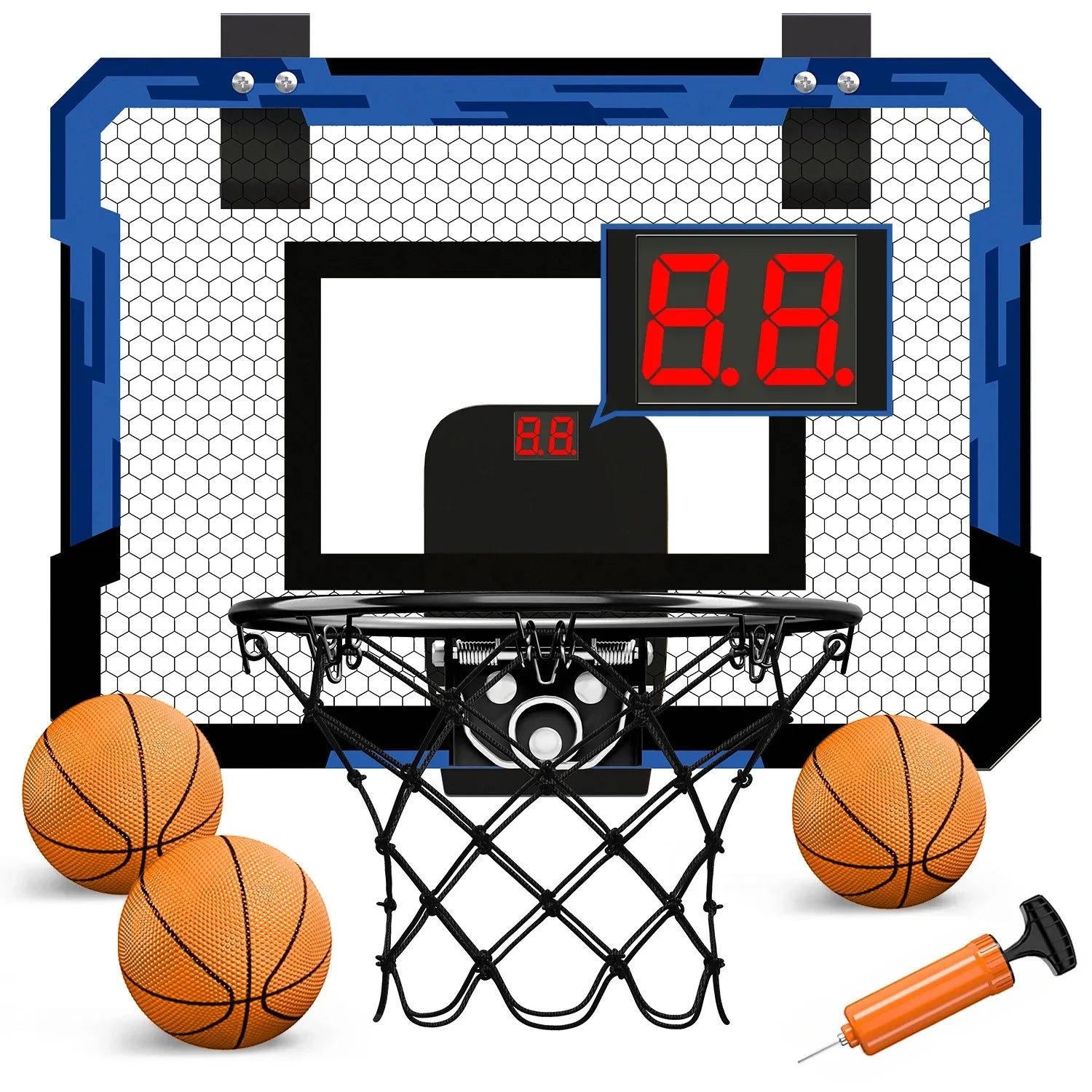
Active play toys that build hand eye coordination and confidence 💡 See it in action
Why This Simple Setup Stands Out
The mini basketball hoop and ball combines fun, repetition, and skill development in one compact system. Unlike passive toys, it actively trains timing, focus, and body control while keeping kids engaged.
- Pros: Easy setup, space-saving, engaging for multiple ages
- Cons: Requires supervised setup for younger toddlers
👉 Get yours now — limited stock!
Mini FAQ
How often should kids practice to build hand eye coordination?
Short daily sessions of 10–15 minutes are ideal. Consistency matters more than duration. Frequent repetition strengthens neural pathways responsible for coordination and motor planning.
At what age can children start using indoor mini hoops?
Most children can begin simple toss-and-aim games around age 2–3 with supervision. Adjustable hoops allow continued progression through early elementary years.
Do active play toys replace outdoor sports?
No. Indoor mini hoops complement outdoor activities by reinforcing aiming, catching, and focus skills that transfer directly to team sports.
When you build hand eye coordination through simple, joyful ball activities, you’re not just improving aim—you’re building confidence, resilience, and a lifelong love of movement.
Related Guide: How to Build Hand Eye Coordination With Simple Home Games





