

Calming Nursery Colors That Help Sensitive Babies Relax
Do calming nursery colors really help sensitive babies relax?
Calming nursery colors reduce visual stimulation and support easier settling by creating a low-contrast, gentle environment. When paired with soothing nursery lighting, these hues help prevent a baby overstimulated bedtime, align with natural circadian rhythms, and complement early childhood sleep aids—often shortening wind-down time without screens or gadgets.
Calming Nursery Colors That Help Sensitive Babies Relax
⏱ 7 min read
Calming nursery colors can quietly transform restless evenings into smoother wind-downs for sensitive babies. When paired with soothing nursery lighting, gentle hues reduce visual noise that can trigger a baby overstimulated bedtime. Research-backed palettes support circadian rhythms and complement early childhood sleep aids without gadgets or screens. Parents are often surprised how wall color alone changes mood, focus, and settling time—so which shades work best for your space?
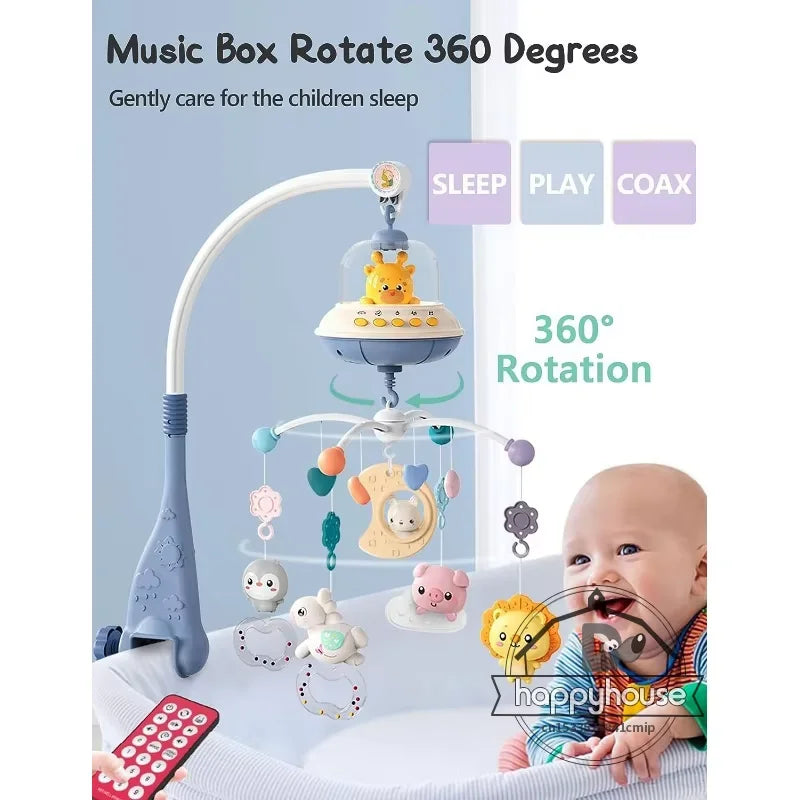
Calming nursery colors with soothing nursery lighting can ease a baby overstimulated bedtime 💡 See it in action
Why Color Matters for Sensitive Babies
Sensitive babies process sights and sounds more intensely. High-contrast colors or bright walls can keep their brains “on,” even when their bodies are tired. Soft, muted palettes lower visual input, helping babies feel safe and settled.
Color influences mood through light reflection. Brighter shades bounce more light, while softer tones absorb it, creating a cocoon-like feel. This matters most during evening routines.
What research suggests
- Muted hues reduce visual arousal.
- Warm undertones feel comforting at night.
- Consistent color cues help signal sleep time.
- Lower contrast supports longer stretches of rest.
Which Calming Nursery Colors Work Best?
Calming nursery colors like soft sage, warm beige, muted blue, and blush create a low-stimulation backdrop that supports relaxation. These shades reduce harsh contrast, reflect light gently, and help sensitive babies transition from play to rest—especially when used consistently across walls, textiles, and décor.
Soft greens for balance
Sage and eucalyptus tones are linked to nature and stability. Parents often notice quicker settling when green replaces stark white.
Gentle blues for calm
Dusty or gray-blue shades encourage slower breathing. Avoid bright aqua, which can feel energizing.
Warm neutrals for comfort
Greige, oatmeal, and cream add warmth without stimulation. They pair well with wood furniture and soft textiles.
| Color Family | Best For | Avoid If |
|---|---|---|
| Sage Green | Highly sensitive babies | Room lacks natural light |
| Muted Blue | Evening calm | Used too dark |
| Warm Beige | All-day comfort | Paired with bright accents |
How to Pair Colors With Soothing Nursery Lighting
Color works best with the right light. Overhead brightness can undo the calming effect of paint.
- Choose warm bulbs (2700K–3000K).
- Use dimmers for evening transitions.
- Layer light with lamps instead of one source.
- Keep night lighting low and indirect.
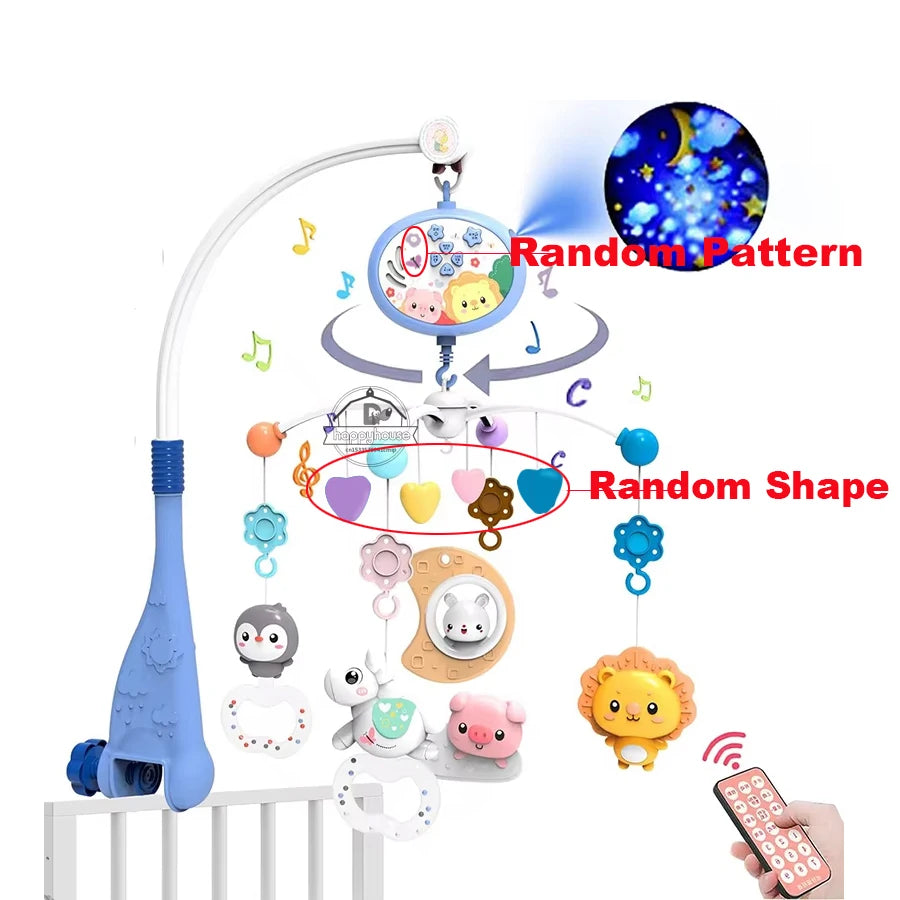
Soothing nursery lighting paired with calming nursery colors supports early childhood sleep aids 💡 See it in action
Preventing a Baby Overstimulated Bedtime
If your baby arches, cries, or resists sleep, the environment may be too stimulating. Color consistency helps signal it’s time to rest.
- Dim lights 30 minutes before bed.
- Keep wall colors and bedding in the same palette.
- Limit bright toys at night.
- Add gentle sound or motion if needed.
Many parents pair calming colors with a musical baby crib mobile to add soft movement and sound without visual overload.
Real Parent Experiences
“We switched from bright white to warm beige, and bedtime tears dropped within days,” shares a mom of a 6-month-old. Another parent noted longer naps after adding sage accents and dim lighting.
These small changes often outperform complex routines.
Helpful Tools That Support Sleep
When color and light are set, simple additions can enhance comfort:
- Sleep & Comfort items that promote cozy rest
- Massage & Relaxation tools for evening wind-downs
- Sensory Toys designed for gentle stimulation
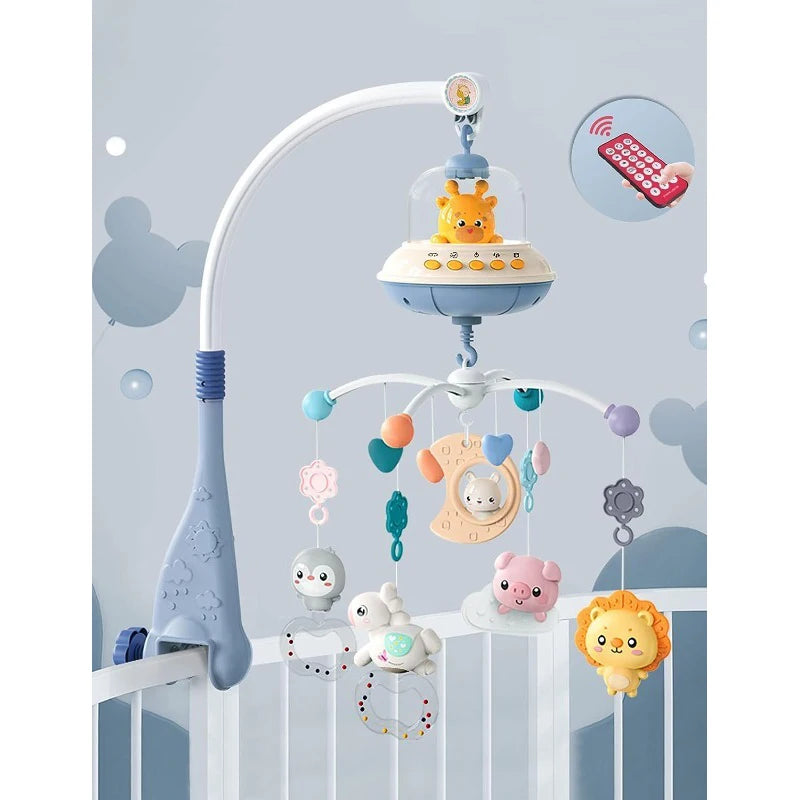
Calming nursery colors combined with early childhood sleep aids create a peaceful nursery 💡 See it in action
Quick Questions Parents Ask
Are calming colors better than white?
Yes. Soft hues reduce contrast and glare, making it easier for sensitive babies to relax.
When should I change the nursery color?
Anytime sleep feels difficult. Even accent walls or textiles can help.
Do calming nursery colors replace early childhood sleep aids?
They work best together, creating a supportive environment that makes other aids more effective.
Related Guide: Infant Restless at Night Solutions That Fit Your Baby





