

Choosing Child Flotation Device That Fits and Functions
How do you choose a child flotation device that actually fits and works?
Choosing child flotation device options correctly means matching your child’s weight, age, and activity level with a secure fit that supports natural movement. The right design improves balance, confidence, and safety in water, whether you’re selecting a swim vest for 18 month old toddlers or planning water safety activities for preschoolers.
Choosing Child Flotation Device That Fits and Functions
Choosing child flotation device solutions can feel overwhelming when safety, comfort, and learning all matter. Many parents worry about sizing mistakes, restricted movement, or false confidence around water. The good news? With the right approach, you can support safer play, calmer supervision, and joyful water experiences from toddlerhood onward.
⏱ 7 min read
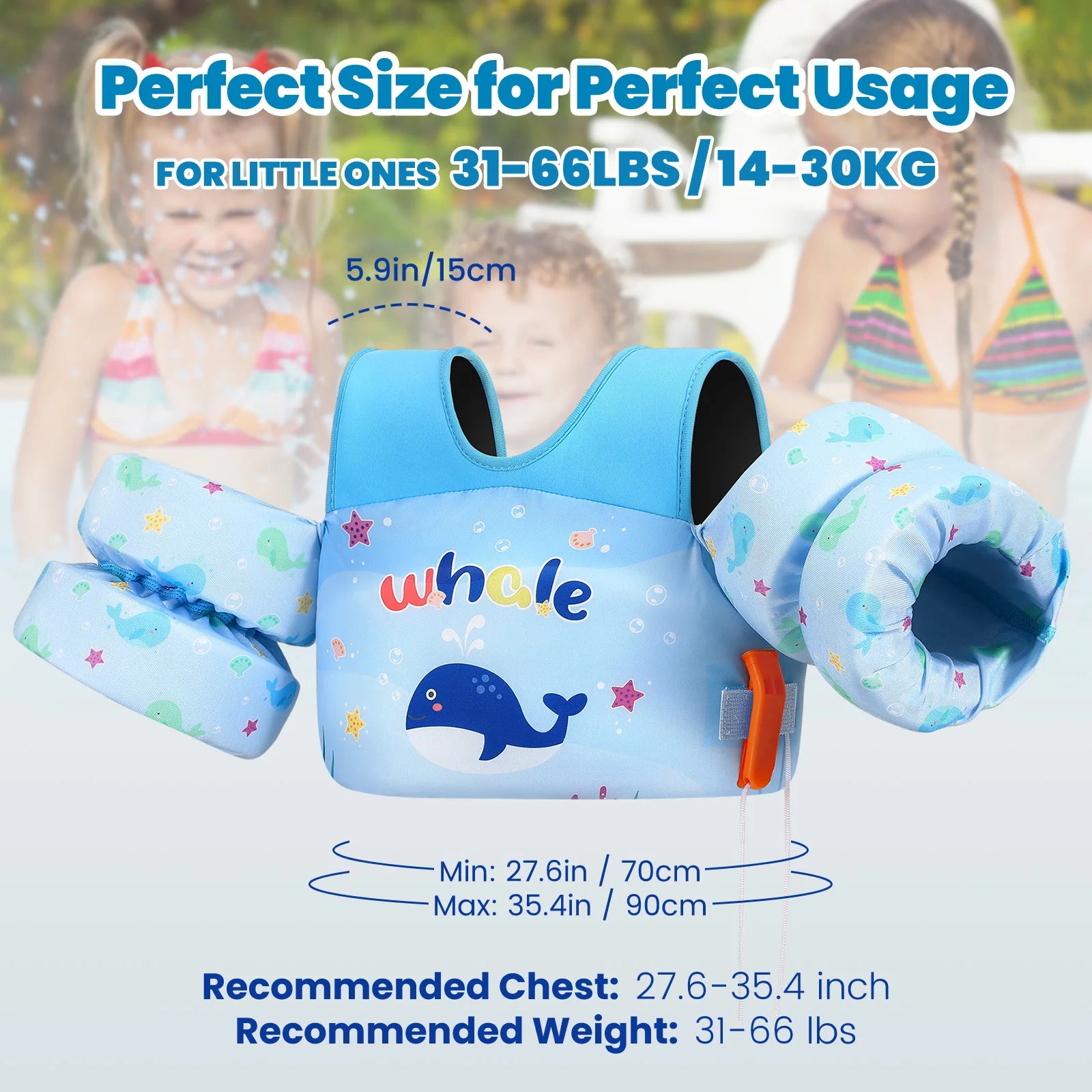
Choosing child flotation device options that fit well helps toddlers move freely and safely 💡 See it in action
Why Proper Fit Matters for Water Confidence
Choosing child flotation device designs based on fit—not just age labels—directly affects safety and learning. A well-fitted vest keeps the airway clear while allowing arms and legs to move naturally.
- Prevents slipping or riding up in water
- Supports upright, balanced positioning
- Reduces panic by feeling snug, not restrictive
- Encourages early swimming movements
Parents who focus on fit often report calmer pool sessions and better engagement during lessons. Pairing flotation gear with guidance from Health & Safety resources creates a more confident environment.
How to Choose the Right Child Flotation Device
Choosing child flotation device options becomes easier when you follow a simple, step-by-step approach. Focus on function first, then comfort, then adaptability.
Direct answer: Choosing child flotation device products should prioritize secure straps, balanced buoyancy, and size based on weight—not age alone. A properly fitted vest supports natural movement, keeps the child upright, and reduces fatigue during supervised water play.
- Check weight range and adjustable straps
- Look for soft, non-chafing materials
- Ensure buoyancy is evenly distributed
- Test fit on land before water use
Many families store swim gear alongside Baby Care Essentials so everything is ready for spontaneous pool days.
Age-Based Guide: Toddlers to Preschoolers
Swim Vest for 18 Month Old Toddlers
For younger toddlers, choosing child flotation device styles with chest support and crotch straps helps prevent tipping forward. A swim vest for 18 month old children should feel like a gentle hug, not bulky armor.
- Wide arm openings for paddling
- Lightweight foam for comfort
- Easy on/off for quick changes
Preschoolers (Ages 3–5)
As children grow, flotation devices should shift from full support to skill-building aids. This stage pairs well with water safety activities for preschoolers that focus on kicking, floating, and breath control.
Parents often combine pool routines with playful tools from Baby Growth & Learning to reinforce confidence.
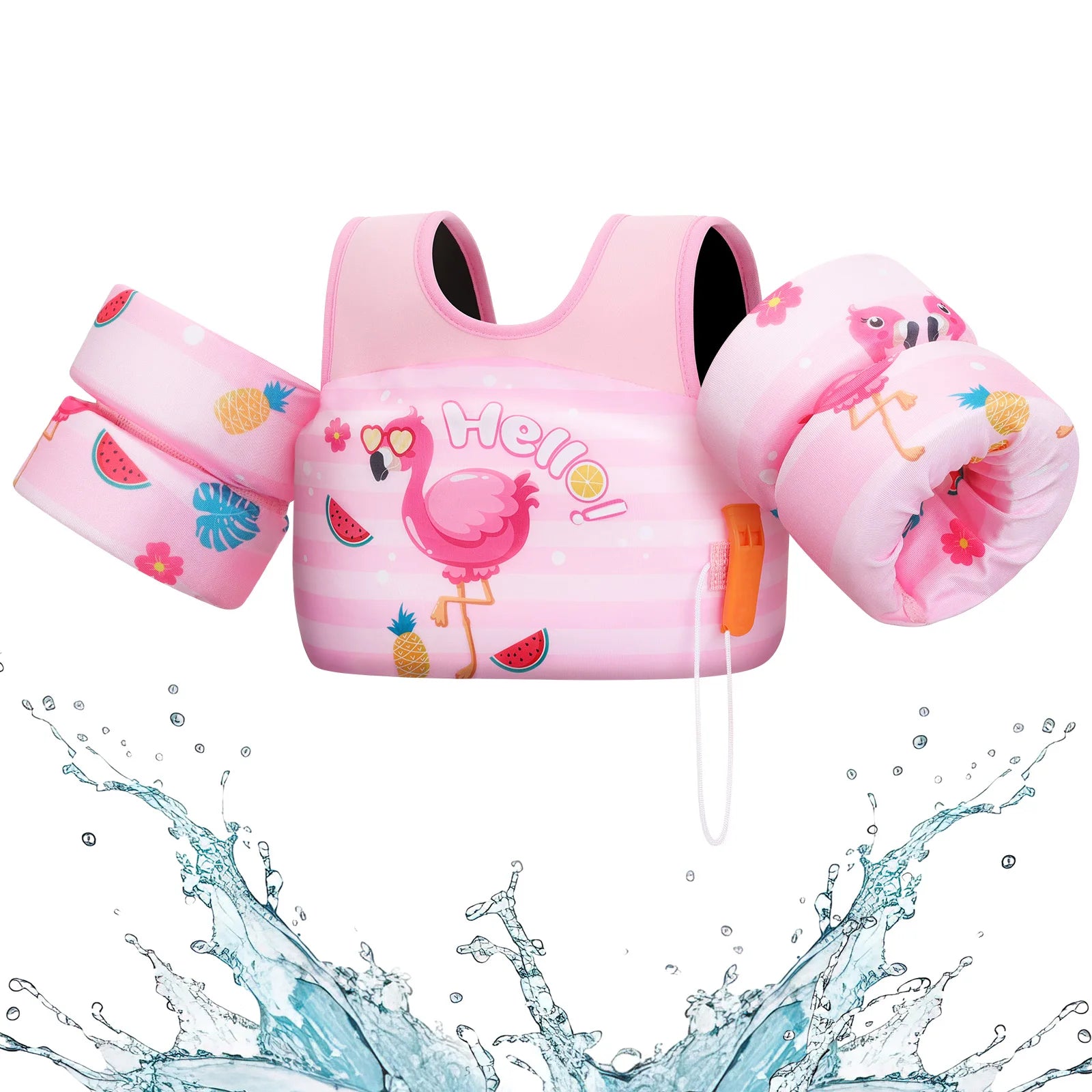
From swim vest for 18 month old toddlers to preschoolers, choosing child flotation device fit supports learning 💡 See it in action
Common Mistakes Parents Make
Even attentive caregivers can overlook key details when choosing child flotation device options. Awareness helps prevent frustration and unsafe habits.
| ❌ Mistake | ✅ Better Choice |
|---|---|
| Buying by age only | Selecting by weight and fit |
| Loose straps | Snug, adjustable closures |
| Over-reliance on flotation | Combining with supervision |
Water safety tips for parents emphasize that flotation devices are aids—not replacements for active watching.
Water Safety Activities That Build Skills
Choosing child flotation device gear works best when paired with simple, repeatable activities. These water safety activities for preschoolers turn playtime into learning moments.
- Blowing bubbles to practice breath control
- Wall kicks to strengthen legs
- Floating games with gentle support
- Reach-and-grab toys to improve coordination
Keeping towels, toys, and vests organized with Baby Bath Accessories helps routines stay stress-free.
A Practical, Parent-Approved Swim Vest Option
Direct answer: Choosing child flotation device solutions like a structured swim vest offers balanced buoyancy, adjustable fit, and freedom of movement. Parents value designs that support learning while keeping children upright and comfortable during supervised water play.
This kids swim vest is designed to grow with your child, making it suitable from toddler stages through early preschool years.
- Secure buckles and reinforced stitching
- Soft lining to prevent skin irritation
- Lightweight design for extended wear
Families often pair swim gear with monitoring routines inspired by Health & Safety collections for added peace of mind.
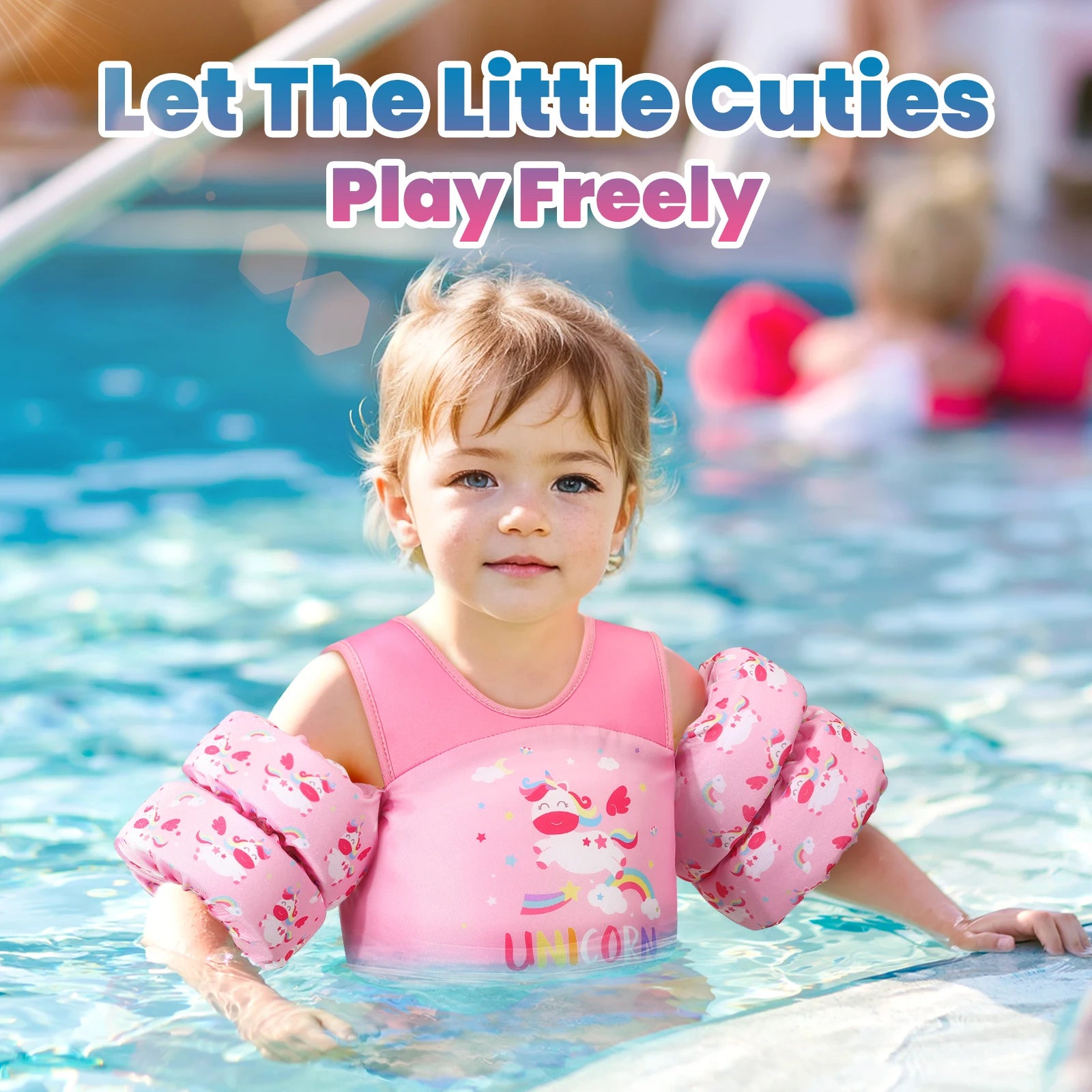
Choosing child flotation device designs that fit well supports safer play and happier learning 💡 See it in action
Quick FAQ for Parents
Is a swim vest better than arm floaties?
Swim vests provide more balanced support and allow natural arm movement, making them better for learning and stability.
Can my child use a flotation device without supervision?
No. Water safety tips for parents always stress active supervision, even when flotation aids are used.
How often should I check the fit?
Check before every swim session. Growth spurts and strap wear can change how a vest fits over time.
Related Guide: Learn to Swim Safely Step by Step for Young Kids





