

Baby Toys Without BPA: What’s Actually Safe to Buy?
Does BPA-free infant play equipment really matter?
BPA-free infant play equipment helps reduce exposure to Bisphenol A (BPA), a chemical once commonly used in some plastics. Because babies frequently explore by mouthing toys, choosing safe baby toys made from BPA-free, food-grade, or natural materials supports safer everyday play, durability, and greater peace of mind for parents.
BPA Free Infant Play Equipment: Why Materials Matter
⏱ 8 min read
BPA free infant play equipment is more than a marketing label—it reflects thoughtful material choices that can make everyday play safer for newborns and infants. Whether you're shopping for baby toys without BPA , eco friendly baby toys, or non toxic baby toys, understanding the materials, certifications, and cleaning requirements helps you choose products that support healthy development while lasting through daily use.

Safe toys for newborns made with BPA-free infant play equipment. See it in action.
Best Baby Toys Without BPA: Safe Materials and Top Picks
Quick Comparison Table
| Toy Type | Best Material | Ideal Age | Main Benefit |
|---|---|---|---|
| Teethers | Food-grade silicone | 0–12 months | Safe for frequent mouthing |
| Rattles | Untreated wood + silicone | 0–6 months | Grip and sensory development |
| Stacking toys | BPA-free plastic or wood | 12+ months | Motor skills and coordination |
| Sensory toys | Mixed natural materials | All stages | Tactile exploration |
How We Chose These BPA-Free Toys
When evaluating baby toys without BPA, prioritize products that:
- Clearly disclose all materials used.
- Meet recognized safety standards.
- Use food-grade silicone, untreated wood, or certified BPA-free plastics.
- Contain no loose parts or peeling finishes.
- Are easy to clean and designed for repeated daily use.
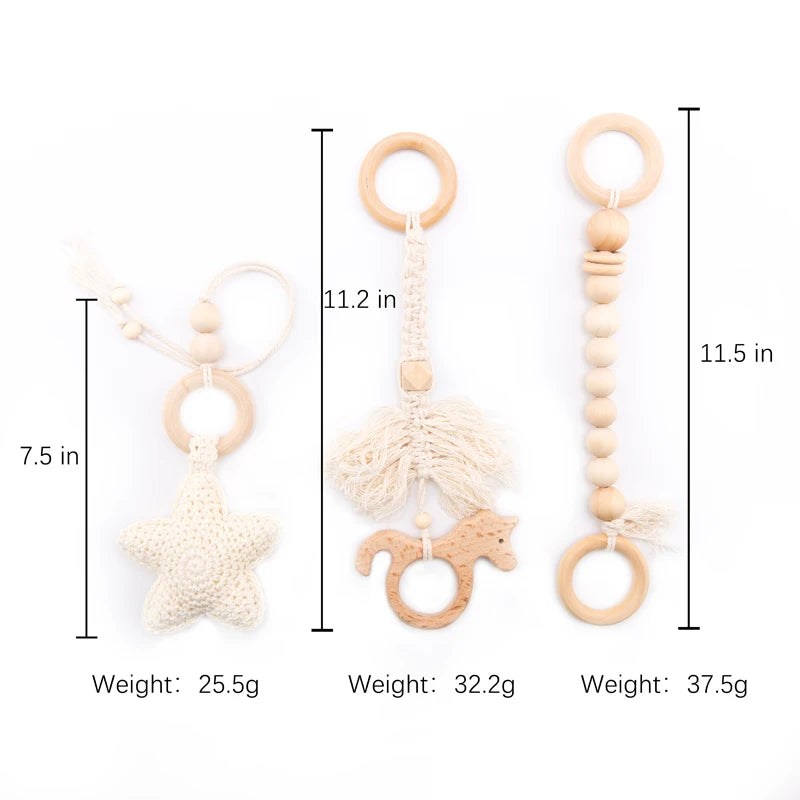
Infant play equipment designed for safer daily play. See it in action.
Why BPA-Free Baby Toys Matter
What Is BPA?
Bisphenol A (BPA) is an industrial chemical previously used in certain hard plastics and resins. While many baby products are now manufactured without BPA, parents often continue to seek BPA-free toys because infants frequently chew and mouth toys during the first year of life.
BPA vs BPS vs PVC and Phthalates
Looking for a BPA-free label is a good start, but it's also worth checking for other materials.
- BPA: Commonly removed from modern infant products.
- BPS: Sometimes used as a BPA substitute, though many parents prefer avoiding it as well.
- PVC: May require plasticizers that parents often choose to avoid.
- Phthalates: Chemicals restricted in many children's products and best avoided whenever possible.
Choosing non toxic baby toys made from simpler, well-documented materials offers added confidence during everyday play.
Safest Materials for Baby Toys Compared
Food-Grade Silicone
Food-grade silicone is soft, flexible, dishwasher-safe in many cases, and excellent for teethers because it withstands frequent chewing without cracking.
Wooden toys for babies provide excellent durability and tactile feedback. Look for smooth finishes using natural oils or water-based coatings instead of heavy paints.
Natural Rubber
Natural rubber toys offer gentle flexibility and are commonly chosen for teething products. Always purchase from reputable brands with transparent ingredient information.
Organic Cotton and Stainless Steel
Organic cotton works well for soft sensory toys, while stainless steel appears in selected feeding accessories because it resists corrosion and is easy to sanitize.
| Material | Benefits | Considerations |
|---|---|---|
| Food-grade silicone | Easy to clean, flexible | Choose reputable manufacturers |
| Wood | Durable, natural feel | Avoid chipped finishes |
| Natural rubber | Soft for teething | Inspect regularly for wear |
| Organic cotton | Gentle textures | Wash regularly |
Best BPA-Free Baby Toys by Age
0–6 Months
- Silicone teethers
- Soft sensory toys
- Lightweight wooden rattles
6–12 Months
- Stacking cups
- Grasping toys
- Activity gyms with BPA-free components
12+ Months
- Wooden stacking blocks
- Push toys
- Montessori-inspired sensory toys
Many families pair play equipment with items from Sensory Toys and Baby Growth & Learning collections to build a play space that evolves alongside developmental milestones.
What Safety Certifications Should You Look For?
ASTM F963
This voluntary standard evaluates mechanical hazards, labeling, and material safety for toys sold in the United States.
CPSIA Compliance
The Consumer Product Safety Improvement Act establishes requirements for lead content, phthalates, and testing of children's products.
CPSC Requirements
Products manufactured for infants should comply with applicable Consumer Product Safety Commission regulations and carry appropriate safety labeling.
How to Choose BPA-Free Baby Toys
Age Appropriateness
Select toys designed specifically for your baby's current developmental stage to reduce choking risks and encourage appropriate skill building.
Material Quality
Look beyond a simple BPA-free claim. The safest baby toys clearly identify their materials and provide certification or testing information whenever available.
Cleaning and Durability
Choose products that withstand frequent washing without peeling, cracking, or trapping moisture.
- Verify material transparency.
- Check recognized safety certifications.
- Avoid strong chemical odors.
- Inspect toys regularly for damage.
- Purchase from trusted manufacturers.
Parents often combine play gear with essentials from Baby Care Essentials or safety-focused items from Health & Safety to simplify everyday routines.

Eco friendly baby toys that support safer newborn play. See it in action.
How to Clean and Maintain BPA-Free Baby Toys
Silicone
Wash with warm soapy water or follow the manufacturer's dishwasher instructions where applicable.
Wood
Wipe clean with a damp cloth and dry immediately. Avoid soaking wooden toys for extended periods.
Natural Rubber
Clean gently with mild soap and water, then allow to air dry completely before storage.
Fabric
Machine wash according to care labels and inspect seams periodically for wear.
Replace any toy showing cracks, loose parts, mold, or significant wear, regardless of the material.
Frequently Asked Questions
Are plastic toys safe for babies?
Many modern plastic toys are safe when manufactured to current safety standards. Choosing BPA-free products from reputable brands and checking certifications provides additional confidence.
What are the safest materials for baby toys?
Food-grade silicone, untreated wood, organic cotton, natural rubber, stainless steel, and certified BPA-free plastics are among the most commonly recommended materials.
What certifications should BPA-free baby toys have?
Look for compliance with ASTM F963, CPSIA requirements, and other applicable consumer safety regulations for children's products.
Are wooden toys safer than plastic toys?
High-quality wooden toys made with non-toxic finishes can be an excellent choice, although both wood and BPA-free plastics can be safe when manufactured responsibly.
How do I know a toy is truly BPA-free?
Choose products from trusted manufacturers that clearly identify materials, testing information, and applicable safety certifications instead of relying solely on packaging claims.
How should BPA-free baby toys be cleaned?
Always follow the manufacturer's instructions. Most silicone toys tolerate regular washing, while wood should be wiped clean rather than submerged in water.
Related Guide: How to Stimulate Newborns With Simple Daily Play Routines





