

Cognitive development play activities 5 fine motor skills
Do cognitive development play activities really work?
Cognitive development play activities work best when children interact with simple, hands-on materials that encourage thinking, problem-solving, and focus. Wooden toys slow play down, reduce distraction, and support hands on learning for preschoolers by strengthening memory, early math skills, and fine motor control through real-world exploration.
Cognitive Development Play Activities: Why Wooden Toys Work
⏱ 7 min read
Cognitive development play activities often work best when kids learn through simple, tactile materials that spark focus and curiosity. Wooden toys support hands on learning for preschoolers by slowing play down, strengthening problem solving, and building real-world thinking. Unlike flashy plastic options, they naturally support a hands on math curriculum while refining 5 fine motor skills through stacking, sorting, and balance. The result is calmer play, deeper learning, and longer attention spans—but why does simplicity create such powerful growth?
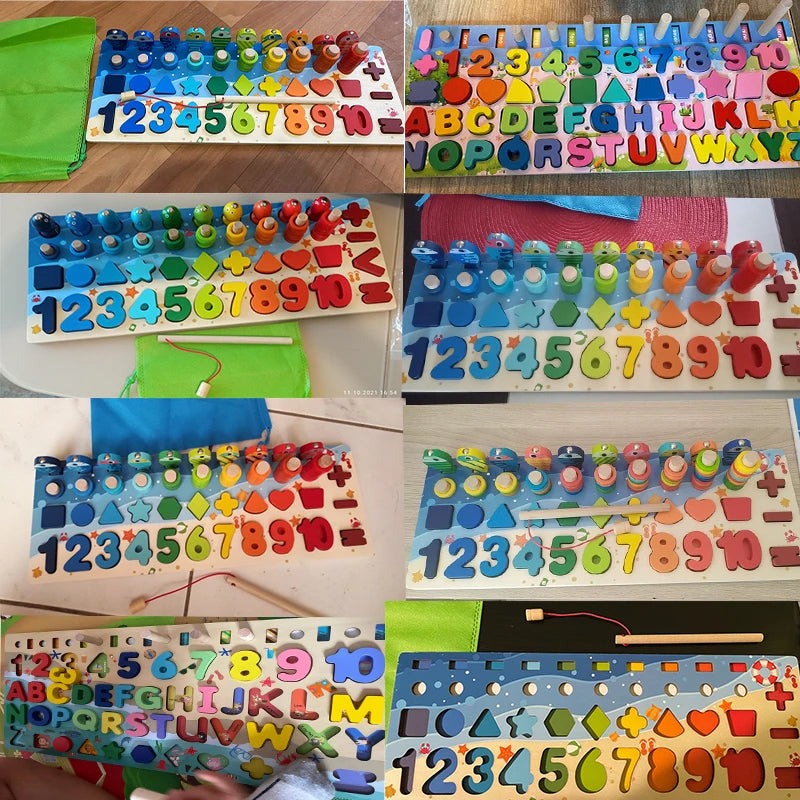
Cognitive development play activities that encourage hands on learning for preschoolers 💡 See it in action
Why Simplicity Matters for Young Minds
Many parents notice their child bouncing quickly from one toy to another. Lights, sounds, and buttons grab attention—but often shorten it. Cognitive development play activities work differently. They invite children to explore, test ideas, and stay focused longer.
Wooden toys remove distractions. Without flashing cues, children rely on imagination, memory, and reasoning. This kind of play mirrors how kids naturally learn—by doing, not watching.
Families exploring Baby Growth & Learning often find that simpler toys create calmer routines and more meaningful playtime.
How Wooden Toys Support Cognitive Growth
Cognitive development play activities thrive when children can manipulate real objects. Wooden toys provide resistance, weight, and texture that plastic toys often lack.
Direct answer
Cognitive development play activities using wooden toys improve problem solving, memory, and attention by encouraging children to plan actions, test outcomes, and correct mistakes independently. The physical feedback from wooden materials strengthens brain connections responsible for reasoning and early academic skills.
- Cause-and-effect understanding through stacking and balance
- Spatial awareness from fitting and arranging pieces
- Logical thinking through sequencing and patterns
- Confidence built from self-directed success
These outcomes are why educators often recommend educational wooden toys alongside Sensory Toys for balanced development.
Hands On Learning for Preschoolers Explained
Hands on learning for preschoolers means learning by touching, moving, and experimenting. Instead of memorizing answers, children discover them.
Wooden toys naturally encourage this approach. A child stacking blocks learns balance. Sorting shapes builds classification skills. Counting beads introduces numbers in a concrete way.
This style of learning supports:
- Longer attention spans
- Stronger memory retention
- Independent thinking
- Reduced frustration during learning
Parents building early routines often pair wooden learning tools with resources from Baby Care Essentials to create supportive environments.
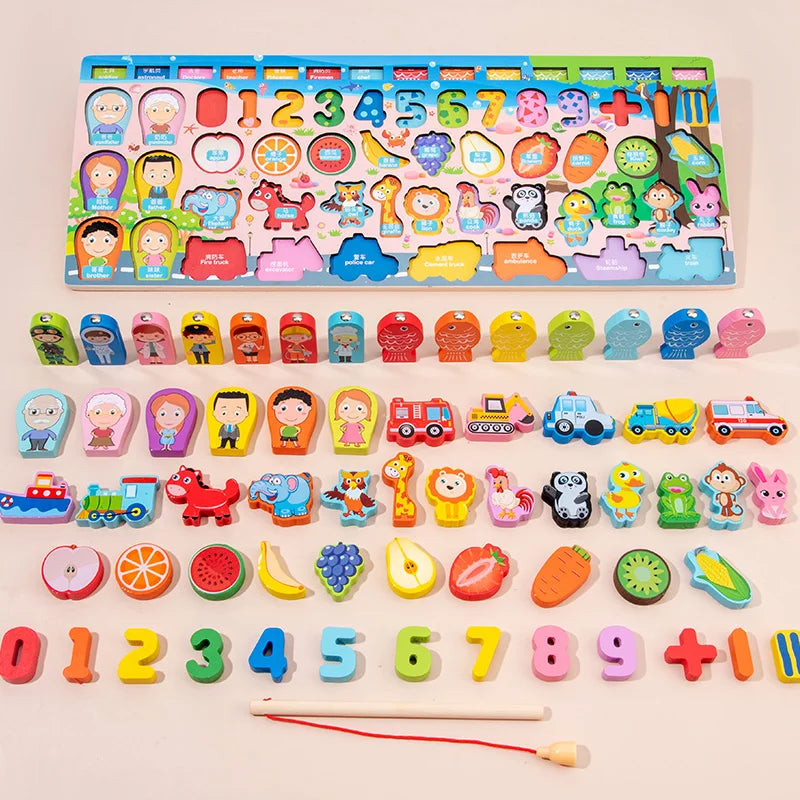
Hands on learning for preschoolers using cognitive development play activities 💡 See it in action
Building a Hands On Math Curriculum at Home
Math doesn’t need worksheets to be effective. A hands on math curriculum can start on the playroom floor.
Direct answer
A hands on math curriculum built around cognitive development play activities helps children understand numbers, quantity, and patterns through real interaction. Wooden toys make abstract concepts visible, improving number sense and early problem-solving without pressure.
- Counting blocks introduces quantity
- Sorting shapes teaches categories
- Balancing pieces builds measurement awareness
- Pattern play supports early algebra thinking
Products like the Montessori Wooden Math Toy are designed to support these skills through play-based repetition.
The 5 Fine Motor Skills Strengthened Through Wooden Play
Fine motor development plays a major role in writing, self-care, and independence. Cognitive development play activities using wooden toys naturally strengthen these abilities.
- Grip strength from lifting and holding solid pieces
- Hand-eye coordination through precise placement
- Finger dexterity from sorting and threading
- Bilateral coordination using both hands together
- Wrist control from stacking and balancing
Parents often combine these toys with tools from Mobility & Training to support whole-body coordination.
Wooden Toys vs Plastic Alternatives
| Feature | Wooden Toys | Plastic Toys |
|---|---|---|
| Focus | Encourages sustained attention | Often short bursts |
| Learning Style | Hands-on discovery | Passive interaction |
| Durability | Long-lasting | Breaks more easily |
| Skill Development | Cognitive and motor skills | Mainly entertainment |
For families prioritizing development over noise, wooden toys consistently deliver stronger results.
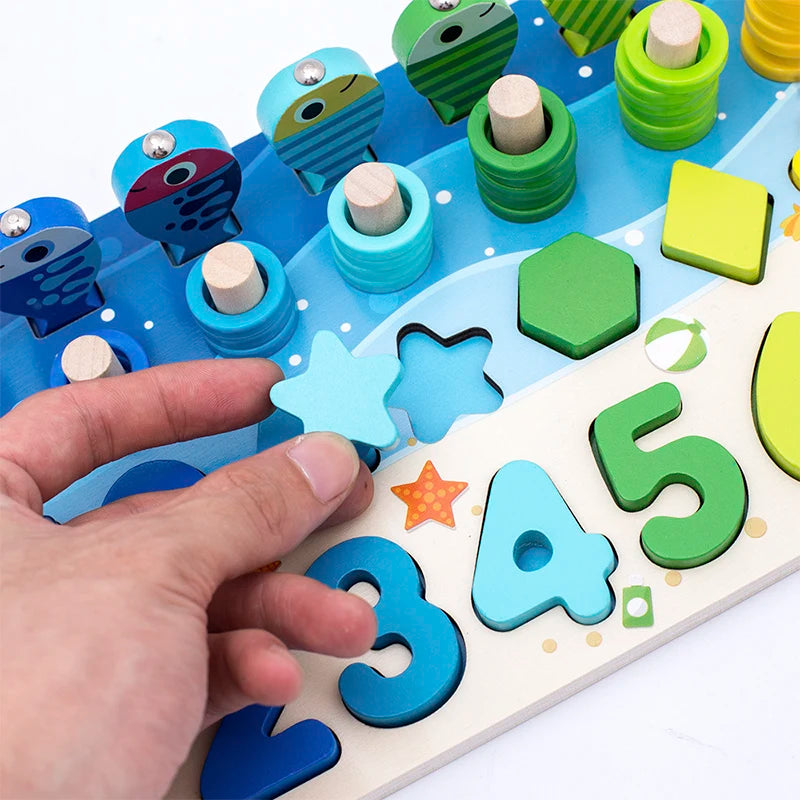
Cognitive development play activities that build fine motor skills 💡 See it in action
Real Parent Experiences and Results
Parents report noticeable changes after introducing wooden learning toys:
- Children play independently for longer periods
- Improved problem-solving confidence
- Calmer playtime routines
- Better readiness for preschool tasks
Many families exploring Baby Growth & Learning Tips note that fewer toys—but better ones—create better outcomes.
Quick FAQs
At what age do cognitive development play activities start helping?
Children benefit from simple cognitive development play activities as early as toddlerhood, especially when toys encourage stacking, sorting, and problem-solving.
Are wooden toys safe for preschoolers?
High-quality wooden toys are designed with smooth edges and non-toxic finishes, making them safe and durable for everyday play.
Do wooden toys replace learning materials?
They complement learning by turning everyday play into meaningful practice, especially when paired with supportive routines at home.
Related Guide: Early Childhood Learning Toy Features That Boost Real Results





