

Cognitive Social Skill Toys Explained Using Dollhouse Play Examples
What are cognitive social skill toys and how does dollhouse play help?
cognitive social skill toys support empathy, communication, and problem-solving by letting children act out real-life situations. Dollhouse play is especially effective because it blends benefits of pretend play with hands-on storytelling. Using miniature dollhouse furniture sets, children practice social roles, emotional language, and cooperation in a calm, screen-free way.
Cognitive Social Skill Toys Explained Using Dollhouse Play Examples
cognitive social skill toys often look simple, but dollhouse play reveals how powerful they really are. Through benefits of pretend play, children practice empathy, turn-taking, and emotional language in low-pressure ways. When imaginative play activities for preschoolers involve miniature dollhouse furniture sets, kids rehearse real social scenarios, problem-solve conflicts, and build confidence without screens or scripts.
⏱ 6 min read
Ever watched your child quietly move tiny chairs, tuck a doll into bed, or narrate a family conversation? It might look like casual play—but important social learning is happening. What if those small moments were shaping how your child understands feelings, relationships, and cooperation?
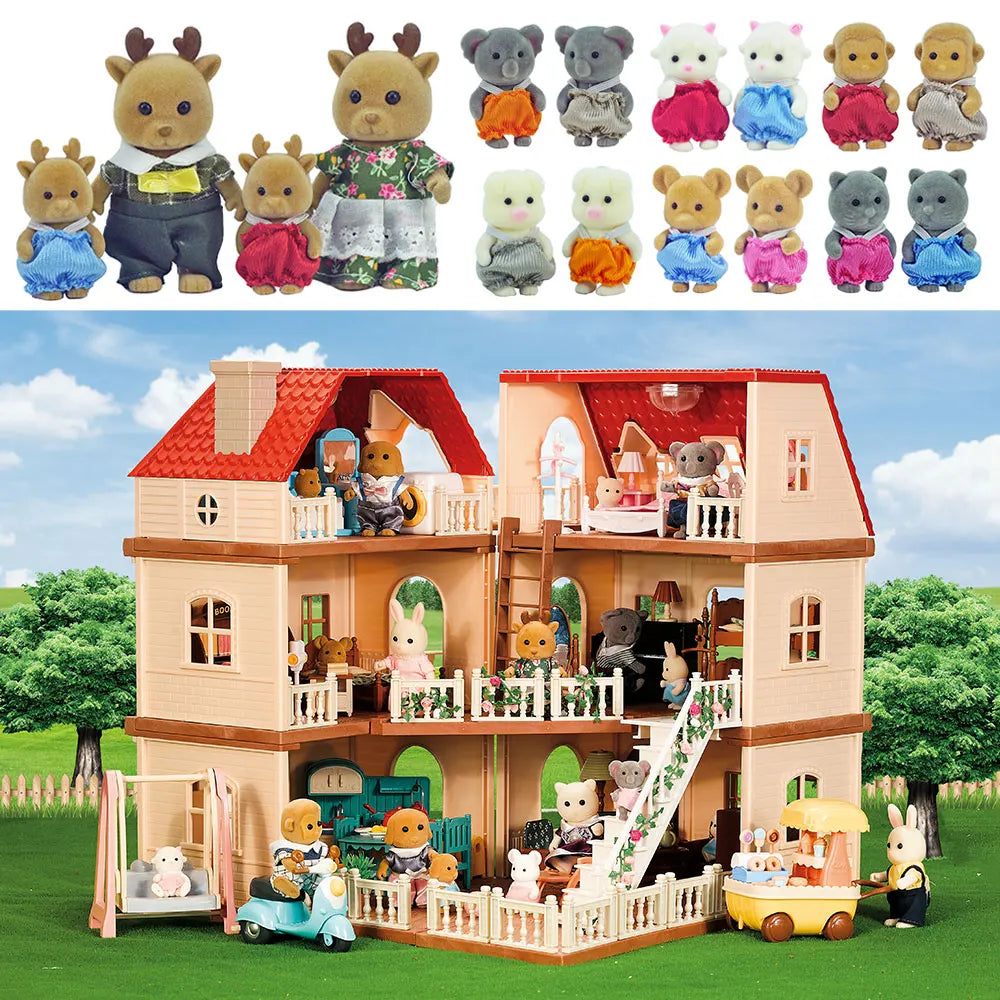
cognitive social skill toys in action through benefits of pretend play 💡 See it in action
Why Dollhouses Work So Well for Social Learning
Dollhouses create a safe, controllable world. Children decide what happens, who speaks, and how problems are solved. That control lowers pressure and allows honest emotional exploration.
- Children replay daily routines they already understand
- They explore “what if” situations without real consequences
- Emotions can be expressed indirectly through characters
- Conflicts feel easier to solve when they’re pretend
This is why many parents browsing Baby Growth & Learning collections are drawn to dollhouse-based toys—they quietly support skills children use every day.
What Are Cognitive Social Skill Toys?
cognitive social skill toys are play tools designed to strengthen thinking, communication, and emotional understanding together. They encourage children to recognize feelings, remember social rules, and adapt behavior through play-based problem-solving.
Unlike noisy or button-driven toys, these rely on imagination and interaction. Dollhouses are a classic example because they naturally combine thinking and social engagement.
Key skills these toys support
- Perspective-taking and empathy
- Memory and sequencing
- Language development and storytelling
- Self-regulation and patience
Parents often pair these toys with other calming options from Sensory Toys to create balanced play routines.
Benefits of Pretend Play Through Dollhouse Scenarios
Benefits of pretend play become especially clear when children act out familiar social scenes. Dollhouses let kids rehearse real experiences at their own pace.
Common scenarios children explore
- Family meals and bedtime routines
- Sharing toys or resolving disagreements
- Caring for siblings or friends
- Expressing worry, excitement, or comfort
These moments build emotional vocabulary. Instead of being told how to feel, children discover it themselves through stories they control.
Imaginative Play Activities for Preschoolers Using Dollhouses
Imaginative play activities for preschoolers work best when materials are open-ended. Dollhouses don’t dictate outcomes—they invite creativity.
- Role swapping: Children assign themselves and dolls different roles to understand others’ perspectives.
- Problem-solving stories: A toy argument becomes a chance to practice compromise.
- Emotion labeling: Dolls “feel” happy, sad, or frustrated, helping kids name emotions.
- Routine rehearsal: Practicing school mornings or doctor visits reduces anxiety.
These activities align well with learning-focused items found in Baby Growth & Learning Tips collections.
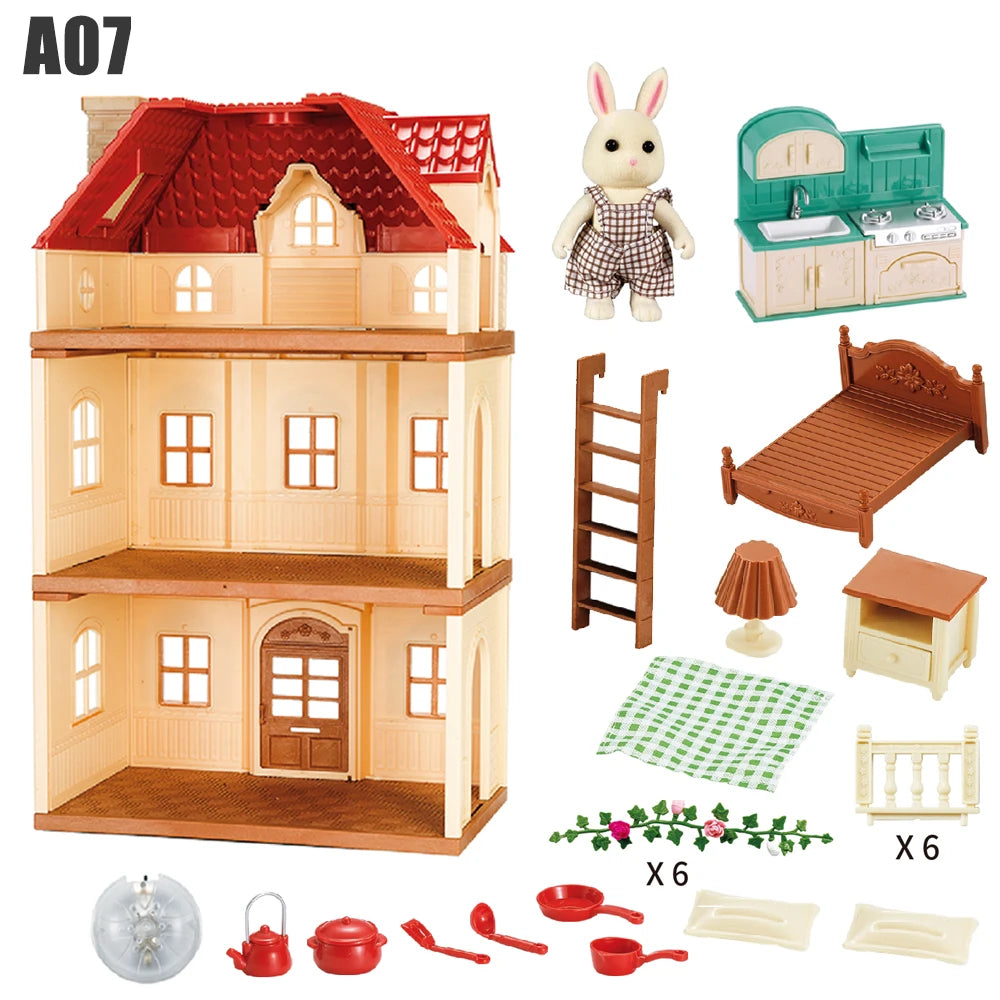
imaginative play activities for preschoolers using miniature dollhouse furniture sets 💡 See it in action
Why Miniature Dollhouse Furniture Sets Make a Difference
Miniature dollhouse furniture sets add realism. Chairs, beds, tables, and kitchens give structure to stories, making social situations feel familiar and relatable.
Why details matter
- Furniture cues specific social behaviors
- Children practice fine motor control while arranging pieces
- Scenes feel complete, supporting longer focus
- More props mean richer storytelling
The Forest Family Dollhouse Furniture Set is often chosen because its pieces mirror real home environments, helping children connect play with daily life.
How Dollhouse Play Compares to Other Toy Types
| Play Type | Social Interaction | Imagination Level | Emotional Learning |
|---|---|---|---|
| Dollhouse Play | High | Very High | Strong |
| Electronic Toys | Low | Low | Limited |
| Puzzle Toys | Medium | Medium | Minimal |
Many caregivers combine dollhouses with comfort-focused items from Sleep & Comfort to support emotional regulation throughout the day.
How to Choose the Right Dollhouse Play Set
When comparing options, focus on how the set supports interaction—not just appearance.
- Look for durable, safe materials
- Choose furniture scaled for small hands
- Ensure pieces represent everyday spaces
- Prioritize open-ended play over fixed themes
Parents often notice longer, calmer play sessions when children use thoughtfully designed sets like the Forest Family Dollhouse Furniture Set.
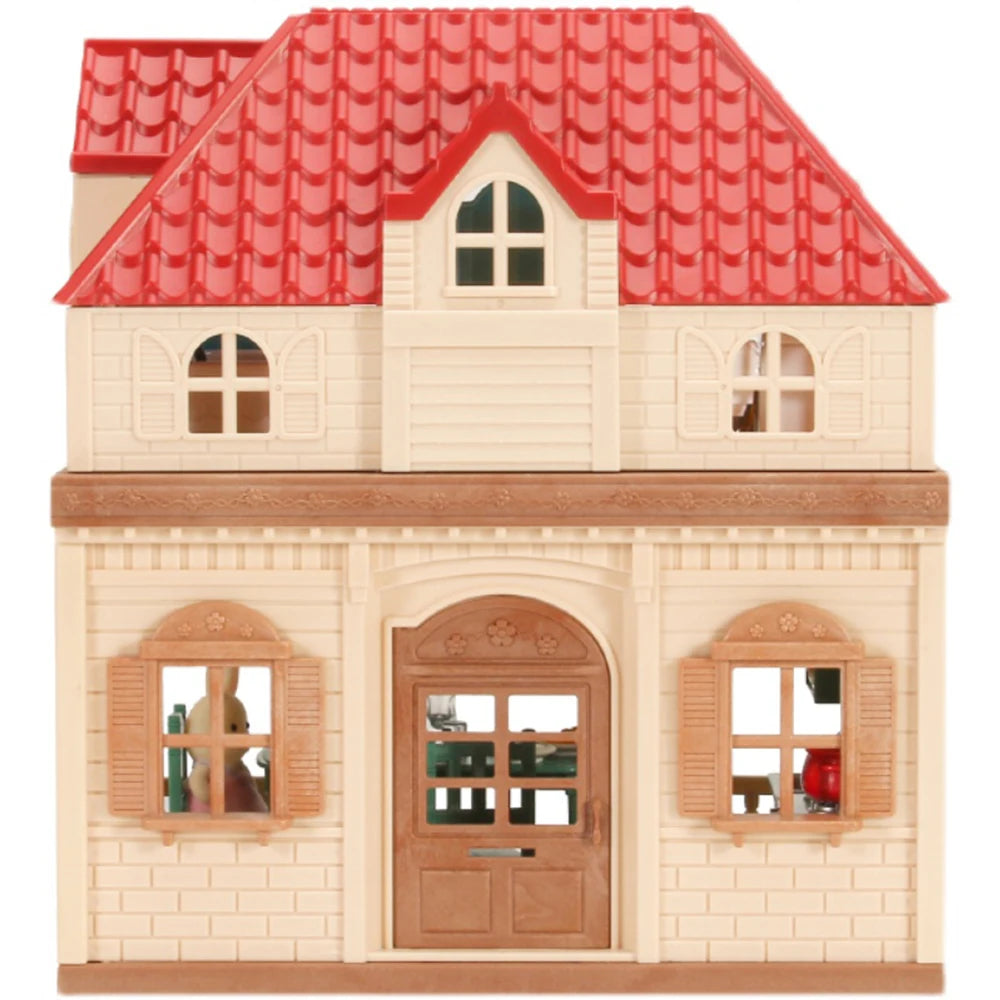
benefits of pretend play with cognitive social skill toys 💡 See it in action
Quick Questions Parents Ask
Are cognitive social skill toys suitable for independent play?
Yes. Many children naturally engage independently, using dolls to explore emotions and social situations at their own pace.
At what age does dollhouse play become effective?
Most children begin meaningful pretend play between ages 3–5, though simpler sets can support earlier exploration.
Do these toys replace social interaction with peers?
No. They complement real interactions by helping children practice skills they later use with others.
Related Guide: Benefits of Pretend Play That Build Real Skills Through Dollhouses





