

Toys That Help Develop Confidence in Young Girls at Every Age
Do confidence building toddler toys really work?
Answer: Yes — confidence building toddler toys can support early confidence by giving children safe opportunities to practice movement, solve small challenges, and experience success independently. Through repeated play, toddlers improve balance, coordination, body awareness, and emotional resilience while developing trust in their own abilities.
Confidence Building Toddler Toys That Accelerate Balance Skills
⏱ 6 min read
Confidence building toddler toys transform everyday play into meaningful skill development by helping children move, explore, and succeed at their own pace. The right toys encourage childhood motor development while making coordination activities for preschoolers feel natural and enjoyable rather than overwhelming. By combining physical practice with small moments of achievement, these toys help strengthen gross motor development in early childhood and build the confidence children need to take on new challenges.
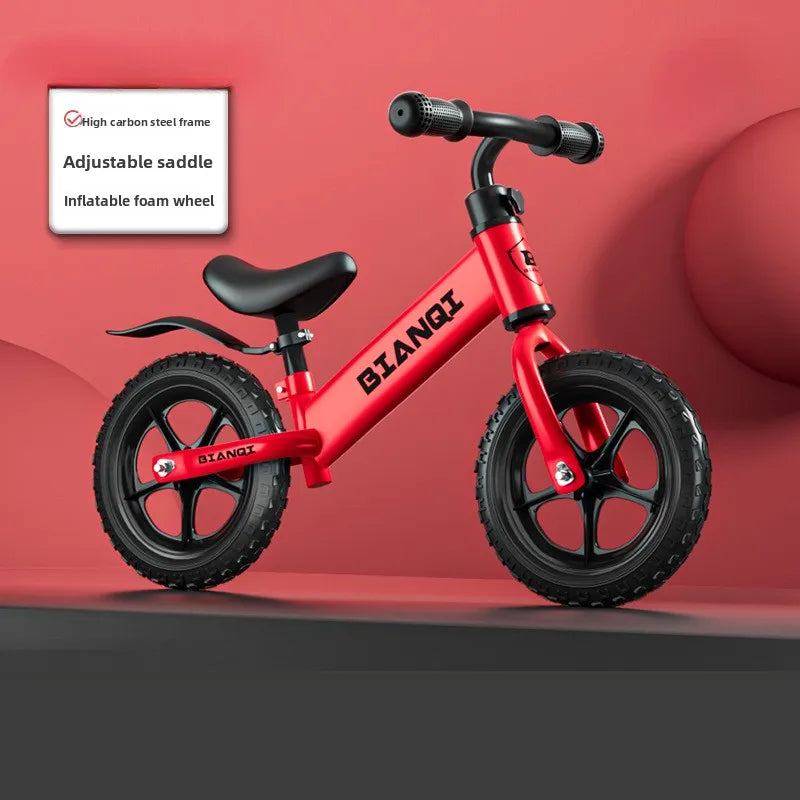
Confidence building toddler toys supporting childhood motor development See it in action
Why Balance and Confidence Grow Together
Balance is not only a physical milestone — it also plays an important role in how toddlers develop confidence, independence, and willingness to explore. When children feel more stable while walking, riding, climbing, or reaching, they are more likely to try new movements and recover calmly from small mistakes.
This connection explains why confidence building toddler toys are valuable tools for early development. Instead of creating pressure to perform, these toys provide repeated opportunities for children to practice at their own comfort level. Each successful attempt reinforces a sense of capability and encourages a positive growth mindset.
- Improved body awareness and movement control
- Greater confidence during active play
- More willingness to experiment with new skills
- A stronger foundation for coordination activities for preschoolers
These early successes contribute to gross motor development in early childhood by helping toddlers build the physical and emotional skills needed for running, climbing, balancing, and participating in new experiences.
What Makes Confidence Building Toddler Toys Different?
Confidence building toddler toys are designed around a child’s natural learning process. Instead of requiring toddlers to master complicated controls or follow fixed movements, these toys allow children to build skills gradually through exploration, repetition, and independent practice.
The biggest difference is that balance-focused designs support confidence while developing physical abilities. Toddlers can experiment, adjust their movements, and discover what their bodies can do without feeling rushed.
Unlike rigid ride-ons or traditional toys that limit movement, confidence-focused designs often:
- Keep children closer to the ground for better stability and control
- Encourage natural posture, balance, and body alignment
- Support self-paced learning through repeated practice
- Help develop coordination without relying on pedals or training wheels
These features make them useful for families exploring tools from the Mobility & Training collection, where early movement skills are encouraged through safe, age-appropriate activities.
How Do Balance Toys Build Real Skills?
Confidence building toddler toys support both physical development and emotional growth by allowing children to master one skill at a time. Instead of feeling like they are completing a lesson, toddlers experience the satisfaction of figuring things out independently.
Direct answer: Confidence building toddler toys strengthen balance by allowing toddlers to control movement, direction, and stopping through their own actions. This practice improves coordination, posture, reaction skills, and self-confidence while creating positive experiences with movement.
Through regular play, children naturally practice important developmental skills:
- Core strength improves: Balancing and moving encourage toddlers to engage muscles that support posture and stability.
- Reflexes become stronger: Small adjustments help children learn how to respond when their body shifts.
- Coordination develops: Steering, stopping, and changing direction improve control over movement.
- Confidence increases: Successful attempts reduce hesitation and encourage children to try new challenges.
These skills create a strong foundation for future activities such as playground climbing, running, jumping, and early riding experiences.
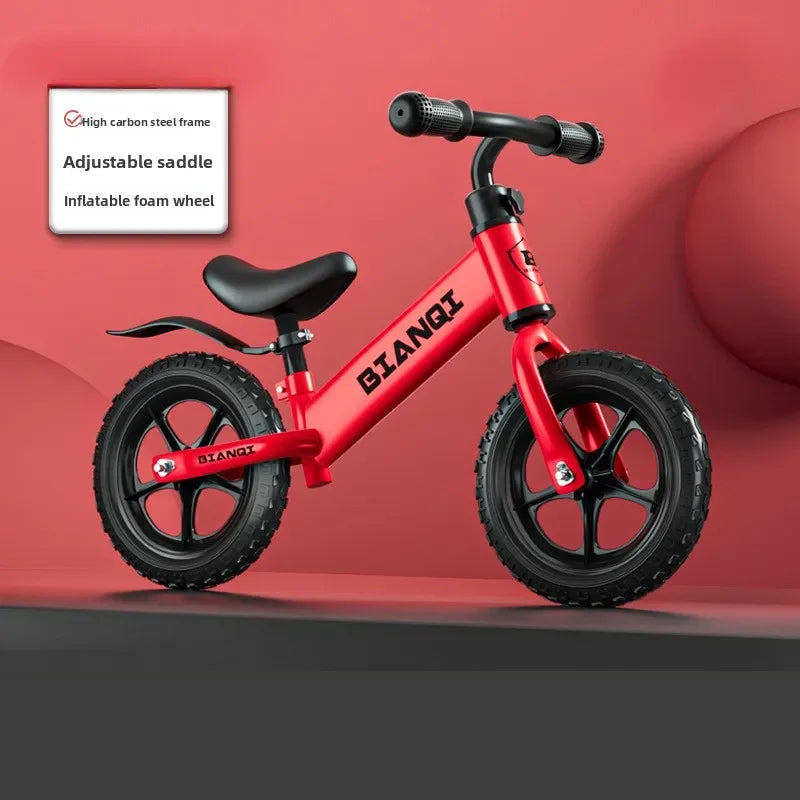
Coordination activities for preschoolers made simple See it in action
Balance Toys vs Traditional Ride-Ons
Choosing between balance toys and traditional ride-ons often depends on the type of skill parents want to encourage. While both can provide active play opportunities, balance-focused toys are designed to help toddlers develop control, confidence, and body awareness through direct movement.
| Feature | Balance Toys | Traditional Ride-Ons |
|---|---|---|
| Feet-on-ground control | Yes, allowing children to adjust movement naturally | Usually limited, with more dependence on the toy |
| Confidence progression | Gradual learning through independent practice | Can feel faster but may provide fewer skill-building steps |
| Motor skill development | Encourages balance, coordination, and body control | Primarily focuses on movement and enjoyment |
| Skill transfer | Supports future activities like biking, climbing, and running | May provide less practice with independent balance |
This difference is why many caregivers exploring Baby Growth & Learning tools choose balance-based options that combine fun with important developmental practice.
Which Children Benefit Most From Balance Toys?
Confidence building toddler toys can be especially helpful for children who need extra opportunities to practice movement in a low-pressure environment. They allow toddlers to build skills through repetition while developing independence and trust in their own abilities.
These toys are often a good fit for toddlers who:
- Feel hesitant when trying playground equipment or unfamiliar movements
- Need more practice with coordination activities for preschoolers
- Are moving from early walking stages toward more independent movement
- Need confidence support while adapting to new physical challenges
- Enjoy active play but benefit from gradual skill progression
They can also support children who prefer learning through hands-on exploration rather than structured instruction. For families focused on creating safe movement opportunities, these toys pair well with guidance from the Health & Safety collection.
What Parents Are Noticing
Parents often notice confidence changes when children have regular opportunities to practice movement without pressure. While every child develops at their own pace, confidence building toddler toys can create more chances for independent exploration and skill improvement.
- Children become more willing to start play activities independently
- Small mistakes feel less frustrating because toddlers learn through repetition
- Movement becomes smoother as balance and coordination improve
- Active play becomes more enjoyable and engaging
Many families find that consistent practice helps toddlers become more comfortable with new movements. A child who once hesitated during walking, climbing, or riding activities may gradually approach challenges with greater confidence.
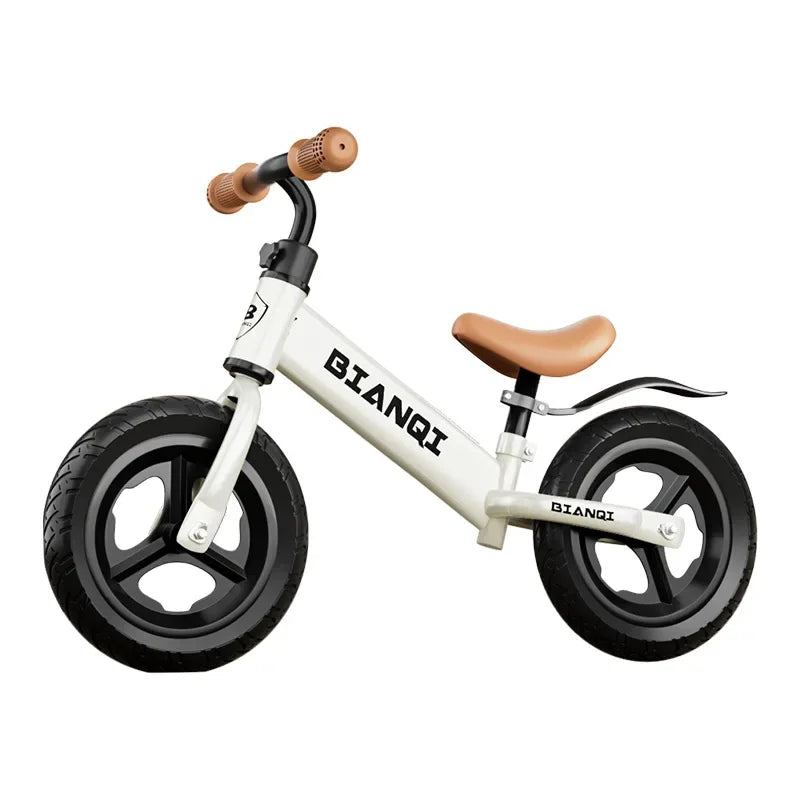
Gross motor development in early childhood starts with confidence See it in action
What to Look for When Buying Confidence-Building Toys
The best toys that help develop confidence in young girls and other children are not simply entertaining — they encourage curiosity, independence, and skill growth. When choosing toys to improve confidence in kids, focus on designs that allow children to make decisions, solve problems, and experience success.
Open-ended play
Open-ended toys encourage children to use imagination and create their own challenges. Instead of having only one correct way to play, these toys support creativity, problem-solving, and independent thinking.
Families interested in long-term developmental value can explore resources about Open-ended toys for child development and how flexible play supports learning.
Inclusive and gender-neutral design
Confidence grows when children can explore a wide range of interests without limits. Toys should encourage creativity, movement, communication, and discovery rather than suggesting that certain skills or activities are only for specific children.
Whether choosing pretend play, building activities, creative tools, or movement toys, the most valuable designs help every child develop confidence through meaningful experiences.
Safety and durability
Quality matters when selecting confidence-building toys. Look for age-appropriate materials, stable construction, comfortable handling, and designs that can support repeated practice.
- Choose toys that match the child’s current abilities
- Look for materials designed for regular use
- Select challenges that encourage progress without unnecessary frustration
- Consider whether the toy can grow with changing skills
FAQs
What types of toys build confidence the fastest?
Toys that provide achievable challenges and allow independent success often support confidence growth most effectively. Building toys, pretend play sets, creative activities, and movement-based toys can all help children practice decision-making and problem-solving.
Are confidence-building toys different for girls and boys?
Confidence-building toys are not limited by gender. The most effective toys help all children develop independence, creativity, communication skills, and resilience. The best choice depends on a child’s interests, personality, and developmental stage.
What are the best confidence building toys for toddlers?
Confidence building toys for toddlers should be simple, safe, and designed around active exploration. Balance toys, pretend play sets, stacking activities, and age-appropriate building toys can help toddlers practice skills while enjoying independent play.
Which toys help shy children become more confident?
Toys for shy children confidence can include low-pressure activities such as pretend play, creative projects, puzzles, and cooperative games. These allow children to build trust in their abilities before moving into larger social interactions.
Can STEM toys improve confidence?
Yes. STEM toys for preschoolers can support confidence by encouraging experimentation, problem-solving, and persistence. When children discover solutions on their own, they learn that mistakes are part of the learning process.
How do social emotional learning toys support self-esteem?
Social emotional learning toys for kids help children recognize feelings, practice communication, and understand relationships. These skills support emotional regulation and self-esteem by helping children feel more capable in everyday situations.
Related Guide: Safe Riding Toys Toddlers Need for Confident First Rides





