

Coordination Improvement Exercises That Deliver Results
Do coordination improvement exercises really work?
Coordination improvement exercises strengthen the connection between your brain and muscles, helping you move with better balance, faster reaction time, and greater control. When practiced consistently, these exercises can improve agility, reduce injury risk, and boost confidence in daily tasks and sports within just a few weeks.
Coordination Improvement Exercises That Deliver Results
Coordination improvement exercises can transform how you move, react, and perform in daily life. From simple motor skills activities to engaging outdoor family games for adults, backyard games for families, and creative family fun outdoor games, the right routines sharpen balance, boost brain-body connection, and build confidence faster than most people expect. Ready to discover which exercises create the biggest impact with the least effort?
⏱ 7 min read
Ever feel clumsy chasing your kids around the yard or stiff during weekend sports? You’re not alone. Many families want to stay active together but struggle with balance, reaction time, or coordination.
Which activities actually improve coordination without complicated equipment? Keep reading — the answer might surprise you.
👉 Discover fun ways to boost coordination as a family
Coordination improvement exercises + backyard games for families 💡 See it in action
What Are Coordination Improvement Exercises?
Coordination improvement exercises are structured movements designed to improve timing, balance, and body awareness. They challenge your brain to communicate efficiently with muscles, increasing control and reducing wasted motion. These exercises range from agility drills to motor skills activities and family fun outdoor games.
- Improve balance and posture
- Strengthen reaction time
- Enhance agility and footwork
- Support injury prevention
- Build confidence in physical performance
For young children developing movement foundations, explore tools in Baby Growth & Learning to complement playful coordination training at home.
How Better Coordination Makes Everyday Life Easier
Coordination improvement exercises do more than boost sports performance. They make daily parenting tasks easier — lifting toddlers, carrying groceries, or reacting quickly at the playground.
Families who train coordination together often notice:
| Before Training | After 4–6 Weeks |
|---|---|
| Frequent stumbles | Improved balance control |
| Slow reaction time | Faster responses |
| Low confidence in sports | Higher agility and confidence |
| Less family activity | Regular outdoor family games for adults |
Parents juggling busy routines can also support overall wellness through Health & Safety resources that encourage active lifestyles.
Top Coordination Improvement Exercises That Deliver Results
Coordination improvement exercises work best when they combine balance, timing, and precision. The following activities are simple, measurable, and effective for families and coaches.
1. Ladder Agility Drills
- Quick foot taps through ladder squares
- Side shuffles and crossover steps
- Improves speed and reaction time
2. Single-Leg Balance Toss
- Stand on one leg
- Toss and catch a light ball
- Switch legs every 30 seconds
3. Reaction Ball Drops
- Drop an uneven bounce ball
- Catch after first bounce
- Enhances reflex response
4. Backyard Cornhole Precision Throws
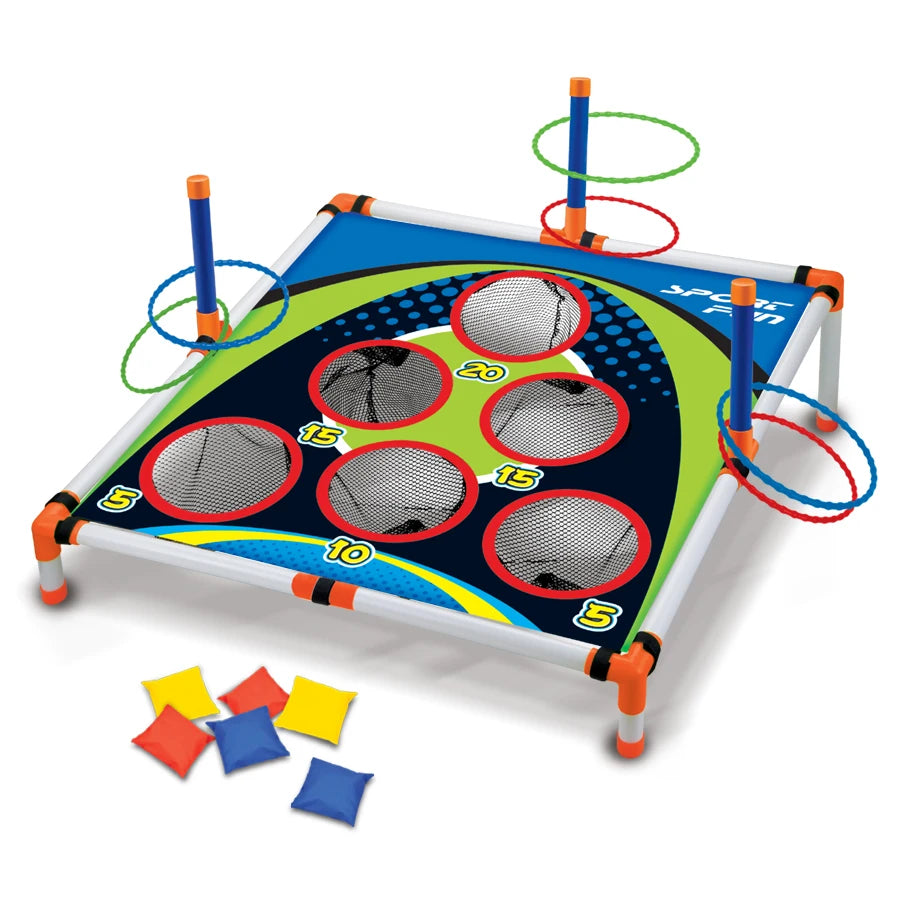
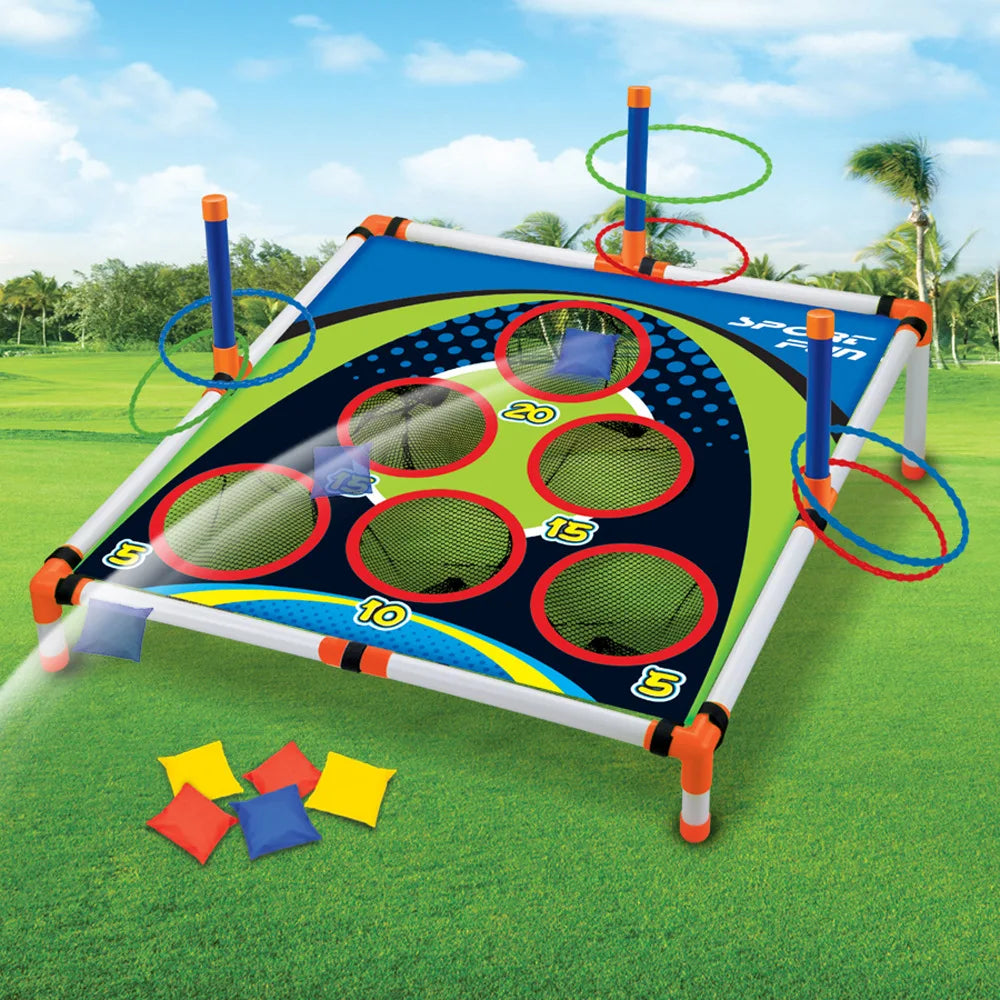
Few backyard games for families combine precision, focus, and fun like cornhole. Throwing bean bags toward a raised board challenges hand-eye coordination and timing.
Practicing regularly with a portable cornhole game helps:
- Strengthen upper-body control
- Sharpen depth perception
- Improve aim consistency
- Encourage friendly competition
👉 Learn step-by-step how to level up your backyard training
Motor skills activities + outdoor family games for adults 💡 See it in action
Why the Portable Cornhole Game Stands Out for Coordination Training
The portable cornhole game elevates coordination improvement exercises by combining precision throwing, balance control, and competitive timing in one simple setup. Unlike basic drills, it delivers measurable accuracy gains, encourages consistent practice, and adapts easily for adults and kids — making it ideal for backyard games for families.
Here’s why families prefer it over other outdoor family games for adults:
- Portable design: Easy to carry to parks, tailgates, or family gatherings.
- Durable build: Stable board surface ensures consistent throws.
- Adjustable challenge: Increase distance to raise difficulty.
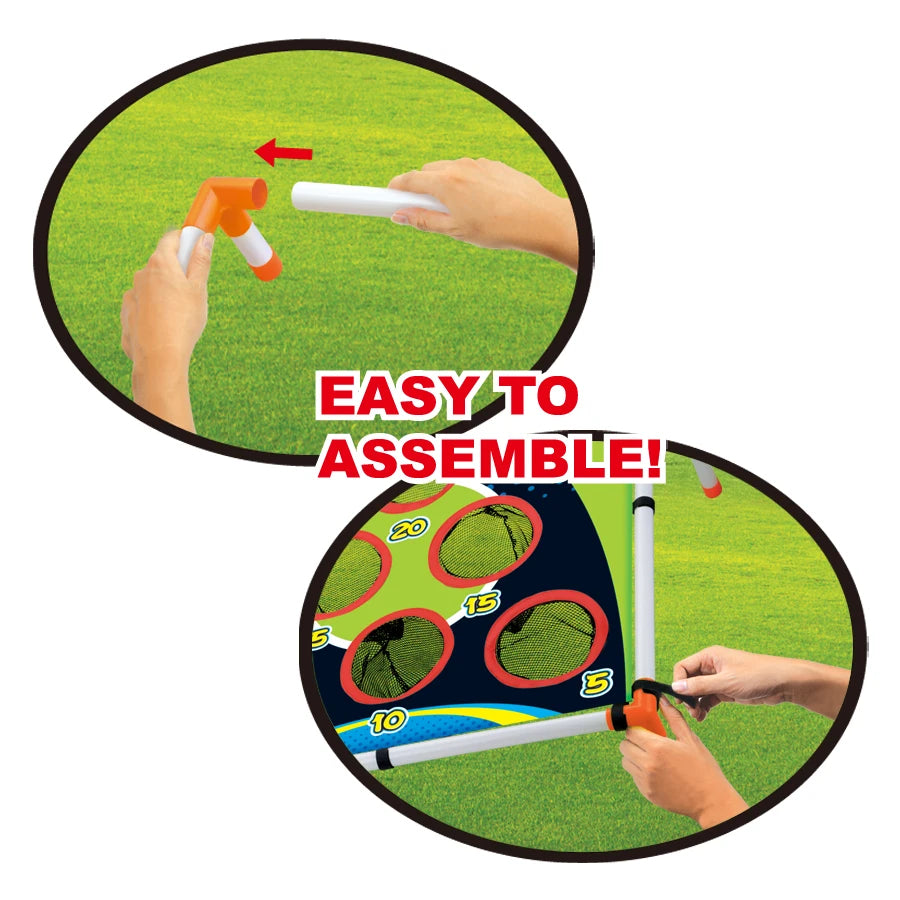
- Quick setup: Start playing within minutes.
Real feedback from families:
- “Our kids improved aim within two weeks.”
- “It’s the only backyard activity everyone joins.”
- “We track scores and see steady progress.”
Pair coordination training with balance-focused tools in Mobility & Training for even better results.
How to Build a Simple Weekly Coordination Plan
- Day 1: Agility ladder + single-leg toss (15 minutes)
- Day 2: Cornhole precision practice (20 minutes)
- Day 3: Reaction drills + balance holds
- Weekend: Family fun outdoor games tournament
Keep sessions short and consistent. Most families notice measurable coordination gains in 4–6 weeks.
For younger children, integrate sensory-based movement tools from Sensory Toys to support developing motor skills activities.
Family fun outdoor games + coordination improvement exercises 💡 See it in action
Pros and Considerations
| Pros | Considerations |
|---|---|
| Improves accuracy and focus | Requires outdoor space |
| Encourages family bonding | Weather dependent |
| Portable and easy storage | Best results with regular practice |
👉 Get yours now — limited stock!
Mini FAQ
How often should you practice coordination improvement exercises?
Three to four sessions per week, 15–20 minutes each, is enough to see noticeable improvements in balance and reaction time within a month.
Are backyard games for families effective for adults too?
Yes. Outdoor family games for adults challenge timing, precision, and agility while keeping workouts engaging and social.
Can coordination training reduce injury risk?
Improved balance and reaction time help prevent falls and awkward movements, especially during sports and fast-paced activities.
Related Guide: Motor Skills Activities: Key Features That Boost Growth





