

Baby Crawling on Hard Floor: What Every Parent Should Know
Is it safe for babies to crawl on hardwood floors?
Yes, baby crawling on hard floor can be safe when the environment is prepared correctly. Hardwood floors provide a firm surface that can help babies practice balance, coordination, and muscle control. However, slippery finishes, sharp edges, cold temperatures, and unprotected areas can create comfort and safety concerns. Good crawling safety for babies comes from combining a clean space, proper supervision, and support when needed.
Baby Crawling on Hardwood Floors: How to Create a Safer Crawling Space
⏱ 7 min read
Baby crawling on hardwood floors is a common concern for parents as little ones begin exploring independently. While hard floors may seem uncomfortable, they are not automatically unsafe. The right setup can help babies build confidence while reducing common issues like slipping, pressure points, and minor bumps.
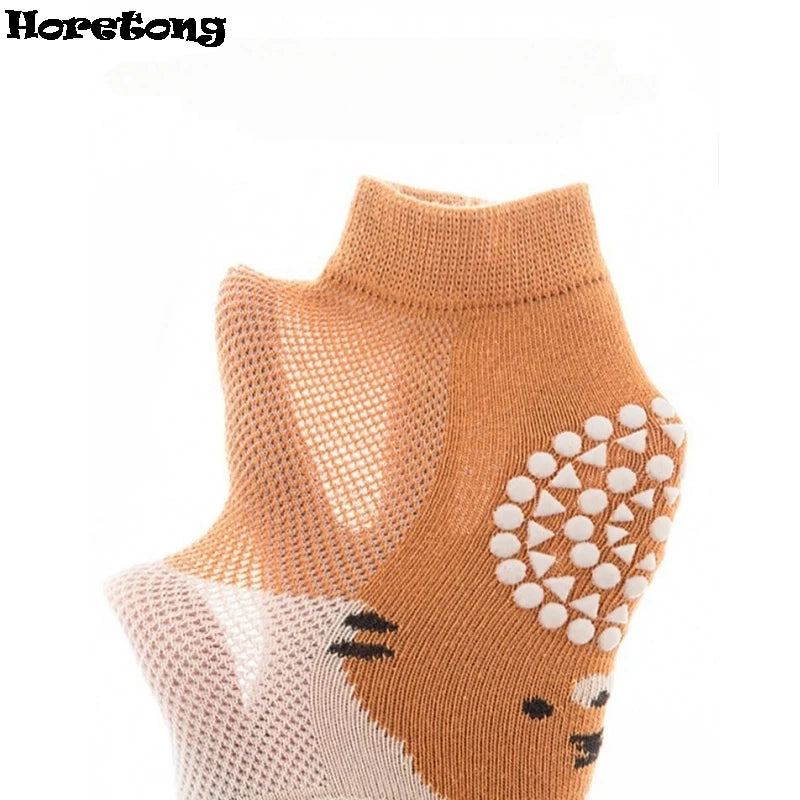
Create a safer crawling environment on hardwood floors with the right support
Baby Crawling on Hard Floor: Is It Safe?
Many parents wonder, “is hardwood floor safe for crawling?” The answer is usually yes. A firm surface can actually help babies learn how to push, balance, and coordinate their movements. The main concern is not the hardwood itself, but whether the crawling area is comfortable, clean, and free from hazards.
Every baby responds differently to floor surfaces. Age, crawling style, clothing, and confidence level all affect how comfortable a baby feels while exploring. Some babies adapt quickly to hardwood, while others may benefit from extra cushioning or traction support.
- Firm surfaces can provide stability for practicing movement
- Smooth floors may increase slipping for early crawlers
- Cold or hard areas may feel uncomfortable during longer play sessions
- Prepared spaces help babies explore with confidence
How Babies Learn to Crawl and Why Floor Surface Matters
Baby crawling development involves more than moving forward. Babies use their hands, knees, shoulders, hips, and core muscles together to develop strength, balance, and coordination.
Crawling stages from early movement to confident crawling
- Early movement: Babies begin with rolling, scooting, and pushing movements.
- Hands-and-knees crawling: Babies practice weight shifting and body control.
- Confident crawling: Babies improve speed, direction changes, and exploration skills.
How traction and stability support crawling development
A surface with enough grip allows babies to push against the floor without constantly sliding. While hardwood floors can support movement practice, extremely slippery surfaces may make learning more frustrating. A balanced setup gives babies enough stability while still allowing natural movement.
Benefits and Drawbacks of Baby Crawling on Hardwood Floors
Potential benefits of firm crawling surfaces
Hardwood floors are not automatically a problem for crawling babies. In many homes, they provide useful sensory feedback and allow babies to practice controlled movements.
- Supports pushing and weight-bearing movements
- Makes movement easier to observe and supervise
- Provides a stable surface for practicing coordination
- Is generally easy to clean and maintain
Common comfort concerns on hard floors
Although hardwood can support development, some babies may experience discomfort during longer crawling sessions.
- Pressure on knees and hands
- Cold surface temperatures
- Reduced cushioning during falls
- Less traction on polished finishes
What Causes Crawling Injuries on Hard Floors?
Crawling injuries prevention for babies starts by understanding what actually causes problems. Most crawling concerns are minor comfort issues rather than serious injuries. The main risks usually come from the environment surrounding the crawling area.
- Slipping: Smooth floors can cause sudden slides or loss of balance.
- Falls and impacts: Hard surfaces provide less cushioning during tumbles.
- Sharp edges: Furniture corners and nearby objects can create hazards.
- Unsafe areas: Stairs, small objects, and clutter increase accident risks.
Normal knee redness or brief discomfort after crawling does not always mean damage. The goal is to create a supportive environment that allows natural movement while reducing avoidable risks.
Signs Your Baby Is Uncomfortable Crawling on Hard Floors
Babies communicate discomfort through behavior. Paying attention to changes can help parents adjust the crawling environment before frustration develops.
- Avoiding certain areas of the floor
- Crying or becoming fussy after floor play
- Frequently stopping during crawling
- Red marks that remain after play
- Repeated slipping on the same surface
If your baby simply needs time to adjust, small changes like adding a play mat or improving traction may help. Persistent pain, swelling, or unusual movement should be discussed with a healthcare professional.
How to Make Hardwood Floors Safer for Crawling Step by Step
Improving hardwood floor baby safety does not require changing your entire home. A few practical adjustments can create a comfortable crawling zone.
Create a clean and hazard-free crawling zone
- Choose a dedicated play area: Select a space away from stairs, cords, and sharp furniture edges.
- Clean the floor regularly: Remove dust, crumbs, and small objects that may affect crawling.
- Add furniture protection: Use corner guards and secure unstable furniture.
Control temperature and surface comfort
- Add cushioning during longer play sessions
- Avoid very cold floor areas when possible
- Use breathable clothing that allows movement
Use safe crawling support when needed
Supportive products are not required for every baby, but they can improve comfort in certain situations. Many parents explore options from Baby Care Essentials or Health & Safety when creating a safer home environment.
Best Crawling Gear and Floor Support Options for Hard Floors
The best baby crawling gear ideas for hardwood floors depend on your baby's comfort, movement style, and home layout. Support products should improve comfort without limiting natural exploration.
Baby play mats and cushioned crawling areas
A quality play mat creates a softer zone for practicing crawling, sitting, and playing. Look for options with:
- Non-slip backing
- Easy-clean materials
- Enough space for movement
- Comfortable cushioning without excessive softness
Baby clothing and knee protection options
For babies who crawl frequently on uncovered floors, soft knee protection can reduce friction and improve comfort.
Many parents choose baby knee pad socks as a simple option for protecting sensitive skin while allowing flexible movement. Pairing these with items from Mobility & Training can support active exploration.
When crawling gear is helpful
- When floors are slippery
- When babies crawl for long periods
- When clothing does not provide enough coverage
- When babies show signs of surface discomfort
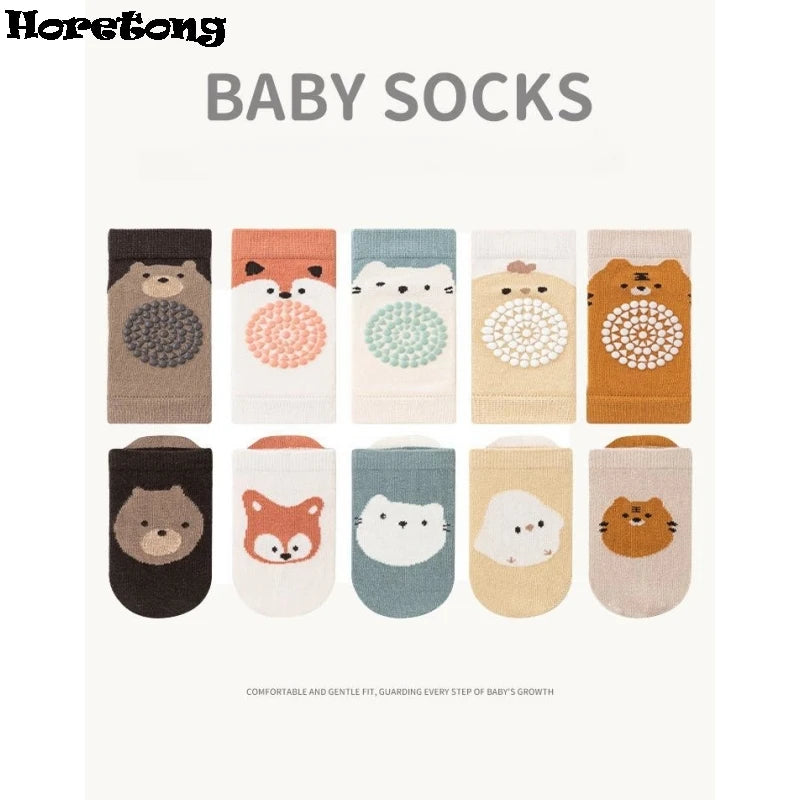
Support safer crawling with comfortable floor protection options
Why Knee Protection Matters During Crawling
Baby knee protection crawling can be useful, but knee redness does not always mean injury. Crawling naturally places pressure on knees because babies are learning to support their body weight and move efficiently.
Knee protection may help reduce friction and improve comfort, especially on hardwood floors or during longer crawling periods.
- Helps reduce rubbing on sensitive skin
- Adds a soft layer between knees and flooring
- Supports comfortable exploration
- Allows babies to crawl beyond padded areas
Hard Floor vs Carpet vs Play Mat: Which Surface Is Best for Crawling?
There is no single perfect crawling surface for every baby. The best option depends on your home's needs, cleanliness preferences, and your baby's comfort.
| Surface | Benefits | Considerations |
|---|---|---|
| Hardwood floor | Stable, easy to clean, supports movement practice | Less cushioning and can be slippery |
| Carpet | Soft and warm with added comfort | Can collect dust and provide less consistent traction |
| Baby play mat | Cushioned, portable, designed for floor play | Requires cleaning and proper placement |
Crawling Safety Tips Every Parent Should Follow
Good crawling safety for babies combines floor preparation with daily supervision.
- Keep small objects and choking hazards out of reach
- Block access to stairs and unsafe areas
- Secure furniture that could tip over
- Keep cords and sharp objects away from crawling zones
- Supervise active exploration, especially in new areas
- Check floors regularly for hazards
Quick FAQ
Is it safe for babies to crawl on hardwood floors?
Yes. Baby crawling on hardwood floors is generally safe when the area is clean, supervised, and free from hazards. Adding cushioning or traction support can improve comfort for some babies.
Do babies need knee pads for crawling on hard floors?
No. Babies do not always need knee pads, but they can be helpful when crawling causes friction, discomfort, or frequent exposure to hard surfaces.
Are hard floors bad for baby knees?
Hard floors are not automatically harmful to baby knees. Crawling naturally involves pressure on knees, and most babies adapt well when the environment supports comfortable movement.
How can I make hardwood floors safer for my crawling baby?
Create a clear crawling zone, remove hazards, improve traction, use a suitable play mat when needed, and provide supportive gear if your baby shows discomfort.
What surface is best for babies learning to crawl?
The best crawling surface provides a balance of stability, comfort, and safety. Hardwood, carpet, and play mats can all work depending on your baby's needs and your home environment.
Related Guide: Prevent Baby Slipping Indoors Step by Step Safety Guide





