

Creating Indoor Play Spaces That Work in Any Home
What are indoor play spaces and do they really work?
Creating indoor play spaces helps children play, learn, and move safely at home by using flexible zones, smart storage, and adaptable layouts. Even small homes can support creativity and calm. With thoughtful setup, indoor play reduces clutter, boosts independent play, and supports pretend play for 5 year olds.
Creating Indoor Play Spaces That Work in Any Home
⏱ 7 min read
Creating indoor play spaces doesn’t require a large home, extra rooms, or expensive furniture. Many parents worry about mess, safety, and wasted space, especially in apartments or shared living areas. The good news? With simple zones, flexible furniture, and thoughtful design, your home can support movement, imagination, and calm—without chaos.
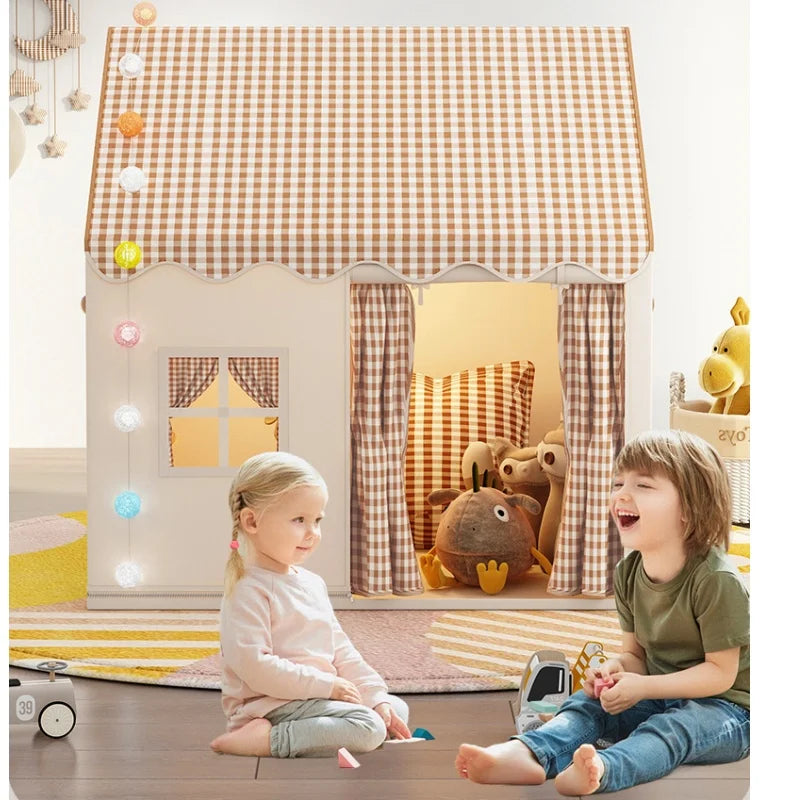
Creating indoor play spaces that support imagination and calm 💡 See it in action
Why Indoor Play Spaces Matter for Kids
Children don’t just play to pass time. Play builds confidence, problem-solving skills, emotional regulation, and physical coordination. When kids have a defined place to play indoors, they feel more independent and focused.
- Clear play zones reduce overstimulation
- Predictable spaces encourage longer, deeper play
- Parents spend less time tidying scattered toys
- Kids feel ownership over their activities
Many families notice calmer evenings and fewer power struggles once play has a “home.” Supporting development through play is also easier when tools are within reach, especially with thoughtfully chosen items from Baby Growth & Learning.
How to Create Indoor Play Spaces That Truly Work
Creating indoor play spaces works best when you focus on function first, not perfection. The goal is flexibility, safety, and easy cleanup—no matter your home size.
- Choose a visible area: Kids play longer when they feel connected to the family.
- Define the zone: Rugs, shelves, or tents help mark play boundaries.
- Limit choices: Fewer toys encourage deeper engagement.
- Use vertical storage: Bins and shelves save floor space.
Soft, portable structures like a kids play tent instantly define a play area while folding away easily when not in use.
Smart Solutions for Small Homes and Shared Rooms
Small homes don’t mean small play opportunities. Many families successfully create play zones in living rooms, bedrooms, or even hallways.
- Use storage ottomans that double as seating
- Rotate toys weekly to reduce clutter
- Choose foldable or pop-up play structures
- Keep sensory items in labeled bins
Parents living in apartments often rely on compact items from Sensory Toys collections to support creativity without overwhelming space.
Playroom Ideas Basement Families Love
Basements offer extra room but often feel cold or unfinished. The right setup turns them into inviting play spaces.
- Layer foam mats or rugs for warmth
- Add portable lighting for cozy corners
- Create zones for reading, building, and pretend play
Many parents start with one anchor item—like a themed tent or imaginative corner—then build outward. This approach works well for evolving interests and keeps budgets under control.
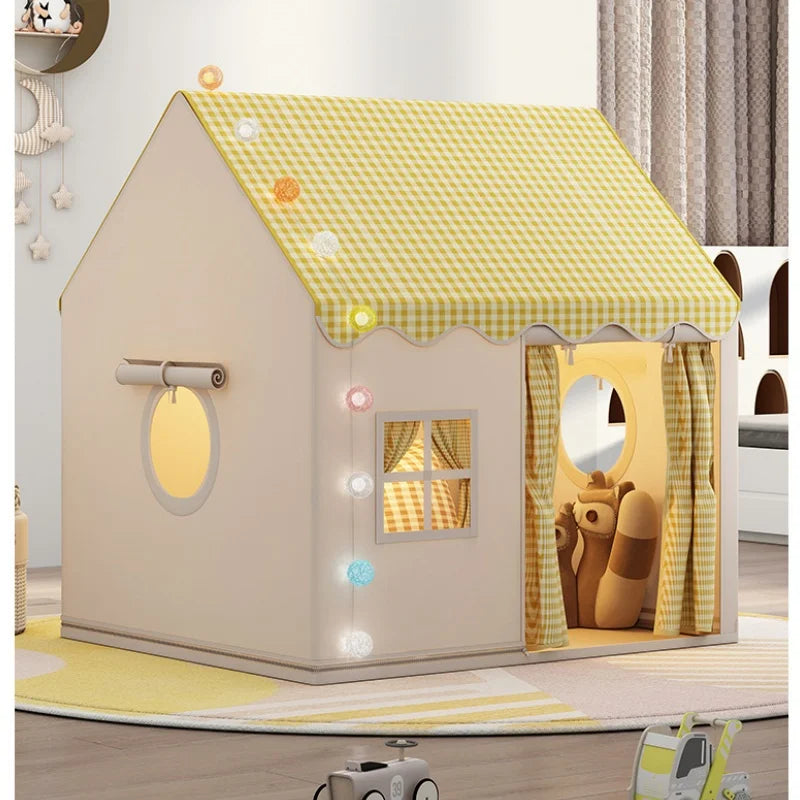
Playroom ideas basement families trust for flexible fun 💡 See it in action
Pretend Play for 5 Year Olds Made Easy
Pretend play for 5 year olds supports storytelling, empathy, and early problem-solving. Kids at this age thrive when they have props and spaces that spark imagination.
- Dress-up corners encourage role play
- Tents become castles, shops, or reading nooks
- Simple props inspire hours of creative scenarios
Parents often notice longer independent play when kids have a dedicated pretend area. Pairing imaginative spaces with calming routines from Sleep & Comfort helps balance energy throughout the day.
Safety and Comfort Essentials
Safety is non-negotiable when creating indoor play spaces. Soft surfaces, stable furniture, and clear walkways protect kids during active play.
- Anchor shelves to walls
- Choose non-slip mats
- Keep small items stored high
Many families combine play setups with essentials from Health & Safety to ensure peace of mind while kids explore.
What Real Parents Notice After Setting Up Play Spaces
Parents consistently report less mess, calmer routines, and more independent play. One mom shared that her child now spends 30–45 minutes playing independently each afternoon, giving the family breathing room.
Another family noticed smoother transitions to bedtime once play had a clear ending space, paired with soothing routines from Massage & Relaxation.
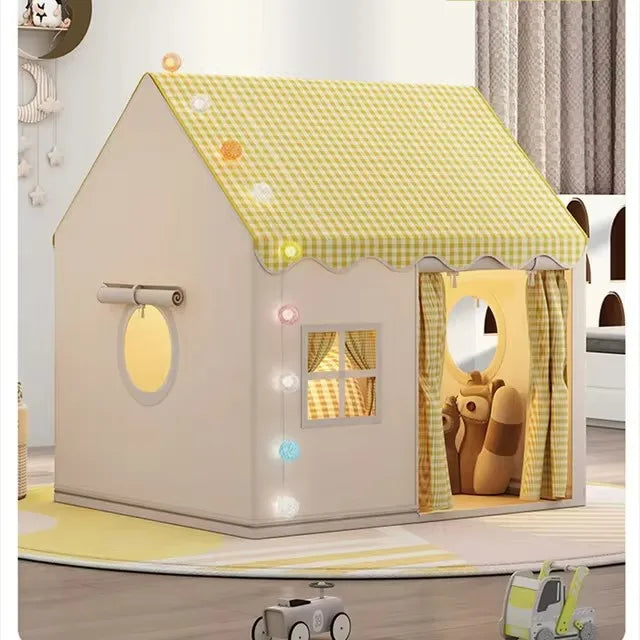
Pretend play for 5 year olds that fits real homes 💡 See it in action
Frequently Asked Questions
How much space do I need to create an indoor play area?
As little as a few square feet can work. Defined zones matter more than size. Portable items and vertical storage help maximize even the smallest spaces.
Can indoor play spaces work in shared family rooms?
Yes. Using foldable tents, baskets, and rugs allows play areas to blend into shared spaces and be packed away quickly.
What toys work best for long-term indoor play?
Open-ended toys, pretend play props, and sensory items grow with children and encourage repeated use over time.
Related Guide: How to Encourage Imaginative Play Indoors Without Screens





