

Creative Play 3: How to Inspire Imaginative Learning at Home
Does creative play 3 really help children learn at home?
Creative play 3 helps children learn at home by turning everyday play into meaningful skill-building moments. Through open-ended exploration, music, movement, and pretend play, creative play 3 strengthens imagination, problem-solving, and confidence while supporting toys for early childhood development in a natural, stress-free way.
Creative Play 3: How to Inspire Imaginative Learning at Home
⏱ 7 min read
Creative play 3 is more than keeping kids busy—it’s about helping them grow, think, and express themselves through joyful exploration. Many parents worry about screen time, short attention spans, or not knowing how to “teach” at home. The good news? With the right approach and early childhood educational toys, learning can happen naturally through play.
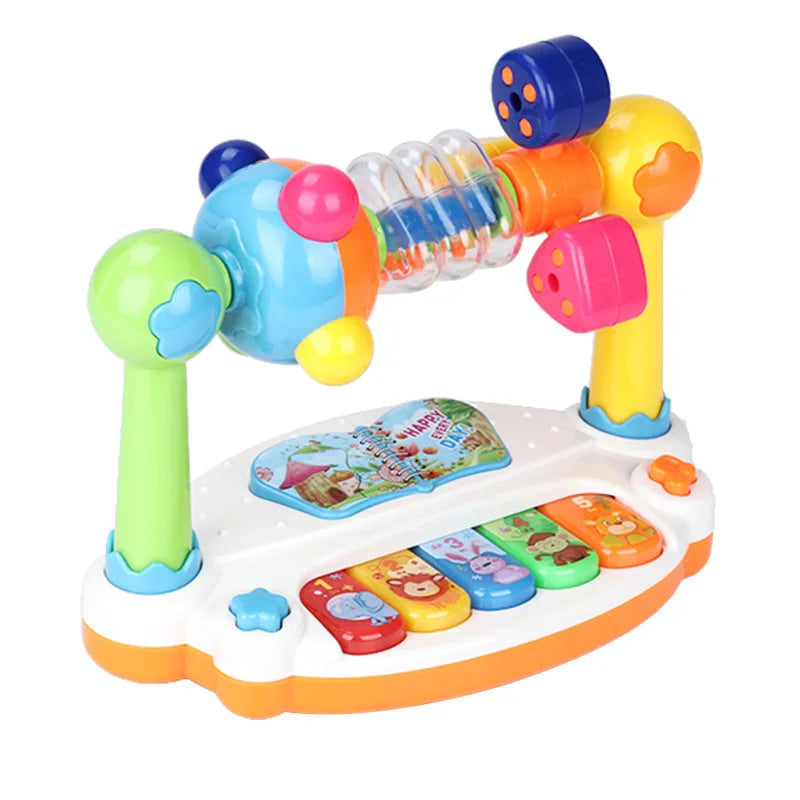
Creative play 3 with early childhood educational toys encourages imaginative learning at home 💡 See it in action
What Is Creative Play 3?
Creative play 3 is a learning approach that blends imagination, sensory exploration, and hands-on interaction. It encourages children to create, experiment, and express ideas rather than follow strict rules.
In practice, creative play 3 often includes:
- Music, rhythm, and sound exploration
- Pretend play and storytelling
- Hands-on problem solving
- Open-ended toys that grow with your child
Why Imaginative Play Matters for Preschoolers
Creative play activities for preschoolers build more than academic skills. They support emotional growth, social confidence, and resilience.
When children engage in imaginative play, they learn to:
- Express emotions safely
- Practice communication
- Develop fine and gross motor skills
- Build early problem-solving abilities
Parents exploring Baby Growth & Learning solutions often notice children stay engaged longer when play feels joyful rather than instructional.
Common At-Home Learning Challenges Parents Face
Many parents want to support learning but feel overwhelmed. Common frustrations include:
- Children losing interest quickly
- Messy play that feels hard to manage
- Uncertainty about age-appropriate activities
- Too many toys, but not enough meaningful play
Creative play 3 addresses these issues by focusing on quality experiences instead of complicated setups.
How to Use Creative Play 3 at Home: Step-by-Step
Creative play 3 works best when it fits naturally into your daily routine.
- Set up a safe play space: Choose a clutter-free area where your child can explore freely.
- Offer one or two open-ended toys: Too many options can overwhelm young children.
- Follow your child’s lead: Let them decide how to play instead of correcting them.
- Talk and interact: Ask simple questions and describe what they’re doing.
- Rotate toys weekly: This keeps interest high without buying more.
Choosing the Right Toys for Early Childhood Development
The best toys for early childhood development support creativity rather than dictate play.
Look for toys that:
- Encourage multiple ways to play
- Use sound, color, or movement
- Grow with your child’s skills
- Feel sturdy and safe for daily use
Collections like Sensory Toys and Mobility & Training naturally complement creative play 3 by engaging multiple senses.
Why Parents Love Simple, Musical Toys
Music-based toys are especially effective for creative play activities for preschoolers. They combine rhythm, cause-and-effect learning, and emotional expression.
One popular option is the baby piano toy keyboard, which allows children to explore sound freely while building coordination and confidence.
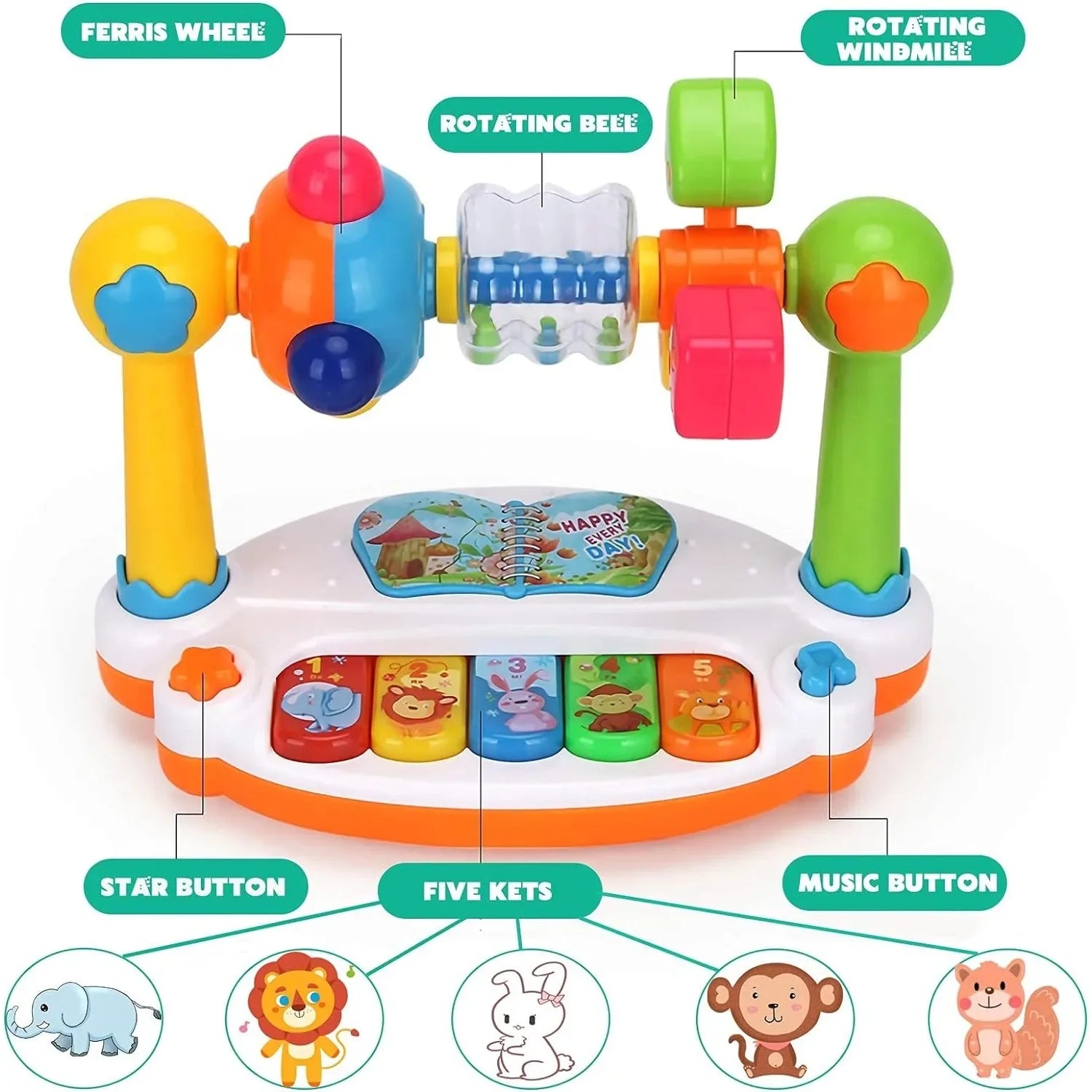
Creative play activities for preschoolers using toys for early childhood development 🎶 See it in action
How Music-Based Toys Boost Creative Play
Music helps children express feelings they can’t yet put into words. With creative play 3, sound-based toys support:
- Listening and memory skills
- Hand-eye coordination
- Emotional regulation
- Imaginative storytelling through sound
Parents often report calmer play sessions and longer focus when music is part of the routine.
Real-Life Creative Play Activities for Preschoolers
Here are easy activities you can try today:
- Sound stories: Use a piano or sound toy to match music with a made-up story.
- Color and music time: Play soft music while drawing freely.
- Movement play: Encourage dancing or marching to rhythms.
- Pretend concerts: Let your child “perform” for family members.
These activities pair well with supportive home environments focused on comfort and safety, such as Sleep & Comfort routines that help children recharge between play sessions.
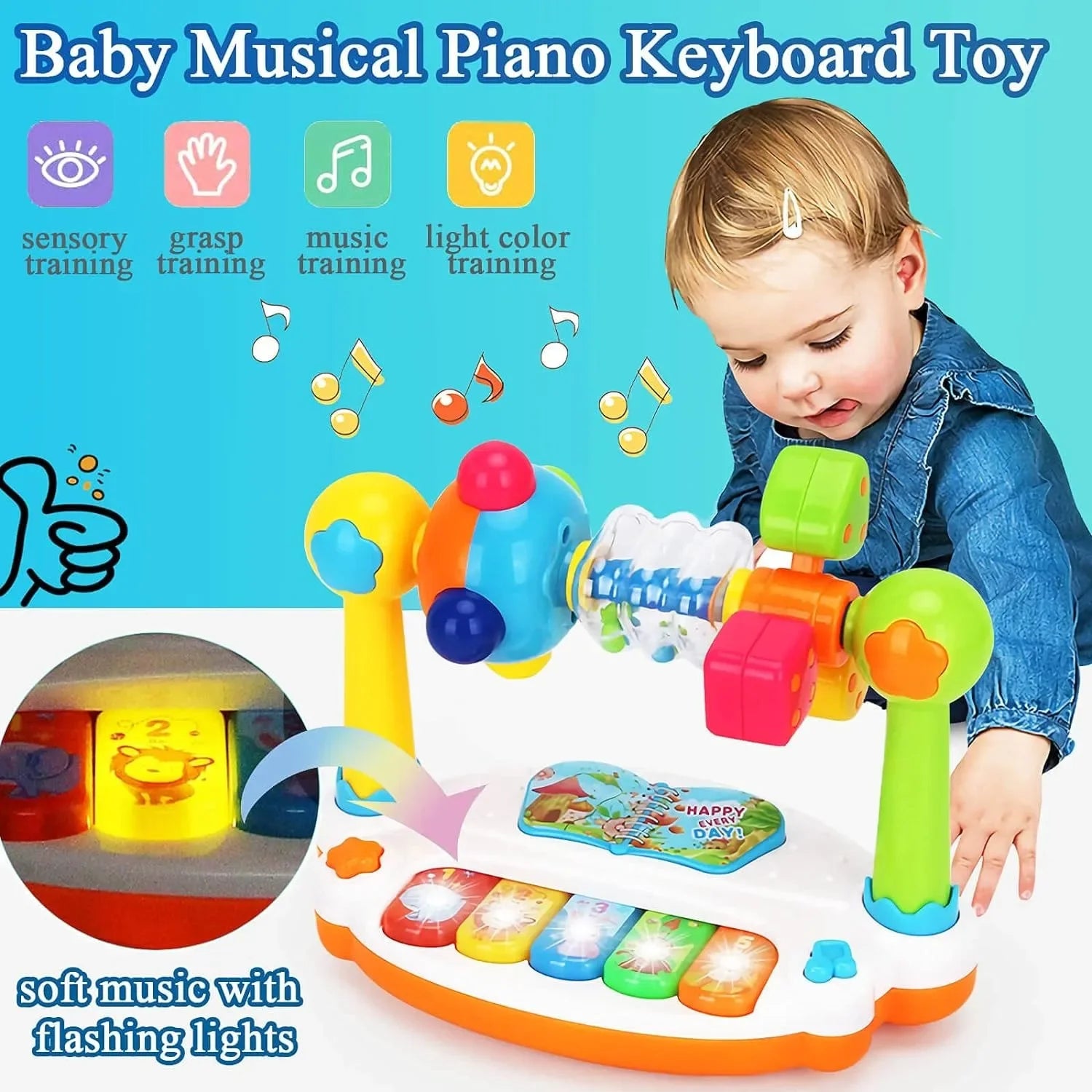
Imaginative learning through creative play 3 at home 💡 See it in action
FAQs About Creative Play 3
Is creative play 3 suitable for all preschool ages?
Yes. Creative play 3 adapts easily to different ages by adjusting toy complexity and interaction levels.
How much time should children spend on creative play?
Short, daily sessions of 20–40 minutes are often more effective than long, structured activities.
Do I need many toys to support creative play 3?
No. A few thoughtfully chosen early childhood educational toys are usually enough to inspire meaningful play.
Related Guide: How to Improve Fine Motor Skills in Young Children





