

Difficulty Learning Math: Toys Designed for Gentle Progress
Does difficulty learning math mean a child is falling behind?
Difficulty learning math does not mean a child lacks ability. It often signals that abstract methods are being introduced before the child is ready. With hands on learning math tools that support early childhood math concepts, children can understand numbers through touch and play, making developing math skills in early childhood calmer, clearer, and more confident.
⏱ 6 min read
Difficulty Learning Math: Toys Designed for Gentle Progress
If your child freezes when numbers appear, avoids counting games, or gets frustrated with simple math tasks, you’re not alone. Many parents worry that difficulty learning math means something is wrong. In reality, it often means the learning style doesn’t match the child’s developmental needs. The right toys can transform math from pressure-filled to playful—and progress can follow naturally.
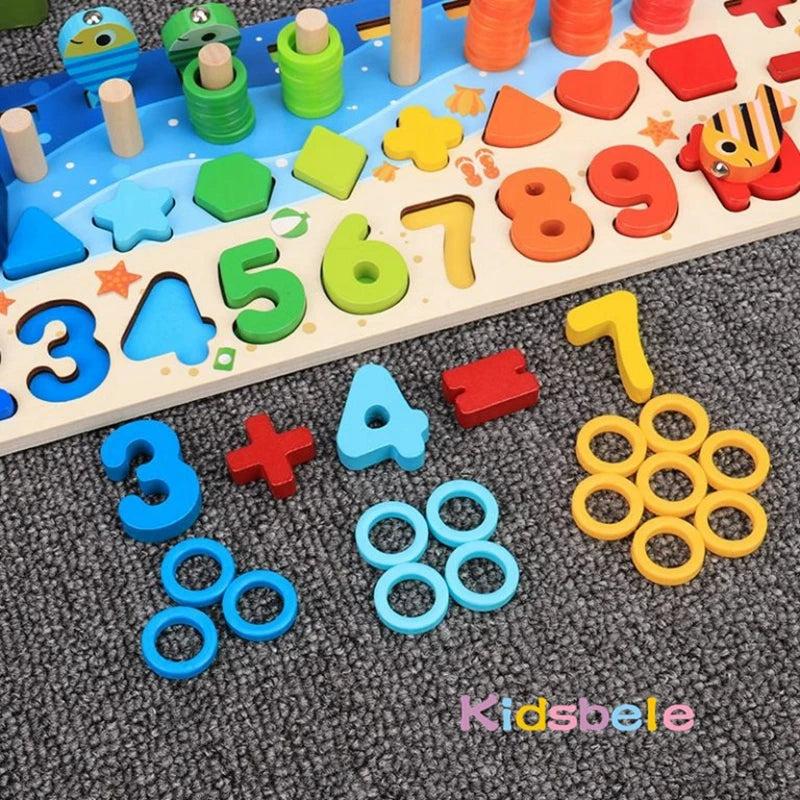
Hands on learning math helps children explore numbers with confidence — 💡 See it in action
Wondering which learning tools actually reduce frustration instead of adding pressure? Keep reading to see how gentle, play-based toys can change everything.
Why Math Feels Hard for Some Children
Difficulty learning math often shows up early. Some children struggle not because math is too advanced, but because it’s presented too abstractly. Worksheets, memorization, and verbal explanations can overwhelm developing brains that need concrete experiences.
- Numbers feel invisible and confusing
- Mistakes feel like failure instead of learning
- Short attention spans make drills exhausting
- Confidence drops quickly after repeated frustration
For many families exploring Baby Growth & Learning, the goal isn’t faster progress—it’s calmer progress.
How Gentle Play Supports Math Growth
Difficulty learning math improves when learning slows down. Toys designed for gentle progress focus on exploration, not performance. Children manipulate objects, see cause and effect, and build understanding at their own pace.
Instead of asking a child to “solve,” these tools invite them to:
- Match quantities visually
- Count with physical feedback
- Self-correct without pressure
- Repeat play naturally
This approach aligns naturally with learning through play, especially when paired with tools found in Sensory Toys that engage multiple senses.
Why Hands On Learning Math Works Better
Hands on learning math activates more areas of the brain than passive instruction. When children touch, move, and arrange pieces, they create stronger mental connections between numbers and meaning.
Hands-on tools help by:
- Turning numbers into objects children can see and feel
- Reducing language barriers for visual learners
- Allowing repetition without boredom
- Building confidence through independent discovery
Many caregivers notice improvements when math play is integrated into everyday routines, especially alongside items from Mobility & Training that encourage active engagement.
Building Early Childhood Math Concepts Without Stress
Early childhood math concepts don’t need to be rushed. Counting, sorting, sequencing, and comparing can all be learned through play-based interaction.
Gentle toys support:
- Number recognition
- One-to-one correspondence
- Basic addition and subtraction concepts
- Pattern awareness
When these ideas are introduced through physical play, developing math skills in early childhood feels natural instead of forced.
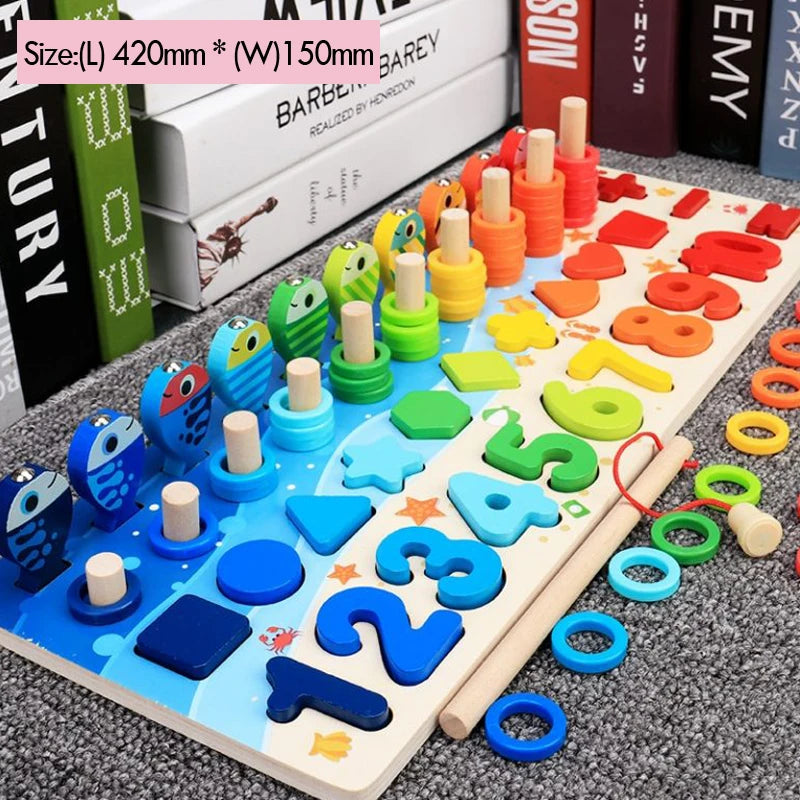
Early childhood math concepts become clearer through touch and play — 💡 See it in action
Choosing the Right Math Toy for Your Child
Not all math toys support children with difficulty learning math. The best options are simple, tactile, and allow self-paced exploration.
Look for toys that:
- Use physical pieces instead of screens
- Encourage sorting, counting, and matching
- Allow mistakes without negative feedback
- Grow with your child’s skill level
One example is a wooden puzzle-style math toy that introduces numbers gradually through placement and repetition. You can explore a thoughtfully designed option here: Montessori Math Toy Wooden Puzzle.
Parents browsing Baby Growth & Learning Tips often look for tools that feel supportive rather than instructional.
What Parents Notice After Switching to Play-Based Tools
Parents frequently report that after introducing hands on learning math toys, their children:
- Approach numbers with curiosity instead of avoidance
- Spend longer periods engaged without prompting
- Correct mistakes independently
- Show improved confidence in other learning areas
One parent shared that their child, previously resistant to counting, began initiating number games during free play. Another noticed fewer emotional meltdowns during learning time.
These shifts often happen when learning feels safe—similar to how calming routines supported by Sleep & Comfort products help children feel secure enough to grow.
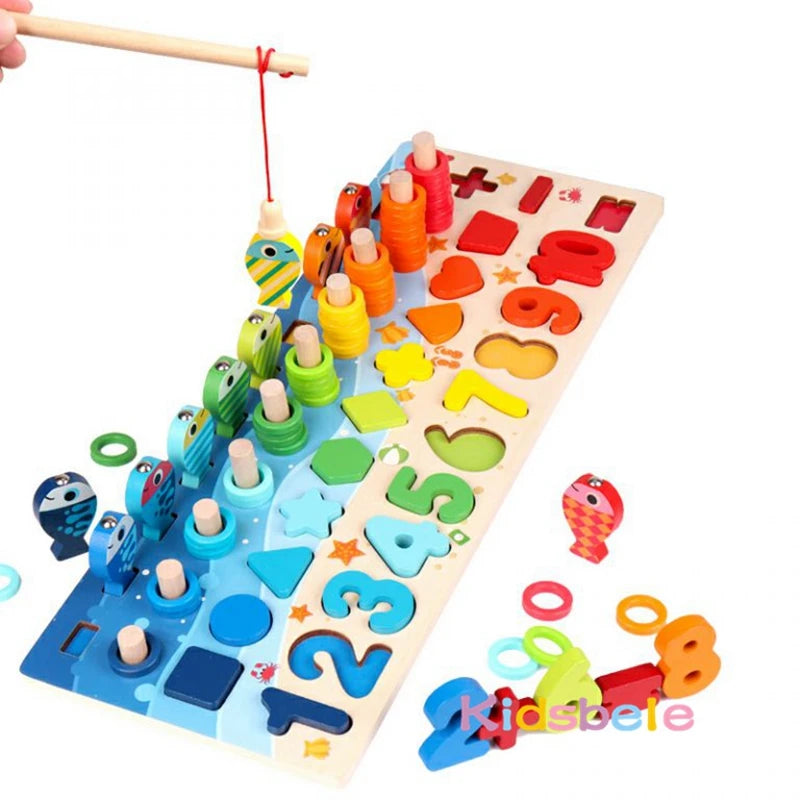
Developing math skills in early childhood through calm, guided play — 💡 See it in action
Mini FAQ
Is difficulty learning math a sign of a learning problem?
Not necessarily. Many children struggle when math is taught abstractly. With hands on learning math tools, concepts become concrete and easier to understand.
At what age should math toys be introduced?
Simple math toys can be introduced during early childhood as soon as children begin recognizing shapes, quantities, and patterns.
How long does it take to see improvement?
Every child is different, but many parents notice reduced frustration and increased engagement within weeks of consistent, pressure-free play.
Can these toys replace traditional learning?
They work best as a foundation. Gentle play builds understanding that later supports more structured learning with less stress.
Related Guide: Early Childhood Education Toy for Different Learning Needs





