

How Do Swim Caps Help Protect Your Hair in the Pool?
Do swim caps protect hair?
Yes, swim caps protect hair by reducing direct contact with chlorinated water, limiting moisture loss, minimizing friction, and helping prevent surface damage. While no swim cap is completely waterproof, a properly fitted cap—especially one made from silicone—can significantly reduce chlorine exposure and lower the risk of dryness, breakage, tangles, and other chlorine damaged hair symptoms over time.
Do Swim Caps Protect Hair? Real Results Across Cap Types
⏱ 8 min read
If you've ever wondered
do swim caps protect hair
or if they're only designed to make swimmers faster, you're not alone. The truth is that swim caps offer meaningful protection when used correctly—but they aren't magic. Here's what they can realistically do, which materials work best, and how to protect your hair before, during, and after every swim.
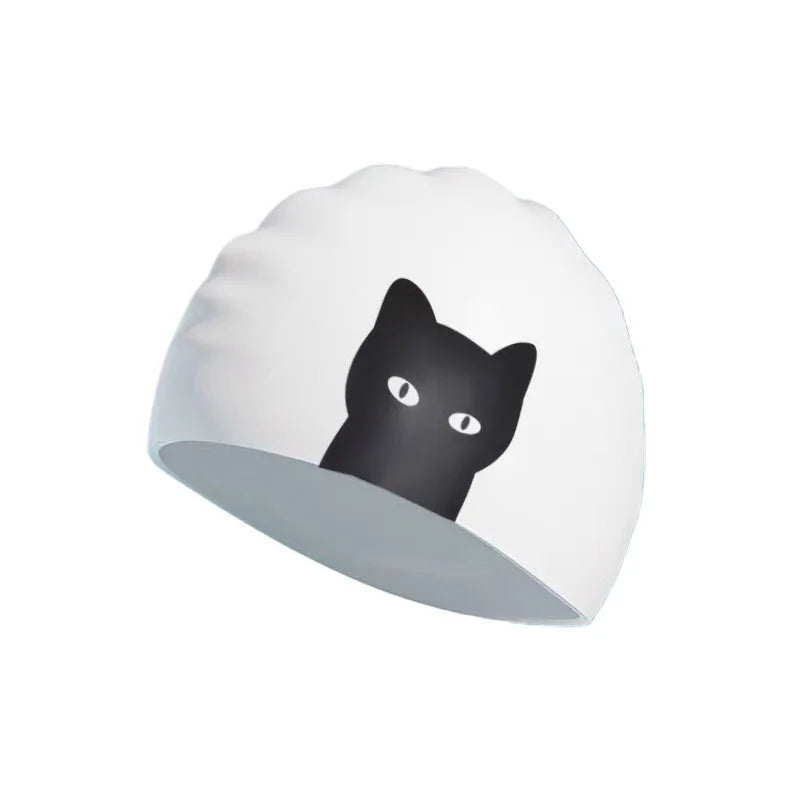
Reducing pool chlorine hair damage starts with the right fit — See it in action
How Do Swim Caps Help Protect Your Hair in the Pool?
Do swim caps protect hair? Yes—but they work by reducing exposure rather than sealing water out completely. A swim cap creates a protective barrier between your hair and pool water, helping reduce the amount of chlorine that reaches the hair shaft while also limiting friction caused by repeated swimming movements.
When fitted correctly, a swim cap can:
- Reduce direct contact with chlorinated water.
- Help preserve your hair's natural moisture.
- Reduce tangles and breakage caused by rubbing against the water.
- Protect color-treated or chemically processed hair from excessive fading.
- Keep long hair contained for greater comfort while swimming.
It's important to set realistic expectations: even the best swim cap isn't completely waterproof. Small amounts of water typically enter around the edges, especially during dives or long swim sessions.
Why Pool Chlorine Can Damage Your Hair
How chlorine affects the hair cuticle
Pool chlorine disinfects water by breaking down bacteria and organic material, but it can also strip away the natural oils that protect your hair. As moisture is lost, the outer cuticle becomes rougher and more porous, making strands feel dry and more susceptible to breakage.
If you've wondered, will chlorine damage my hair? The answer is yes—especially with repeated exposure over weeks or months.
Common chlorine damaged hair symptoms
- Dry, brittle strands
- Frizzy or rough texture
- Increased split ends
- Color fading in dyed hair
- Hair that's harder to brush and more prone to tangling
- Occasional scalp dryness or irritation
How Swim Caps Actually Reduce Chlorine Exposure
What swim caps can protect against
A swim cap helps protect hair from chlorine by reducing the volume of chlorinated water that reaches your hair during swimming. It also limits constant movement between hair strands, reducing friction and knotting.
This makes a swim cap especially useful for:
- Frequent lap swimmers
- Children attending swim lessons
- People with long or curly hair
- Anyone with color-treated or chemically treated hair
What swim caps cannot protect against
No swim cap can completely seal out water. Small leaks around the forehead, ears, or neck are normal, particularly during vigorous swimming. A swim cap should be viewed as one part of a complete hair-care routine rather than a standalone solution.
Which Swim Cap Material Protects Hair Best?
| Cap Material | Water Resistance | Comfort | Hair Protection | Best For |
|---|---|---|---|---|
| Silicone | High | Soft and stretchy | Excellent | Frequent swimmers, long hair, color-treated hair |
| Latex | Moderate | Lightweight but tighter fit | Good | Competitive swimmers and short sessions |
| Lycra/Fabric | Low | Very comfortable | Limited | Comfort, aqua fitness, casual swimming |
| Neoprene | Moderate | Insulating | Good | Cold-water and open-water swimming |
For most swimmers asking does a swim cap protect hair , silicone remains the best overall choice thanks to its combination of comfort, durability, and reduced water penetration.
Choosing the Right Swim Cap for Your Hair Type
Long hair
Choose an XL or long-hair silicone cap with extra internal space to comfortably accommodate buns, ponytails, or braids without excessive stretching.
Curly hair
Curly hair benefits from larger silicone caps that reduce compression and help minimize tangles after swimming.
Color-treated hair
If your hair is dyed or chemically processed, prioritize maximum chlorine protection by pairing a snug silicone cap with pre-swim conditioning.
Children's hair
Soft silicone caps designed for children are easier to put on, more comfortable during lessons, and help reduce chlorine exposure without excessive pulling.
Many swimmers pair long hair caps with pre-swim conditioning routines found in Beauty & Wellness collections to further reduce damage.
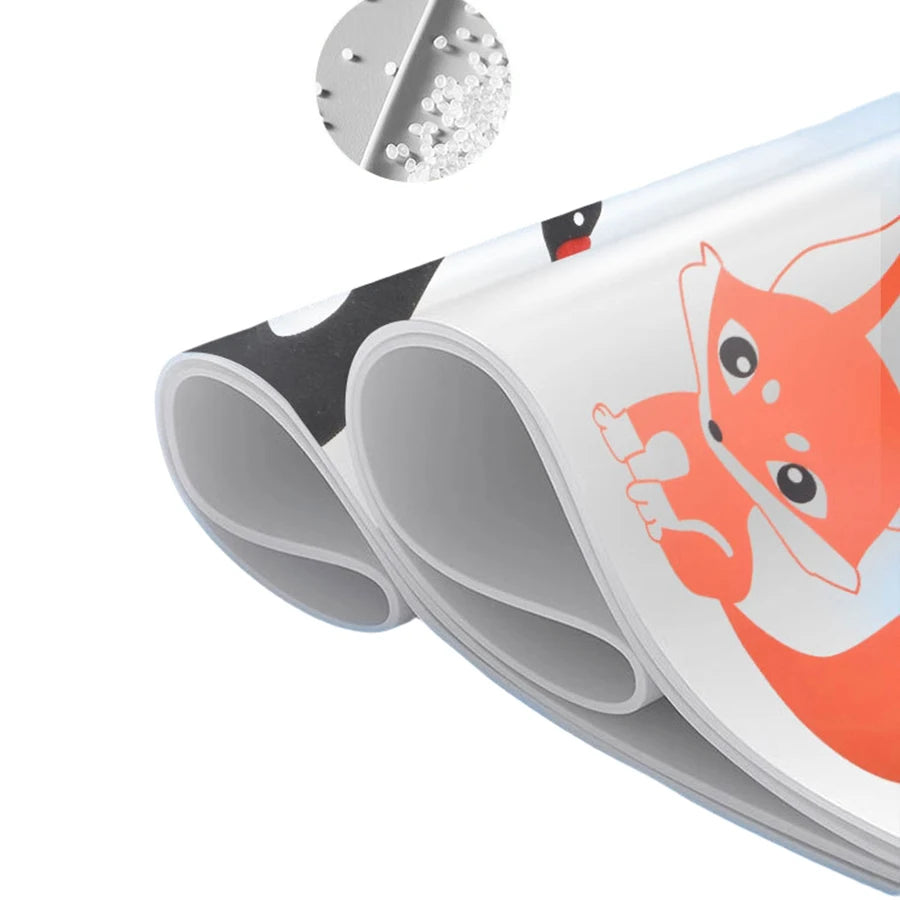
XL swim caps help reduce chlorine damaged hair symptoms — See it in action
How to Protect Your Hair Before, During, and After Swimming
Before entering the pool
- Rinse your hair thoroughly with clean water.
- Apply a leave-in conditioner or protective hair serum.
- Secure long hair in a braid or low bun before putting on your cap.
While swimming
- Wear a properly fitted silicone swim cap.
- Adjust the edges to reduce gaps without making the cap uncomfortable.
- Avoid repeatedly removing and replacing the cap during your swim.
After swimming
- Rinse your hair immediately after leaving the pool.
- Wash with a gentle swimmer's shampoo if needed.
- Use a moisturizing conditioner to restore hydration.
- Allow hair to dry naturally whenever possible.
These habits pair well with gentle routines commonly recommended in Health & Safety and Mom Essentials product paths.
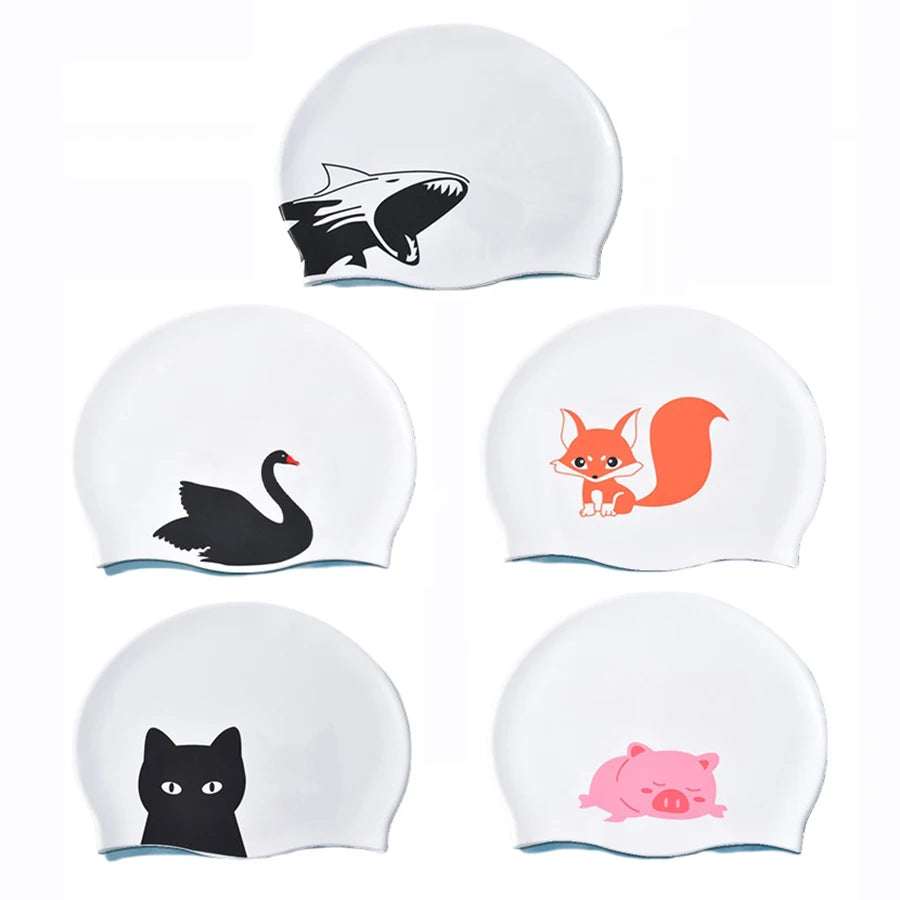
Consistent pre- and post-swim care helps maximize hair protection — See it in action
Common Mistakes That Reduce Swim Cap Protection
- Putting a cap on completely dry hair instead of pre-wetting it.
- Using a cap that's too small, creating gaps where water enters.
- Continuing to use stretched or damaged caps that no longer seal properly.
- Skipping post-swim rinsing and conditioning.
- Choosing a fabric cap when chlorine protection is your main goal.
A few small changes in your routine often make a much bigger difference than simply buying a more expensive swim cap.
Benefits of Swim Caps Beyond Hair Protection
Besides helping protect hair from chlorine, swim caps offer several practical advantages:
- Reduce drag for smoother swimming.
- Keep long hair away from the face.
- Reduce tangling around goggles and straps.
- Help maintain cleaner pool filtration systems by containing loose hair.
- Improve comfort during long swim sessions.
Frequently Asked Questions
How do swim caps help protect your hair in the pool?
Swim caps reduce direct contact with chlorinated water, decrease friction between hair strands, and help preserve moisture. While they don't keep hair completely dry, they significantly reduce overall chlorine exposure.
Do swim caps protect hair from chlorine?
Yes. Swim caps help protect hair from chlorine by limiting water exposure, although no cap can completely prevent chlorinated water from reaching your hair.
Do swimming caps keep hair completely dry?
No. Even high-quality silicone swim caps allow some water inside around the edges. Their primary purpose is reducing exposure, not creating a waterproof seal.
Which swim cap material is best for protecting hair?
Silicone swim caps generally provide the best balance of water resistance, comfort, durability, and protection for most swimmers.
Can swim caps prevent chlorine damaged hair symptoms?
They help reduce the risk, especially when combined with rinsing your hair before swimming, using conditioner, and washing your hair soon after leaving the pool.
Should you wet your hair before wearing a swim cap?
Yes. Saturating your hair with clean water before swimming reduces the amount of chlorinated pool water your hair absorbs.
What benefits do swim caps offer besides hair protection?
Swim caps reduce drag, improve comfort, keep hair contained, minimize tangles, and help maintain better pool hygiene by reducing loose hair in the water.
Related Guide: Latex Swim Cap vs Silicone: Comfort, Fit, and Durability Compared





