

Early Childhood Mathematics Explained Through Toy Design
Does early childhood mathematics really develop through toy design?
Early childhood mathematics develops most effectively when toys translate abstract ideas into physical action. Thoughtfully designed toys embed early childhood math concepts like counting, sorting, and spatial reasoning into play. By handling objects, children naturally understand number concepts in early childhood and strengthen problem-solving while developing math skills in early childhood.
Early Childhood Mathematics Explained Through Toy Design
⏱ 6 min read
Parents often wonder whether toys truly teach or simply entertain. Early childhood mathematics may feel complex, but the right toy design quietly turns everyday play into powerful learning moments—without pressure, screens, or worksheets.
Which toys are actually helping your child think? The answer may surprise you—many of the most effective learning tools don’t look academic at all.
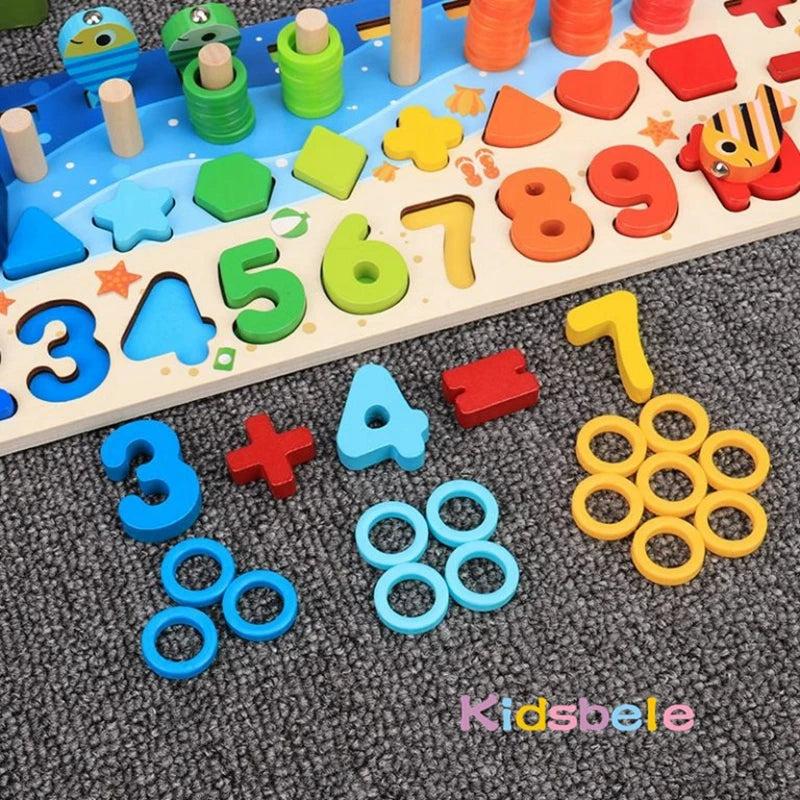
Early childhood mathematics comes alive through tactile play and visual feedback 💡 See it in action
👉 Explore learning-focused play options in Baby Growth & Learning
Why Toy Design Makes Early Childhood Mathematics Click
Early childhood mathematics is not about memorizing numbers—it’s about building meaning. Children learn best when ideas are experienced, not explained. Well-designed toys guide children toward understanding by letting them test, adjust, and self-correct.
Unlike flashcards or apps, physical toys create resistance, balance, and visual alignment. These cues teach quantity, order, and relationships naturally.
- Shapes teach geometry and spatial awareness
- Stacking builds number sense and sequencing
- Matching strengthens logic and classification
- Errors become learning moments, not failures
How Early Childhood Math Concepts Form Through Play
Early childhood mathematics develops in stages, closely tied to physical exploration. Before a child can count verbally, they must feel quantity and difference.
Early childhood math concepts emerge when children:
- Compare sizes and weights
- Recognize patterns and repetitions
- Understand order and position
- Connect symbols with real objects
These experiences build strong number concepts in early childhood, laying a foundation for later confidence in school math.
Toy Design Features That Build Developing Math Skills in Early Childhood
Early childhood mathematics benefits most from toys that are intentionally simple. The fewer distractions, the clearer the lesson.
Effective math-focused toy design includes:
- Graduated difficulty: challenges increase naturally
- Self-correction: pieces only fit one way
- Multi-sensory input: sight, touch, and movement
- Open-ended play: more than one “right” outcome
Wooden puzzles and manipulatives, like this Montessori math toy wooden puzzle, allow children to explore quantity, shape, and order independently.
👉 Discover supportive tools inside Sensory Toys
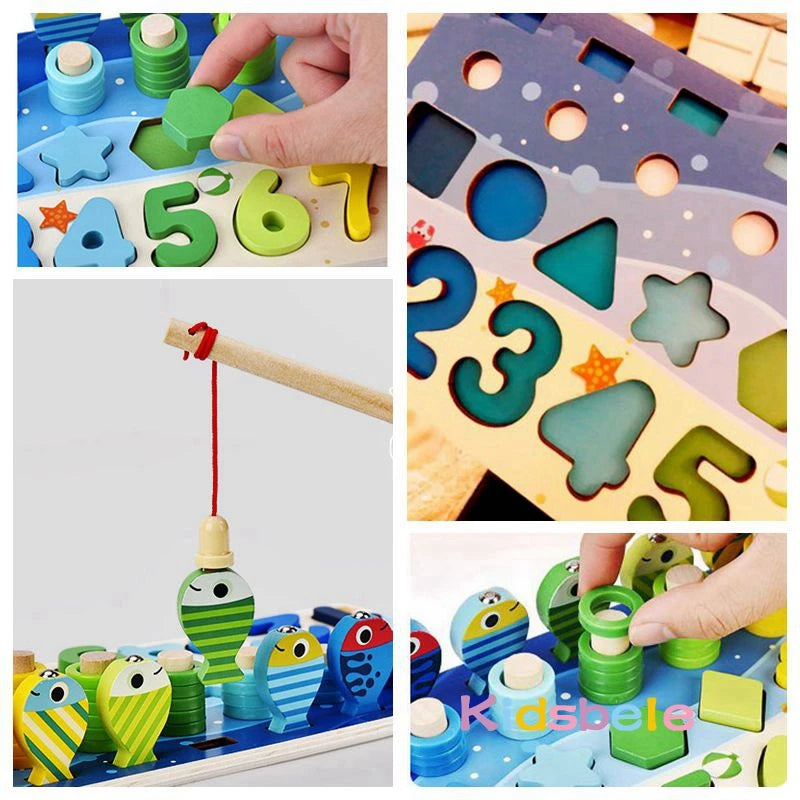
Developing math skills in early childhood through hands-on design 💡 See it in action
Hands-On Toys vs Passive Learning Tools
| Hands-On Toy Design | Passive Learning Tools |
|---|---|
| Builds deep number understanding | Encourages memorization |
| Improves attention span | Short engagement cycles |
| Supports independent problem-solving | Requires constant guidance |
| Strengthens motor and cognitive skills together | Limited physical involvement |
Parents often notice that children return to physical math toys repeatedly, discovering something new each time.
Real Results Parents Notice at Home
When early childhood mathematics is embedded into play, changes appear quickly.
- Children count objects without prompting
- Sorting becomes faster and more accurate
- Frustration decreases during problem-solving
- Confidence grows when mistakes are corrected independently
Many families pair learning toys with calm routines supported by Sleep & Comfort products, creating an environment where focus and curiosity thrive.
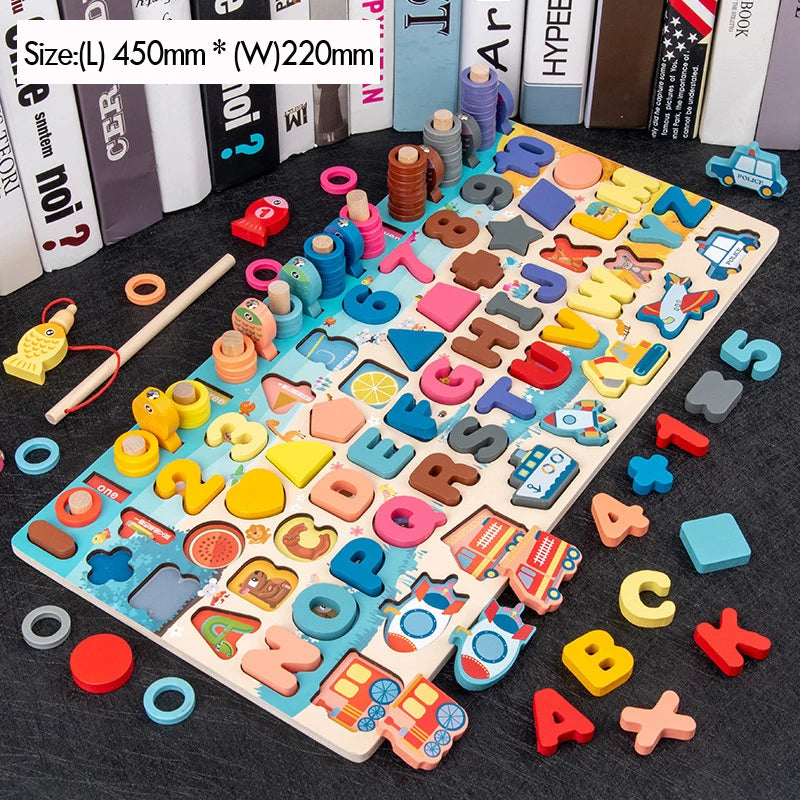
Number concepts in early childhood strengthened through intentional toy design 💡 See it in action
👉 Support confident learning with tools from Baby Growth & Learning
Frequently Asked Questions
What age is best to introduce early childhood mathematics toys?
Early childhood mathematics toys are effective from around 18 months onward. At this stage, children begin exploring size, quantity, and cause-effect relationships through movement and manipulation.
Do math toys replace traditional learning later?
No. These toys build foundational understanding so that formal math instruction feels familiar and less intimidating when introduced in preschool or kindergarten.
How many math-focused toys does a child need?
Fewer, well-designed toys are more effective than many complex ones. One high-quality manipulative can support multiple early childhood math concepts over several years.
👉 Choose learning tools that grow with your child—limited stock available
Related Guide: Wooden Montessori Toys Features That Boost Early Learning





