

Educational Books for 2 Year Olds for Early Learners
Do educational books for 2 year olds really help?
Educational books for 2 year olds help build early vocabulary, improve focus, and support emotional development through repetition, visuals, and interactive storytelling. When chosen correctly, they turn reading into a daily habit that boosts language skills and strengthens parent-child bonding in just minutes a day.
Educational Books for 2 Year Olds for Early Learners
Choosing the right educational books for 2 year olds can feel overwhelming—especially when your toddler refuses to sit still or loses interest quickly. But the truth is, the right books don’t just teach words—they shape attention, curiosity, and confidence. What if a simple change in your reading routine could unlock calmer evenings, richer conversations, and faster learning?
⏱ 6 min read
Which books actually keep toddlers engaged—and which ones don’t? Keep reading to discover what truly works.
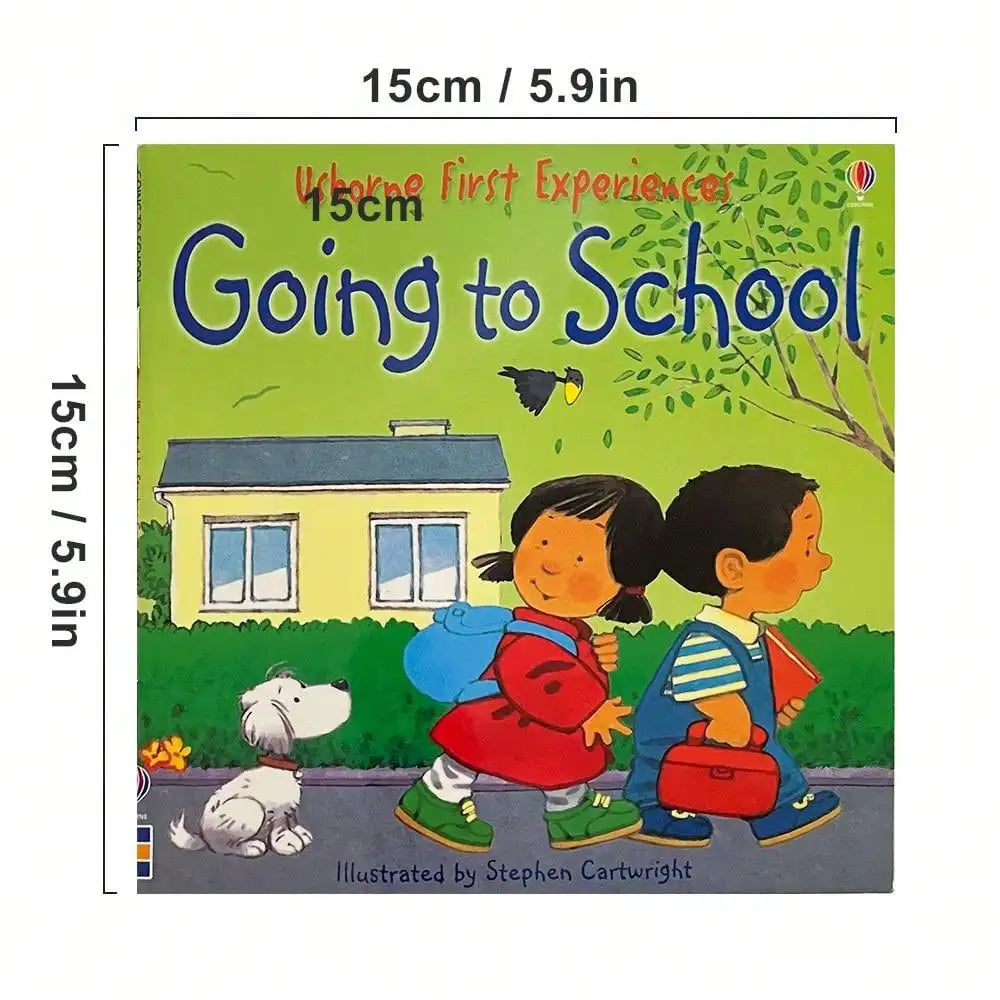
Educational books for 2 year olds help build early learning habits 💡 See it in action
👉 Curious which books make toddlers actually sit and listen?
Explore interactive options designed for early learners: Farmyard Tales Preschool Books
Why Educational Books Matter at Age 2
At age two, your child’s brain is developing faster than at any other stage. Every word they hear, every picture they see, builds neural connections that shape how they think and communicate.
But here’s the challenge: toddlers don’t learn through passive listening. They learn through interaction, repetition, and emotion.
- They point at pictures before they say words
- They repeat phrases they love
- They engage when stories feel playful—not forced
- They lose interest if books feel too complex or too simple
That’s why choosing the right book isn’t just about content—it’s about how your child experiences it.
Pairing reading time with tools from Sensory Toys can also help restless toddlers stay focused longer.
Best Types of Educational Books for 2 Year Olds
Educational books for 2 year olds should match how toddlers naturally explore the world—through touch, sound, and repetition.
1. Interactive Lift-the-Flap Books
These books turn reading into a game. Toddlers love discovering hidden surprises, which keeps them engaged longer.
2. Picture Vocabulary Books
Simple images paired with single words help toddlers connect visuals to language quickly.
3. Repetitive Story Books
Books with repeated phrases build confidence and encourage toddlers to “read along.”
4. Sensory and Touch Books
Textures stimulate curiosity and make reading a full sensory experience.
Explore more learning tools in Baby Growth & Learning to complement your child’s reading journey.
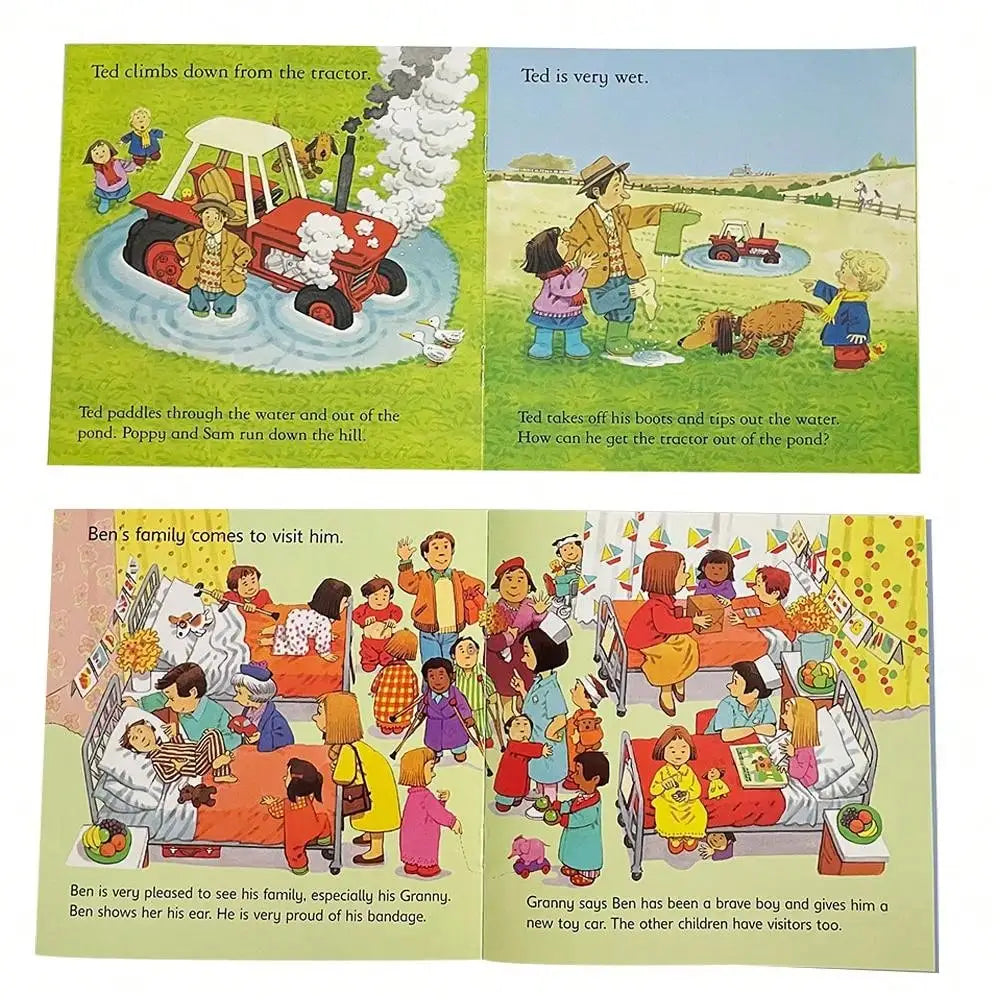
How to engage toddlers in reading using interactive storytelling 💡 See it in action
How to Engage Toddlers in Reading (Even If They Resist)
- Keep sessions short: 5–10 minutes is enough to build a habit without overwhelming them.
- Let them lead: Allow your child to flip pages, point, or skip parts.
- Use voices and expressions: Bring characters to life to capture attention.
- Repeat favorite books: Repetition builds familiarity and comfort.
Creating a calm reading environment with products from Sleep & Comfort can also make bedtime stories more effective.
👉 Want a simple routine that keeps your toddler focused?
Start with interactive storytelling tools here: Discover the perfect beginner books
Tips to Improve Child Vocabulary Early
Building vocabulary doesn’t require long lessons—it happens naturally through daily interaction.
- Name everything: Point to objects and say their names clearly
- Ask simple questions: “Where is the cow?” encourages participation
- Expand responses: If your child says “dog,” respond with “Yes, a big brown dog!”
- Repeat new words: Reinforcement helps memory stick
Combine reading with tools from Feeding Tools during mealtime conversations to reinforce learning throughout the day.
What Makes a Book Truly Effective?
| Feature | Effective Books | Less Effective Books |
|---|---|---|
| Length | Short and simple | Long and complex |
| Visuals | Bright, clear images | Cluttered or dull |
| Interaction | Flaps, textures, sounds | Passive reading only |
| Language | Repetitive and rhythmic | Abstract or advanced |
Books that combine multiple engaging elements consistently outperform traditional storybooks for this age group.
Real Parent Experiences
“My son never sat through a book—until we tried interactive ones.”
After switching to lift-the-flap books, one parent noticed their toddler staying engaged for twice as long.
“Bedtime used to be chaos.”
With a consistent reading routine and calming setup, another parent saw faster sleep transitions within a week.
Combining books with soothing tools from Massage & Relaxation can make bedtime even smoother.
Transitioning to Top Educational Books for 3 Year Olds
As your child approaches age three, their needs evolve. They begin to:
- Understand simple storylines
- Ask more questions
- Recognize patterns and sequences
This is the perfect time to introduce slightly more complex stories while maintaining interactive elements.
Gradually transitioning ensures your child stays challenged—but not overwhelmed.
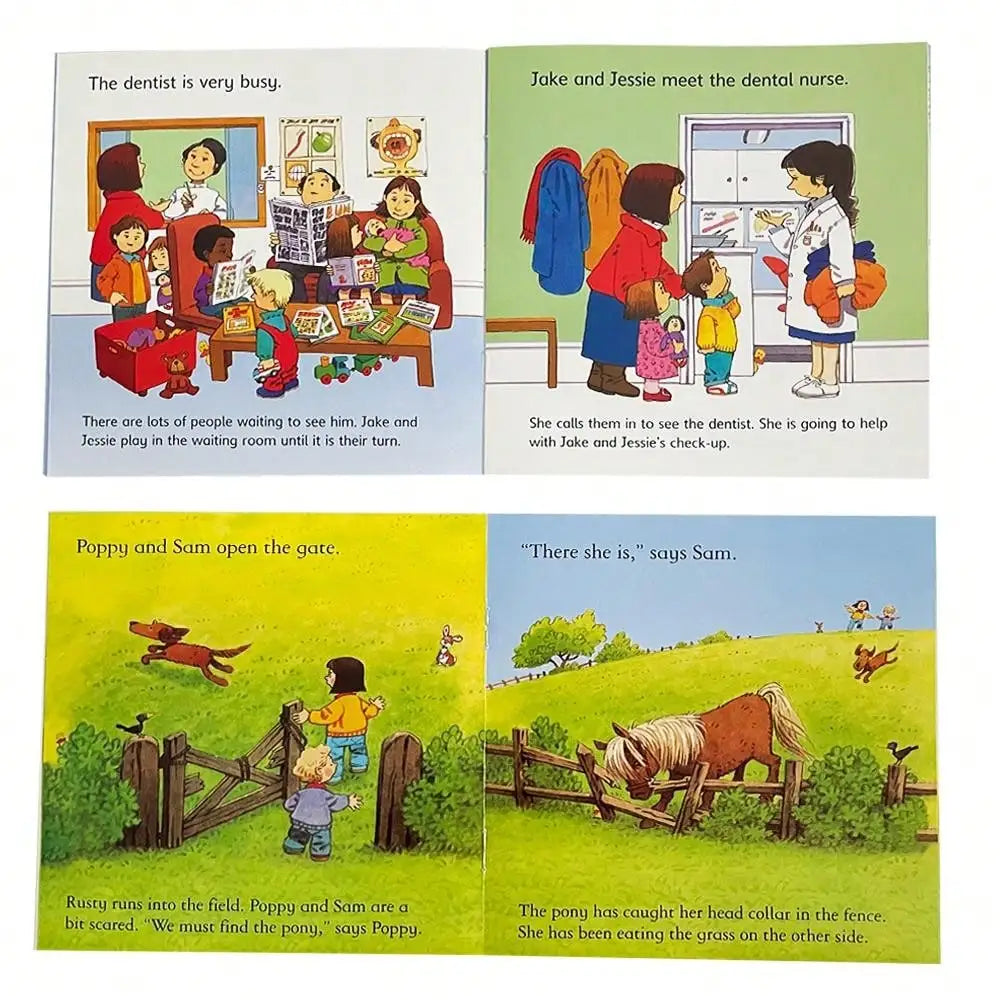
Tips to improve child vocabulary early with engaging books 💡 See it in action
👉 Ready to make reading time easier and more enjoyable?
Get started with a proven favorite: Shop now — limited availability
FAQs
What are the best educational books for 2 year olds?
Books with simple words, bright pictures, and interactive features like flaps or textures work best. They keep toddlers engaged while supporting language development.
How often should I read to my 2 year old?
Daily reading, even for just 5–10 minutes, helps build vocabulary and routine. Consistency matters more than duration.
What if my child refuses to listen to stories?
Try shorter sessions, interactive books, and letting your child control the pace. Making reading playful instead of structured often solves resistance.
Pillar Article: Good Books for Preschool by Personality and Learning Style
Other Related Articles:
Explore More:





