

Interactive Books for 4 Year Olds vs Traditional Reads
Do interactive books for 4 year olds really work?
Interactive books for 4 year olds improve focus, participation, and early learning by turning reading into an active experience. Features like flaps, textures, and sounds keep children engaged longer than traditional books, helping build vocabulary, comprehension, and curiosity through play-based learning that feels fun rather than forced.
Interactive Books for 4 Year Olds vs Traditional Reads
Interactive books for 4 year olds can transform reading time into play, blending learning with fun in ways traditional books often miss. From the best interactive books for toddlers learning to proven tactics for keeping 3 year old engaged learning, these formats spark curiosity and attention fast. Plus, they unlock creative interactive storytelling ideas for preschoolers that build skills naturally—so which option truly gives your child an edge?
⏱ 8 min read
Ever feel like your child loses interest halfway through a story? You're not alone. Many parents struggle with short attention spans, restless bedtime routines, and the challenge of making reading feel exciting instead of routine.
Which approach truly helps your child stay engaged and learn faster? Let’s explore the difference—and what actually works in real life.
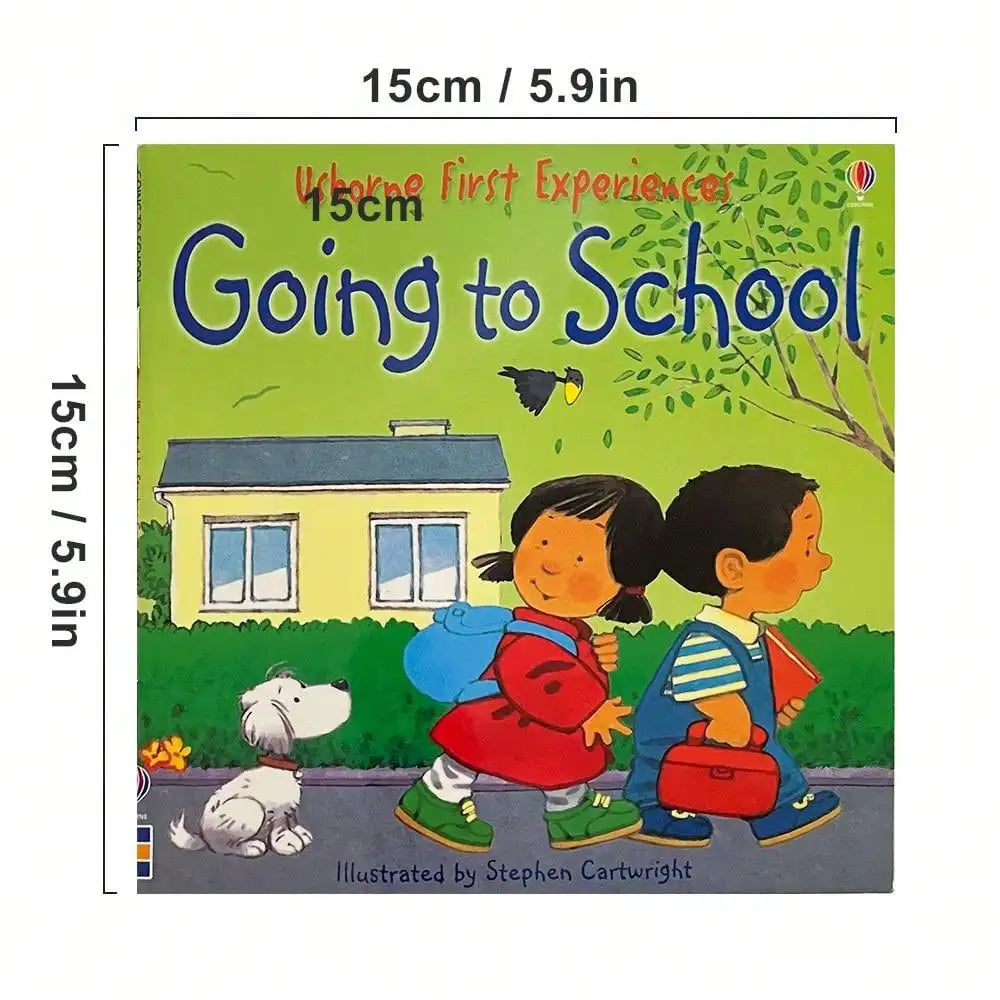
Interactive books for 4 year olds that spark curiosity instantly 💡 See it in action
👉 Discover the safest toys for your baby: Explore Sensory Toys designed to boost learning through play.
Why Interactive Books Capture Attention Faster
Interactive books are designed for action—not just listening. Instead of passively hearing a story, your child becomes part of it.
- Lift-the-flap elements create surprise and curiosity
- Textures stimulate sensory development
- Sound buttons reinforce word recognition
- Movable parts encourage fine motor skills
This is especially helpful when keeping 3 year old engaged learning feels like a daily challenge.
In contrast, traditional books rely heavily on imagination and attention span—skills still developing at age 4.
Interactive vs Traditional Books Comparison
| Feature | Interactive Books | Traditional Books |
|---|---|---|
| Engagement | High (hands-on activities) | Moderate (listening-based) |
| Learning Style | Visual + tactile | Verbal + imagination |
| Attention Span | Longer retention | Shorter for active kids |
| Skill Development | Motor + sensory + cognitive | Language + imagination |
| Best For | Active learners | Calm, focused readers |
Both have value—but for high-energy preschoolers, interactive formats often win early.
How Interactive Books Boost Learning Through Play
Interactive books don’t just entertain—they teach in a way children naturally absorb.
1. Builds Early Vocabulary Faster
Children associate words with actions and visuals, making learning stick.
2. Encourages Independent Exploration
Kids feel in control, flipping, pressing, and discovering on their own.
3. Strengthens Parent-Child Bond
Shared interaction creates moments of laughter and connection.
4. Reduces Screen Time Reliance
They offer stimulation similar to digital devices—without the downsides.
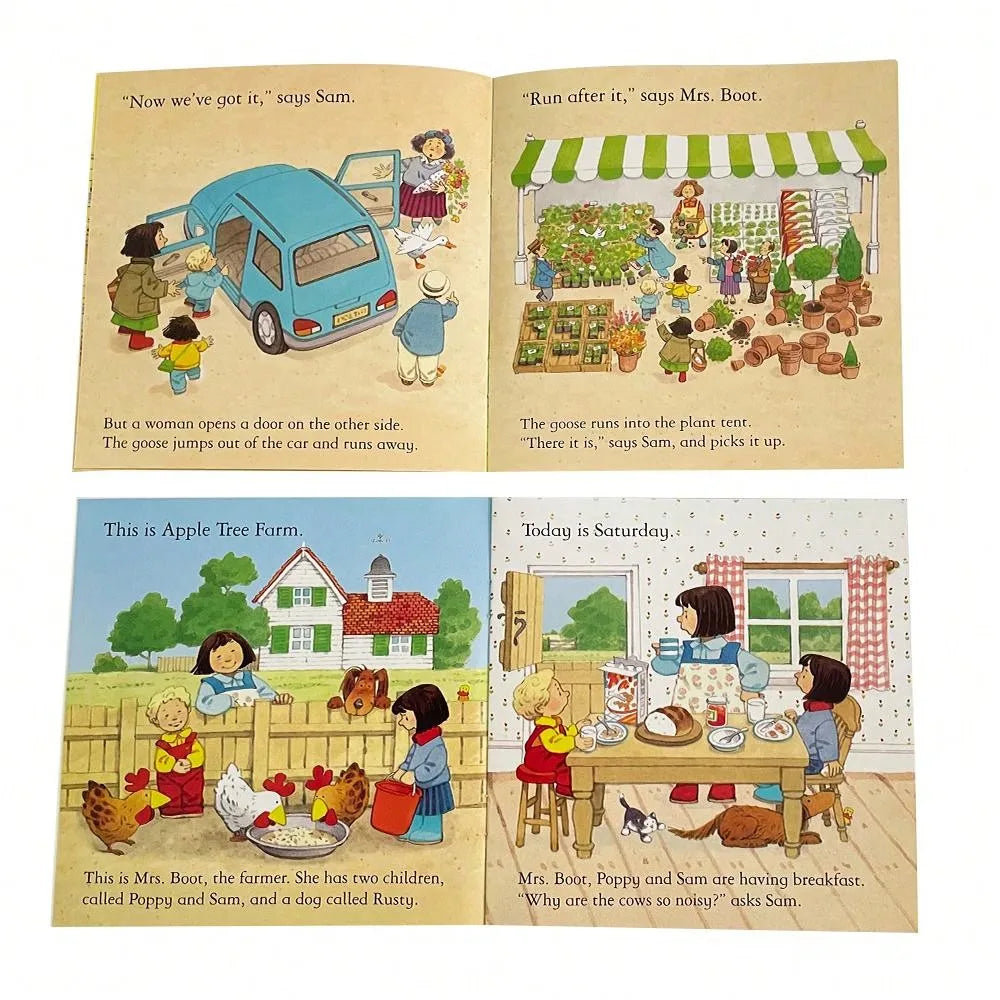
Best interactive books for toddlers learning while having fun 💡 See it in action
👉 Learn step-by-step how to choose the right baby gear: Browse Baby Growth & Learning tools that support early development.
When Traditional Books Still Win
Interactive books are powerful—but traditional reads still play an important role.
They are especially valuable for:
- Developing deep listening skills
- Encouraging imagination without prompts
- Creating calm bedtime routines
- Building early storytelling comprehension
Many parents find success using both formats together.
How to Choose the Right Book for Your Child
Not all children learn the same way. Choosing the right format depends on your child’s personality.
- High energy child? Choose interactive books
- Calm and focused? Mix traditional stories
- Short attention span? Start with hands-on books
- Bedtime struggles? Use traditional reads for winding down
For best results, rotate between both styles to keep things fresh and engaging.
Pair reading time with calming tools from Sleep & Comfort to create a smoother bedtime routine.
Interactive Storytelling Ideas for Preschoolers
Want to go beyond just reading? Try these simple ideas to bring stories to life:
- Act it out: Use voices and gestures for characters
- Pause and ask questions: “What happens next?”
- Let your child lead: Encourage them to flip pages and explore
- Add props: Use toys or objects to match the story
These techniques turn any book into an interactive experience—even traditional ones.
What Parents Are Saying
Parents consistently report higher engagement with interactive formats:
- “My son finally sits through storytime without getting distracted.”
- “She asks to read the same interactive book every night!”
- “It helped reduce screen time by half.”
Some families combine books with tools from Smart Baby Gadgets to create a balanced learning environment.
Final Thoughts: Which Is Better?
There’s no one-size-fits-all answer—but for most preschoolers, interactive books offer a powerful advantage in early engagement and learning.
Traditional books still matter, especially for imagination and calm routines. The real win comes from using both strategically.
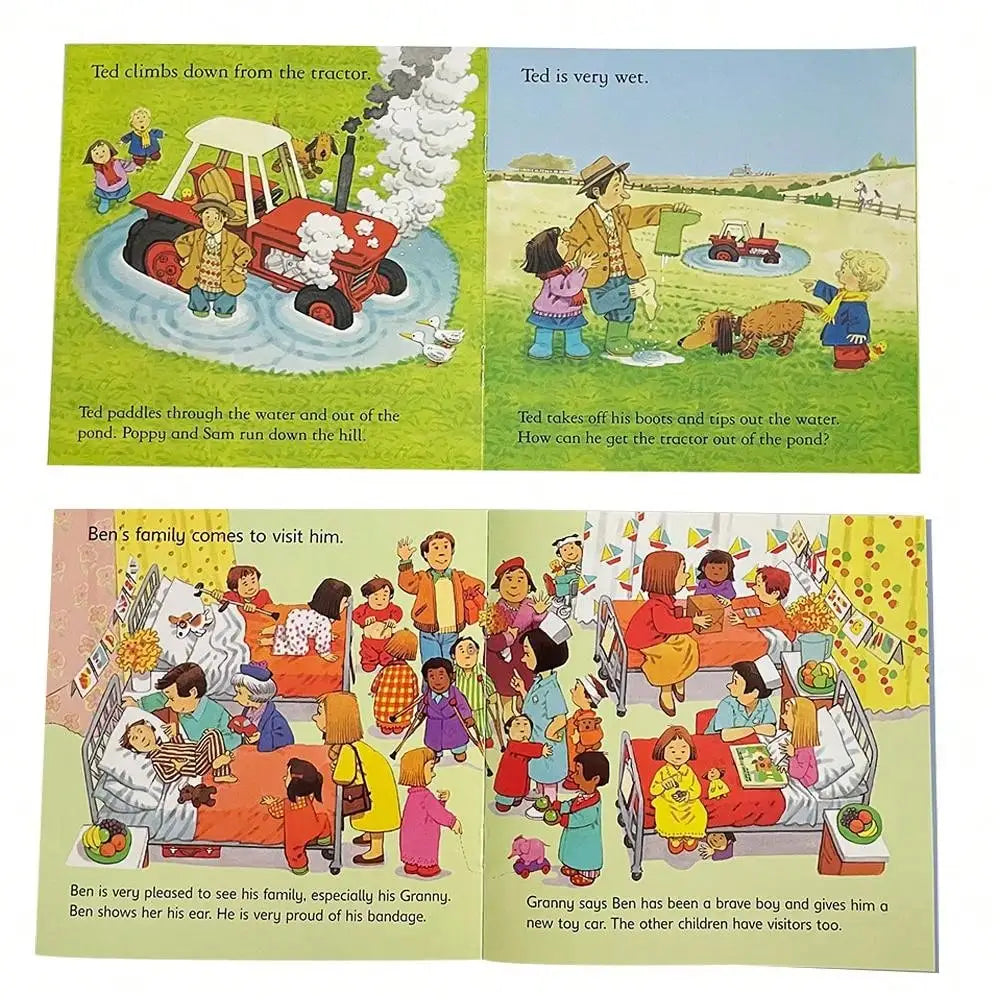
Keeping 3 year old engaged learning through playful reading 💡 See it in action
👉 Get yours now — limited stock! Explore the Farmyard Tales Preschool Books and make reading time fun again.
FAQs
Are interactive books better for 4 year olds?
Interactive books are often more engaging for 4 year olds because they combine play with learning. They help improve attention span, motor skills, and early vocabulary development compared to passive reading formats.
Do traditional books still matter?
Yes, traditional books are essential for developing imagination, listening skills, and comprehension. They are especially useful for bedtime routines and calming activities.
How many interactive books should a child have?
A balanced mix works best. Having 3–5 interactive books alongside traditional ones keeps reading exciting without overstimulation.
Can interactive books replace screen time?
In many cases, yes. Interactive books provide similar stimulation without the negative effects of screens, making them a great alternative for young children.
Pillar Article: Best Preschool Books Compared: Which Ones Kids Love Most
Other Related Articles:
- Board Books for 2 Year Olds vs Picture Books Guide
- Top 10 Preschool Books vs Classics: What’s Worth It
- Farm Books Preschool vs General Stories: What’s Better
- Montessori Reading Materials vs Storybooks: Which Wins
Explore More:





