

Educational Cashier Toy Ages Three What Works Best
Does an educational cashier toy ages three really help learning?
Educational cashier toy ages three supports early math, language, and social skills through hands-on role play. By counting coins, scanning items, and taking turns, toddlers practice numbers, communication, and confidence in a playful way that mirrors real life and keeps them engaged longer.
Educational Cashier Toy Ages Three: What Works Best
⏱ 7 min read
Educational cashier toy ages three can transform everyday play into meaningful learning moments. If you’ve ever wondered whether pretend checkout games actually teach useful skills—or just create more toy clutter—this guide breaks down what truly works, what to skip, and how to choose a cashier toy that fits your child’s growth stage.
Explore how a well-designed cashier toy can support everyday growth.
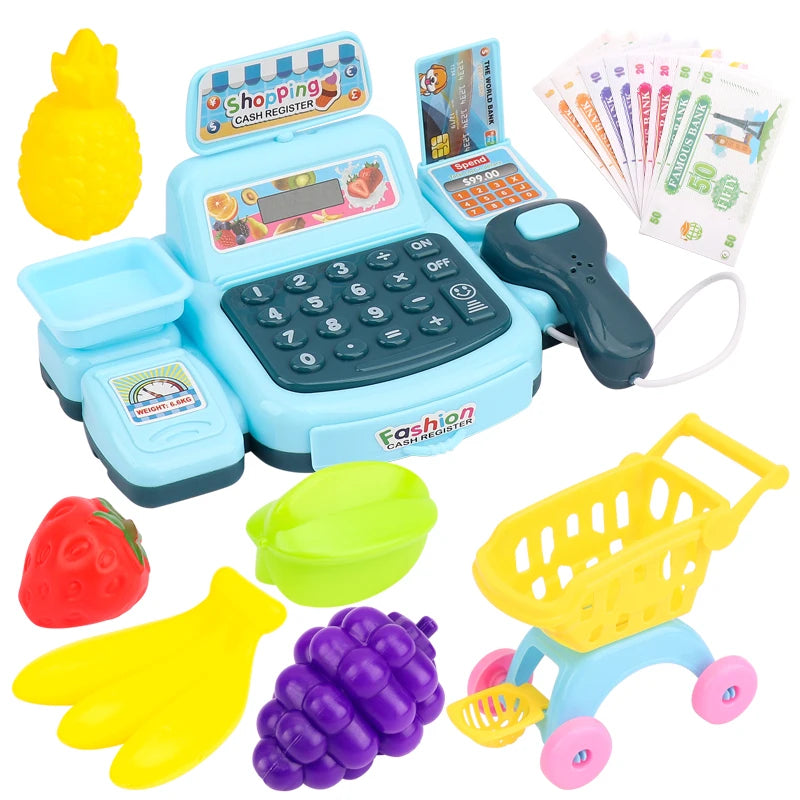
Educational cashier toy ages three with scanner for grocery pretend play — 💡 See it in action
Why Cashier Play Matters at Age Three
At three years old, children love copying adults. A cashier toy turns that curiosity into practice with numbers, words, and patience. Scanning groceries, announcing prices, and “paying” with coins feels exciting, not instructional, which keeps toddlers focused longer.
This type of grocery pretend play fits naturally into daily routines. Kids recognize food items, learn turn-taking, and begin simple problem solving without pressure.
Key Features That Keep Toddlers Engaged
Educational cashier toy ages three works best when features match developmental needs, not flashy extras.
- Large buttons and coins for easy grasp and safe play
- Toy cash register with scanner that makes sounds or lights to reinforce actions
- Simple number display to introduce counting without overwhelm
- Durable materials that survive daily play sessions
Many parents pair pretend play toys with items from Baby Growth & Learning collections to support early skills across activities.
Learning Benefits You Can See at Home
Educational cashier toy ages three builds skills in small, visible steps. Parents often notice changes within weeks.
Early Math Confidence
Counting coins and pressing number keys introduces basic math concepts. Toddlers start recognizing numbers during play instead of drills.
Language and Social Skills
Pretend conversations like “That will be two dollars” encourage vocabulary and polite exchanges.
Independence and Confidence
Completing a “transaction” gives children a sense of achievement, boosting confidence in everyday tasks.
See which features matter most for your child’s age and interests.
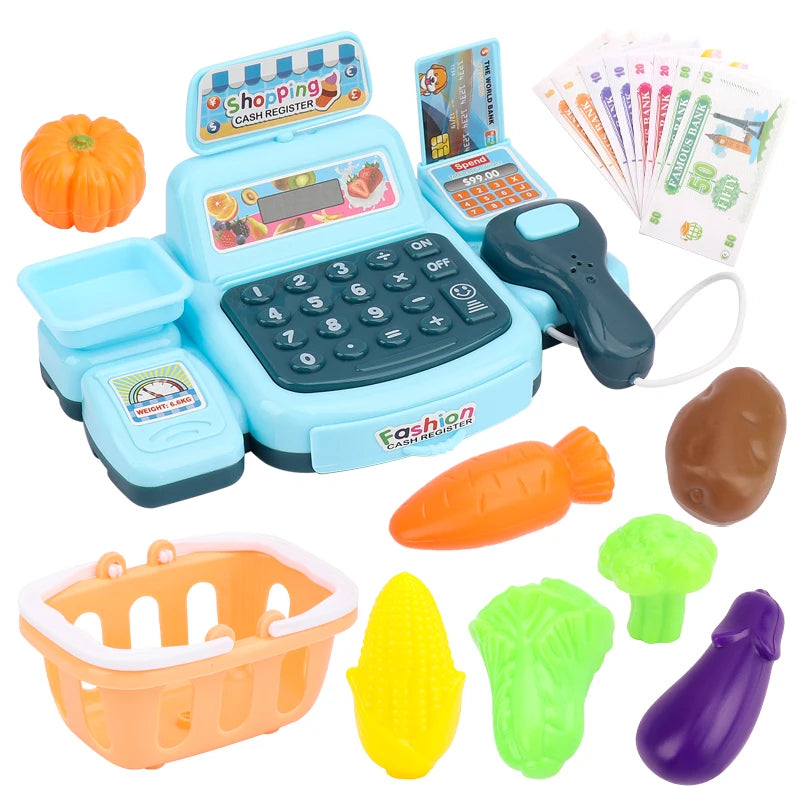
Cashier toy and grocery pretend play set supporting counting and communication — 💡 See it in action
Comparing Popular Cashier Toy Styles
| Style | Best For | Watch Out For |
|---|---|---|
| Basic Cash Register | Number recognition, simple role play | Limited engagement over time |
| Toy Cash Register with Scanner | Longer play sessions, realistic actions | Too many sounds can overwhelm |
| Full Grocery Pretend Play Set | Social play, storytelling, sharing | Needs storage space |
For sensory balance, some families combine cashier toys with calming options from Sensory Toys.
How to Choose the Right Set for Your Child
Educational cashier toy ages three should feel fun first, educational second. Use this simple checklist:
- Check age labeling and safety standards
- Look for sturdy construction and rounded edges
- Choose features your child already shows interest in
- Balance sound effects with quiet play options
Parents who already shop from Baby Care Essentials often look for toys that are just as safe and durable.
One popular option many parents explore is the simulation cashier toy, designed to match real checkout play without overwhelming features.

Educational cashier toy ages three for confident role play — 💡 See it in action
Real Parent Experiences
“My son started counting items at the grocery store after playing cashier at home,” shares a California mom. Another parent notes fewer screen-time requests because pretend play kept their toddler busy longer.
These stories highlight how the right cashier toy supports learning without forcing it.
See why parents choose this cashier toy for everyday learning.
Explore the full details of the simulation cashier toy to see how it fits into daily play.
Quick FAQ for Parents
Is an educational cashier toy ages three safe?
Yes, when designed for toddlers with large pieces, smooth edges, and non-toxic materials.
How long will a cashier toy stay interesting?
Sets with scanners and pretend groceries tend to hold attention longer through varied role play.
Does it replace other learning toys?
No, but it complements items from Baby Growth & Learning Tips by reinforcing skills through play.
Related Guide: Early Childhood Play That Fits Different Learning Styles





