

Educational Music Activities for Kids: Tailoring to Interests and Abilities
Do educational music activities for kids really support learning and focus?
Educational music activities for kids support learning by improving attention, language skills, and confidence when matched to a child’s interests and abilities. Hands on music activities and age-appropriate musical toys for 4 year olds help with keeping preschoolers engaged through movement, rhythm, and playful repetition—making learning feel natural and stress-free.
Educational Music Activities for Kids: Tailoring to Interests and Abilities
⏱ 7 min read
Educational music activities for kids can do far more than fill time—they nurture curiosity, build confidence, and support early learning when aligned with how a child naturally explores the world. Whether your preschooler loves to move, tap, sing, or listen, choosing the right hands on music activities and musical toys for 4 year olds is key to keeping preschoolers engaged without pressure.
Hands on music activities spark curiosity and confidence 💡 See it in action
Why Music Matters in Early Childhood Learning
Educational music activities for kids strengthen more than musical ability. They support memory, listening skills, coordination, and emotional expression during the years when the brain is most adaptable.
- Rhythm improves language patterns and early reading readiness
- Movement with music builds motor coordination
- Sound exploration boosts curiosity and problem-solving
- Shared music play encourages social connection
When paired with tools from Baby Growth & Learning and Sensory Toys, music becomes a natural part of everyday play.
How to Match Music Activities to Your Child’s Interests
Educational music activities for kids work best when they follow a child’s natural preferences. Some children love tapping beats, others prefer listening quietly, and some want to move nonstop.
Direct answer: Educational music activities for kids are most effective when tailored to a child’s interests—movement lovers benefit from rhythm games, curious listeners enjoy sound exploration, and hands-on learners thrive with interactive instruments that respond to touch.
- Observe how your child reacts to sound and movement
- Choose activities that feel like play, not instruction
- Adjust complexity as skills grow
- Keep sessions short and joyful
Why Hands On Music Activities Build Confidence Faster
Hands on music activities let children control sound directly. Pressing keys, tapping drums, or shaking rhythm tools gives immediate feedback, helping kids feel capable and motivated.
| Hands On Music Play | Passive Listening |
|---|---|
| Encourages exploration | Limited interaction |
| Builds coordination | Minimal movement |
| Boosts confidence | Less skill practice |
Many parents pair interactive instruments with calming routines using items from Sleep & Comfort to balance energy and relaxation.
Hands on music activities that grow with skill 💡 See it in action
Choosing Musical Toys for 4 Year Olds That Grow With Them
Musical toys for 4 year olds should be simple enough to enjoy immediately but flexible enough to support growing skills.
Direct answer: Musical toys for 4 year olds work best when they offer responsive sounds, sturdy design, and open-ended play—allowing children to explore freely while gradually improving rhythm, coordination, and attention.
- Large, easy-to-press keys or pads
- Clear cause-and-effect sounds
- Durable materials for active play
- Options for free play and guided melodies
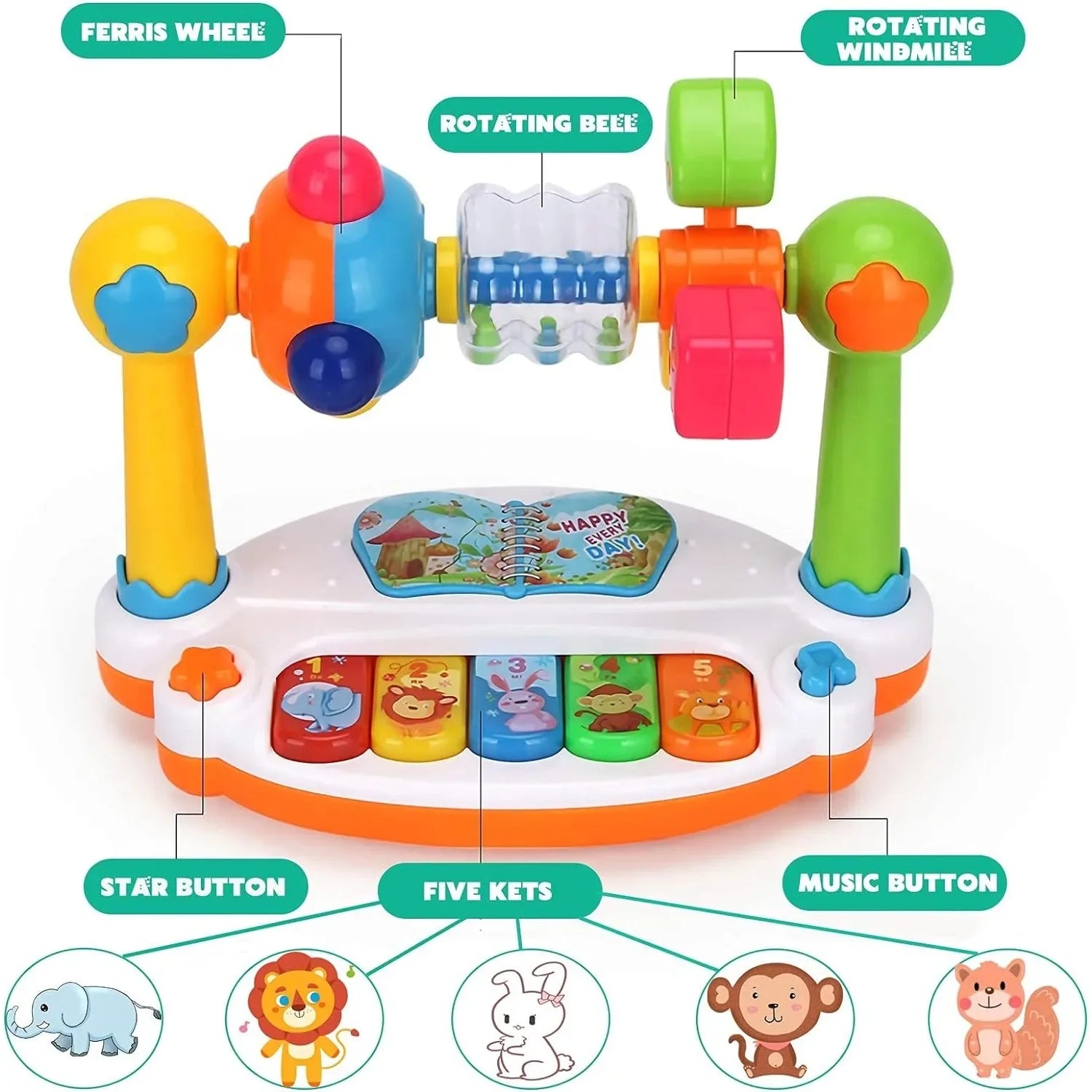
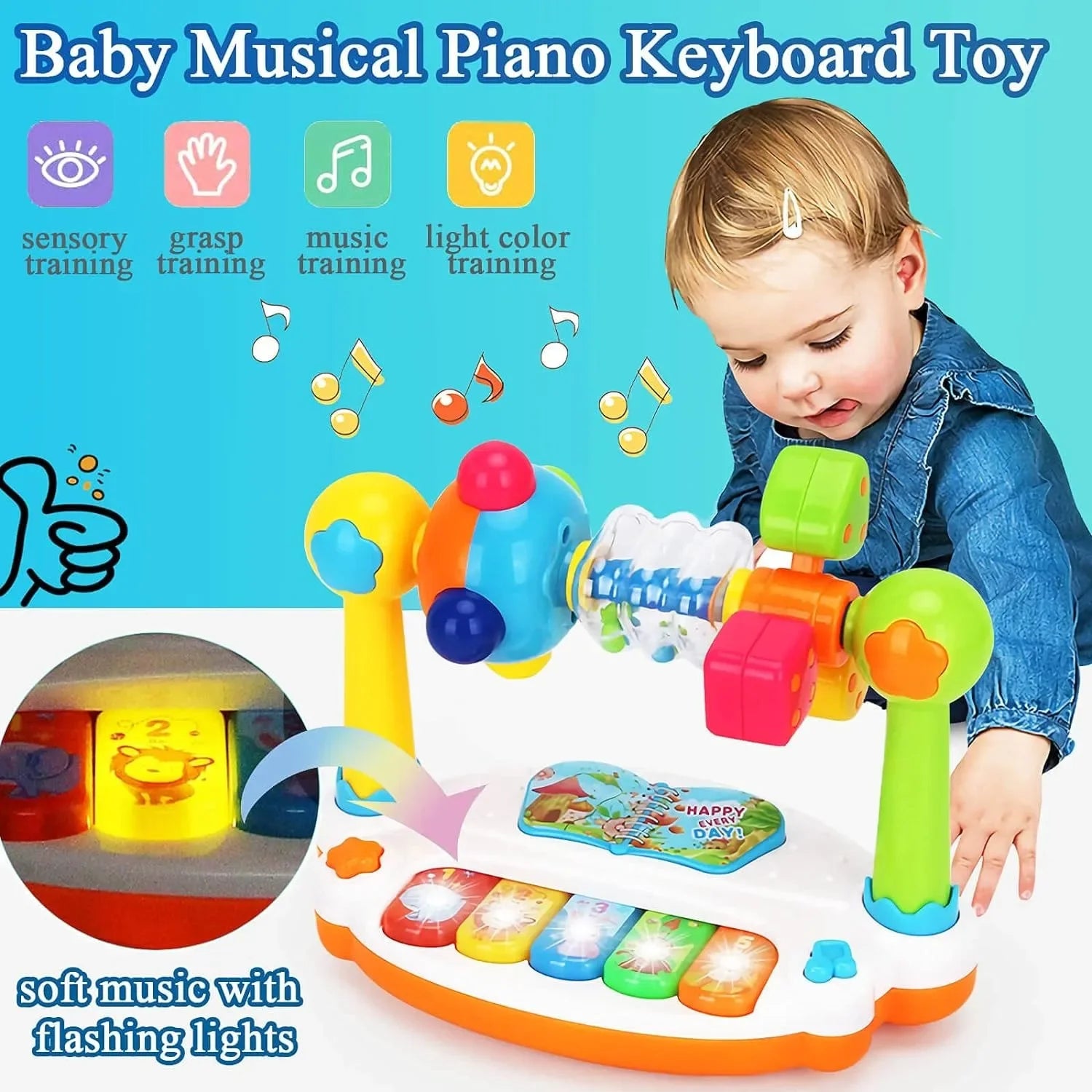
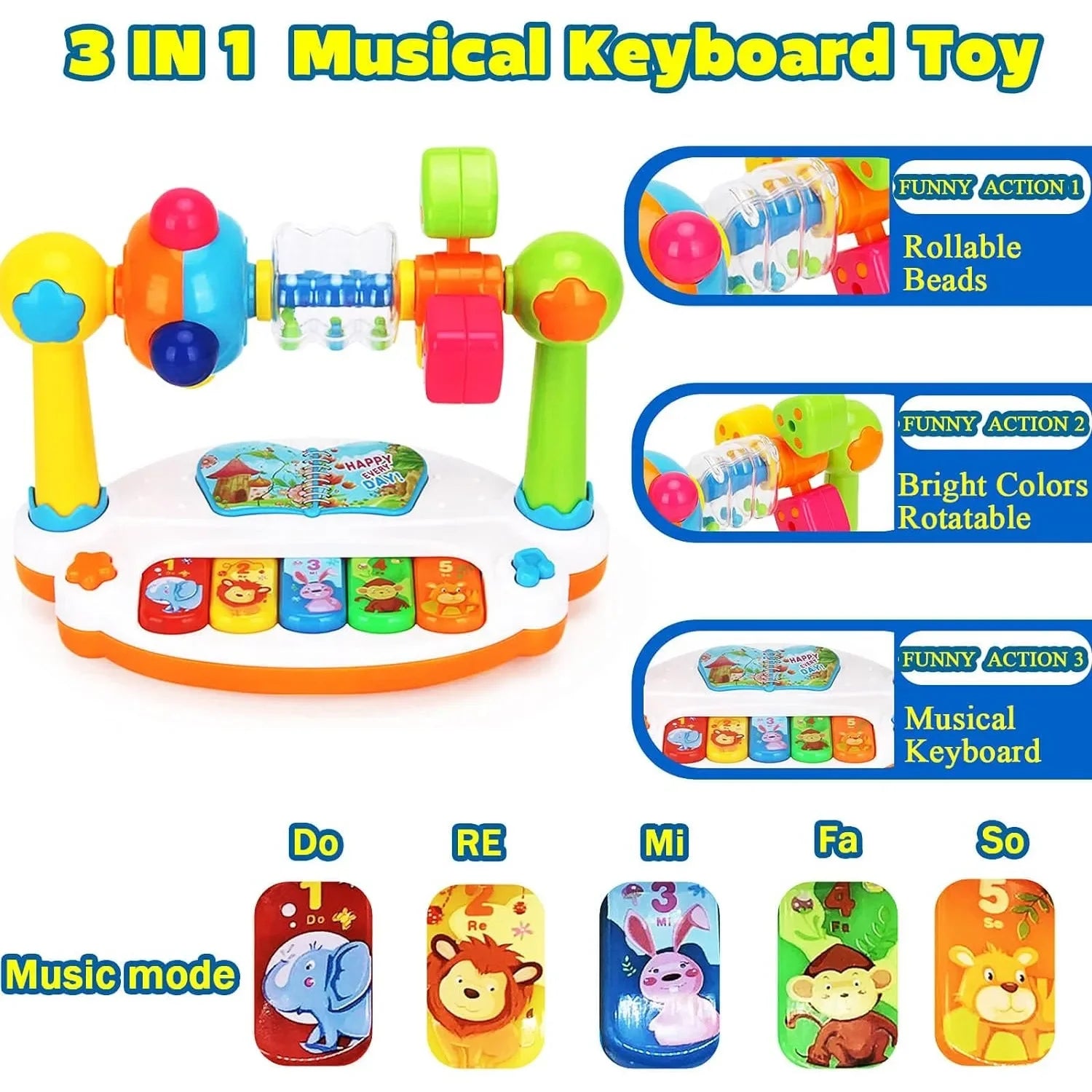
An example many families love is a simple keyboard-style toy like the baby piano toy keyboard, which supports independent exploration while encouraging creativity.
Keeping Preschoolers Engaged Without Pressure
Keeping preschoolers engaged doesn’t require long sessions or strict structure. Short, joyful moments matter more.
- Rotate activities to avoid boredom
- Let your child lead the tempo
- Celebrate effort, not performance
- Blend music into daily routines
Combining music play with movement tools from Mobility & Training can help energetic children stay focused longer.
Keeping preschoolers engaged through playful rhythm 💡 See it in action
What Parents Notice After Adding Music Play
Parents often share that after introducing educational music activities for kids, they notice longer attention spans, more expressive play, and calmer transitions between activities.
- “My child focuses longer during playtime.”
- “Music helps with emotional expression.”
- “We use rhythm games to reset after busy moments.”
Many families explore supportive tools from Baby Care Essentials and Baby Growth & Learning to create balanced routines.
Frequently Asked Questions
How often should kids do music activities?
Short daily sessions of 5–15 minutes are enough to support learning without overwhelming young children.
Are musical toys better than screens?
Hands on music activities encourage active participation, movement, and creativity—key differences from passive screen use.
What if my child isn’t interested at first?
Follow their lead, keep activities playful, and reintroduce music in different ways over time.
Related Guide: Play Early Childhood: Choosing the Right Toys for Every Stage





