

Best Educational Toys for 3 Year Olds to Build Real Skills
Do educational toys for 3 year olds improve learning?
Yes. Educational toys for 3 year olds support learning by encouraging hands-on exploration that builds early math, language, fine motor, and problem-solving skills. Research on play-based learning suggests that age-appropriate educational activities help strengthen memory, attention, pattern recognition, and confidence while giving children meaningful opportunities to practice new skills. The most effective toys combine fun with purposeful challenges that match a preschooler's developmental stage and encourage independent discovery.
Educational Toys for 3 Year Olds Compared: Learning Value Tested
Finding educational toys for 3 year olds can be challenging when so many products promise to improve learning. Some toys entertain for a few minutes, while others encourage children to think, experiment, create, and solve problems through everyday play. Choosing well-designed learning toys helps transform playtime into opportunities to develop early literacy, number sense, creativity, fine motor coordination, and self-confidence while keeping preschoolers actively engaged.
⏱ 7 min read
At age three, children learn best by touching, building, sorting, pretending, and asking questions. Rather than relying on passive entertainment, high-quality educational toys encourage repeated practice through enjoyable, screen-free activities that support kindergarten readiness and healthy cognitive development. In this guide, you'll discover which types of learning toys provide the greatest educational value, what skills they strengthen, and how to choose options that grow alongside your child.
Which educational toys for 3 year olds deliver the greatest long-term learning value? Explore the comparisons ahead to discover the best options for developing essential preschool skills.
Curious how hands-on learning boosts preschool confidence?
Explore interactive skill-building activities inside our Baby Growth & Learning collection.
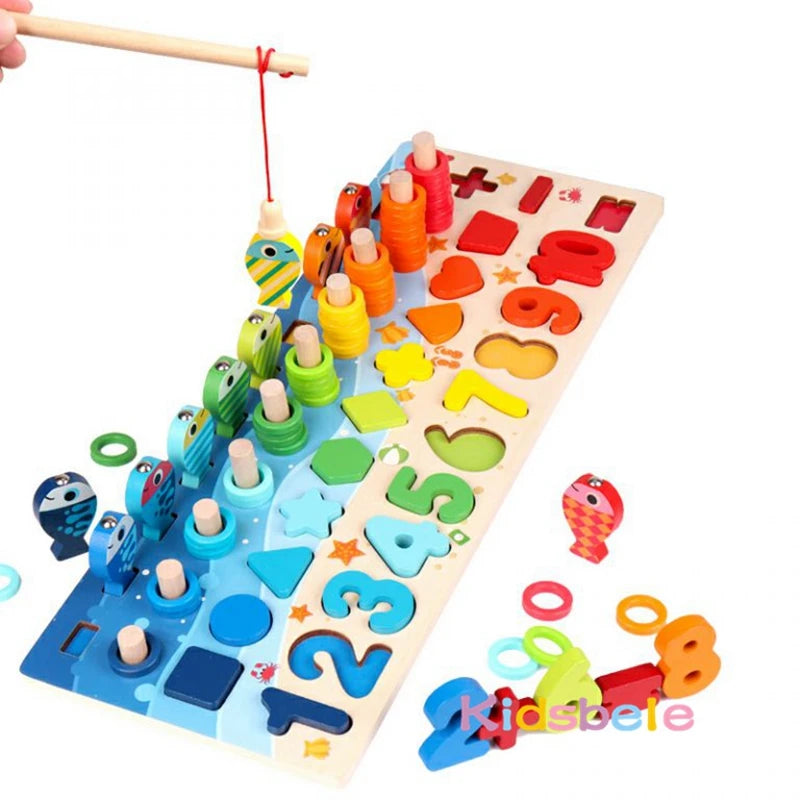
Educational toys for 3 year olds encourage hands-on learning, early math skills, and healthy developmental growth. See them in action.
Why Learning Toys Strengthen Early Development
During the preschool years, children experience rapid growth in language, memory, motor coordination, and social skills. Educational toys provide opportunities to practice these abilities through engaging, age-appropriate play instead of repetitive drills. Because children learn by exploring, experimenting, and repeating activities, well-designed learning toys naturally reinforce important developmental milestones.
Educational toys for 3 year olds can help children:
- Develop early math concepts such as counting, sorting, sequencing, and pattern recognition.
- Strengthen fine motor skills needed for drawing, writing, buttoning clothing, and using everyday tools.
- Improve concentration, memory, and logical thinking through puzzles and problem-solving activities.
- Encourage language growth by introducing new vocabulary, storytelling, and interactive conversations.
- Build creativity, independence, and confidence through open-ended exploration and imaginative play.
Many families also combine educational toys with sensory play from the Sensory Toys collection to support emotional regulation, creativity, and overall cognitive development.
Side-by-Side Comparison of Popular Learning Toy Categories
Different educational toys support different developmental goals. Instead of looking for a single "best" toy, choose options that match the skills your child is currently building while providing opportunities for independent, screen-free play.
| Toy Category | Best Skill Development | Strengths | Considerations |
|---|---|---|---|
| Preschool Math Manipulatives | Counting, sorting, pattern recognition, early number sense | Builds foundational math skills through hands-on exploration | Works best with occasional parent guidance during early use |
| Wooden Puzzle Toys | Problem solving, fine motor coordination, spatial reasoning | Durable, reusable, encourages focused independent play | Difficulty should match the child's developmental stage |
| Sorting & Matching Toys | Classification, memory, logical thinking | Supports preschool readiness and critical thinking | Benefits increase when children are encouraged to explain their choices |
Among these categories, preschool math manipulatives often provide the broadest learning value because they combine counting, sorting, sequencing, and fine motor practice in a single activity. The Montessori Math Toy Wooden Puzzle is one example that introduces these concepts through tactile, self-directed play while allowing children to progress at their own pace.
Want a step-by-step guide to selecting learning toys that match your child's development stage?
Explore expert toy selection ideas inside our Baby Growth & Learning collection.
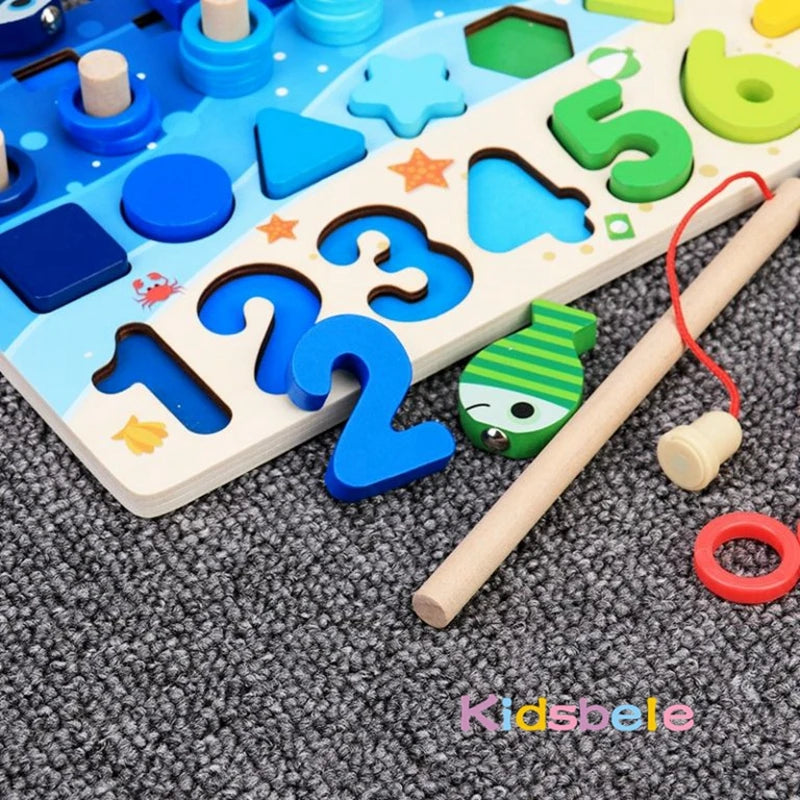
Wooden toys for 3 year olds encourage independent play, concentration, and cognitive growth. See them in action.
How Montessori Wooden Toys Build Independent Thinking
Montessori wooden toys are designed to encourage children to learn through exploration instead of step-by-step instruction. By allowing preschoolers to manipulate objects, solve simple challenges, and repeat activities at their own pace, these educational wood toys help develop confidence, persistence, and independent decision-making. Their uncluttered designs also reduce unnecessary distractions, making it easier for children to focus on one skill at a time.
Key Benefits of Montessori-Style Toys
- Encourage self-correcting learning through trial and discovery.
- Strengthen concentration and longer periods of focused play.
- Support hands-on early math concepts including counting, sorting, sequencing, and pattern recognition.
- Develop fine motor coordination through grasping, placing, and manipulating pieces.
- Promote creativity and independent problem solving without relying on lights or electronic features.
The Montessori Math Toy Wooden Puzzle combines tactile learning with progressively challenging activities, allowing children to build foundational math skills while practicing logical thinking and hand-eye coordination through independent play.
Many families also pair Montessori activities with a calm learning environment using products from the Sleep & Comfort collection to help children remain focused during quiet play sessions.
How to Choose the Right Educational Toy for Your Child
Look for Skill-Building Value
Choose toys that develop more than one area of learning. The best educational toys for 3 year olds often combine early math, language, creativity, fine motor practice, and problem solving in a single activity, providing greater long-term educational value.
Choose Age-Appropriate Challenge Levels
Select toys that are challenging enough to encourage learning without becoming frustrating. Toys that offer multiple levels of difficulty or open-ended play can continue supporting development as your child's abilities grow.
Prioritize Durable and Safe Materials
High-quality wooden toys are popular because they are sturdy, long-lasting, and designed for repeated use. Look for smooth finishes, child-safe materials, and construction that withstands daily preschool play.
Encourage Parent-Child Interaction
Although independent play is valuable, children often learn even more when adults participate by asking questions, introducing new vocabulary, or encouraging children to explain how they solved a challenge. Short, engaging play sessions can strengthen both learning outcomes and family interaction.
Safety and supervision are easier when combining learning activities with smart monitoring solutions from the Monitoring Devices collection.
Safety Tips When Selecting Preschool Learning Toys
Safety should always be a priority when choosing early childhood development toys. Well-made educational toys allow children to explore independently while minimizing common risks such as choking hazards, splinters, or loose components. Before purchasing or introducing a new toy, check that it matches your child's age, developmental abilities, and intended method of play.
- Choose toys with smooth edges, rounded corners, and non-toxic paints or finishes.
- Avoid products with small detachable parts that may present a choking hazard for younger siblings.
- Look for sturdy construction that can withstand frequent handling without breaking.
- Inspect wooden toys regularly for cracks, loose pieces, or signs of wear that could affect safe use.
- Follow the manufacturer's recommended age range and supervise new activities until your child understands how to use the toy appropriately.
- Store learning toys in a clean, dry location to help maintain their condition and extend their lifespan.
Whether choosing puzzles, sorting activities, or the Montessori Math Toy Wooden Puzzle , regular inspection and age-appropriate supervision help ensure children enjoy safe, rewarding learning experiences.
Parents can explore additional child safety resources and protective products within the Health & Safety collection.
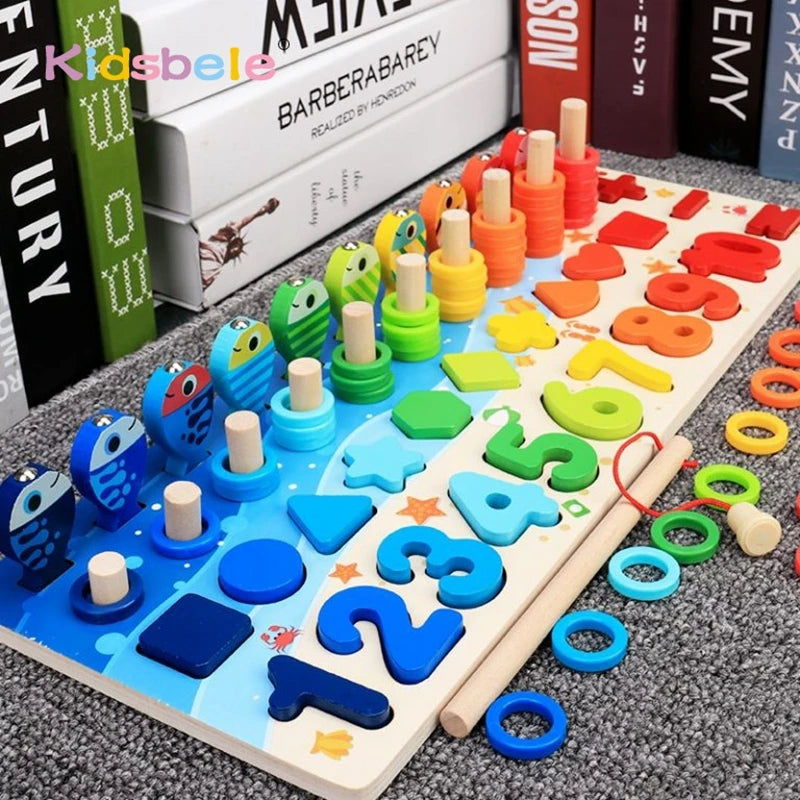
Educational wood toys support early childhood development, independent learning, and kindergarten readiness when selected and used safely. See them in action.
Buying Guide: How to Choose the Best Educational Toy
Match Toys to Developmental Goals
The best educational toys for three year olds encourage children to practice age-appropriate skills through play. Look for toys that support counting, early language, fine motor coordination, creativity, problem solving, or social interaction rather than focusing on a single activity.
Choose Safe and Durable Materials
Quality matters just as much as educational value. Durable wooden toys and well-constructed learning materials can withstand years of use while providing consistent opportunities for hands-on exploration. Always select toys made from child-safe materials with smooth finishes and sturdy construction.
Balance Independent and Parent-Led Play
Educational learning toys for 3 year old children are most effective when they encourage independent discovery while also creating opportunities for shared play. Asking questions, introducing new vocabulary, and celebrating problem-solving efforts can reinforce learning without taking over the activity.
Consider Long-Term Value
Choose toys that grow with your child instead of those that provide only short-term entertainment. Activities with multiple difficulty levels, open-ended challenges, or opportunities to practice new skills repeatedly often deliver the greatest long-term educational value. The Montessori Math Toy Wooden Puzzle is one example of a learning resource that supports progressive skill development through repeated hands-on play.
Ready to support your child's early math confidence?
Explore the Montessori Math Toy Wooden Puzzle and help build strong learning foundations through engaging, hands-on play.
Frequently Asked Questions
What are the best educational toys for 3 year olds?
The best educational toys for 3 year olds encourage active participation while supporting multiple developmental skills. Montessori math manipulatives, wooden puzzles, sorting toys, building blocks, pretend play sets, and simple STEM activities are all excellent choices because they combine learning with enjoyable play.
Which educational toys help language development?
Toys that encourage storytelling, role-playing, picture matching, letter recognition, and conversation can help expand vocabulary and communication skills. Pretend play kitchens, dolls, puppets, alphabet games, and interactive reading activities all promote language development.
What are the best learning toys for 3 year olds with STEM focus?
Simple building sets, counting manipulatives, pattern games, beginner engineering toys, and age-appropriate science exploration kits introduce STEM concepts through observation, experimentation, and problem solving without overwhelming preschool learners.
Are Montessori wooden toys worth buying?
Many families value Montessori wooden toys because they emphasize independent learning, concentration, and hands-on exploration. Their simple designs encourage children to focus on developing practical skills rather than relying on electronic features for entertainment.
How do I choose age-appropriate educational toys?
Check the manufacturer's recommended age range and select toys that match your child's current abilities while offering room for growth. The best learning experiences occur when toys are challenging enough to encourage new skills without causing frustration.
Are wooden educational toys safer than plastic?
Both wooden and plastic educational toys can be safe when they meet recognized safety standards and are made from high-quality, non-toxic materials. Regardless of the material, inspect toys regularly for damage and always follow age recommendations.
How many educational toys should a 3-year-old have?
Quality is more important than quantity. A small collection of thoughtfully chosen educational toys that support different developmental areas often provides greater learning value than a large number of toys competing for a child's attention. Rotating toys periodically can also help maintain interest.
What features make a toy educational?
Educational toys encourage children to think, create, solve problems, communicate, and practice new skills through active participation. The most effective toys are engaging, developmentally appropriate, durable, and flexible enough to support repeated learning as children grow.
Related Guide: Preschool Math Manipulatives Compared: Best Picks for Play





