

Educational toys for 3 year olds: Top 5 Wooden Picks
Do educational toys for 3 year olds improve learning?
Educational toys for 3 year olds help children build early math, motor, and problem-solving skills through hands-on play. Research shows structured play tools strengthen counting, sorting, and pattern recognition while improving focus and confidence. The best options balance fun with skill-building to support kindergarten readiness and healthy brain development.
Educational Toys for 3 Year Olds Compared: Learning Value Tested
Choosing the right toys for your three-year-old can feel overwhelming. Many parents want playtime to boost learning while still keeping kids engaged and happy. The right educational toys for 3 year olds can transform daily play into meaningful growth opportunities that strengthen early math skills, independence, and confidence while supporting joyful childhood development.
⏱ 7 min read
Preschoolers are naturally curious, but not all toys support development equally. Some build strong thinking skills, while others focus mostly on entertainment. This guide compares top learning-focused options so parents can confidently choose toys that encourage creativity, concentration, and academic readiness.
Which learning toy builds the strongest foundation for your child’s future success? Keep reading to compare the best options.
👉 Curious how hands-on learning boosts preschool confidence?
Explore interactive skill-building activities inside our Baby Growth & Learning collection.
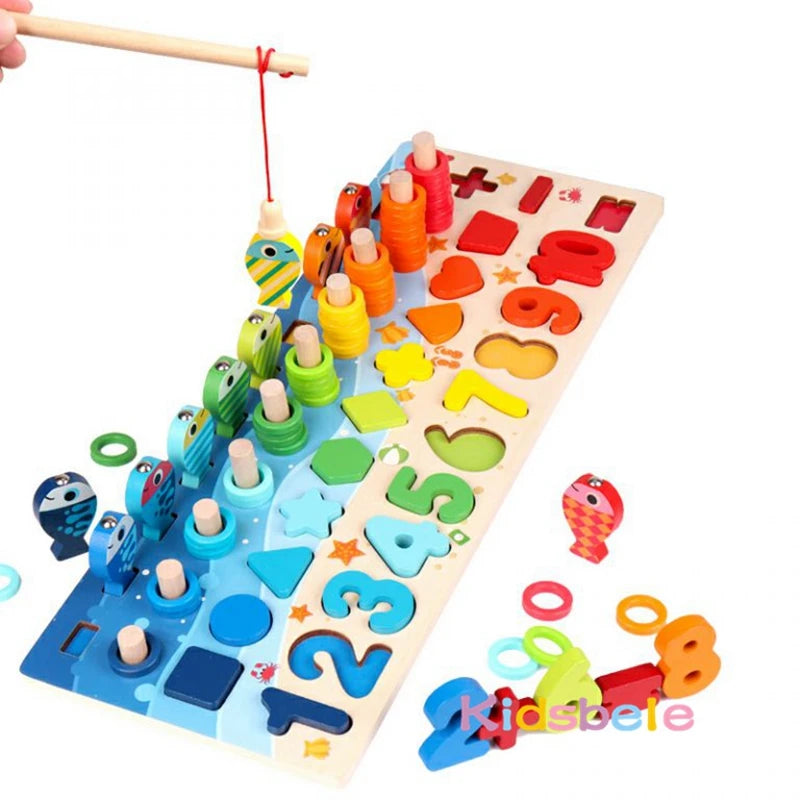
Educational toys for 3 year olds encourage hands-on learning math and developmental growth. 💡 See it in action
Why Learning Toys Strengthen Early Development
Three-year-olds are rapidly developing language, coordination, and logical thinking. Learning toys guide these skills through structured play that feels natural and exciting.
Educational tools help children:
- Build early math skills through counting and sorting
- Improve fine motor control for writing and drawing readiness
- Strengthen attention span and problem-solving abilities
- Encourage independent exploration and creativity
Many families combine educational toys with sensory play from the Sensory Toys collection to support emotional regulation and cognitive growth.
Best Types of Educational Toys for 3 Year Olds Compared
Educational toys for 3 year olds combine play with early academic and developmental skill building. The most effective toys encourage hands-on learning, creative thinking, and confidence. Quality options typically focus on math readiness, problem solving, and motor skill improvement while supporting independent exploration.
1. Preschool Math Manipulatives
These toys focus on foundational math understanding. Children learn numbers, shapes, and patterns through physical interaction rather than memorization.
Benefits include:
- Improves counting and grouping skills
- Teaches shape and color recognition
- Builds logical reasoning
- Encourages interactive parent-child learning
One popular option is the Montessori Math Toy Wooden Puzzle, which combines tactile play with progressive learning challenges.
2. Wooden Construction and Puzzle Toys
Wooden toys for 3 year olds promote durability and concentration. Their simple design helps children focus on learning objectives without overstimulation.
Educational wood toys typically strengthen:
- Hand-eye coordination
- Spatial awareness
- Patience and persistence
- Creative problem solving
3. Sorting and Matching Learning Sets
Sorting toys encourage early classification skills, which later support reading comprehension and mathematical reasoning.
Parents often pair sorting toys with structured routines supported by resources in the Baby Care Tips & Advice collection.
Side-by-Side Comparison of Popular Learning Toy Categories
| Toy Category | Best Skill Development | Strengths | Considerations |
|---|---|---|---|
| Preschool Math Manipulatives | Counting, sorting, early math logic | Hands-on skill growth, structured learning | Requires parent introduction for best results |
| Wooden Puzzle Toys | Problem solving, fine motor skills | Durable, long-lasting, low screen stimulation | May require guidance for younger learners |
| Sorting & Matching Toys | Pattern recognition, organization | Supports early academic readiness | Less open-ended creativity |
👉 Want a step-by-step guide to selecting learning toys that match your child’s development stage?
Explore expert toy selection ideas inside our Baby Growth & Learning collection.
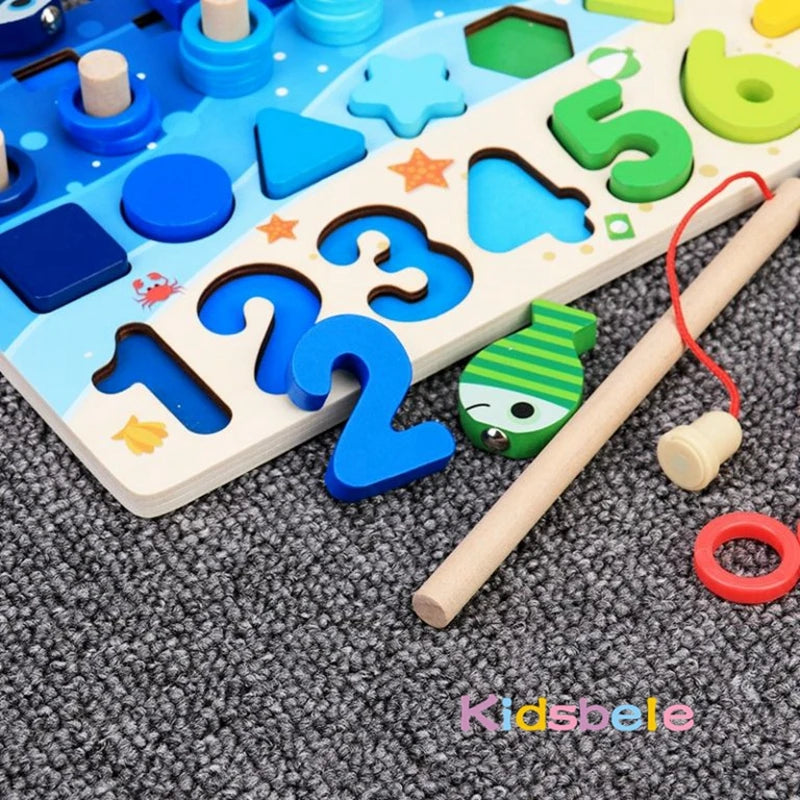
Wooden toys for 3 year olds encourage independent play and cognitive growth. 💡 See it in action
How Montessori Wooden Toys Build Independent Thinking
Montessori-inspired educational wood toys encourage self-directed exploration. These tools are designed to help children discover concepts independently, which strengthens confidence and persistence.
Key Benefits of Montessori-Style Toys
- Encourage self-correcting learning experiences
- Build concentration and attention span
- Promote hands-on learning math through physical interaction
- Support multi-sensory development
The Montessori Math Toy Wooden Puzzle provides progressive difficulty levels, allowing children to learn counting and sorting naturally through play.
Many parents combine Montessori toys with calming environments using comfort products from the Sleep & Comfort collection to support focused learning sessions.
How to Choose the Right Educational Toy for Your Child
Look for Skill-Building Value
Toys should support multiple developmental areas such as math readiness, creativity, and motor coordination.
Choose Age-Appropriate Challenge Levels
Toys that are too simple can cause boredom. Overly difficult toys may cause frustration. The best options grow with your child’s abilities.
Prioritize Durable and Safe Materials
Wooden toys often last longer and contain fewer overstimulating features. Many parents prefer them for long-term learning value.
Encourage Parent-Child Interaction
Interactive toys strengthen bonding while helping parents support early learning milestones.
Safety and supervision are easier when combining learning toys with smart monitoring solutions from the Monitoring Devices collection.
What Parents Notice After Introducing Learning Toys
Families often report noticeable improvements after adding structured educational toys into play routines.
- Children show stronger concentration during independent play
- Improved recognition of numbers and patterns
- Increased confidence when solving simple challenges
- Reduced reliance on screen-based entertainment
One parent shared that after introducing the Montessori Math Toy Wooden Puzzle, their child began recognizing number patterns within two weeks and asked to practice sorting activities independently.
Safety Tips When Selecting Preschool Learning Toys
- Check for smooth edges and non-toxic finishes
- Avoid small detachable parts that could pose choking hazards
- Choose toys with sturdy construction and secure components
- Supervise early use to teach proper play methods
Parents can explore additional child safety resources and protective products within the Health & Safety collection.
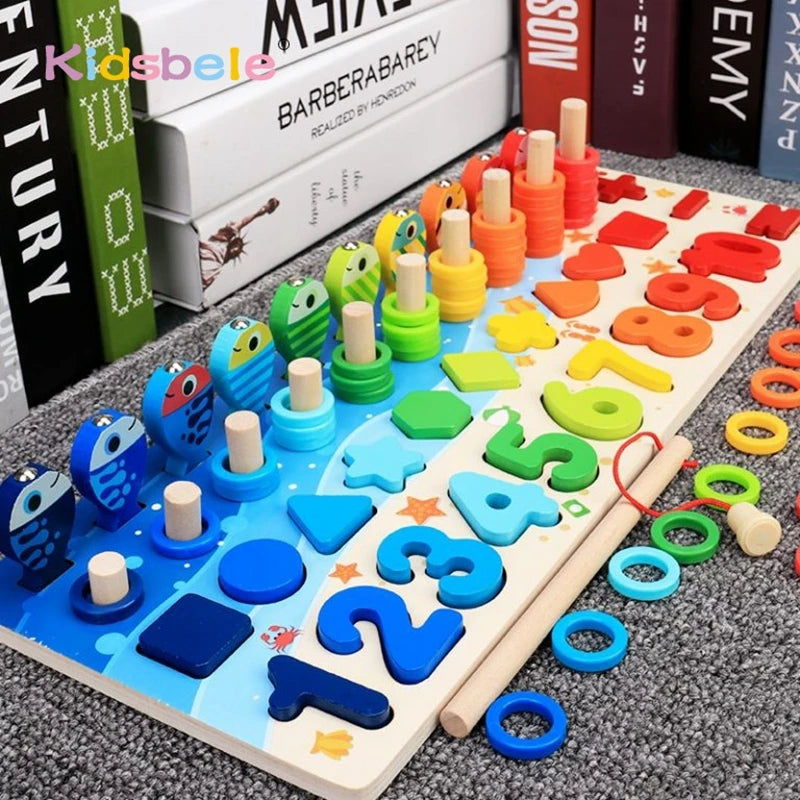
Educational wood toys strengthen early childhood development and kindergarten readiness. 💡 See it in action
Why the Montessori Math Toy Wooden Puzzle Stands Out
The Montessori Math Toy Wooden Puzzle supports early math development through tactile, hands-on learning experiences. Its structured design helps children practice counting, sorting, and pattern recognition while promoting independent problem solving. Durable wooden construction ensures long-lasting educational value for growing preschool learners.
Pros and Considerations
| Pros | Considerations |
|---|---|
| Supports multiple developmental skills | Requires guided introduction for beginners |
| Durable wooden construction | Best used with supervised learning sessions initially |
| Encourages independent exploration | Limited electronic or sound stimulation |
👉 Ready to support your child’s early math confidence?
Explore the Montessori Math Toy Wooden Puzzle and help build strong learning foundations today.
Frequently Asked Questions
What skills should educational toys for 3 year olds develop?
They should support early math understanding, fine motor coordination, problem solving, creativity, and independent thinking. Toys that combine multiple skills often provide the strongest developmental value.
Are wooden toys better for preschool learning?
Wooden toys often promote focused, imaginative play and typically last longer. Their simple design helps reduce distractions, allowing children to concentrate on problem solving and skill building.
How often should children use educational learning toys?
Short daily sessions of 20 to 30 minutes provide strong developmental benefits while keeping play enjoyable. Mixing learning toys with imaginative and physical play supports balanced development.
Related Guide: Preschool Math Manipulatives Compared: Best Picks for Play





