

Educational Toys Without Screens: 7 Proven Calm Picks
Do educational toys without screens really help kids focus?
Educational toys without screens support calmer, longer attention by reducing overstimulation and encouraging hands-on problem solving. Research-backed play patterns show children engage more deeply with tactile materials, helping address screen time learning concerns kids face while strengthening patience, creativity, and independent thinking.
Educational Toys Without Screens Compared for Calm Learning
⏱ 6 min read
Educational toys without screens are becoming the quiet heroes for families craving calmer playtime and deeper focus. When screen time learning concerns kids and short attention spans creep in, these tools offer low focus educational activities that gently reset how children engage. From puzzles to open-ended manipulatives, they encourage hands on learning for preschoolers while supporting independence, patience, and creativity. The surprise? Many children stay engaged longer without flashy tech—so which toys actually work best?
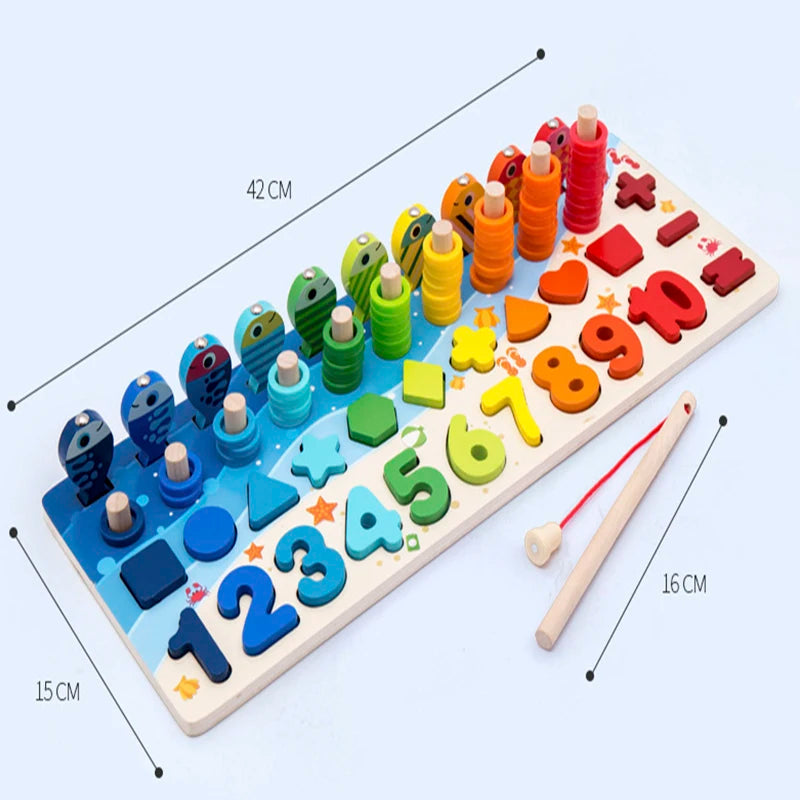
Educational toys without screens that reduce screen time learning concerns kids face 💡 See it in action
Why Screen-Free Learning Feels Calmer for Kids
Many parents notice the same pattern: after digital play, kids feel wired, distracted, or frustrated. Educational toys without screens slow the pace. They invite children to touch, build, sort, and imagine—activities that naturally regulate energy and attention.
- Fewer distractions mean deeper focus
- Physical interaction supports memory and problem-solving
- Calmer play often leads to smoother transitions
- Independent exploration builds confidence
Families browsing Baby Growth & Learning often look for toys that feel purposeful without overwhelming their child. Screen-free options consistently rise to the top for calm daily routines.
Comparing Popular Educational Toys Without Screens
Not all screen-free toys support learning in the same way. Below is a clear comparison to help you see where each option fits best.
| Toy Type | Best For | Pros | Limitations |
|---|---|---|---|
| Wooden Puzzles | Problem-solving, patience | Durable, calming, self-paced | Limited open-ended play |
| Manipulatives & Blocks | Creativity, math readiness | Highly flexible, long engagement | Requires space to store |
| Sorting & Matching Toys | Early logic, fine motor skills | Clear learning goals, easy cleanup | May feel repetitive over time |
| Open-Ended Pretend Sets | Imagination, social skills | Supports storytelling and independence | Less structured guidance |
Parents concerned about low focus educational activities often prefer manipulatives and open-ended toys because children can return to them again and again with new ideas.
How Hands-On Learning Supports Preschoolers
Educational toys without screens shine during the preschool years, when brains learn best through movement and touch.
Key benefits of hands on learning for preschoolers
- Strengthens fine motor control needed for writing
- Builds early math and logic foundations
- Encourages problem-solving without pressure
- Supports emotional regulation through calm play
Many families pair these toys with sensory-friendly items from Sensory Toys to create a balanced play space that supports focus without overstimulation.
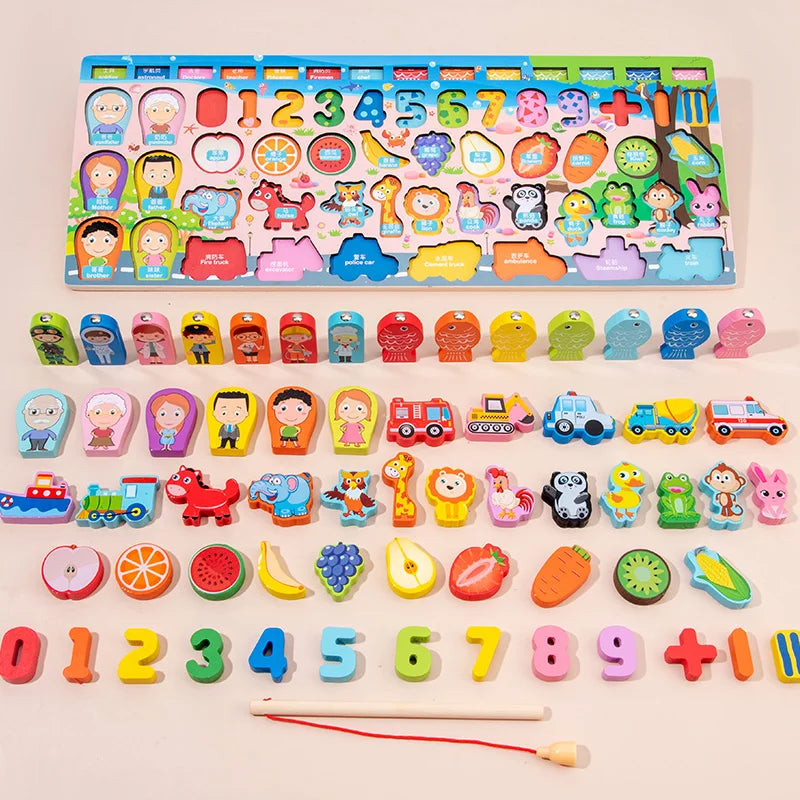
Hands on learning for preschoolers using educational toys without screens 💡 See it in action
Montessori Wooden Math Toy: Where It Fits Best
Educational toys without screens like wooden math sets combine structure with freedom. They guide learning while letting children move at their own pace.
This Montessori-inspired option works especially well for:
- Counting and number recognition
- Simple addition and subtraction
- Building confidence through self-correction
- Quiet, independent play sessions
Montessori Wooden Math Toy fits naturally into routines focused on calm learning. Parents often note longer engagement compared to digital alternatives, especially when paired with daily quiet time.
For families prioritizing safety and simplicity, browsing Health & Safety alongside learning tools can help create a well-rounded environment.
How to Choose the Right Screen-Free Toy for Your Child
Feeling overwhelmed by options is common. Use these simple filters to narrow your choice.
- Match the toy to your child’s energy level: High-energy kids often benefit from structured manipulatives.
- Look for open-ended value: Toys that grow with your child last longer.
- Prioritize calm materials: Wood, fabric, and neutral colors reduce stimulation.
- Consider daily routines: Quiet toys work best during wind-down periods.
Parents building calm evenings often combine learning toys with comfort items from Sleep & Comfort to support smoother transitions before bed.
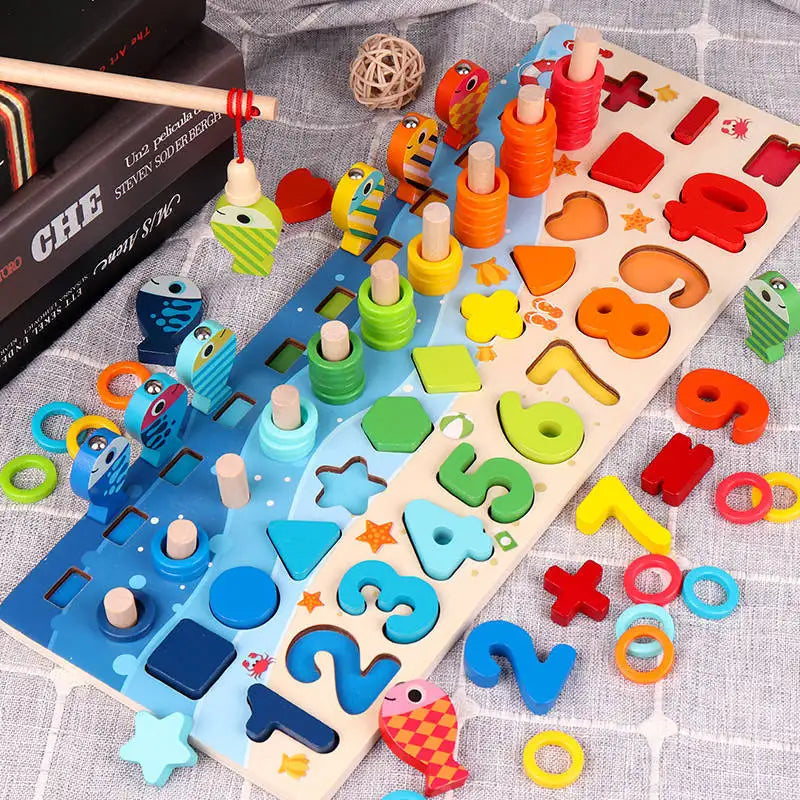
Low focus educational activities using educational toys without screens 💡 See it in action
Quick Questions Parents Ask About Screen-Free Learning
Are educational toys without screens better than digital learning apps?
Educational toys without screens support deeper focus and self-paced exploration. While digital tools can be helpful, many parents prefer screen-free options to reduce overstimulation and encourage hands-on learning for preschoolers.
How long should my child play with screen-free toys each day?
There’s no strict rule. Many families aim for multiple short sessions totaling 30–90 minutes, depending on age and interest. The key is consistency and observing your child’s engagement.
What if my child resists non-digital toys at first?
This is common. Start with short, guided play and model curiosity. Over time, children often rediscover joy in low focus educational activities that feel calmer and more satisfying.
Related Guide: Montessori Educational Wooden Toy Compared for Preschool Math





