

Educational Wooden Toy Toddlers: How to Build Skills Daily
Do educational wooden toy toddlers really help build daily skills?
Educational wooden toy toddlers support steady learning through hands-on play that builds focus, problem-solving, and good coordination and motor skills. By using educational wood toys daily, parents can encourage early childhood development toys that strengthen fine motor control, independence, and calm routines without relying on screens.
Educational Wooden Toy Toddlers: How to Build Skills Daily
Educational wooden toy toddlers thrive when playtime quietly builds real skills instead of screen habits. These hands-on pieces turn everyday moments into learning wins, using educational wood toys designed as early childhood development toys that support focus, problem-solving, and good coordination and motor skills. Parents are often surprised how quickly routines become calmer and progress becomes visible—so what simple swaps can unlock that growth every single day?
⏱ 7 min read
Many parents worry their toddlers are bored too quickly, glued to screens, or frustrated by toys that don’t actually teach anything. Have you ever wondered why some play sessions feel chaotic while others feel calm and purposeful?
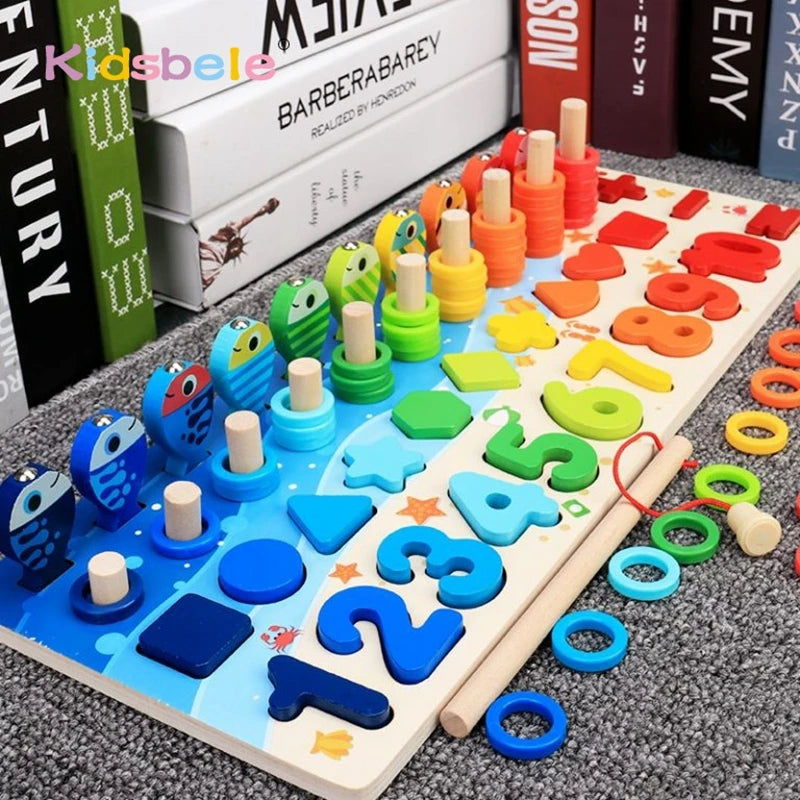
Educational wooden toy toddlers learning calmly with educational wood toys 💡 See it in action
Why Educational Wooden Toys Build Real Skills
Educational wooden toy toddlers benefit from toys that slow play down and invite thinking. Unlike flashy toys, wooden pieces encourage hands-on exploration, patience, and repetition—key elements of early childhood development toys.
- They encourage problem-solving instead of passive watching
- They strengthen hand-eye coordination naturally
- They reduce overstimulation and frustration
- They support longer attention spans over time
Parents often notice fewer meltdowns and more focused play when wooden toys become part of daily routines.
👉 Discover calming learning options in Baby Growth & Learning
How to Use Educational Wooden Toys Daily
Educational wooden toy toddlers don’t need long lessons. Short, repeated moments throughout the day work best and feel natural for busy parents.
- Set out one or two toys in the morning
- Invite your toddler to explore freely
- Use simple words to describe actions
- Rotate toys every few days to keep interest high
Consistency matters more than duration. Even 10 focused minutes can create visible progress.
Building Good Coordination and Motor Skills
Educational wooden toy toddlers improve control by grasping, stacking, sorting, and fitting pieces together. These movements directly support good coordination and motor skills needed for writing, dressing, and self-feeding later.
- Pinching small pieces builds finger strength
- Placing shapes improves spatial awareness
- Stacking encourages balance and control
- Sorting builds early logic and sequencing
For extra sensory engagement, pairing wooden toys with textures from Sensory Toys can deepen focus.
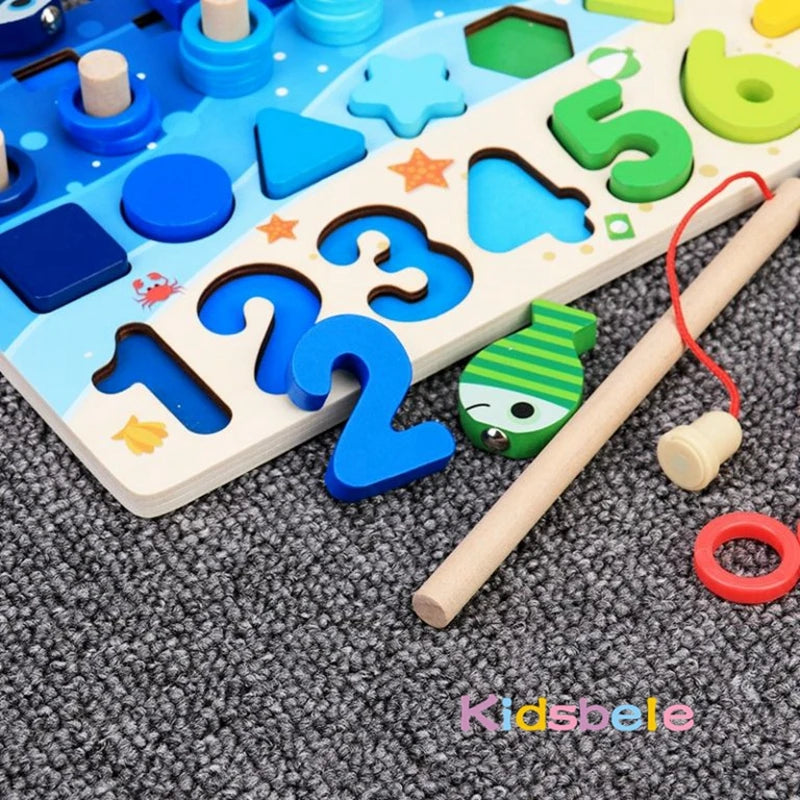
Educational wood toys supporting early childhood development toys 💡 See it in action
Step-by-Step Daily Play Guide for Busy Parents
Educational wooden toy toddlers thrive when play fits real life, not perfect schedules.
- After breakfast, offer one wooden puzzle
- Sit nearby and model calm play
- Let your toddler try independently
- Praise effort, not results
- End before frustration starts
This approach builds confidence while keeping routines peaceful.
👉 Learn practical daily routines inside Baby Care Tips & Advice
Wooden Toys vs. Electronic Toys: What Parents Notice
| Wooden Toys | Electronic Toys |
|---|---|
| Encourage active thinking | Often passive interaction |
| Support fine motor skills | Limited hand use |
| Calmer play sessions | Overstimulation risk |
| Long-term skill growth | Short attention cycles |
Many parents report improved focus and calmer evenings after switching to educational wood toys.
Why This Montessori Math Toy Fits Daily Learning
Educational wooden toy toddlers benefit most from toys that grow with them. The Montessori math wooden puzzle supports counting, sorting, and logic while strengthening good coordination and motor skills.
Parents appreciate how it works across ages, making it a reliable part of daily routines without clutter.
👉 Explore the Montessori Math Wooden Puzzle here: Montessori Math Toy Wooden Puzzle
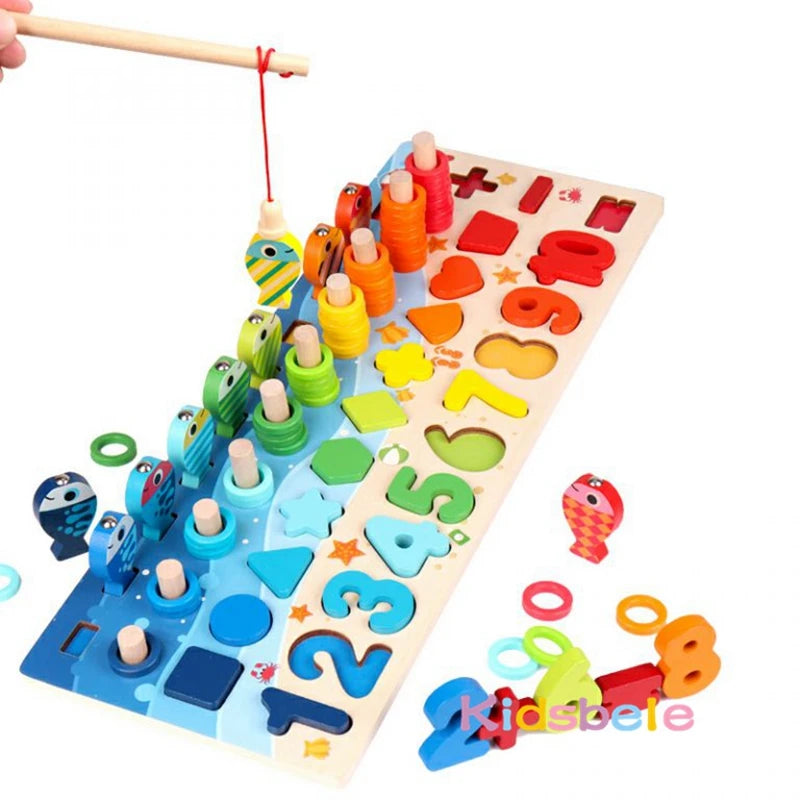
Educational wooden toy toddlers practicing skills daily 💡 See it in action
For families building a full learning space, combining wooden toys with movement tools from Mobility & Training can support whole-body development.
👉 Bring calm, skill-building play home today — limited stock available
Mini FAQ
How often should toddlers use educational wooden toys?
Daily short sessions work best. Even 10–15 minutes helps reinforce skills without overwhelming attention spans.
Are educational wooden toys safe for toddlers?
Quality wooden toys are durable, stable, and free from loud or overstimulating elements when age-appropriate.
At what age do educational wooden toy toddlers benefit most?
Most toddlers benefit from 12 months onward, with increasing complexity as coordination and thinking skills grow.
Related Guide: Math Hands On Activities for Preschoolers: Step by Step Play





