

What Are the Most Durable Hip Seat Carriers for Daily Use?
What are the most durable hip seat carriers for daily use and daycare drops?
The most durable hip seat carriers for daily use and daycare drops combine reinforced stitching, supportive waist belts, high-quality buckles, and ergonomic seating that keeps babies in a healthy position while reducing strain on caregivers. For everyday families, durability means more than surviving years of use—it also means maintaining comfort, stability, and support through countless pick-ups, errands, and daycare transitions.
Top-performing models typically include ergonomic hip seat carriers, structured baby carriers with hip seat attachments, and premium options from established babywearing brands. The best choice depends on your child's age, how often you carry them, and whether your routine involves frequent up-and-down movement or longer outings.
Ergonomic Hip Seat Carrier Compared: Which Feels Best Daily?
Ergonomic hip seat carrier comfort depends on more than soft padding. A well-designed carrier distributes weight evenly, supports healthy hip positioning, and reduces pressure on your back throughout everyday routines. Whether you're walking through the grocery store, dropping your child at daycare, or exploring outdoors, choosing the right carrier can make daily babywearing noticeably more comfortable. ⏱ 7 min read
Have you ever set your baby down after carrying them and felt that deep ache in your lower back or hips? You're not alone. Many caregivers love the convenience of hip seat carriers but worry about bulk, awkward posture, or uneven weight. Understanding which features truly improve everyday comfort can help you choose a carrier you'll actually enjoy using.
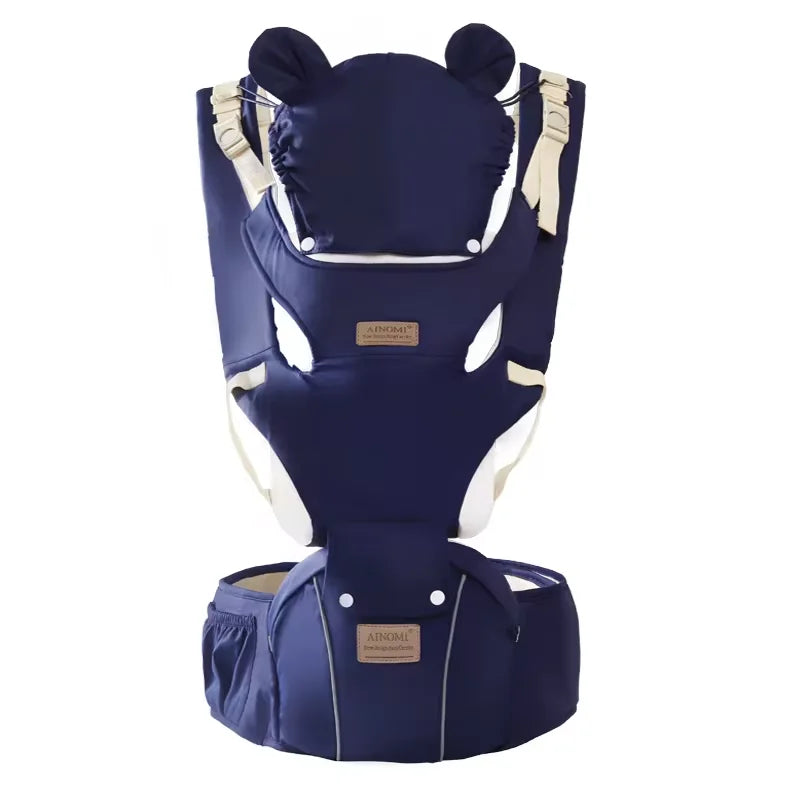
Ergonomic hip seat carrier with even weight distribution for daily comfort. See it in action.
Quick Comparison Table: Best Hip Seat Carriers for Everyday Parents
| Carrier | Durability | Comfort | Storage | Typical Weight Range | Best For |
|---|---|---|---|---|---|
| Ergonomic Hip Seat Carrier | Excellent | Excellent | Built-in pockets | Infants to toddlers (manufacturer guidelines) | Everyday family use |
| Infantino Flip 4-in-1 | Good | Good | Limited | Growing babies | Budget-conscious parents |
| Ergobaby Alta Hip Seat | Excellent | Excellent | Good | Older babies and toddlers | Frequent carrying |
| MiaMily Hipster Plus | Excellent | Premium | Excellent | Wide age range | Heavy daily use |
The Best Hip Seat Carriers for Daily Use
Best overall
An ergonomic hip seat carrier with a supportive waistband, broad seat, and balanced weight distribution offers the best mix of comfort, practicality, and everyday versatility. It performs well during errands, travel, and extended carrying sessions while promoting a healthy sitting posture.
Best for daycare drop-offs
Parents who frequently move children in and out of vehicles often appreciate hip seat carriers that allow fast pick-up and set-down without complicated adjustments.
Best value
Affordable models can still provide excellent comfort when they include sturdy buckles, durable stitching, and an ergonomic seat, even if they offer fewer storage features.
Best for toddlers
Older babies and toddlers benefit from wider seats, firmer waist support, and higher weight capacities that maintain stability as children become heavier and more active.
Best premium option
Premium carriers often justify their higher price with stronger materials, better ventilation, higher-quality hardware, additional storage, and longer product lifespan.
Why Ergonomics Matter for Daily Babywearing
An ergonomic hip seat carrier supports even weight distribution and helps maintain a healthy sitting posture for your child while reducing pressure on your spine. Over weeks and months of regular use, these design features can significantly improve comfort for both parent and baby.
Unlike traditional carriers that rely primarily on shoulder straps, hip seat carriers transfer much of the baby's weight to the hips and core, reducing shoulder fatigue and helping maintain a more natural posture.
Common daily pain points parents report
- Lower back soreness after short trips
- Uneven shoulder fatigue
- Babies slipping into uncomfortable positions
- Poor balance while walking, bending, or climbing stairs
These issues are often related to uneven load distribution rather than carrying duration alone.
Ergonomic hip seat carrier benefits
- More even weight distribution across the waist and hips
- Reduced shoulder and neck strain
- Better support for healthy baby positioning
- Faster transitions during everyday routines
- Greater confidence carrying heavier babies and toddlers
How We Evaluated Durability
When comparing the most durable hip seat carriers, we focused on the features that matter most during years of regular family use:
- Heavy-duty fabric that resists daily wear.
- Reinforced stitching at high-stress areas.
- Strong waist buckles and adjustment hardware.
- Firm seat construction that retains its shape.
- Easy-to-clean materials suitable for everyday spills.
- Manufacturer reputation and warranty support.
These factors influence not only longevity but also long-term comfort and safety.
Side-by-Side Comparison: What Really Differs
| Feature | Basic Carrier | Ergonomic Hip Seat Carrier |
|---|---|---|
| Durability | Varies by model | Typically reinforced for heavier daily use |
| Comfort | Mostly shoulder support | Weight shared across hips, core, and shoulders |
| Storage | Usually minimal | Often includes practical storage pockets |
| Ease of cleaning | Depends on fabric | Many feature wipeable surfaces and removable components |
The biggest everyday difference isn't simply padding—it's how efficiently the carrier manages your baby's weight while allowing natural movement throughout busy routines.
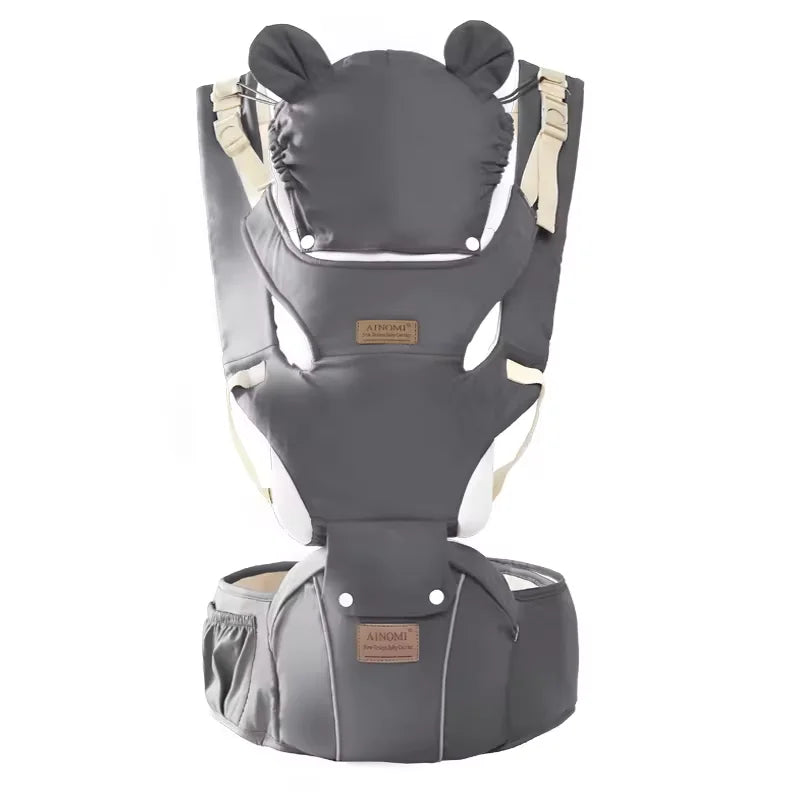
Even weight distribution reduces daily strain for parents. See it in action.
Pros and Cons You'll Notice Over Time
What parents love
- Less lower back fatigue during extended outings.
- Better stability as babies become heavier.
- Quick transitions during daycare drop-offs and errands.
- Improved posture throughout the day.
- Useful storage compartments on many models.
Hip seat carrier disadvantages to consider
- Bulkier than lightweight wraps.
- Requires proper adjustment for maximum comfort.
- Can occupy more storage space when traveling.
- Quality varies significantly between brands.
For families carrying children multiple times every day, the comfort benefits often outweigh these practical trade-offs.
Hip Seat Carrier vs Baby Carrier: Which Is Better for Everyday Use?
A traditional soft baby carrier generally performs better during long hands-free walks or naps, while a hip seat carrier excels during frequent up-and-down routines such as daycare drop-offs, shopping trips, playground visits, and quick household tasks.
If your child frequently asks to be picked up and put down, many parents find a hip seat carrier more convenient because it reduces repeated lifting strain and speeds up transitions.
How to Choose a Hip Seat Carrier That Lasts
- Choose a seat that supports your baby's natural "M" sitting position.
- Look for reinforced stitching and durable buckles.
- Select breathable, easy-to-clean materials.
- Verify the manufacturer's recommended weight limits.
- Check available warranty coverage and replacement parts.
- Test waist support before focusing on shoulder padding.
Families often compare mobility products alongside Mobility & Training tools as children become increasingly active.
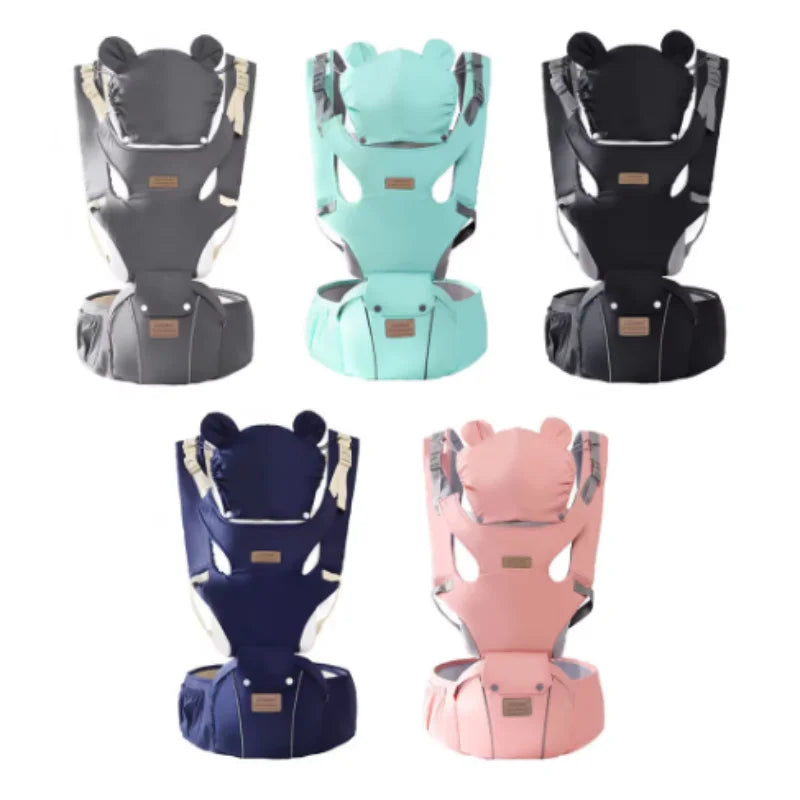
Healthy sitting posture and parent back support combined. See it in action.
What Real Parents Say After Months of Use
Parents who regularly use ergonomic hip seat carriers commonly report that the carrier becomes more comfortable after proper adjustment and routine use. Long-term feedback frequently mentions reduced back fatigue, easier daycare drop-offs, and improved confidence carrying heavier toddlers.
Many caregivers also appreciate durable fabrics that remain supportive after repeated cleaning and daily wear. Families often pair comfortable carrying routines with calming products from Sleep & Comfort to make evenings more manageable.
Cleaning and Maintenance Tips to Extend Carrier Life
- Follow the manufacturer's washing instructions.
- Air dry whenever possible to preserve foam padding.
- Inspect buckles and stitching regularly.
- Store the carrier in a dry location away from direct sunlight.
- Clean spills promptly to prevent fabric damage.
- Avoid exceeding recommended weight limits.
Routine maintenance helps preserve both comfort and safety throughout years of everyday use.
Frequently Asked Questions
Which hip seat carrier lasts the longest?
Models built with reinforced stitching, durable fabrics, quality buckles, and supportive waist belts generally provide the longest service life when properly maintained.
Is a hip seat carrier good for daycare drop-offs?
Yes. Hip seat carriers are especially convenient for daycare routines because they allow quick transitions while reducing repeated lifting strain.
Hip seat carrier vs baby carrier: which is more durable?
Durability depends more on construction quality than style. Premium versions of either design can last for years with appropriate care.
What are the disadvantages of a hip seat carrier?
The main disadvantages include additional bulk, a short learning curve for adjustment, and larger storage requirements compared with minimalist carriers. High-quality ergonomic models help minimize these drawbacks.
How do I choose a durable hip seat carrier?
Look for reinforced stitching, high-quality hardware, supportive waist padding, breathable materials, appropriate weight limits, and positive long-term reliability reviews.
Related Guide: Best Baby Hip Seat Carrier: Side-by-Side Comfort Tests





