

Eye Hand Coordination Exercises Kids Can Do Indoors
Do eye hand coordination exercises really work for kids indoors?
Eye hand coordination exercises help children improve focus, timing, and control by syncing what they see with how they move. Short daily sessions at home—using simple indoor sporting activities, active play toys, or home basketball training—can strengthen motor skills, boost confidence, and support learning readiness without extra space or screens.
Eye Hand Coordination Exercises Kids Can Do Indoors
Eye hand coordination exercises are an easy way to sharpen focus, timing, and confidence without leaving the house. With simple setups that blend indoor sporting activities, engaging active play toys, and even creative home basketball training, kids can build real skills while burning energy indoors. Research shows short daily play boosts learning readiness more than passive screen time—but which games deliver the biggest results with the least effort?
⏱ 7 min read
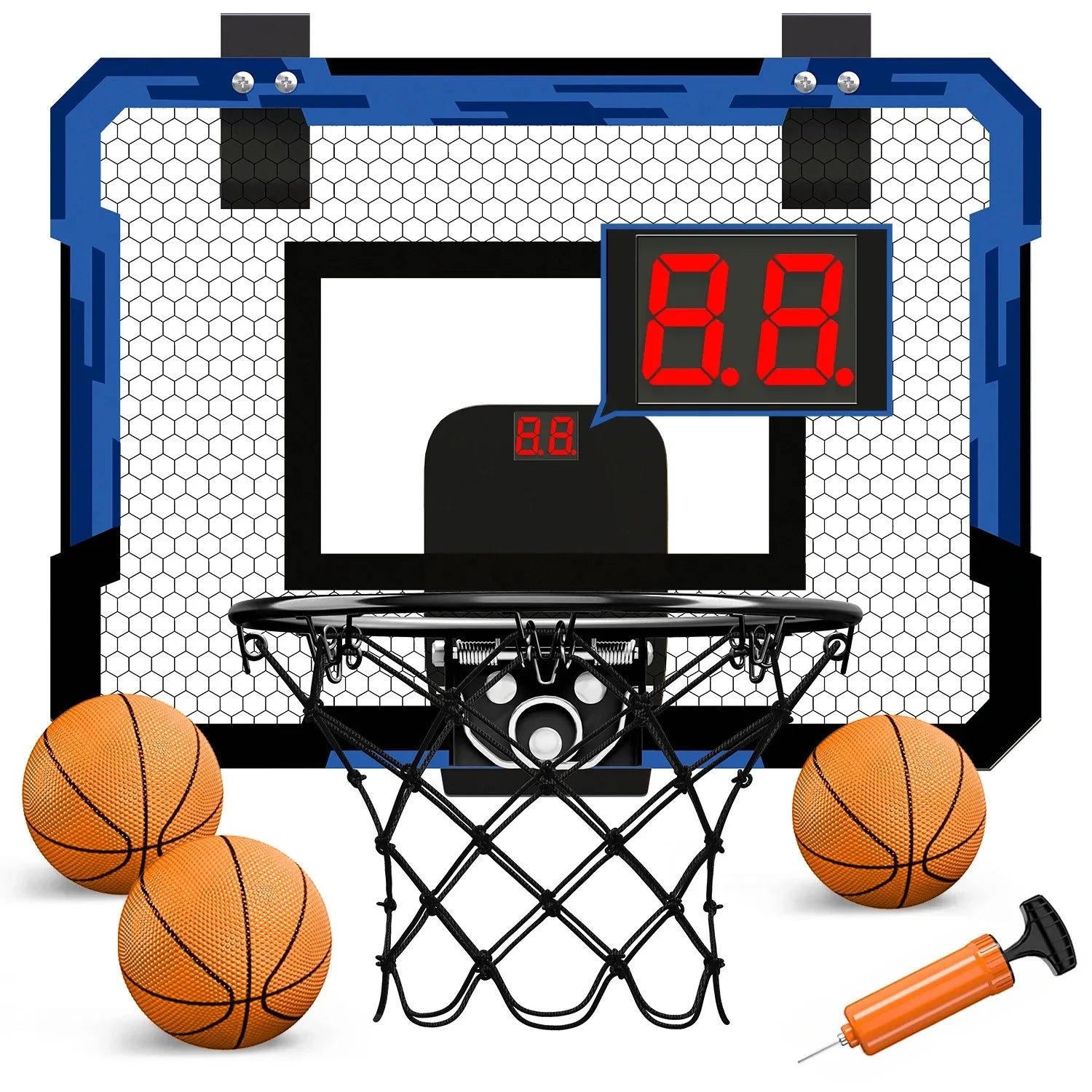
Eye hand coordination exercises combined with indoor sporting activities can turn any room into a skill-building zone. 💡 See it in action
Why Eye Hand Coordination Matters for Growing Kids
Many parents notice their child dropping balls, missing targets, or struggling to focus during play. These moments are common and often signal that coordination skills are still developing. Eye hand coordination exercises help bridge that gap by training the brain and body to work together smoothly.
Strong coordination supports:
- Better writing, drawing, and self-care skills
- Improved attention during learning tasks
- Confidence in sports and group play
- Safer movement awareness indoors
Families exploring Baby Growth & Learning often find that short, playful routines fit easily into busy days.
A Simple Indoor Plan Parents Can Start Today
Eye hand coordination exercises don’t need fancy equipment or long sessions. Consistency matters more than complexity.
- Choose one focused activity (5–10 minutes).
- Use clear targets or colorful objects.
- Encourage slow, accurate movements first.
- Celebrate effort, not perfection.
This approach keeps kids motivated while avoiding messy routines or overwhelm.
Core Eye Hand Coordination Exercises That Work Indoors
Eye hand coordination exercises improve control by linking vision with precise movement. Indoors, the best activities are simple, repeatable, and adaptable for different ages. Using soft balls, targets, or active play toys helps kids practice tracking, aiming, and timing safely within small spaces.
1. Wall Toss and Catch
Have your child toss a soft ball against the wall and catch it on the rebound. Start with two hands, then switch to one.
- Builds reaction speed
- Improves visual tracking
- Easy to adjust distance
2. Target Drop Game
Drop small beanbags into bowls placed at different distances. Change colors or sizes to increase challenge.
3. Balloon Volleyball
A balloon moves slowly, giving kids more time to react. This reduces frustration while training accuracy.
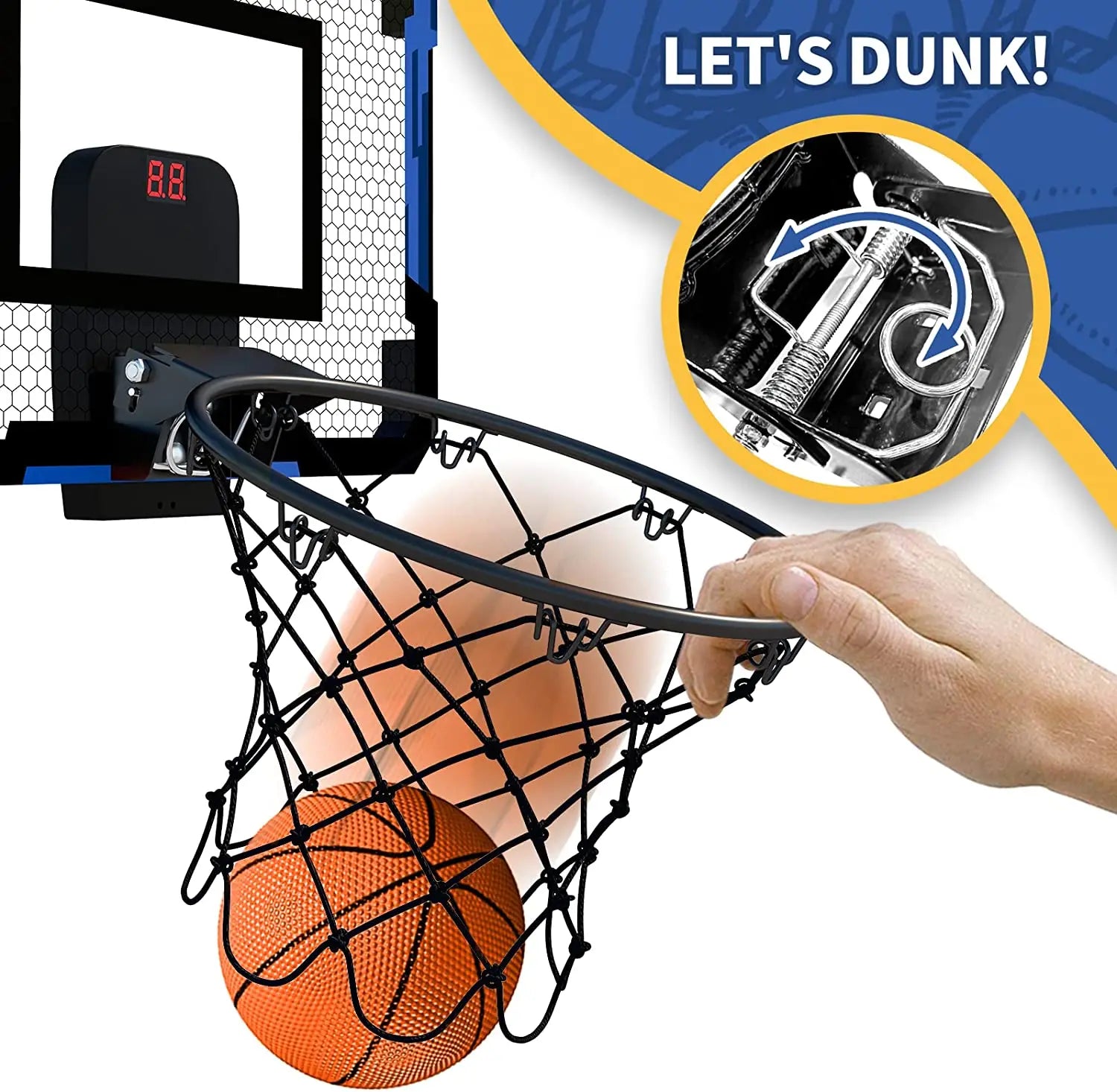
Active play toys make eye hand coordination exercises more engaging for indoor sporting activities. 💡 See it in action
How Home Basketball Training Builds Confidence
Home basketball training is a favorite for families because it blends fun with clear skill progress. Shooting, aiming, and retrieving the ball naturally strengthen coordination.
Using a kid-sized hoop like this indoor basketball option allows children to practice without safety worries or large spaces.
| Benefit | What Kids Gain |
|---|---|
| Visual focus | Tracking the hoop improves accuracy |
| Arm control | Smoother, more confident throws |
| Motivation | Clear goals keep kids engaged |
Parents often pair basketball play with items from Mobility & Training to support balanced movement indoors.
Choosing Active Play Toys That Actually Help
Not all toys build coordination. Look for options that encourage repeated aiming, catching, or stacking.
- Soft balls and rings
- Stacking cups with targets
- Adjustable indoor hoops
- Color-matching toss games
Collections like Sensory Toys and Baby Growth & Learning are designed to support skill-building without overstimulation.
Safe Indoor Setup Tips for Stress-Free Play
Safety worries can stop play before it starts. A few adjustments make a big difference.
- Clear breakable items from the play zone
- Use soft, lightweight equipment
- Supervise younger children closely
- Choose stable, well-designed toys
Parents who prioritize peace of mind often explore Health & Safety for home-friendly play solutions.
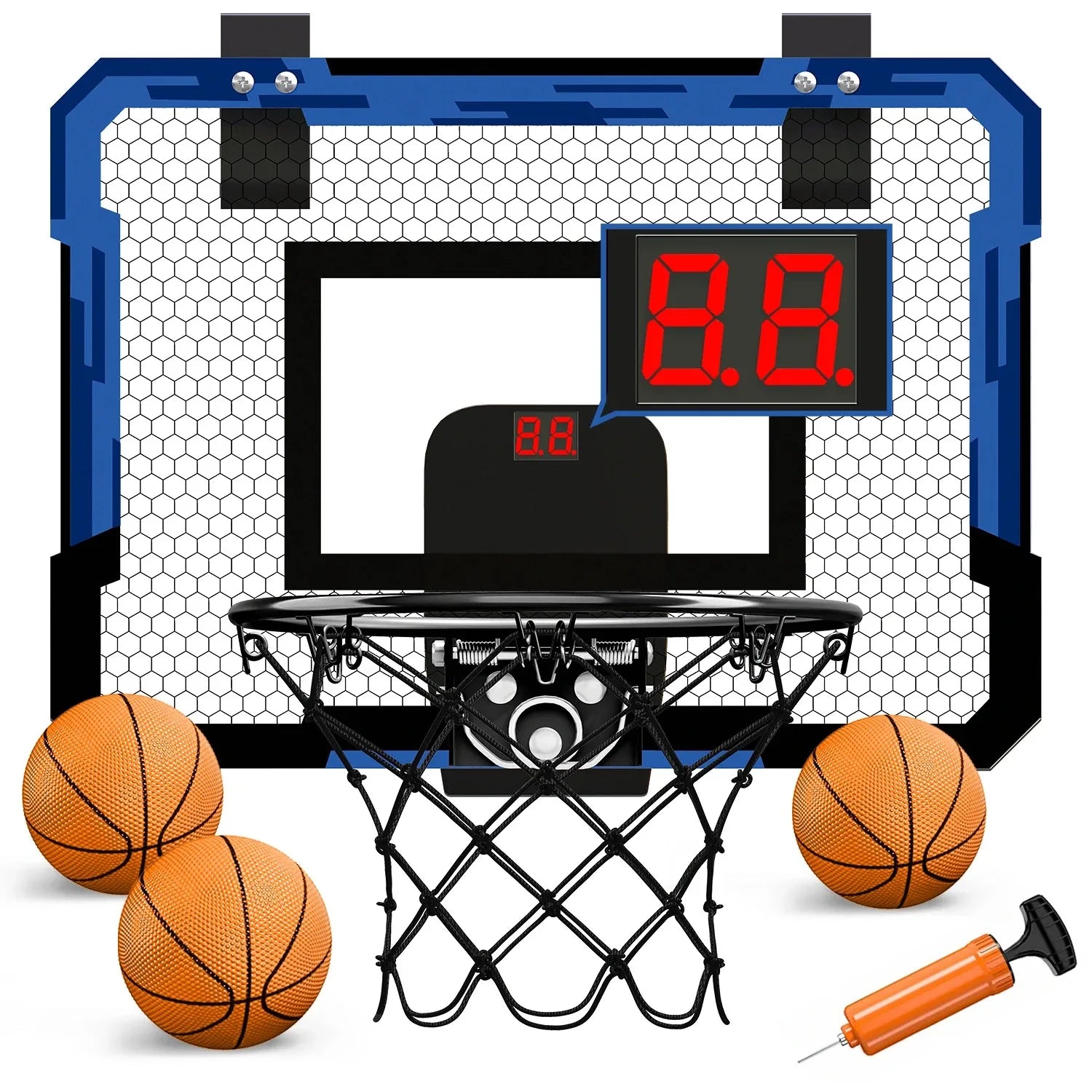
Home basketball training turns eye hand coordination exercises into a confidence boost. 💡 See it in action
Quick Questions Parents Ask
How often should kids practice eye hand coordination exercises?
Short daily sessions of 5–15 minutes are enough. Consistency matters more than long playtimes.
What age can start indoor coordination games?
Toddlers can begin with simple toss and stack games, while older kids enjoy structured challenges like home basketball training.
Do screens help with coordination?
Hands-on indoor sporting activities are more effective because they engage the whole body and provide real movement feedback.
Related Guide: How to Build Hand Eye Coordination With Simple Home Games





