

Eye Hand Coordination Exercises: 7 Soccer Accuracy Drills
Do eye hand coordination exercises really improve soccer control?
Eye hand coordination exercises improve soccer control by sharpening reaction speed, first touch, and timing under pressure. When players pair visual tracking with quick hand responses, their brain processes movement faster, leading to cleaner traps, more accurate passes, and better decisions during real matches.
Eye Hand Coordination Exercises That Improve Soccer Control
Eye hand coordination exercises can transform how young players control the ball, especially when practice feels more like play than pressure. Instead of endless drills that cause burnout, smart coordination training builds faster reactions, softer first touches, and confident decision-making that carries straight into real games.
⏱ 7 min read
Ever notice how some kids always seem one step ahead of the ball? It’s rarely luck. It’s coordination. When the eyes, hands, and brain sync smoothly, soccer control improves naturally—without frustration or overload.
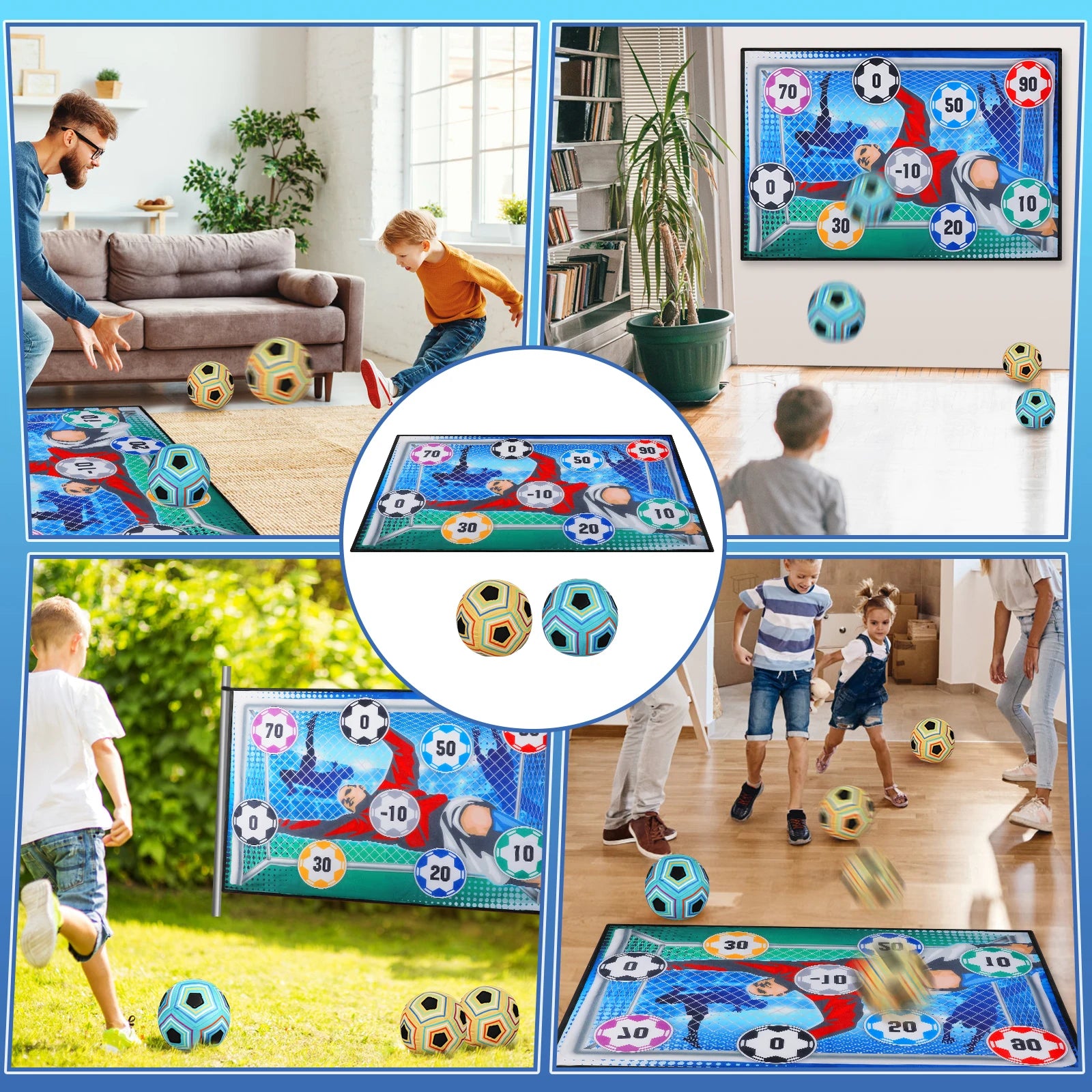
Eye hand coordination exercises improve reaction speed and ball control 💡 See it in action
Why Eye Hand Coordination Matters for Soccer Control
Strong soccer control starts before the foot ever touches the ball. It begins with how quickly a player sees movement, processes it, and responds. That chain reaction is coordination.
For parents and coaches, this matters because:
- Kids develop confidence faster when they feel in control
- Better reactions reduce panic touches and rushed passes
- Training feels more like play, less like pressure
- Skills transfer naturally into real match situations
Coordination-based training is especially helpful for younger players whose brains are still developing rapid decision pathways. This is where targeted play tools and reaction games shine.
What Are Eye Hand Coordination Exercises?
Eye hand coordination exercises train players to track movement visually and respond instantly with controlled hand actions. In soccer training, these exercises improve timing, awareness, and reaction speed—skills that directly affect first touch, passing accuracy, and defensive responses.
Unlike foot-only drills, these exercises activate more neural pathways. The hands move faster than feet, teaching the brain to process information quickly before translating it into lower-body control.
Common benefits include:
- Faster reaction time under pressure
- Improved spatial awareness
- Smoother transitions between seeing and acting
- Reduced hesitation during play
Best Eye Hand Coordination Exercises for Soccer Players
Eye hand coordination exercises build faster reactions and cleaner soccer control by training the brain to process movement instantly. When practiced consistently, they help players anticipate the ball, react smoothly, and maintain balance even in chaotic game situations.
1. Reactive Target Catch
Place multiple targets at different heights. Call out colors or numbers randomly as the player reacts and taps or catches the target.
- Improves visual scanning
- Builds reaction speed
- Enhances focus under distraction
2. Bounce-and-Control Drill
Toss a ball against a wall, catch it quickly, then immediately drop it to control with the foot.
- Bridges hand speed to foot control
- Encourages quick transitions
- Mimics unpredictable rebounds
3. Sticky Target Reaction Training
Using a sticky goal-style target, players throw lightweight balls at visual cues and react instantly to rebounds.
This type of play-based reaction training aligns perfectly with tools found in Sensory Toys and Baby Growth & Learning, where visual-motor development is the core focus.
Soccer Accuracy Drills That Reinforce Control
Soccer accuracy drills work best when coordination comes first. Once reaction speed improves, accuracy follows naturally.
| Drill | Main Benefit | Best For |
|---|---|---|
| Target Passing | Precision and timing | Youth players |
| Color-Call Shooting | Decision speed | Beginners |
| Rebound Control | First-touch mastery | All levels |
These drills pair well with coordination-focused play from Mobility & Training collections that support balance and movement control.
Fun Soccer Drills for Beginners That Don’t Feel Like Practice
Fun soccer drills for beginners keep kids engaged while quietly building core skills. When drills feel like games, kids stay motivated longer and learn faster.
- Reaction races with visual cues
- Throw-and-trap challenges
- Target toss followed by foot control
- Timed coordination games
Parents often notice improvements not just in soccer, but in overall focus and confidence—similar benefits seen in structured play from Baby Growth & Learning Tips.
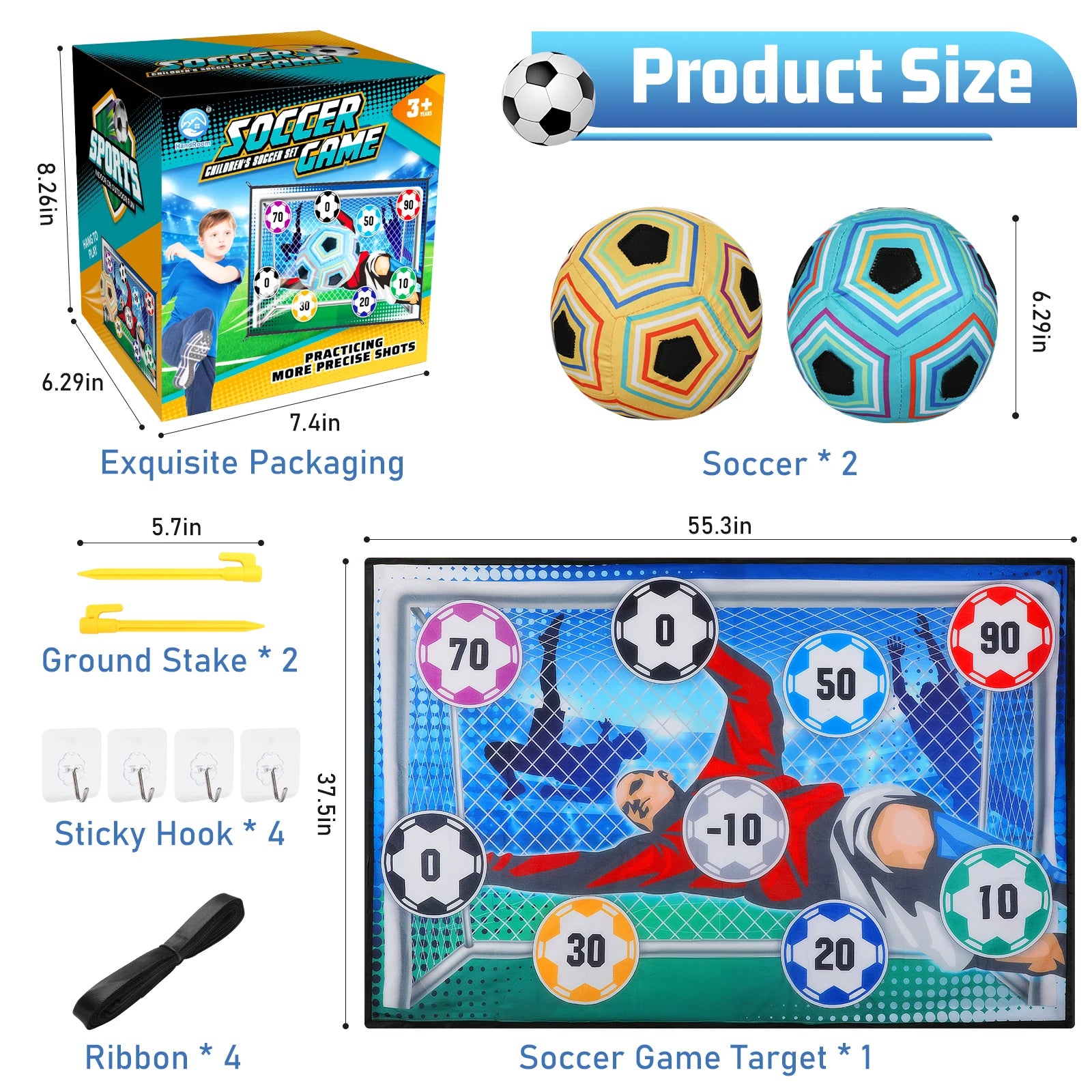
Drills for hand eye coordination that translate into soccer accuracy drills 💡 See it in action
Why This Training Tool Works Better Than Traditional Drills
This coordination-based training tool stands out because it combines visual reaction, hand speed, and playful engagement. Instead of repetitive foot-only drills, it activates faster neural pathways, helping players respond quicker and control the ball more naturally during real matches.
- Encourages independent practice
- Works indoors or outdoors
- Supports multiple age ranges
- Keeps training fun and stress-free
Compared to cones or static goals, interactive reaction tools deliver immediate feedback—one of the biggest drivers of skill improvement.
Recommended training aid: Kids Soccer Sticky Goal Toy
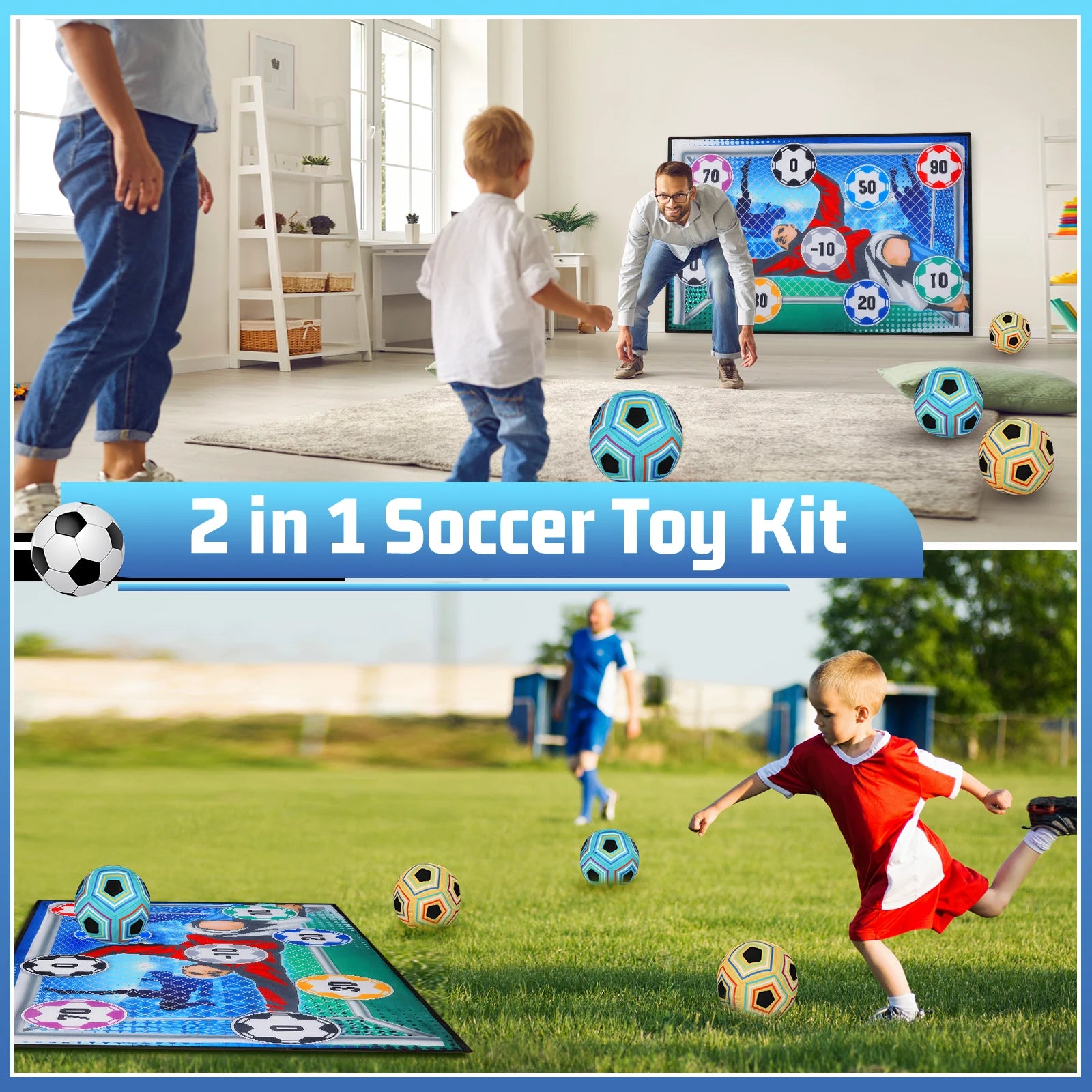
Fun soccer drills for beginners that improve control fast 💡 See it in action
Quick FAQ
How often should kids practice eye hand coordination exercises?
Short sessions 3–4 times per week work best. Even 10–15 minutes of focused, playful coordination training can produce noticeable improvements in reaction speed and ball control.
Are these drills suitable for beginners?
Yes. These exercises are ideal for beginners because they reduce pressure and focus on fun, helping kids build confidence before technical foot skills.
Do coordination drills really help in real games?
Absolutely. Faster reactions and better visual processing translate directly to cleaner first touches, quicker passes, and calmer decision-making during matches.
Related Guide: Fine Motor Skills Development Toys That Build Real Coordination





