

Eye Hand Coordination Games Parents Actually Recommend
What are eye hand coordination games and do they really help kids?
Eye hand coordination games help children connect what they see with how they move, improving focus, timing, and control through play. Parents often notice better confidence and smoother movements within weeks, especially when kids use active play toys and preschool active games that feel fun, not forced.
Eye Hand Coordination Games Parents Actually Recommend
⏱ 6 min read
Watching your child struggle to catch a ball or aim a toy can quietly worry any parent. Is this normal? Are screens getting in the way? The good news: the right eye hand coordination games can turn everyday play into real progress—without pressure, drills, or boredom. Parents across the US keep recommending a small group of games because they see results fast.
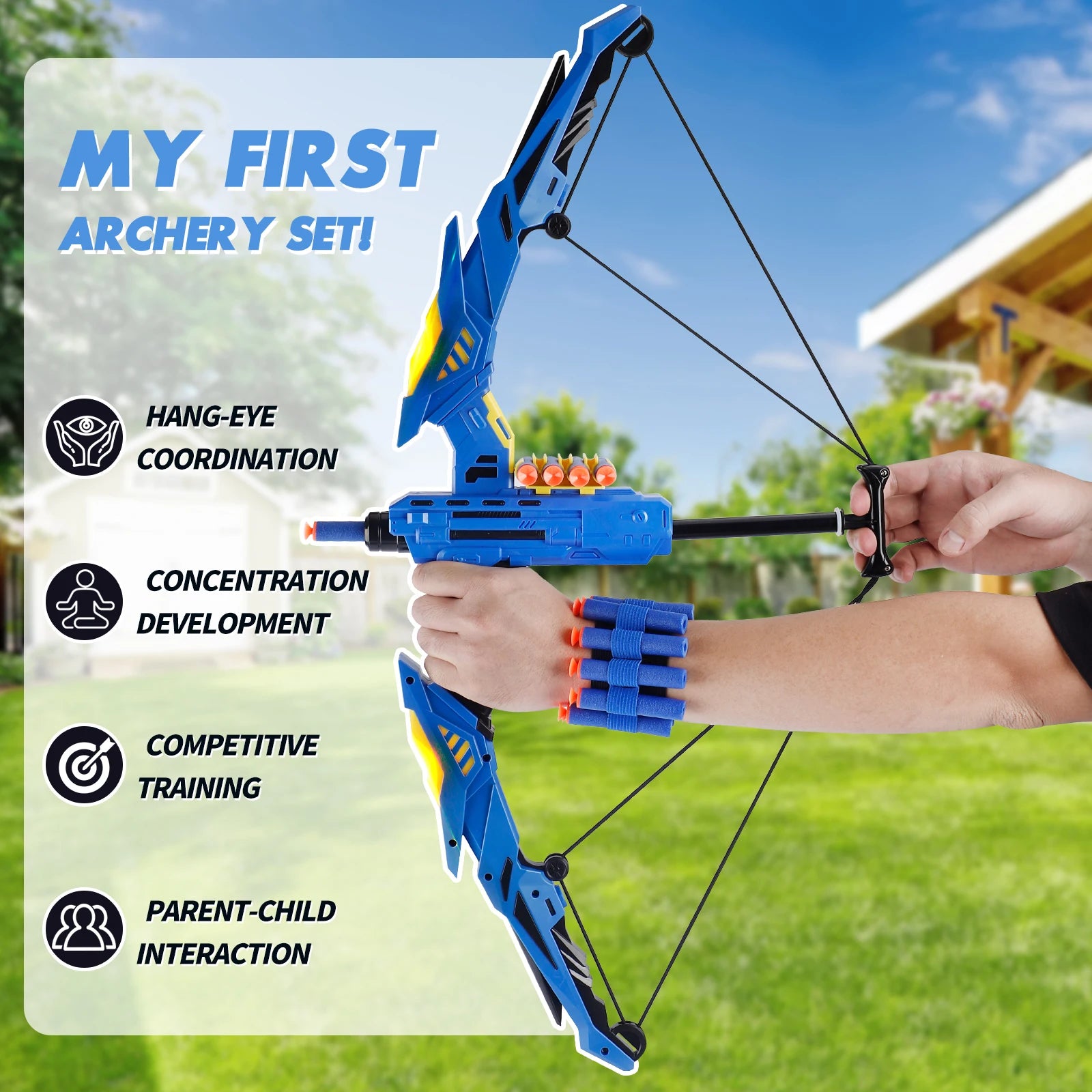
Eye hand coordination games using active play toys kids love 💡 See it in action
Why Eye–Hand Coordination Matters More Than You Think
Eye hand coordination is behind everyday wins—writing letters, tying shoes, catching a ball, even pouring juice without spills. When kids build this skill early through preschool active games, parents often see smoother school transitions and more confidence during sports and group play.
- Supports early writing and drawing skills
- Improves focus and reaction time
- Builds confidence during physical play
- Makes learning feel easier, not frustrating
That’s why many families now choose Baby Growth & Learning solutions that mix movement with fun instead of passive toys.
Which Eye Hand Coordination Games Do Parents Recommend Most?
Eye hand coordination games work best when kids forget they’re “practicing.” Parent favorites combine aiming, throwing, catching, or striking with instant feedback, keeping kids engaged longer. The most recommended options rely on active play toys that adapt to different ages and skill levels.
Top Parent-Approved Game Types
- Target-based games – Improve aim and control
- Throw-and-catch sets – Build timing and tracking
- Movement challenges – Combine balance with coordination
- Role-play sports games – Encourage repeat play
Many parents pair these with items from Sensory Toys to support focus and engagement during play.
Why the Kids Archery Set Stands Out for Real Results
Eye hand coordination games like a kids archery set stand out because they demand focus, aim, and controlled movement in every shot. Parents report visible improvements in accuracy, patience, and posture within days, making it a go-to choice among toys for motor skill development.
The Kids Archery Set keeps kids active while quietly strengthening core coordination skills. Unlike simple toss games, it encourages repeat attempts, self-correction, and goal-setting.
What Makes This Game Different
- Soft-tip arrows designed for safe indoor or outdoor play
- Clear visual targets that sharpen tracking skills
- Adjustable distance for growing skill levels
- Encourages solo play or friendly competition
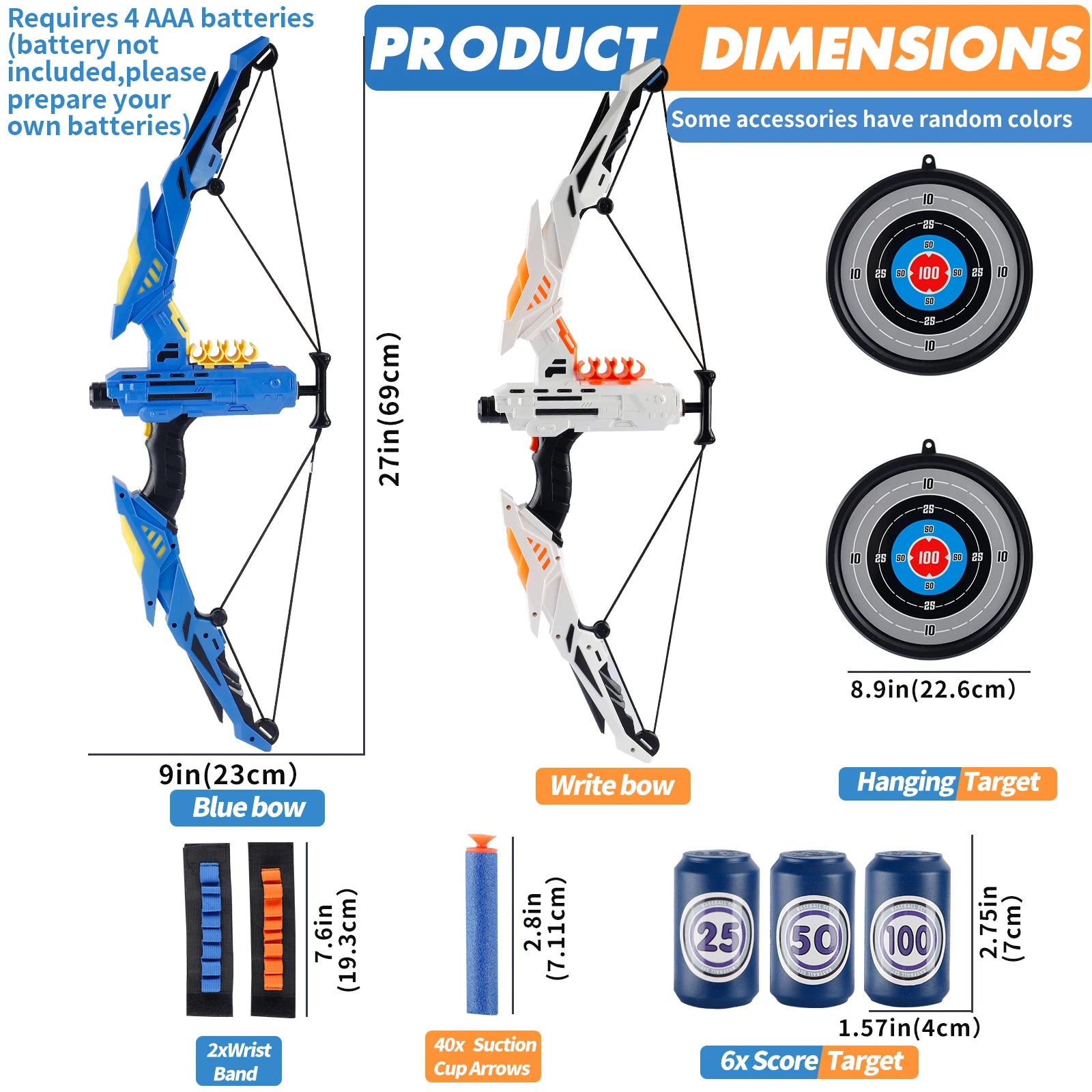
Preschool active games that feel like play, not practice 🎯 See it in action
Parents often combine this set with items from Mobility & Training collections to support full-body movement and balance.
How These Games Compare to Other Options
| Game Type | Engagement Level | Skill Progress Visibility | Parent Feedback |
|---|---|---|---|
| Kids Archery Set | High | Clear within days | Highly recommended |
| Basic Ball Toss | Medium | Slow | Mixed |
| Screen-Based Games | High (short-term) | Low | Often discouraged |
This comparison explains why parents leaning toward Health & Safety-focused play prefer physical, guided games over digital ones.
How to Choose the Right Game for Your Child
- Match difficulty to age to avoid frustration
- Look for adjustable challenges as skills grow
- Prioritize safety-tested materials
- Choose games kids ask to replay
Families often browse Baby Care Essentials alongside play tools to keep routines simple and consistent.
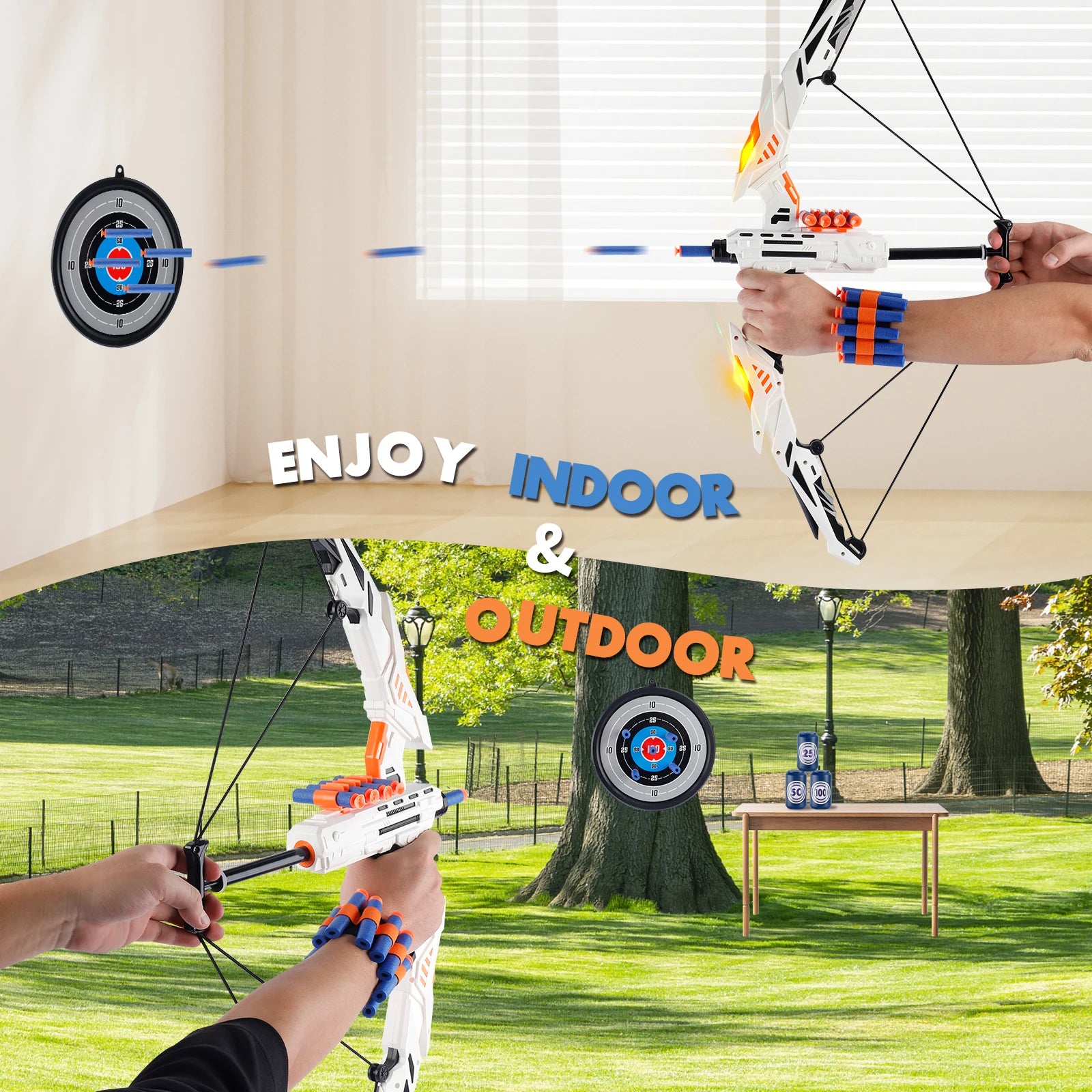
Toys for motor skill development parents trust 💡 See it in action
What Real Parents Are Saying
- “My 5-year-old’s focus improved in a week.”
- “He stopped giving up and started aiming again.”
- “Way better than screen games—he actually moves.”
Many parents mention pairing play sessions with calming routines from Sleep & Comfort to help kids wind down after active fun.
Quick FAQ for Parents
At what age can kids start eye hand coordination games?
Most children can begin simple eye hand coordination games around age 3, especially with soft, safe active play toys designed for preschool use.
How often should kids play these games?
Short daily sessions of 10–20 minutes are often enough to see steady improvement without overwhelming kids.
Are these games safe indoors?
Yes—parent-recommended sets like soft-tip archery games are designed for safe indoor and outdoor play when used as directed.
Related Guide: Fine Motor Skill Development Toys: Honest Review After Real Use





